
Table of Contents
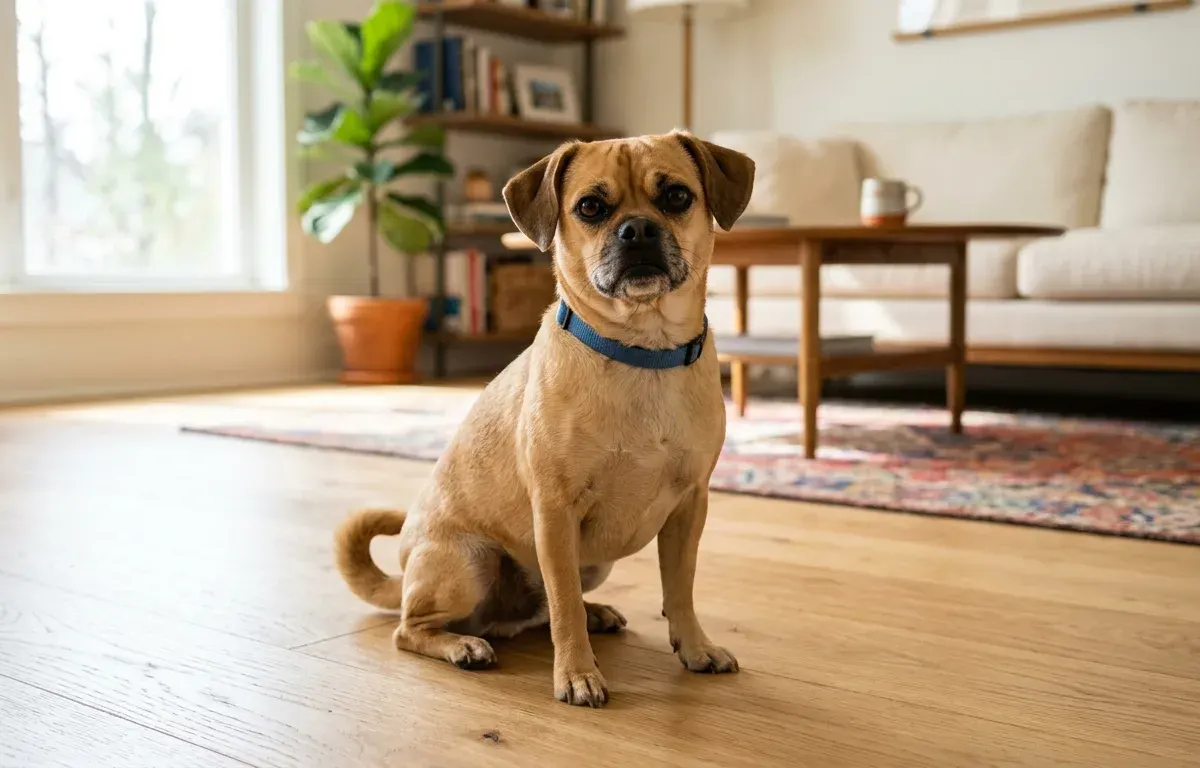
Among companion dogs, a Pug Chihuahua mix (commonly known as a Chug) is a small designer hybrid created by crossing a purebred Pug with a purebred Chihuahua. Full grown Chugs typically weigh about 18 pounds or less and enjoy an average lifespan of 13 to 16 years depending on individual genetics and routine veterinary care. This hybrid pairs the easygoing, affectionate nature of the Pug with the alert, devoted personality of the Chihuahua, making it an adaptable companion for apartments and smaller homes.
- Adult Chugs typically weigh about 18 pounds or less, maturing in size around their first year.
- Life expectancy averages 13 to 16 years when supported by balanced nutrition and routine veterinary care.
- Key health considerations include brachycephalic airway syndrome, patellar luxation, dental crowding, and heat sensitivity.
- Daily exercise requirements are modest, needing 20 to 30 minutes of low-impact walking using a protective chest harness.
- Early socialization and gentle positive reinforcement curb territorial barking and help prevent separation anxiety.
Pug Chihuahua Mix: The Chug Dog Breed Guide
Origins and breed background
The Pug Chihuahua mix is an intentional designer crossbreed that gained widespread popularity during the early 2000s. Often referred to by affectionate nicknames such as the Pughuahua or Pugwawa, this canine blend was developed in the United States by breeders seeking a compact companion dog with the charming personality of the Pug and the spirited alertness of the Chihuahua.
To appreciate the genetic heritage of a pug chihuahua mix dog, one must look at the two distinct foundational lines. The Pug represents an ancient royal lineage developed in imperial China over two thousand years ago. Prospective owners curious about what dogs make a Pug will discover that ancient Asian Lo-sze stock formed the backbone of the breed, carefully selected for solid bone structure and companionable lap warmth. In historical contexts, understanding what Pug dogs were bred for highlights their exclusive purpose as indoor companions for nobility and Buddhist monks.
In contrast, the Chihuahua traces its ancestry to ancient Mexico and the sacred Techichi dogs kept by Toltec and Aztec civilizations. As the smallest recognized breed in the world, the Chihuahua brings high sensory alertness, nimble agility, and deep loyalty to the pairing.
Prospective owners occasionally encounter references to a pug chihuahua weiner dog mix. It is important to clarify that a true Chug is strictly a first-generation or multi-generation cross between only two purebred parents (Pug and Chihuahua). Introducing a Dachshund (popularly called a weiner dog) creates a complex three-way blend with a significantly elongated spine, shorter dwarf legs, and distinct hunting instincts that differ from the two-breed Chug.
Because kennel registries like the American Kennel Club (AKC) recognize only established purebred lines, the Chug is classified as an unregistered hybrid. However, it is recognized by designer breed registries such as the International Designer Canine Registry (IDCR) and the American Canine Hybrid Club (ACHC).
Appearance and variation
Because first-generation (F1) hybrid puppies inherit an unpredictable combination of genetic traits, physical appearance can vary considerably even among littermates. Some puppies exhibit the rounded apple dome skull and erect bat ears of the Chihuahua parent, while others display the folded rose ears and furrowed forehead wrinkles characteristic of the Pug.
Comparing a Chug to what a purebred Pug looks like reveals noticeable refinements in facial structure. While purebred Pugs have flat faces, most Chugs possess a slightly elongated muzzle that moderates extreme flatness while retaining cute facial expressions.
The coat can be single or double-layered depending on the parents. If the Chihuahua parent is a longhaired variety, the offspring may develop soft feathering along the ears, chest, and tail. Common coat colors include fawn, solid black, chocolate, tan, cream, and silver-fawn, frequently accompanied by a dark facial mask.
Full grown size and growth timeline
When examining a pug chihuahua mix full grown chug dog, physical measurements fall into the compact companion category. According to PetMD, a full grown Chug weighs about 18 pounds or less. Because the Chug is a crossbreed without an official kennel club breed standard, physical size, ear shape, and facial conformation vary widely depending on whether a puppy inherits more traits from the sturdy Pug or the diminutive Chihuahua parent. Most Chugs reach their general adult size around their first year of age.
The table below summarizes verified physical benchmarks and breed characteristics for adult Chugs:
| Breed Dimension | Adult Chug Benchmark | Genetic and Breed Context |
|---|---|---|
| Adult Body Weight | About 18 pounds or less | Bridges the gap between the tiny Chihuahua and the heavier Pug frame |
| Expected Lifespan | 13 to 16 years | Reflects parent breed ranges (Chihuahua 14 to 16 years, Pug 13 to 15 years) |
| Breed Standard | No official breed standard | High individual variation in build, muzzle length, and ear carriage |
For households tracking growth benchmarks against purebred standards, reviewing Pug breed size standards helps gauge whether an individual puppy is trending toward the heavier Pug frame or the lighter Chihuahua build.
Temperament and behavior
The temperament of a Pug Chihuahua mix combines the comedic, easygoing nature of the Pug with the vigilant, spirited disposition of the Chihuahua. These hybrid dogs form deep attachments to their primary caregivers and thrive on close proximity, often following their owners from room to room throughout the day.
While Pugs are famously sociable with strangers, Chihuahuas possess a natural guarding instinct that makes them observant of novel stimuli. Consequently, an adult Chug may sound a vocal alarm when visitors arrive at the front door. Early exposure to diverse sights, sounds, and unfamiliar visitors helps temper overprotective tendencies.
In multi-pet environments, learning how Pugs get along with other dogs offers reassuring context. Chugs generally cohabitate peacefully with other dogs and cats when properly introduced during puppyhood. However, due to their small size, playtime with large, boisterous dogs must always be supervised to prevent accidental injury.
Their strong desire for companionship makes them classic lap dogs. Those interested in whether Pugs are true lap dogs will find that the Chug inherits an identical love for warm laps, cozy blankets, and relaxed sofa lounging.
Care, exercise, and grooming
Caring for a Chug involves balancing light physical activity with attentive coat and hygiene maintenance. Daily exercise needs are modest, requiring roughly 20 to 30 minutes of low-impact walking broken into two brief daily outings. Interactive indoor games, puzzle toys, and gentle fetch sessions provide mental stimulation without overtaxing their respiratory system.
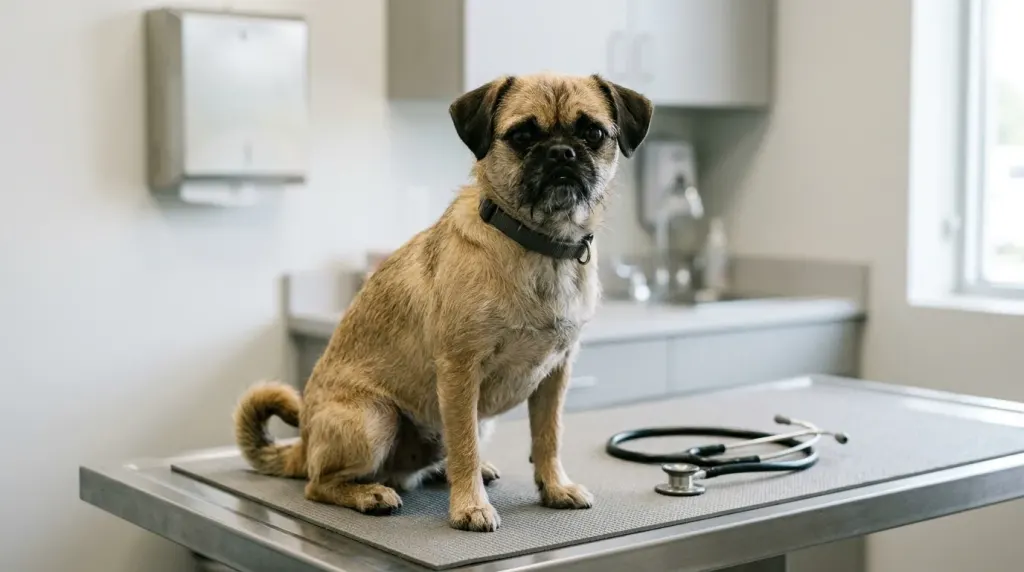
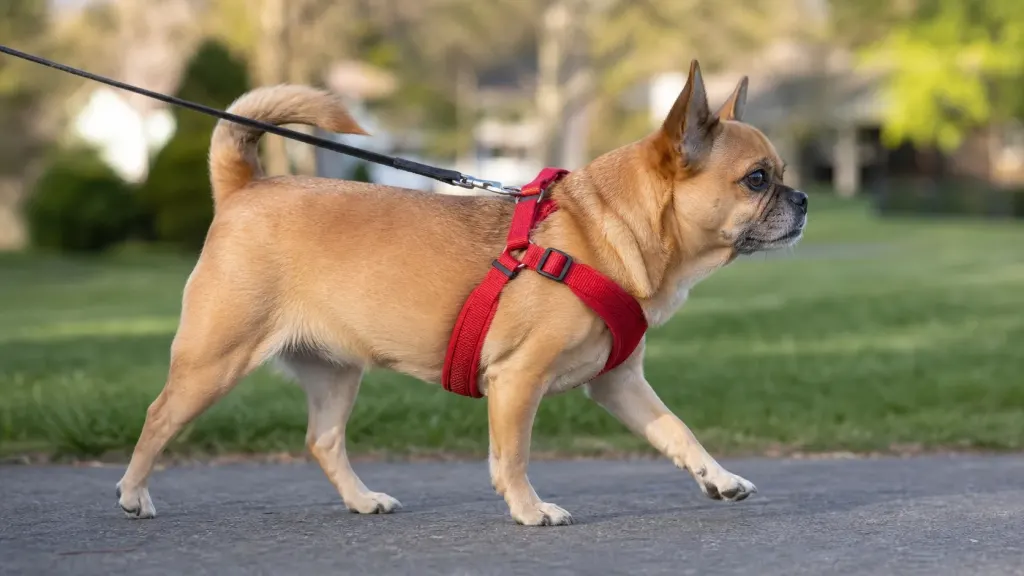
Establishing consistent daily Pug care routines serves as a dependable template for managing a Chug’s skin, coat, and general hygiene. Short-coated Chugs require brushing once or twice weekly with a soft bristle brush or rubber grooming mitt to remove loose fur. If the dog inherits facial wrinkles, gently wipe the skin folds two to three times weekly using a damp cloth or veterinarian-approved pet wipe, ensuring the area is dried thoroughly to prevent bacterial irritation. Always walk a Chug using a well-fitted chest harness rather than attaching a leash directly to a neck collar. Pulling on a traditional neck collar concentrates mechanical pressure directly against the narrow trachea, accelerating the risk of tracheal collapse, a structural vulnerability shared by both parent breeds.
Note: During hot or humid summer conditions, limit outdoor exercise to early mornings or late evenings. Short-snouted canines cannot regulate body heat efficiently through panting alone, increasing their susceptibility to rapid heat stress.
Daily feeding guidelines and nutrition
Providing balanced daily nutrition tailored to small toy breeds is essential for maintaining optimal body condition. Owners exploring what Pug dogs eat will find that flat-faced small dogs benefit significantly from kibble shapes engineered for easy grasping and chewing.
According to PetMD, there is no single universal feeding quantity for Chugs. Pet parents should follow the feeding chart on their dog food packaging based on body weight, or collaborate with a veterinarian to develop a customized meal plan based on age, lifestyle, and body condition score. Adult Chugs are generally fed two to three measured meals daily rather than free-fed, which helps prevent obesity and maintain stable energy levels.
To prevent rapid weight gain, avoid free-feeding or leaving full food bowls out all day. Healthy treats such as sliced cucumbers, plain green beans, or carrot pieces should comprise less than 10 percent of the dog’s total daily caloric intake.
Health considerations and risks
Crossbreeding often broadens genetic diversity, but hybrid dogs can still inherit structural health conditions from their founding lines. Prospective owners should familiarize themselves with the primary medical vulnerabilities associated with small, brachycephalic companion dogs.
According to the Cornell Riney Canine Health Center, canines with shortened cranial facial structures are predisposed to Brachycephalic Obstructive Airway Syndrome (BOAS). Anatomical features such as stenotic nares (narrow nostrils) and an elongated soft palate increase upper airway resistance, resulting in audible snoring, snorting, and exercise intolerance in warm environments.
Orthopedic vulnerabilities also require monitoring. According to clinical veterinary guidelines from the American College of Veterinary Surgeons (ACVS) and VCA Animal Hospitals, toy and miniature breeds frequently suffer from patellar luxation, a condition in which the kneecap displaces from the femoral groove. Maintaining a lean body weight reduces mechanical stress on knee ligaments, while severe cases may require surgical stabilization.
Additional health considerations include:
-
Periodontal Disease: Compact jaws create dental crowding where food particles collect, accelerating tartar accumulation. Daily tooth brushing and annual veterinary dental cleanings are strongly recommended.
-
Corneal Sensitivity: Prominent eyes inherited from the Pug lineage can be susceptible to surface scratches, dry eye (keratoconjunctivitis sicca), and irritation from ambient dust.
-
Obesity: A hearty appetite paired with low activity can lead to rapid weight gain, putting extra strain on both joints and airway passages.
Understanding how long Pugs live on average offers a helpful baseline for life expectancy expectations. According to PetMD, a healthy Chug enjoys an average lifespan of 13 to 16 years, reflecting the long life expectancies of both the Chihuahua (14 to 16 years) and Pug (13 to 15 years) lines. Owners can reference when Pugs become senior dogs to learn when to introduce senior mobility supplements and biannual geriatric health screenings around age eight.
Training and socialization tips
Training a Pug Chihuahua mix requires patience, consistency, and positive reinforcement techniques. Chugs are intelligent dogs eager to please their owners, but they can occasionally display a stubborn streak inherited from either parent breed.
Harsh verbal corrections or physical discipline should never be used, as small companion dogs can easily become fearful or defensive. Instead, reward desirable behaviors with small training treats, enthusiastic verbal praise, and brief play breaks. Keeping training sessions short (roughly 5 to 10 minutes at a time) keeps their attention sharp and prevents boredom.
Housebreaking requires a structured routine. Because toy breeds have small bladders, take young puppies outdoors immediately upon waking, 15 minutes after meals, and following vigorous play sessions. Crate training provides a secure resting den and aids housebreaking efforts significantly.
Reviewing developmental strategies in how to train a young puppy provides structured milestone timelines that apply effectively to young Chug puppies as they learn basic household boundaries and leash walking manners.
Living with a pug chihuahua mix: pros and cons
Before bringing a Chug into your home, evaluating how their daily traits align with your household lifestyle ensures a rewarding lifelong partnership.
The table below outlines the primary advantages and practical considerations of living with a Pug Chihuahua mix:
| Household Dimension | Advantages & Benefits | Practical Considerations & Demands |
|---|---|---|
| Living Space | Compact size thrives in apartments, condos, and houses without yards | Sensitive to extreme heat and cold; requires climate-controlled indoors |
| Family Compatibility | Affectionate, loyal, and enjoys cuddling with all household members | Small frame can be injured by rough handling; best with respectful older children |
| Exercise Routine | Low daily exercise requirements; satisfied with brief 20 to 30-minute walks | Cannot participate in intense long-distance running or strenuous hiking |
| Noise & Alertness | Vigilant watchdog that alerts owners to unusual perimeter sounds | May develop persistent barking habits if boundary training is neglected |
| Grooming Demands | Short, manageable coat requiring basic weekly brushing routines | Moderate year-round shedding; facial wrinkles require routine cleaning |
For apartment dwellers, exploring whether Pugs make good apartment dogs confirms that companion toy hybrids adapt comfortably to compact living spaces provided they receive regular daily bathroom breaks and mental enrichment.
Buying, breeders, and adoption considerations
When seeking to add a Pug Chihuahua mix to your family, selecting ethical acquisition channels protects animal welfare and ensures healthy puppies.
If purchasing from a breeder, choose dedicated individuals who conduct pre-breeding health evaluations on parent dogs, including orthopedic knee assessments and eye examinations. Reputable breeders permit on-site visits, introduce the mother dog, maintain clean living quarters, and provide written veterinary health guarantees.
Avoid purchasing puppies from pet shops, unregulated online marketplaces, or classified ads that refuse facility inspections, as these outlets frequently source animals from commercial puppy mills. Reviewing safe breeder and rescue guidelines for Pugs offers practical screening checklists to evaluate breeders responsibly.
Adoption through animal shelters and breed-specific rescue organizations represents an excellent and compassionate alternative. Adoption fees typically range from $150 to $400, covering spaying or neutering, microchipping, heartworm testing, and foundational vaccinations.
Frequently asked questions about pug chihuahua mixes
Are Chug dogs hypoallergenic?
No, Chug dogs are not hypoallergenic. Both parent breeds produce standard canine dander, saliva proteins, and shed fur. Short-coated Chugs shed moderately throughout the year, requiring weekly brushing. Individuals with known pet allergies should spend time around the breed prior to adoption to evaluate sensitivity.
Do Chug dogs bark a lot?
Chugs exhibit a moderate to high tendency to vocalize, inheriting alert guarding instincts from their Chihuahua lineage. They often bark to announce arriving visitors or unfamiliar outdoor noises. Early socialization, confidence building, and positive reinforcement cues such as teaching a reliable quiet command help keep barking manageable.
Can a Chug swim safely?
Most Chugs are not natural or strong swimmers. Their dense, compact torso, short legs, and shortened nasal passages make swimming physically demanding and elevate fatigue risks. If introducing a Chug to pools, lakes, or boating environments, always fit the dog with a buoyant canine life vest and maintain continuous visual supervision.
How much does a full grown Chug weigh?
A full grown Chug typically weighs about 18 pounds or less (8.2 kg or less). Because the Chug is a designer crossbreed without a formal kennel club breed standard, adult weight varies depending on whether an individual dog inherits more physical traits from the smaller Chihuahua or the sturdier Pug parent.
Related breeds and comparisons
Prospective pet parents often compare the Chug with other popular small companion hybrids before making a final decision:
-
Chug vs. Puggle: The Pug and Beagle mix (Puggle) is larger and heavier than the Chug, typically weighing 15 to 30 pounds. Puggles possess higher endurance and stronger scent-hound tracking drives compared to the lap-oriented Chug.
-
Chug vs. Chiweenie: The Chihuahua-Dachshund cross features an elongated spine and shorter legs, requiring careful spinal protection to prevent intervertebral disc disease (IVDD). The Chug generally has a squarer, more robust torso with fewer spinal vulnerabilities.
Summary and companion recommendations
The Pug Chihuahua mix is a charming, affectionate, and loyal companion that brings great joy to single individuals, active seniors, and families alike. By providing measured daily nutrition, gentle leash walking with a chest harness, routine dental hygiene, and patient positive reinforcement training, owners can ensure their Chug enjoys a happy, healthy, and fulfilling life for years to come.


Leave a Reply