Featured Guide
October 26, 2026
•
13 min read
Practical, evidence-based guides on breeds, nutrition, health, behavior, grooming, and everyday pet care.
Explore dog breed profiles, feeding guides, grooming advice, health explainers, behavior help, and everyday care resources.
Temperament, size, history, care needs, and breed-specific considerations.
Grooming, exercise, routines, and everyday care for a happy, healthy dog.
Feeding basics, safe foods, unhealthy foods, and diet guidance by life stage.
Symptoms, prevention, vaccinations, and educational health explainers.
Training help, behavior problems, and understanding what your dog is telling you.
Heat cycles, pregnancy, whelping, and responsible breeding guidance.
Beds, crates, leashes, toys, and supplies worth having at home.
Browse the full library in this hub.
Find practical cat care guides covering breeds, feeding, litter habits, grooming, common symptoms, behavior, and daily routines.
Personality, coat, size, and care profiles for popular cat breeds.
Litter habits, grooming, enrichment, and daily routines for indoor cats.
What cats can eat, portion guidance, and feeding by age and lifestyle.
Common symptoms, preventive care, and educational feline health guides.
Meowing, scratching, litter box issues, and decoding feline body language.
Heat cycles, pregnancy, kitten care, and responsible breeding basics.
Litter boxes, scratchers, carriers, and supplies your cat actually needs.
Browse the full library in this hub.
Use practical tools for pet age estimates, food portions, body condition, and preparing for care visits.
When evaluating what does a golden retriever look like, a purebred Golden Retriever is a sturdy, medium-to-large sporting dog characterized by a dense, water-repellent golden double coat with elegant feathering along the legs, chest, and tail. Adult males stand 23 to 24 inches tall at the shoulder weighing 65 to 75 pounds, while females measure 21.5 to 22.5 inches and weigh 55 to 65 pounds. They are instantly recognizable by their broad skull, warm dark brown eyes, folded drop ears, and a joyful, level tail carriage.
Do Golden Retrievers have webbed feet? Yes, they possess flexible connective tissue called interdigital webbing that links their toes. Bred in 19th-century Scotland to retrieve waterfowl from icy lochs, this partial webbing functions like built-in swim fins in the water and snowshoes on soft terrain.
When determining how much is a golden retriever in 2026, purchasing a purebred puppy from a reputable, health-tested breeder costs between $1,000 and $3,500 in the United States, with championship show lines exceeding $5,000. Adopting from a rescue shelter ranges from $50 to $300. Beyond initial purchase, ongoing food, grooming, preventative care, and routine veterinary expenses average $245 to $300 per month, bringing the baseline lifetime ownership cost to approximately $34,100 over an average 11-year lifespan.
You can adopt a Golden Retriever through two primary channels: breed-specific rescue organizations affiliated with regional clubs and municipal animal shelters. Breed-specific rescues evaluate dogs in foster homes, provide full veterinary care, and charge adoption fees ranging from $250 for senior dogs to $950 for puppies and international rescues. Municipal shelters offer lower fees ($50 to $150) but have fewer purebred Goldens available.
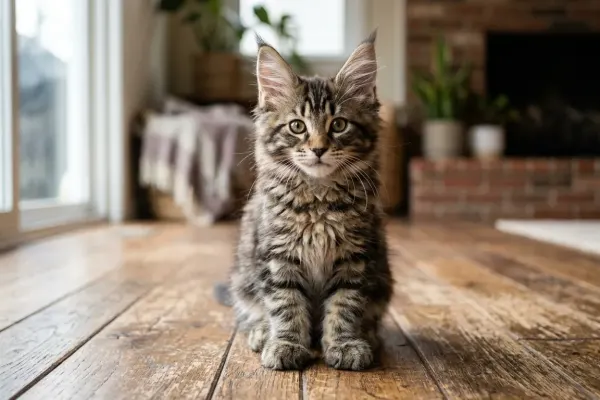
A Maine Coon kitten is the purebred juvenile offspring of North America's native longhaired Maine Coon cat breed, known for its sturdy rectangular bone structure, large tufted ears with lynx-like tips, square muzzle, and dog-like, social personality. While standard domestic cats finish growing within 12 months, Maine Coon kittens develop along an extended growth curve that spans 3 to 5 years before reaching their full adult weight of 15 to 25 pounds for males and 10 to 15 pounds for females.
When determining what a Maine Coon is mixed with, the genetic reality is that a Maine Coon mix is a domestic cat with one purebred Maine Coon parent and one non-pedigreed domestic cat (such as a Domestic Longhair or Shorthair) or another cat breed. Major feline registries like the Cat Fanciers' Association (CFA) and The International Cat Association (TICA) do not recognize crossbreeding, so there are no official designer hybrids. Most mixed cats result from accidental matings or non-pedigreed domestic lineages, inheriting a blend of traits like lynx-tipped ears, a sturdy rectangular body, a bushy plumed tail, and a gentle, dog-like temperament.
Maine Coon cats come in over 75 recognized color and pattern combinations, spanning solid coats (black, white, blue, red, and cream), classic and mackerel tabbies, smokes, shaded silvers, calicos, and tortoiseshells. When prospective owners ask what color are maine coon cats, official registries like the Cat Fanciers' Association (CFA) and The International Cat Association (TICA) accept virtually all natural feline coat varieties, excluding only those that indicate hybridization, such as chocolate, lilac, cinnamon, fawn, and colorpoint patterns.
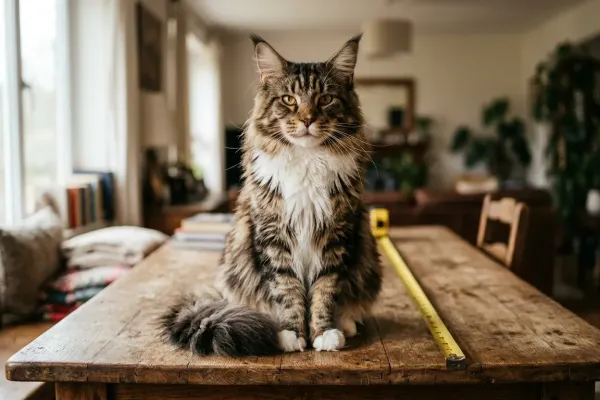
In answering what is the biggest Maine Coon cat on record, official documentation recognizes Stewie (Mymains Stewart Gilligan), who measured 123 cm (48.5 inches) from the tip of his nose to the tip of his tail. Typical healthy adult males measure 38 to 40 inches in total length and weigh 15 to 25 pounds, while slow skeletal maturation extends development up to 5 years.
A Golden Retriever lives primarily indoors as an affectionate family companion, thriving in homes with secure yard access but capable of adapting to apartment living if given 1 to 2 hours of vigorous daily exercise. Because of their social nature and dense double coat, they should never be kept as full-time outdoor dogs.
Golden Retrievers were originally bred in 19th-century Scotland as elite gundogs to retrieve shot waterfowl and upland game undamaged from both land and water. When examining what were Golden Retrievers bred for, Lord Tweedmouth developed the breed starting in 1868, selecting for a gentle "soft mouth," high trainability, dense water-repellent coats, and athletic endurance to navigate Scotland's rugged wetlands.
To understand what is a Golden Retriever, look to a medium-to-large sporting dog breed originating from 19th-century Scotland, renowned for its dense water-repellent golden coat, friendly temperament, high intelligence, and gentle mouth originally bred to retrieve waterfowl. Standing 21.5 to 24 inches tall and weighing 55 to 75 pounds, Golden Retrievers are among the world's most popular family companions, service dogs, and therapy animals.
Browse short, visual stories about dog breeds, cat care, health tips, pet moments, and quick explainers.
 Web Story
How Many Golden Retrievers Are There in the World? (2026 Stats)
Web Story
How Many Golden Retrievers Are There in the World? (2026 Stats)
 Web Story
What Does a Golden Retriever Look Like? Visual Identification Guide
Web Story
What Does a Golden Retriever Look Like? Visual Identification Guide
 Web Story
Do Golden Retrievers Have Webbed Feet? (The Surprising Anatomy & Care Guide)
Web Story
Do Golden Retrievers Have Webbed Feet? (The Surprising Anatomy & Care Guide)
 Web Story
How Much Is a Golden Retriever? 2026 Price and Lifetime Ownership Cost Guide
Web Story
How Much Is a Golden Retriever? 2026 Price and Lifetime Ownership Cost Guide

ShowDogsWest is an independent website managed by its owner. Our guides explain pet-care topics and link to external references. They are educational resources, not individual veterinary assessments.
ShowDogsWest Editor • Site Owner & Editor
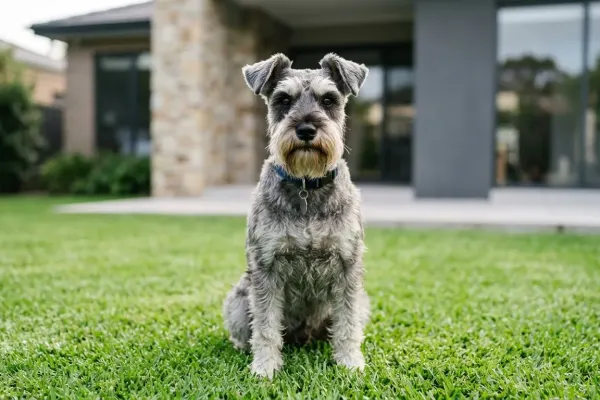
The Miniature Schnauzer is a small, squarely built German dog breed developed during the late nineteenth century. Standing 12 to 14 inches (30 to 35 cm) tall at the withers and weighing 11 to 20 pounds (5 to 9 kg), the breed features a harsh, wiry double coat and iconic facial furnishings. Classified in the Terrier Group by the American Kennel Club and the Utility Group in the United Kingdom, it is an alert, highly trainable companion that produces minimal shedding but requires routine professional grooming as the coat grows, daily mental enrichment, and proactive screening for metabolic and ocular health conditions.
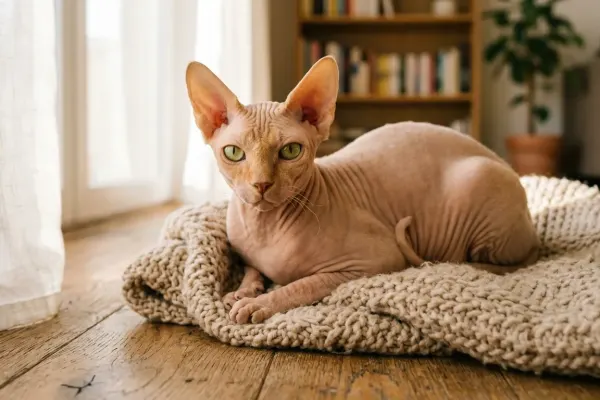
The Sphynx is a medium-sized, muscular domestic cat breed characterized by a lack of a traditional fur coat caused by a natural genetic mutation. Sphynx cats are not maintenance-free or completely hypoallergenic; their exposed skin produces natural oils that require periodic bathing, skin fold hygiene, weekly ear cleaning, and constant protection from cold drafts and direct sun. They are energetic, companion-focused cats prone to hereditary conditions such as hypertrophic cardiomyopathy and congenital myasthenic syndrome that require proactive veterinary screening.
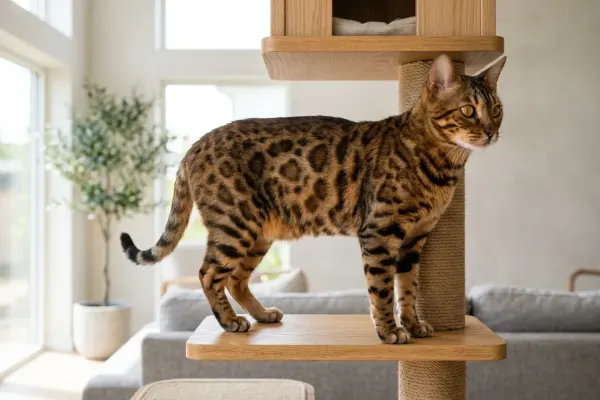
A Bengal is a domestic cat breed developed by crossing domestic felines with the wild Asian leopard cat (Prionailurus bengalensis). Today's companion Bengals are fully domesticated cats known for their muscular build, leopard-like rosetted or marble coats, high energy, and sharp intelligence that require regular interactive play and environmental enrichment.
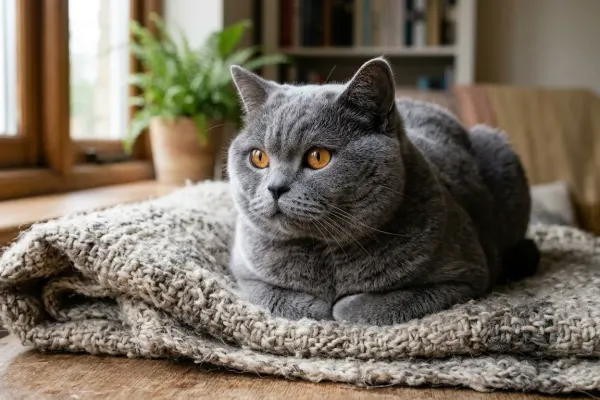
The British Shorthair cat breed is known for its sturdy, compact "cobby" body, round teddy-bear facial features, dense plush coat, and easygoing, affectionate demeanor. Originally tracing back to Roman-era working cats in Great Britain, these quiet, loyal felines make ideal indoor companions for families and apartment dwellers.