
Table of Contents
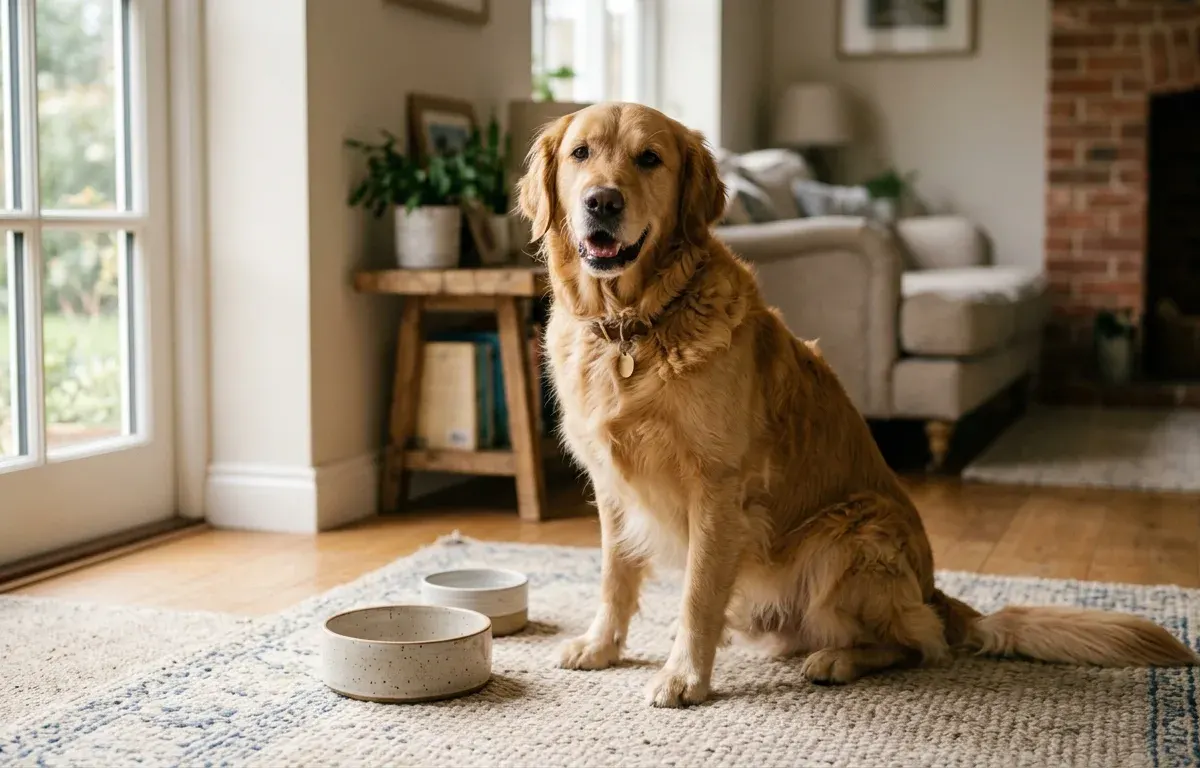
When pet parents ask why do Golden Retrievers burp so much, the primary reason is aerophagia (swallowing excess air) caused by enthusiastic eating, fast gulping of food or water, and their deep-chested anatomy. In most cases, an occasional post-meal burp is a harmless physiological release. However, if burping is sudden, foul-smelling, persistent, or accompanied by vomiting, restlessness, or abdominal swelling, it can indicate acid reflux, food intolerances, or serious gastrointestinal distress requiring veterinary attention.
- Aerophagia from eating or drinking too quickly is the most common cause of canine burping.
- Golden Retrievers possess large appetites and deep chests, making them prone to gulping air.
- Using slow feeders, puzzle bowls, and smaller divided meals significantly cuts down swallowed air.
- Mild burping after meals is normal, but frequent sour burps may point to acid reflux or dietary intolerance.
- Unproductive retching, pacing, drooling, or a distended belly indicates a medical emergency rather than a simple burp.
Many dog owners notice their Golden Retrievers burping audibly after mealtime or vigorous play. Hearing a human-sounding belch from a beloved family retriever can be surprising and comical, but it also raises valid questions about digestive comfort. Understanding what triggers these gas releases helps owners differentiate everyday canine habits from potential gastrointestinal issues.
Reasons Golden Retrievers Burp So Much
Canine burping, clinically known as eructation, occurs when accumulated gas in the stomach travels upward through the esophagus and exits via the mouth. While all canines burp occasionally, Golden Retrievers frequently top the list of gassy breeds. Their burping frequency stems from a combination of behavioral enthusiasm, eating mechanics, and digestive tract characteristics.
Normal Air Swallowing and Canine Eructation
The primary driver behind canine burping is aerophagia, the physical act of swallowing ambient air. When a Golden Retriever pants heavily after a game of fetch, drinks enthusiastically from a water bowl, or barks excitedly before dinner, air enters the digestive tract alongside saliva.
Once inside the stomach, this trapped air separates from liquids and solids. As pressure builds against the upper stomach wall, the lower esophageal sphincter relaxes momentarily, allowing the gas bubble to escape upward. Just as lower bowel fermentation causes excessive flatulence in French Bulldogs, upper digestive air accumulation in Golden Retrievers vents naturally as an eructation. This mechanical venting prevents uncomfortable gastric distension.
Rapid Eating and Gulping Air During Meals
Golden Retrievers are celebrated for their friendly temperament and substantial appetites. Many Goldens approach their food bowl with intense enthusiasm, virtually inhaling dry kibble within seconds without taking time to chew thoroughly. Enthusiastic eating habits differ across popular companion breeds, yet just as high-energy family traits explain why French Bulldogs are so popular alongside retrievers, a retriever’s food motivation often drives them to gulp meals without chewing.
When a dog gulps large mouthfuls of kibble, each swallow forces a pocket of air down the esophagus directly into the stomach. A dog that finishes a meal in thirty seconds swallows substantially more air than a dog eating at a measured pace over several minutes. The larger the volume of swallowed air, the louder and more frequent the post-meal burps will be once the stomach begins churning food.
Fast Eating Dynamics:
Enthusiastic Ingestion -> Air Gulping -> Stomach Distension -> Upward Gas Release (Burp)
Digestive Sensitivities and Acid Reflux Triggers
Not all canine burps consist entirely of swallowed room air. Some burps originate from digestive fermentation or upper gastrointestinal irritation. When a dog consumes high-fat table scraps, sudden diet changes, or ingredients that irritate the gastric lining, stomach emptying slows down.
Slow gastric emptying can trigger canine gastroesophageal reflux (GERD), where acidic stomach fluids splash into the lower esophagus. Dogs dealing with mild acid reflux or gastritis often burp repeatedly long after finishing a meal. These episodes frequently accompany nausea cues, such as frequent lip smacking, throat clearing, or the excessive surface licking seen in Pugs experiencing upper gastrointestinal discomfort.
Furthermore, when dogs feel mild nausea or esophageal burning from reflux, they frequently seek constant physical proximity to their owners for comfort, mimicking the behavior observed when French Bulldogs become overly clingy during periods of physical malaise or gastrointestinal stress. When evaluating canine eructation, timing provides the clearest diagnostic clue. A single clean burp within ten minutes of eating almost always points to simple swallowed air. Repeated burping occurring one to three hours after eating, especially with a sour odor, suggests gastric fermentation or delayed stomach emptying.
When to Worry About Your Dog’s Burping and Bloat Risks
Because burping is a standard bodily function, determining when it crosses into abnormal territory depends on frequency, context, and accompanying physical symptoms. An otherwise energetic retriever that lets out one relaxed burp after dinner rarely requires medical intervention. Conversely, acute gastrointestinal distress presents with distinct clinical signs.
Normal Burping vs. Warning Signs
To help owners assess their dog’s situation, the following comparison clarifies normal canine behaviors versus symptoms that warrant closer monitoring or urgent care:
| Assessment Factor | Normal Canine Burping | Concerning Symptom (Vet Check Needed) | Critical Emergency Sign (Immediate Care) |
|---|---|---|---|
| Frequency | 1 to 2 times after meals or drinking | Continuous burping throughout the day | Sudden onset with rapid abdominal expansion |
| Odor | Neutral or faint smell of dog food | Sour, acidic, or rotten-egg sulfur odor | Foul smell paired with acute distress |
| Physical Demeanor | Relaxed, happy, wagging tail | Licking lips, throat swallowing, pacing | Severe restlessness, hunched back, agitation |
| Abdomen | Soft, relaxed, normal tuck | Mild tension or gurgling sounds | Hard, swollen, drum-like tight stomach |
| Appetite & Digestion | Eager to eat, normal stool | Picky eating, occasional regurgitation | Non-productive retching, foam vomiting |
As highlighted in a comprehensive Journal of Veterinary Internal Medicine study on canine gastrointestinal mortality, deep-chested large breeds carry unique predispositions to acute gastric dilatation and volvulus (GDV, commonly known as bloat). Bloat occurs when the stomach fills with gas and twists on its axis, cutting off blood supply.
While everyday burping is the exact opposite of bloat (because burping successfully vents gas out of the stomach), an inability to burp or vomit when the stomach is clearly distended represents an immediate surgical emergency. Dogs in severe abdominal distress often exhibit bloodshot sclera and dilated capillaries, similar to how vascular congestion causes red eyes in French Bulldogs under acute physiological stress. If a dog attempts to burp or vomit but only produces white foamy saliva while pacing anxiously, seek veterinary emergency care immediately.
When to Escalate Gastrointestinal Symptoms to a Veterinarian
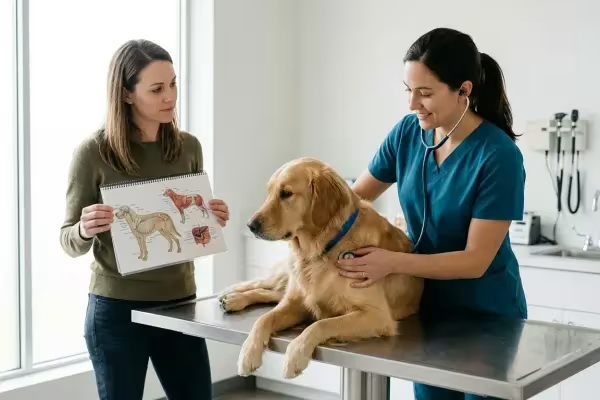
Outside of emergency bloat risks, chronic low-grade gastrointestinal conditions should also be addressed with a veterinarian. Distinguishing passive regurgitation from active vomiting is critical for diagnosis. Frequent regurgitation of undigested kibble shortly after meals differs clinically from active retching, such as frequent vomiting episodes in French Bulldogs with underlying gastrointestinal disease.
Schedule a clinical examination if your Golden Retriever displays:
- Chronic daily burping that started suddenly without dietary changes.
- Regular regurgitation of undigested kibble accompanied by difficulty swallowing.
- Visible pain signals such as sudden trembling, shivering, or reluctance to lie down flat, presenting similarly to shivering and shaking in French Bulldogs facing acute visceral discomfort.
- Unintended weight loss, dull coat quality, or chronic soft stools indicating malabsorption.
Note: Never administer human antacids, famotidine, or over-the-counter gas relief medications to your dog without explicit dosage calculations and approval from your attending veterinarian.
Practical Ways to Reduce Burping in Golden Retrievers
If your veterinarian has ruled out underlying medical conditions, managing everyday canine burping centers on slowing down ingestion and refining feeding practices. Implementing simple structural adjustments during mealtime yields noticeable improvements within days.

Slow Down Mealtime Eating Speed
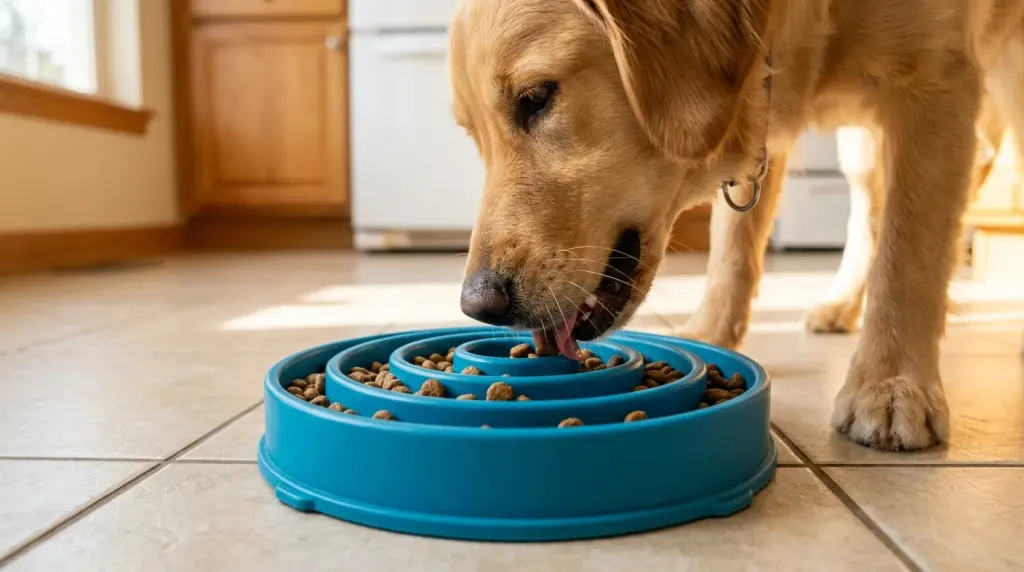
The most effective method to curb aerophagia is extending the duration of your dog’s meals from thirty seconds to five or ten minutes. When dogs are forced to take smaller, deliberate mouthfuls, the volume of swallowed air drops dramatically.
- Slow-Feeder Maze Bowls: Specialized plastic or ceramic bowls featuring raised ridges and labyrinth patterns force the dog to navigate around obstacles with their tongue, preventing large gulps.
- Puzzle Toys and Wobblers: Dispensing kibble through interactive feeder balls provides mental enrichment while metering food intake one piece at a time.
- Muffin Tin and Tennis Ball Method: For a quick home remedy, turn a standard 12-cup muffin tin upside down and scatter kibble between the raised cups, or place tennis balls inside the upright cups over the food.
- Snuffle Mats: Fabric foraging mats encourage natural scenting instincts and require the dog to hunt for individual kibbles tucked into fleece folds.
Mealtime Speed Comparison:
Standard Open Bowl: 30-45 seconds (High Air Intake)
Slow Feeder Maze: 5-8 minutes (Low Air Intake)
Snuffle Mat Foraging: 10-15 minutes (Minimal Air Intake)
Establish Calmer Feeding Habits and Rest Periods
Beyond the bowl design itself, the environment and routine surrounding mealtime influence digestion and upper airway dynamics. High excitement before meals increases panting and rapid respiration, much like how altered respiratory dynamics trigger audible snorting in Pug dogs during periods of high arousal.
- Separate Multi-Pet Households: If you have multiple dogs, feed them in separate rooms behind closed doors. Competition or anxiety about food guarding often causes dogs to eat significantly faster.
- Enforce Post-Meal Rest: Prevent vigorous running, jumping, and rough play for at least one hour before and one hour after eating. Establishing quiet rest periods allows gastric air to settle gently, encouraging the dog to curl up in a comfortable spot much like Pug dogs digging in blankets to arrange a nesting space.
- Manage Water Chugging: If your retriever rushes to drain a giant water bowl immediately after running outside, offer small controlled portions of water first while they cool down, allowing their breathing rate to normalize before full access.
Adjust Diet and Manage Persistent Reflux
Dietary composition plays a major role in gastric fermentation. Low-quality commercial foods containing excessive fillers or difficult-to-digest carbohydrates can ferment quickly in the stomach, creating excess gas.
- Divide Daily Rations: Split your dog’s total daily food requirement into two or three smaller meals rather than offering one large single meal. Smaller volumes empty from the stomach much faster and create less gastric pressure.
- Transition Foods Gradually: When introducing a new protein or kibble brand, transition over seven to ten days by gradually mixing increasing ratios of the new food to prevent acute digestive upset.
- Evaluate Fat Content: High-fat diets and fatty table scraps delay stomach emptying and relax the lower esophageal sphincter, exacerbating acid reflux. Opt for moderate-fat, easily digestible protein formulas.
Frequently Asked Questions About Golden Retriever Burping
Is it normal for a Golden Retriever to burp after eating?
Yes, an occasional single burp within ten to fifteen minutes after eating is completely normal for Golden Retrievers. It indicates that your dog is venting air swallowed during the meal. As long as your dog remains comfortable, playful, and shows no signs of abdominal pain or nausea, post-meal burping is harmless.
Can burping be a sign of bloat in Golden Retrievers?
Burping itself is the release of gas, whereas bloat (GDV) occurs when gas is trapped inside a twisted or closed stomach. However, if a dog displays sudden distress, an enlarged hard abdomen, restlessness, and unsuccessful attempts to burp or vomit, those symptoms represent a severe veterinary emergency.
Does drinking water too fast cause dog burping?
Yes, gulping water rapidly after vigorous exercise causes dogs to swallow substantial amounts of air along with the liquid. This trapped air rises to the top of the stomach and exits as a loud burp shortly after drinking. Giving your dog a few minutes to catch their breath before drinking helps reduce this effect.
When should I take my Golden Retriever to the vet for burping?
You should consult a veterinarian if burping occurs continuously throughout the day, carries a foul or rotten odor, or is accompanied by vomiting, diarrhea, weight loss, lethargy, or signs of pain. These symptoms indicate potential underlying issues such as acid reflux, food allergies, or gastritis rather than simple air swallowing.

Leave a Reply