
Table of Contents
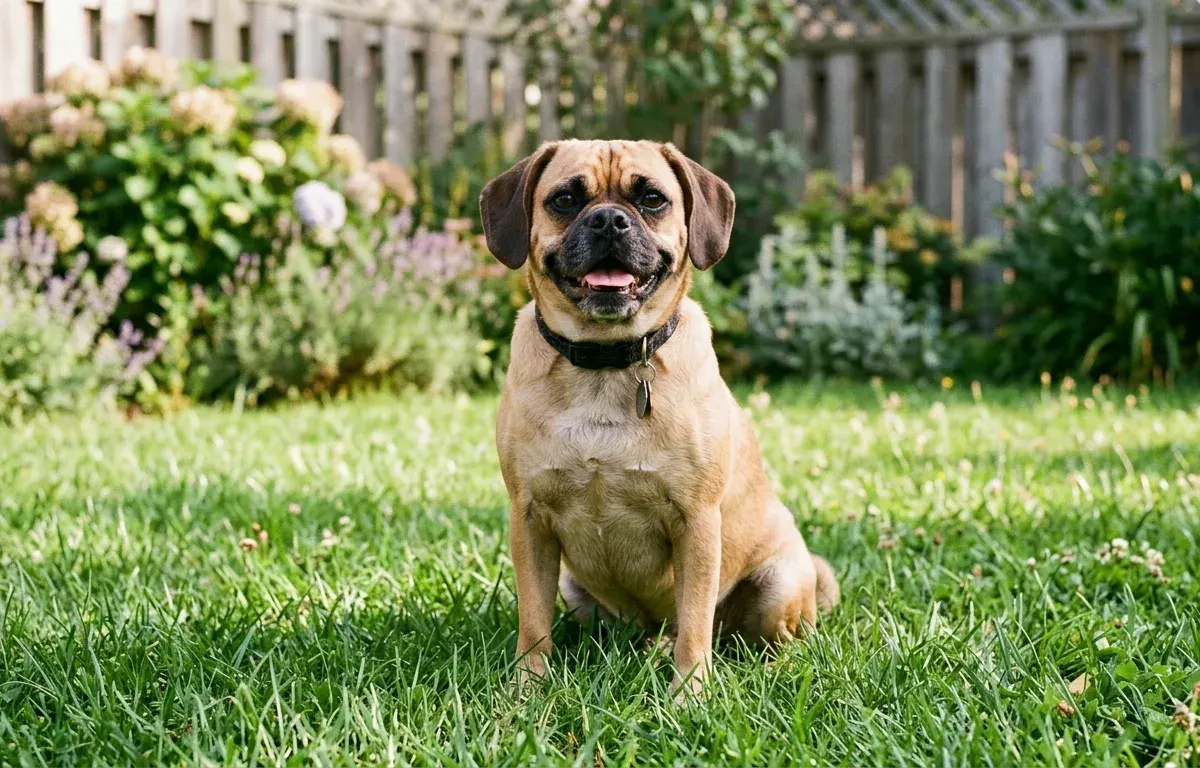
Commonly known as the Puggle, this popular hybrid was created in the United States during the late 1980s by crossing a Beagle with a flat-faced companion breed. A full-grown adult typically weighs between 15 and 30 pounds and stands 10 to 15 inches tall at the shoulder. Known for an affectionate, playful nature and smooth short coat, these dogs generally inherit a longer muzzle than their brachycephalic parent, lowering the risk of severe respiratory issues while retaining the sturdy, gentle companion traits of both lineages.
- These are mid-sized hybrid dogs weighing 15 to 30 pounds, combining physical traits of both parent breeds.
- An extended muzzle reduces breathing complications commonly seen in flat-faced purebreds.
- They are affectionate family companions but require moderate daily exercise and consistent training to manage scent-driven curiosity.
- Healthy individuals generally enjoy a long lifespan, which can vary depending on their genetics, proper nutrition, and routine veterinary care.
- Puppy prices range from $800 to $1,800 from reputable breeders, with adoption fees around $150 to $450.
What Is a Pug and Beagle Mix Dog (Puggle)?
The Pug and Beagle mix dog, widely known as the Puggle, is a F1 crossbreed resulting from the mating of two distinct purebred lines. Because this mix is a designer hybrid rather than an established purebred, individual puppies within the same litter can inherit varying blends of physical features and behavioral traits from either side of their ancestry.
Unlike ancient purebred breeds, designer crossbreeds of this type are not registered as standalone breeds by major kennel registries such as the American Kennel Club (AKC). However, they are recognized by hybrid registries including the American Canine Hybrid Club (ACHC) and the Designer Dogs Kennel Club (DDKC).
How Did the Puggle Originate?
Deliberate breeding of this hybrid began in the United States during the late 1980s and early 1990s. Wisconsin dog breeder Wallace Havens is widely credited with producing the first intentional cross between the two parent lines. The primary motivation behind creating this designer dog was to develop a friendly companion that retained the charming personality and compact build of the flat-faced parent while improving respiratory health through the longer muzzle structure of the hound line.
By combining the genetics of two distinct breeds, early breeders sought to reduce the severity of flat-faced breathing difficulties while retaining a loving family companion. To understand the heritage of the parent breeds, pet owners often explore the initial origin and breeding purpose of the Pug breed as well as the scent-hound history of the Beagle.
What Does a Puggle Look Like?
This hybrid inherits a distinct blend of facial expressions and body proportions from both parent lines. Most individuals exhibit a compact, muscular body with a deep chest, sturdy legs, and a tail that curls loosely over the back or hangs slightly curved like a Beagle tail.
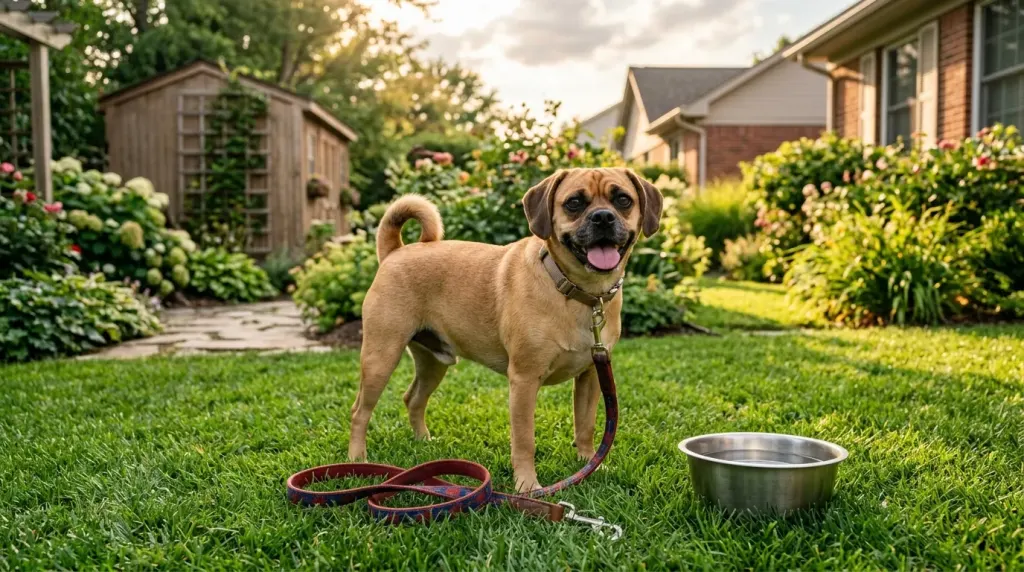
Key physical dimensions and features of this mix include:
- Height: 10 to 15 inches at the shoulder.
- Weight: 15 to 30 pounds, depending on whether the Beagle parent was a 13-inch or 15-inch variety.
- Coat: Short, dense double coat that lies flat against the body.
- Coat Colors: Fawn, tan, black, or tri-color (black, white, and tan), often accompanied by a signature black facial mask.
- Head & Muzzle: Slightly wrinkled forehead with a muzzle longer than flat-faced toy breeds but shorter than standard scent hounds.
- Ears: Drooping, floppy ears inherited from the Beagle line.
For comparison, studying the characteristic appearance of a purebred Pug highlights how the longer Beagle snout transforms the facial structure of the hybrid mix.
Puggle Temperament and Personality
This crossbreed is celebrated for an outgoing, gentle, and social disposition, inheriting affectionate, people-oriented loyalty alongside the merry, curious nature of scent hounds. Most of these dogs thrive on human companionship and fit naturally into active households.
Key personality traits include:
- Affectionate and Clingy: These dogs bond closely with family members and enjoy lounging on couches alongside their owners.
- Playful and Energetic: They possess a playful spark that makes them lively companions for outdoor playtime.
- Vocal Tendencies: Thanks to hound ancestry, some individuals inherit a tendency to bark or utter a low howl (baying) when excited or alerting to scents.
- Scent-Driven Curiosity: Inherited hound instincts provide a keen sense of smell, leading them to follow interesting scents during walks.
Early socialization and consistent positive reinforcement help channel this natural curiosity into balanced household behavior, preventing stubborn scent-following habits from turning into wandering.
Owners considering how a hybrid mix adapts to multidog homes can compare the Pug’s ability to get along with other dogs to evaluate social dynamics.
Are Puggles Good with Children and Other Pets?
These hybrids are generally excellent family dogs for households with children. Their sturdy build makes them more resilient during play than smaller toy breeds, displaying patience and enthusiasm around kids when properly socialized.
When living alongside other household pets, they usually get along well with canine housemates. However, because one parent line consists of hunting hounds, some individuals retain a mild prey drive toward small animals such as hamsters or outdoor squirrels. Early introductions and supervised interactions ensure peaceful cohabitation with cats and small pets.
Exercise, Training and Living Needs
Although adaptable, these dogs require a balanced daily routine to maintain health and prevent boredom:
- Daily Exercise: They need 30 to 45 minutes of moderate exercise daily, such as brisk walks or backyard fetch sessions.
- Leash Safety: Due to strong scent instincts, they should always be kept on a leash or within a securely fenced yard, as an intriguing trail can prompt them to wander.
- Training Approach: They respond best to reward-based positive reinforcement. Because both parent breeds can show a stubborn streak, short and engaging training sessions work best.
- Living Space: These crossbreeds adapt well to apartment living provided their daily exercise needs are met.
Note: Maintaining consistent exercise routines keeps a dog fit while preventing destructive behaviors caused by pent-up energy.
Understanding the actual energy levels of Pugs helps prospective owners gauge exercise expectations, while reviewing whether Pugs make good apartment dogs provides context for small-space living.
Grooming, Shedding and Allergies
Maintaining coat health in this mix is straightforward, but regular care is essential:
- Shedding: They possess a short double coat that sheds moderately year-round, with increased shedding during seasonal transitions in spring and autumn.
- Brushing: Weekly brushing with a rubber curry brush or soft bristle brush removes loose hair and distributes natural skin oils.
- Wrinkle & Ear Cleaning: Facial wrinkles around the nose and drooping ears should be inspected and wiped clean twice weekly to prevent moisture buildup and skin fold infections.
- Bathing: Bathing is needed only once every 4 to 6 weeks using a mild dog shampoo.
- Allergies: These dogs are not hypoallergenic. Shedding dander means they are not suited for individuals with severe canine allergies.
Puggle Health and Lifespan
The average lifespan of this cross is 10 to 15 years. Crossing two distinct purebred lines can offer a degree of hybrid vigor, reducing the incidence of certain recessive disorders. However, they can still inherit health vulnerabilities common to either parent breed.

According to Dr. Jerry Klein, Chief Veterinary Officer at the American Kennel Club, both purebred and crossbred dogs can inherit genetic health conditions, making parent health screening far more critical than breed label alone.
Common health conditions to monitor include:
- Hip Dysplasia: Malformation of the hip joint leading to stiffness or arthritis.
- Brachycephalic Airway Symptoms: While milder than in Pugs, shorter snouts can still cause snoring or heat sensitivity during hot weather.
- Eye Disorders: Susceptibility to cherry eye (prolapsed gland of the third eyelid), corneal ulcers, or progressive retinal atrophy.
- Hypothyroidism: Underactive thyroid gland leading to weight gain and lethargy.
- Patellar Luxation: Slipping kneecaps causing temporary limping.
- Obesity: High appetite inherited from both breeds requires strict portion management.
Evaluating the average lifespan of a purebred Pug offers a useful benchmark when planning long-term care for a hybrid companion.
How Much Does a Pug and Beagle Mix Dog Cost?
Acquiring and raising a Pug and Beagle mix involves both initial purchase costs and recurring monthly care expenses:
- Breeder Price: Purchasing a puppy from a reputable breeder typically costs between $800 and $1,800. Prices vary based on breeder reputation, location, and parental health clearances.
- Adoption Fee: Adopting through a rescue organization or shelter generally ranges from $150 to $450, which usually includes vaccination, microchipping, and spay/neuter procedures.
- First-Year Expenses: Initial supplies, vet checkups, vaccinations, and spay/neuter average $500 to $800.
- Monthly Upkeep: Feeding high-quality dog food, routine vet care, preventative medications, and grooming supplies cost approximately $70 to $120 per month.
Comparing these figures with the cost to buy and raise a purebred Pug allows prospective owners to budget accurately for long-term ownership.
Puggle vs Purebred Pug: Key Differences
Comparing this designer hybrid directly with a purebred Pug clarifies key physical and behavioral distinctions:
| Trait | Hybrid Mix (Pug x Beagle) | Purebred Pug |
|---|---|---|
| Average Weight | 15 to 30 lbs | 14 to 18 lbs |
| Average Height | 10 to 15 inches | 10 to 13 inches |
| Muzzle Length | Medium (elongated snout) | Short (flat brachycephalic face) |
| Breathing Risk | Lower respiratory risk | Higher risk of heat stress & airway obstruction |
| Energy Level | Moderate to High | Low to Moderate |
| Vocal Traits | Occasional barking / howling bay | Snorting, grunting, mild barking |
| Average Lifespan | 10 to 15 years | 12 to 15 years |
| Average Price | $800 to $1,800 | $1,200 to $2,500 |
Where to Find a Pug and Beagle Mix Puppy
When seeking a puppy, choosing an ethical source is essential for long-term health and welfare:
- Reputable Breeders: Look for breeders who provide health certifications for both parent dogs (such as OFA hip and eye evaluations). Reputable breeders allow home visits and prioritize puppy welfare over volume sales.
- Shelters and Breed Rescues: Dedicated rescue groups and local animal shelters often have adult mixed-breed dogs or puppies available for adoption.
- Sources to Avoid: Avoid purchasing puppies from commercial pet stores or unverified online marketplaces, as these often source from high-volume puppy mills that neglect genetic health testing.
Researching finding a reputable place to buy a Pug provides valuable criteria for evaluating breeder standards.
Similar Mixed Breeds to Consider
Prospective owners interested in designer hybrids may also explore other popular crossbreeds:
- Chug (Pug x Chihuahua): A smaller mix combining affectionate companion traits with the compact size of a Chihuahua. Read more about the Chug, a hybrid of a Pug and a Chihuahua for details on this compact mix.
- Heritage & Alternatives: Learning about the breeds behind Pug origins helps clarify how different heritage lines shape physical traits in designer mixes.
Frequently Asked Questions about Puggles
Is a Puggle a good family dog?
Yes, these hybrids make excellent family dogs. They are friendly, affectionate, and sturdy enough to play safely with children while remaining gentle and sociable with guests.
Do Puggles bark a lot?
These dogs can be more vocal than flat-faced purebreds because they inherit hound instincts from their Beagle parent. Early training helps manage baying or barking triggered by outdoor scents and doorbells.
How long do Puggles live?
Healthy individuals have an average lifespan of 10 to 15 years when provided with balanced nutrition, regular exercise, and routine preventive veterinary care.
Are Puggles hypoallergenic?
No, they are not hypoallergenic. They possess a short double coat that sheds moderately throughout the year, releasing dander that can trigger allergies in sensitive individuals.


Leave a Reply