
Table of Contents
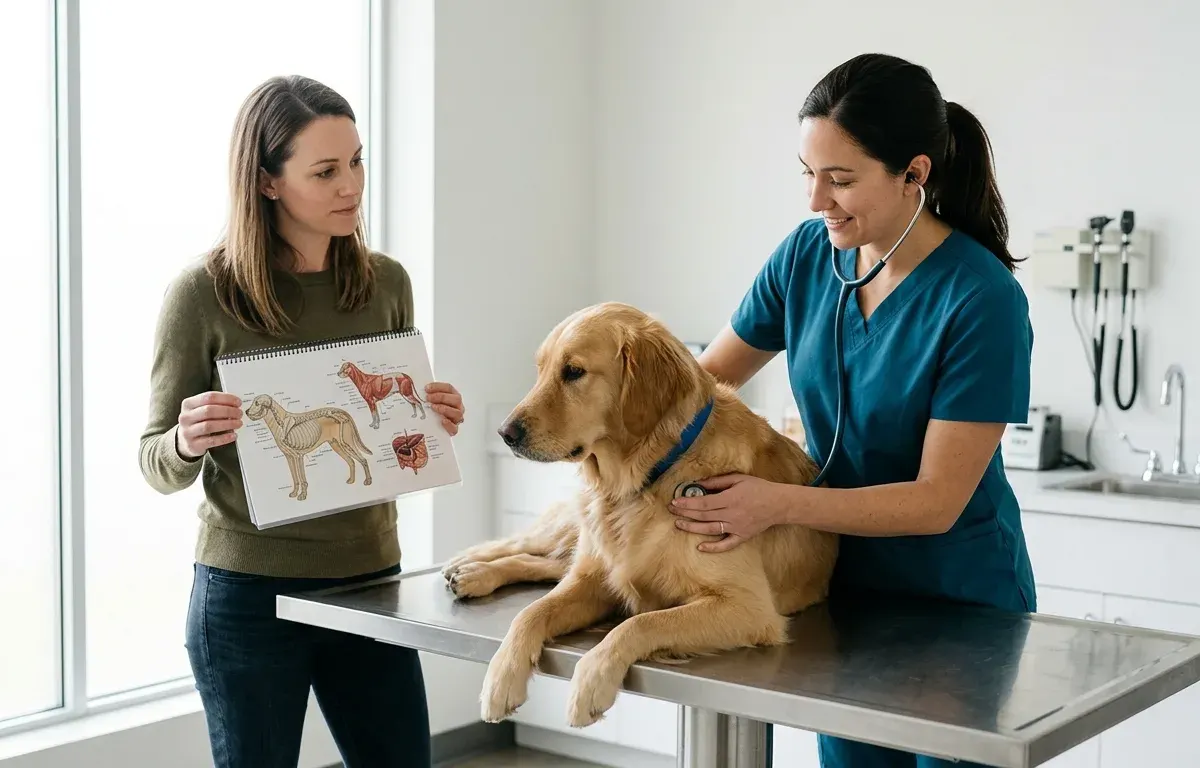
Do Golden Retrievers need their glands expressed? Most healthy Golden Retrievers do not. As a large breed with naturally bulky, firm stools, Golden Retrievers empty their anal sacs automatically every time they pass a normal bowel movement. Routine manual expression by groomers on healthy dogs is unnecessary and can cause chronic tissue inflammation, duct scarring, or loss of natural muscular tone. Manual expression should only be performed when a dog displays clinical signs of impaction, such as floor scooting, rear licking, or a strong fishy odor, and is best evaluated by a veterinarian.
- Healthy Golden Retrievers empty their anal sacs naturally during firm bowel movements without manual help.
- Routine or preventive gland expression can damage delicate ducts and create artificial muscular dependency.
- Common symptoms of gland impaction include floor scooting, rear licking, and a foul metallic or fishy smell.
- Recurrent gland fullness in Golden Retrievers is usually triggered by chronic soft stools, low dietary fiber, allergies, or obesity.
- Perineal swelling, open sores, or bloody discharge require prompt veterinary care to prevent abscess rupture.
Golden Retriever owners often wonder whether their dog needs routine anal gland expression during regular grooming visits. Because smaller companion dogs frequently require manual help, many owners assume the same rule applies to larger sporting breeds. In healthy Golden Retrievers, canine biology is designed to take care of this process entirely on its own.
Do Golden Retrievers Need Their Anal Glands Expressed? (The Short Answer)
Healthy Golden Retrievers do not require routine manual anal gland expression. Their anal sacs, located internally at roughly the 4 o’clock and 8 o’clock positions on either side of the anus, produce an oily, foul-smelling secretion used for scent marking and individual chemical identification. In a healthy dog, normal defecation supplies all the mechanical force needed to empty these sacs naturally.
| Dog Status | Gland Function | Recommended Action |
|---|---|---|
| Healthy Golden Retriever | Normal self-emptying during firm bowel movements | Leave glands untouched; maintain high-fiber diet |
| Mild Discomfort (Early Fullness) | Occasional scooting, mild rear licking | Monitor stool consistency; add dietary fiber |
| Impacted or Infected Glands | Severe scooting, foul odor, perineal swelling | Seek professional veterinary examination and treatment |
Large sporting breeds differ significantly from toy or brachycephalic dogs in glandular function. Smaller companion breeds, such as those discussed in our guide to French Bulldog gland care, often struggle with narrow drainage ducts and weaker muscular expulsion. By contrast, a standard retriever has strong perineal anatomy and produces larger, firmer stools that compress the sacs efficiently.
Understanding your dog’s overall physical build provides valuable context for their care routines. You can explore standard breed traits in our Golden Retriever breed guide, or review size classifications in our article on whether a Golden Retriever is considered a large breed.
The Biology of Natural Expression: How It Works in Healthy Dogs
Natural anal sac expression is a purely mechanical process that depends on normal gastrointestinal function. When a Golden Retriever defecates, several physiological factors work together to clear the glandular fluid:
- Stool Bulk and Firmness: As a well-formed fecal bolus moves through the rectum, it expands the pelvic canal and exerts outward pressure against the surrounding tissue walls.
- Direct Sac Compression: This physical pressure squeezes the paired anal sacs against the external anal sphincter muscle.
- Duct Evacuation: The pressure forces a small quantity of stored secretion out through tiny exit ducts opening just inside the anal margin, coating the exterior of the stool.
- Sphincter Contraction: Following defecation, the sphincter contracts naturally, resetting the sac position without retaining excess fluid.
According to clinical instructions in the University of Bristol clinical skills guide, normal canine anal sacs empty spontaneously when firm fecal material passes through the anal canal. When a dog produces soft, unformed, or watery stools, this mechanical compression fails, allowing glandular fluid to accumulate and thicken over time.
5 Clear Signs Your Golden Retriever’s Anal Glands Need Attention
When natural drainage is disrupted, retained secretions become inspissated (thick and pasty), leading to irritation and pressure. Watch for these five common warning signs:
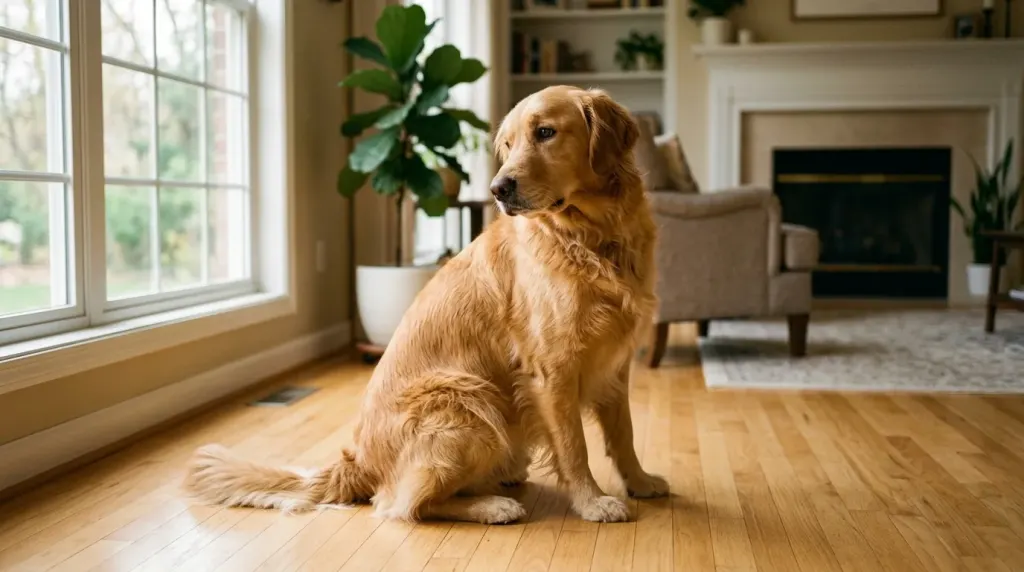
- Floor Scooting: Dragging the hindquarters across carpets, rugs, or grass to relieve localized itching and pressure.
- Persistent Rear Licking: Obsessively licking, biting, or chewing near the base of the tail, anus, or inner thighs.
- Pungent Fishy Odor: A sudden, strong metallic or foul fishy scent coming from your dog’s rear coat or left behind on furniture.
- Straining During Defecation: Difficulty or visible discomfort when attempting to pass stool, often pausing repeatedly without producing firm feces.
- Perineal Redness or Swelling: Visible puffiness, inflammation, or discoloration at the 4 o’clock and 8 o’clock positions around the anus.
As detailed in the PDSA guidance on blocked anal glands, recognizing these early behavioral indicators allows owners to address impaction before bacteria multiply and trigger a painful infection.
Why Routine Manual Expression Can Actually Cause Harm
Many pet owners routinely pay for anal gland expression as an add-on service during grooming appointments. While groomers mean well, routine prophylactic squeezing of healthy glands on asymptomatic dogs can create serious long-term medical issues.
External expression, the method typically used in grooming salons, involves pinching the exterior skin around the anus with fingers or a paper towel. This technique squeezes the sacs from the outside inward, which can bruise delicate glandular tissue, push thickened fluid deeper into surrounding spaces, and fail to empty the sacs completely. Veterinary professionals emphasize that manual expression should be treated as a targeted medical intervention, not a routine hygiene habit. Regularly squeezing healthy, asymptomatic glands causes micro-trauma to the duct lining. Over time, repeated inflammation produces scar tissue (duct stricture), narrowing the passage and making it impossible for the dog to empty their sacs naturally. This creates a cycle where the dog becomes dependent on manual expression for the rest of its life.
In clinical guidance published by the American Kennel Club veterinary guidance, Chief Veterinarian Dr. Jerry Klein notes that dogs with healthy, functioning anal sacs should not have their glands manually expressed. Squeezing healthy sacs irritates surrounding tissues and can increase the risk of chronic impaction.
Root Causes of Anal Gland Issues in Golden Retrievers
When a Golden Retriever develops recurrent anal gland problems, the underlying cause is rarely an isolated anatomical defect. In most cases, specific breed sensitivities or lifestyle factors disrupt natural stool formation:
- Food and Environmental Allergies: Golden Retrievers are genetically prone to cutaneous adverse food reactions and atopic dermatitis. Chronic allergic inflammation causes tissue edema around the perineal region, narrowing the microscopic ducts that drain the sacs.
- Chronic Soft Stools and Digestive Sensitivity: Dietary indiscretion, sudden food transitions, or low-fiber diets lead to loose feces. Without firm stool bulk, the sacs receive no physical compression during defecation.
- Obesity and Excess Perineal Fat: Overweight Golden Retrievers accumulate adipose tissue around the pelvic canal and perineum. This extra fat cushions the anal sacs, absorbing the pressure of passing stool and preventing natural evacuation.
- Lack of Sufficient Physical Exercise: Regular physical activity promotes healthy gastrointestinal motility and consistent, well-formed bowel movements.
Addressing these foundational triggers is far more effective than repeatedly squeezing the glands by hand.
Natural Prevention: How to Keep Your Golden’s Glands Healthy
Preventing anal gland problems focuses on supporting firm stool formation and controlling systemic inflammation. The following dietary and lifestyle strategies help maintain natural glandular function:
| Strategy | Biological Mechanism | Recommended Application |
|---|---|---|
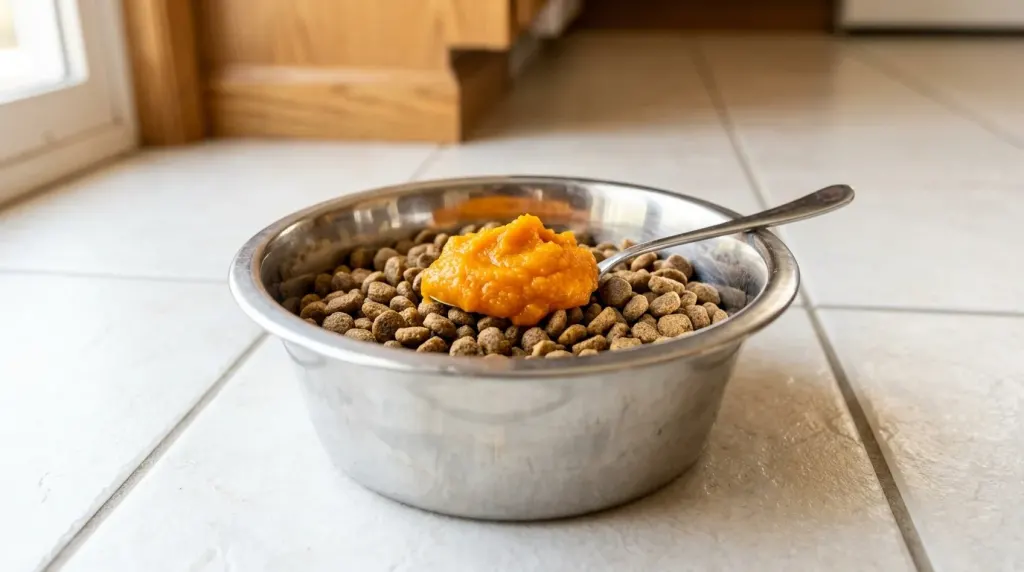
| Dietary Fiber Addition | Soluble and insoluble fiber absorbs water and expands fecal volume | 1 to 2 tablespoons of 100% pure canned pumpkin per meal |
| Allergy Management | Reduces localized tissue swelling and inflammatory duct constriction | Single-source novel protein or hydrolyzed veterinary diet |
| Weight Optimization | Eliminates excess perineal fat cushioning the anal sac walls | Portion control and scheduled calorie monitoring |
| Daily Exercise | Stimulates steady colonic peristalsis and regular stool evacuation | 45 to 60 minutes of daily walking, swimming, or retrieving |
Plain canned pumpkin (not sugary pumpkin pie mix) is one of the simplest home additions. It supplies gentle dietary fiber that bulks and firms stool without upsetting canine digestion. If loose stools persist beyond a few days, consult your veterinarian to evaluate for underlying parasites, food intolerances, or gastrointestinal imbalances.
When to See a Vet Immediately (Red Flags & Complications)
While mild fullness can often be resolved with dietary adjustments or a single veterinary expression, anal gland disorders can progress rapidly through several distinct stages of severity:
- Impaction: Fluid thickens into a dark, pasty mass that blocks the duct opening.
- Sacculitis (Infection): Bacteria proliferate within the trapped secretions, producing severe inflammation, heat, and discomfort.
- Abscess Formation: The infected gland swells into a painful, tense, reddish-purple mass beside the anus.
- Abscess Rupture: Pressure causes the abscess wall to tear open through the skin, releasing bloody, foul-smelling pus.
| Clinical Finding | Severity Level | Immediate Action Required |
|---|---|---|
| Occasional floor scooting; no visible swelling | Mild | Add fiber to diet; monitor bowel movements for 48 hours |
| Persistent rear licking; pungent fishy odor | Moderate | Schedule routine veterinary examination for internal expression |
| Visible firm bulge, intense redness, pain when sitting | High | Prompt veterinary visit within 24 hours for medical treatment |
| Open draining wound, bleeding, purulent discharge | Urgent | Immediate veterinary emergency visit for wound flushing and pain control |
Warning: Never attempt to squeeze swollen, hot, or painful anal glands at home. Applying external pressure to an infected or abscessed sac can cause it to rupture internally into deep pelvic tissues, leading to severe cellulitis. An abscessed gland requires professional veterinary lancing, sterile flushing, systemic antibiotics, and prescription pain relief.
In rare cases of chronic, severe sacculitis where medical therapy fails to provide lasting relief, a veterinary surgeon may recommend an anal sacculectomy. This surgical procedure permanently removes both anal sacs while carefully preserving the surrounding external anal sphincter nerves.
Frequently Asked Questions About Golden Retriever Anal Glands
Can dogs express anal glands on their own?
Yes. Healthy dogs naturally empty their anal sacs during normal bowel movements. The mechanical pressure of firm stool pushing past the anal sphincter compresses the internal sacs and expels the glandular fluid automatically.
How often should a Golden Retriever get their glands expressed?
A healthy Golden Retriever should never have its glands expressed on a routine schedule. Manual expression is only necessary if the dog exhibits clinical signs of impaction, such as scooting or rear licking, or when diagnosed by a veterinarian.
How much does it cost to have a vet express a dog’s anal glands?
A standard veterinary anal gland expression generally costs between $20 and $50. If the dog requires a comprehensive physical examination, diagnostic cytology, antiseptic flushing, or antibiotic medications for an infection, the total clinic cost typically ranges from $80 to $250.
Does it hurt a dog to have their glands expressed?
When performed correctly by a trained professional on mildly full glands, expression causes brief pressure or mild discomfort rather than acute pain. If the glands are inflamed, infected, or abscessed, the procedure is extremely painful and requires veterinary pain management or mild sedation.
How can I tell if my Golden Retriever has an anal gland infection?
Key symptoms of an anal gland infection include pronounced swelling on one or both sides of the anus, reddish or purple skin discoloration, discharge containing blood or yellowish pus, severe pain when attempting to sit, and whining or snapping when the hindquarters are touched.
Leave a Reply