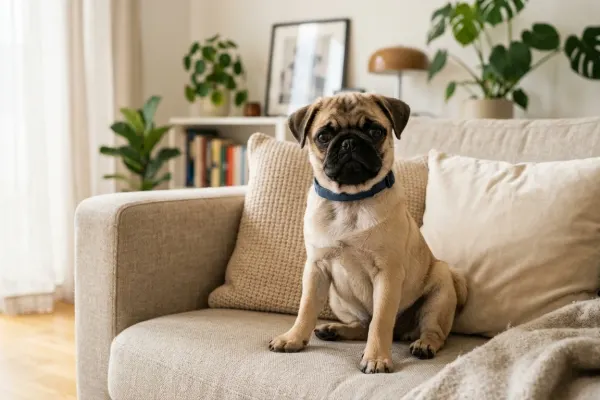
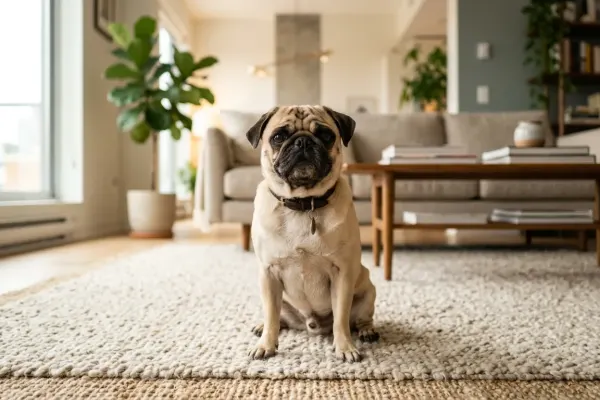
When prospective pet owners ask, "are pugs friendly dogs?", the answer is a clear yes. Pugs are exceptionally friendly, gentle, and affectionate companion dogs. Developed over centuries specifically for human companionship, they form deep bonds with families, show minimal aggression toward strangers, and get along naturally with children and other pets when provided with basic socialization.
August 27, 2026
By ShowDogsWest Editor
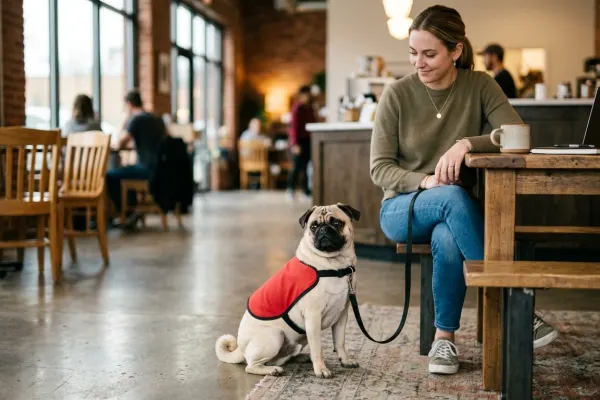
Can pugs be service dogs? Under United States federal law, yes. Title II and Title III of the Americans with Disabilities Act establish that service dog eligibility depends on individualized task training rather than breed or body weight. However, because of their small frame and brachycephalic airway anatomy, pugs cannot perform heavy physical support tasks like wheelchair pulling or balance bracing. They perform best in psychiatric assistance, medical alerting, and light sensory grounding roles.
August 24, 2026
By ShowDogsWest Editor
Typical Pug behavior centers on an affectionate, even-tempered, and playful disposition, reflecting centuries of breeding as dedicated companion animals. Often called "velcro dogs," Pugs thrive on human closeness and adapt exceptionally well to household routines. While inherently gentle and low in aggression, they possess an independent stubborn streak during training and can develop separation anxiety if left alone for extended periods without proper mental enrichment.
August 24, 2026
By ShowDogsWest Editor
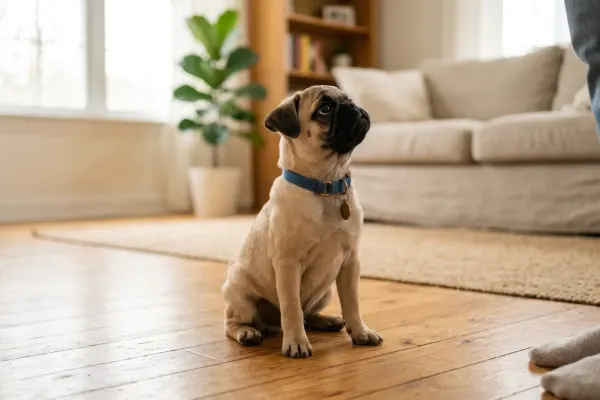
Exactly how much sleep do puppies need depends on age, but young puppies typically require 18 to 20 hours of sleep every 24 hours. Their daily rest is divided between short daytime naps lasting 30 to 120 minutes and longer nighttime stretches. Sleep requirements change as puppies grow, decreasing from 20 to 22 hours in newborn litters to 12 to 14 hours by adulthood. Establishing a structured daily rhythm of feeding, playtime, potty breaks, and crate naps ensures puppies get adequate restorative rest.
August 21, 2026
By ShowDogsWest Editor
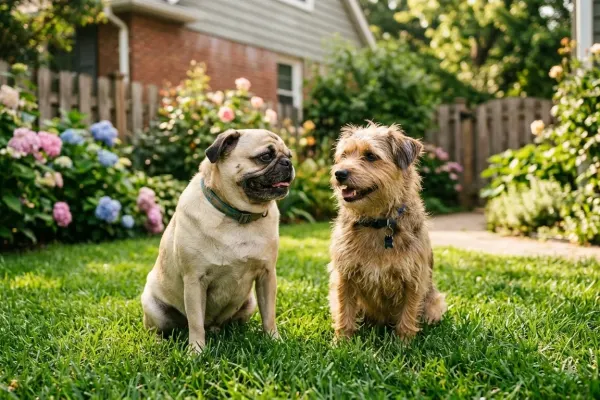
Yes, most Pugs get along exceptionally well with other dogs. When dog owners consider how do Pugs get along with other dogs, breed history explains their friendly disposition: bred for centuries primarily as companion animals, Pugs have low territorial and hunting drives, making them naturally sociable, gentle, and cooperative around other canines. Their success with housemates or new playmates depends on structured puppy socialization, respectful introductions, and matching energy levels to prevent physical fatigue.
August 20, 2026
By ShowDogsWest Editor
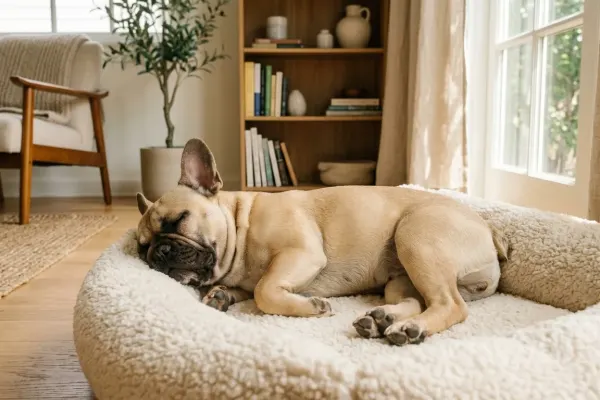
Do French Bulldogs sleep a lot? Yes, adult French Bulldogs sleep between 12 and 14 hours a day on average. Their brachycephalic airway structure requires more physical effort to breathe and regulate body temperature, which leads to quicker fatigue during activity and a natural need for frequent daytime naps.
August 19, 2026
By ShowDogsWest Editor
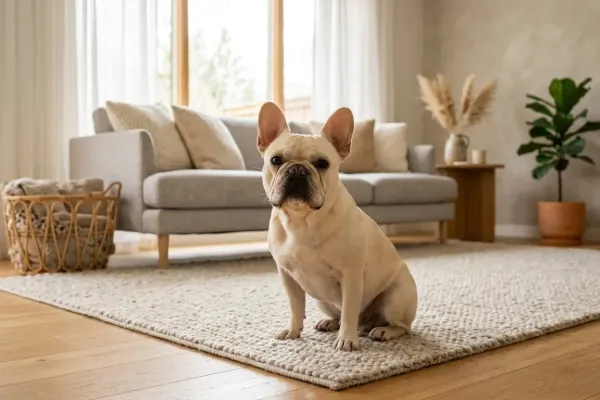
French bulldog behavior is defined by an affectionate, human-oriented, and adaptable personality with moderate energy and low barking tendencies. Bred primarily for companionship, Frenchies thrive on close human contact and interactive indoor play, making them well-suited for household living. While mild clinginess, brief play bursts, and alert barking are standard breed traits, sudden lethargy, unexplained trembling, intense pacing, or avoidance of touch often signal underlying physical pain or respiratory strain rather than behavioral stubbornness.
August 18, 2026
By ShowDogsWest Editor
Rarely do pug dogs bark a lot without a clear trigger. Pugs are generally low-to-moderate barkers, and the American Kennel Club (AKC) breed standard describes them as even-tempered and stable rather than reactive. They rank low to moderate in barking frequency compared to more vocal toy breeds, usually vocalizing only to alert owners of arrivals or communicate a direct need.
August 18, 2026
By ShowDogsWest Editor
Many prospective and current dog owners ask, do French Bulldogs bark a lot? French Bulldogs are widely recognized as relatively low-barking companion dogs that rarely engage in prolonged, unprovoked nuisance barking. However, whether an individual Frenchie barks frequently depends heavily on its early socialization, household routine, environmental triggers, and overall physical health. While they may not vocalize as intensely as high-alert guardian or herding breeds, they will bark when excited, startled, seeking attention, or experiencing distress. Understanding normal vocal habits, distinguishing barks from brachycephalic breathing sounds, and applying reward-based management helps maintain a quiet, well-adjusted household.
August 18, 2026
By ShowDogsWest Editor
Do pug dogs pee when they are excited? Yes, pug puppies frequently leak urine when highly stimulated. Excitement urination is an involuntary physiological reflex where a sudden surge of adrenaline temporarily relaxes immature urethral sphincter muscles. It is not behavioral defiance or a house-training failure. Most young pugs outgrow this reflex as their neuromuscular bladder control matures, provided owners implement low-arousal greeting routines and avoid scolding.
August 17, 2026
By ShowDogsWest Editor