

Table of Contents
When determining when do French Bulldogs go into heat, veterinary consensus indicates that most unspayed females experience their first estrus cycle around six to twelve months of age, though individual pubertal timing can range from six months up to eighteen to twenty-four months. After reaching sexual maturity, an intact female Frenchie typically cycles on a semiannual rhythm, establishing an average interval of approximately six months between cycles. The active visible portion of the cycle (proestrus bleeding followed by estrus fertility) usually spans two to three weeks. Because French Bulldogs are a brachycephalic breed prone to respiratory compromise and overheating, environmental weather heat requires equal vigilance: outdoor activity should not exceed 10 to 15 minutes when temperatures climb above 80 degrees Fahrenheit (27 degrees Celsius).
- Pubertal onset in French Bulldogs typically appears around six to twelve months of age, depending on individual growth rate and adult body weight.
- Healthy intact females cycle on an average semiannual rhythm, roughly every six months, with normal biological intervals ranging from five to eight months.
- The visible active heat phase spans approximately two to three weeks (14 to 21 days) from initial vulvar swelling to the end of receptivity.
- The canine estrous cycle consists of four sequential stages: proestrus, estrus, diestrus, and anestrus.
- Peak fertility occurs during the estrus window, usually between days 9 and 14 of the cycle, corresponding with ovulation 48 hours after the LH surge.
- Unspayed females in heat require strict leash confinement, hygiene diapers, and monitoring for uterine infections like pyometra during diestrus.
- In hot weather, flat-faced French Bulldogs must limit outdoor potty breaks to 10 to 15 minutes to avoid heat exhaustion and respiratory distress.
Understanding the French Bulldog heat cycle
The canine heat cycle, known clinically as the estrous cycle, marks the biological transition of a female dog into reproductive maturity. In female dogs, pubertal onset is regulated by the hypothalamic-pituitary-gonadal endocrine axis. As a young female approaches physical maturity, the hypothalamus initiates pulsatile secretion of gonadotropin-releasing hormone (GnRH). This hormone stimulates the anterior pituitary gland to synthesize and release follicle-stimulating hormone (FSH) and luteinizing hormone (LH), which act directly upon the ovaries to trigger folliculogenesis and estrogen secretion.
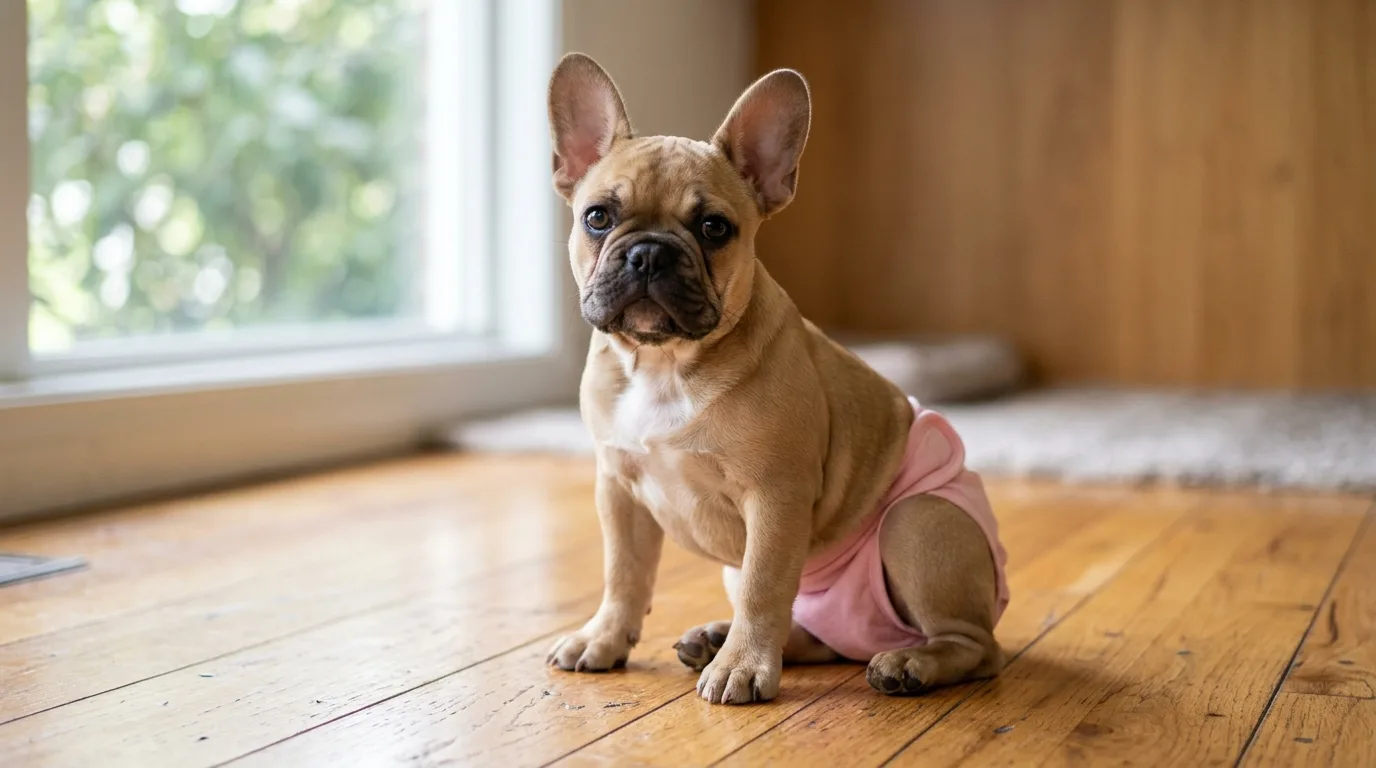
Most female French Bulldogs experience their first heat between 6 and 12 months of age. While small toy breeds sometimes begin cycling as early as 4 to 6 months, French Bulldogs possess a heavier bone density and compact muscular build that aligns their growth rate closer to medium-sized breeds. As described in clinical guides on the physical traits of a French Bulldog, individual developmental rates vary widely. From an endocrine perspective, pubertal onset requires young females to achieve roughly 75 to 80 percent of their expected adult body mass, which corresponds to approximately 16 to 22 pounds (7.3 to 10 kilograms) for a typical adult standard weighing 16 to 28 pounds (7.3 to 12.7 kilograms).
For owners monitoring a growing female puppy, recognizing when do French bulldogs go in heat provides the foundation for responsible husbandry, reproductive tracking, and timely veterinary care. Healthy developmental variance is common. Some females do not show their initial cycle until 14 to 18 months of age, which remains within the normal biological spectrum. If a female displays no signs of estrus by 24 months, veterinary diagnostic evaluation with baseline abdominal ultrasonography and thyroid panels is recommended to assess reproductive tract anatomy and rule out endocrine deficiencies.
Historical breeding selection also shapes how these companion dogs behave during estrus. Originally developed from miniature English bulldogs and French companion stock, as outlined in the history of why French Bulldogs were originally bred, Frenchies are deeply bonded to human handlers. During hormonal shifts, this social orientation often amplifies into heightened attachment, nesting tendencies, or mild restlessness.
| Pubertal Milestone Stage | Typical Age Range | Observable Physical Indicators | Recommended Management Action |
|---|---|---|---|
| Early Onset Window | 6 to 8 Months | Mild vulvar enlargement, faint pink spotting | Introduce hygiene diapers, leash-only outdoor access |
| Standard Primary Window | 8 to 12 Months | Pronounced vulvar swelling, noticeable red discharge | Full separation from intact male dogs |
| Late Normal Variant | 12 to 18 Months | Complete physical signs, clear behavioral nesting | Maintain cycle tracking on a calendar |
| Delayed Threshold | 18 to 24 Months | Variable spotting or potential silent heat | Schedule veterinary evaluation if no cycle occurs |
According to reproductive veterinary data from VCA Animal Hospitals, pubertal onset is influenced by breed size, nutritional plane, body condition score, and genetic lineage. Ensuring your female maintains a healthy body condition score of 4/9 to 5/9 without excessive pediatric weight gain supports balanced endocrine development and predictable cycle onset.
Proestrus and Estrus in French Bulldogs
The active portion of the canine estrous cycle consists of two distinct, sequential phases: proestrus and estrus. Proestrus serves as the preparatory stage of the cycle. During proestrus, which lasts an average of 7 to 10 days (with a broader clinical range of 4 to 14 days), circulating estrogen concentrations rise rapidly, reaching peak serum values between 50 and 100 picograms per milliliter (pg/mL). The vulva becomes noticeably swollen, turgid, and firm to the touch, accompanied by a serosanguinous (bloody) vaginal discharge resulting from diapedesis of red blood cells through expanding endometrial capillary walls.
Intact male dogs will detect female pheromones from substantial distances and display intense interest. However, during proestrus, the female remains non-receptive; she will tuck her tail, sit down, or growl to rebuff any advances. On vaginal cytology, proestrus presents with an abundance of red blood cells alongside non-cornified parabasal and intermediate epithelial cells.
When assessing how long do French bulldogs stay in heat during their active cycle, veterinary clinical records show that the combined outward phases of proestrus and estrus span approximately two to three weeks, or fourteen to twenty-one days. Proestrus lasts roughly 7 to 10 days with vulvar swelling and bloody discharge; estrus lasts 5 to 10 days with fertile receptivity.
On an individual basis, determining how long does a French bulldog stay in heat depends on follicular development and the exact rate at which estrogen drops and progesterone rises. As estrogen levels decline from peak concentrations, the anterior pituitary releases an abrupt surge of luteinizing hormone (LH). This LH surge triggers the onset of estrus (standing heat), which lasts approximately 5 to 10 days (clinical range of 4 to 12 days). During estrus, the vulvar tissue softens, and the discharge transitions from dark red blood to a lighter straw-colored, salmon, or clear fluid. The female becomes actively receptive to mating, standing firm and deflecting her tail to one side (tail flagging or lordosis) when stimulated along her lower back or when approached by a male.
On vaginal cytology, estrus is characterized by more than 80 to 90 percent cornified superficial and anuclear squame cells. In canine reproduction, primary oocytes are ovulated approximately 48 hours after the LH surge and require an additional 48 to 72 hours within the oviduct to mature into secondary oocytes capable of fertilization. For this reason, the peak fertile window occurs between days 9 and 14 of the overall cycle.
Hormonal changes during proestrus and estrus frequently influence gastrointestinal comfort. Elevated estrogen and initial progesterone surges can temporarily slow bowel motility, causing mild tummy sensitivity or excess gas in French Bulldogs. Providing small, easily digestible meals supports stable digestive function throughout this period.
For breeders managing registered stock, precise timing of the estrus window is vital. Because natural breeding can present anatomical challenges in stocky breeds, following structured veterinary protocols for breeding French Bulldogs through serial progesterone blood testing ensures accurate breeding timing and protects maternal welfare. Baseline progesterone remains below 1.0 nanogram per milliliter (ng/mL) in proestrus, rises to 2.0 to 3.0 ng/mL at the LH surge, reaches 4.0 to 10.0 ng/mL during ovulation, and climbs to 10.0 to 20.0 ng/mL during optimal breeding days.
Diestrus and Anestrus in French Bulldogs
Understanding how long are French bulldogs in heat from a clinical perspective requires distinguishing outward physical estrus from internal luteal activity. Following estrus, the reproductive tract enters diestrus, which lasts approximately 60 to 90 days. During diestrus, the ruptured ovarian follicles transform into corpora lutea, producing sustained high concentrations of progesterone (ranging between 15 and 30 ng/mL) regardless of whether the female was bred or remains non-pregnant (open). Vulvar swelling subsides, discharge ceases entirely, and the female firmly rejects male attention.
On vaginal cytology, diestrus is marked by an abrupt influx of non-cornified parabasal cells and polymorphonuclear neutrophils, signaling the end of the fertile mating window within 24 to 48 hours. Because progesterone levels remain elevated for up to two months in both pregnant and non-pregnant females, up to 50 percent of unspayed dogs experience pseudopregnancy (false pregnancy). A female experiencing false pregnancy may display maternal behaviors, nest with toys, or develop enlarged mammary glands with mild milk secretion as progesterone declines and prolactin increases. These signs typically resolve naturally within two to three weeks without medical intervention.
If breeding occurred during estrus, the diestrus phase encompasses the full gestation period. Tracking the calendar closely helps owners understand canine pregnancy length and gestation in French Bulldogs, which lasts approximately 63 days from ovulation (normal range 58 to 68 days). Planning veterinary diagnostics, such as ultrasound at day 28 and radiography at day 55, allows owners to evaluate puppy development and prepare for the expected puppy count in French Bulldog litters, where average litters contain 2 to 4 puppies and elective surgical cesarean deliveries exceed 80 percent due to breed pelvic morphology.
The final stage of the reproductive cycle is anestrus, the period of ovarian quiescence and uterine rest that persists for 2 to 4 months (80 to 120 days) between cycles. During anestrus, serum progesterone drops to baseline levels below 1.0 ng/mL, and the endometrium repairs and regenerates in preparation for the subsequent cycle.
| Estrous Stage | Average Duration | Hormonal Profile | Primary Physical Markers | Fertile Status |
|---|---|---|---|---|
| Proestrus | 7 to 10 Days | High Estrogen (50-100 pg/mL) | Swollen vulva, dark red/bloody discharge | Non-receptive |
| Estrus | 5 to 10 Days | LH Surge, Rising Progesterone (4-10 ng/mL) | Softened vulva, clear/straw-colored fluid | Highly Fertile |
| Diestrus | 60 to 90 Days | High Progesterone (15-30 ng/mL) | Vulva returns to normal, no discharge | Non-receptive |
| Anestrus | 2 to 4 Months | Baseline Hormones (<1.0 ng/mL) | Inactive reproductive tract | Dormant |
Variability and breed-specific considerations
When evaluating how often do French bulldogs go in heat across their adult lives, healthy intact females typically cycle twice each calendar year, averaging one estrous cycle every six months. Determining how often do French bulldogs go into heat requires tracking cycle intervals across consecutive seasons, as normal interestrous intervals range between five and eight months (20 to 32 weeks). Unlike humans who undergo menopause, female dogs cycle throughout their lives, although senior dogs over eight years of age often display extended intervals of eight to twelve months between heats.
Young females during their first two years frequently display irregular intervals before establishing a predictable endocrine rhythm. Several physiological variables contribute to cycle timing and expression:
- Silent Heats: Some French Bulldogs experience subclinical or silent estrus cycles where hormonal ovulation occurs without conspicuous vulvar swelling or bleeding. These dogs remain fully fertile despite the absence of overt visible discharge.
- Split Heats: Common in young pubertal females under 18 to 24 months, a split heat occurs when proestrus begins with mild swelling and spotting, stops abruptly for one to three weeks without ovulation, and then resumes as a complete fertile cycle shortly thereafter.
- Body Conformation and Orthopedics: French Bulldogs possess a compact spine and chondrodystrophic conformation. During active heat, behavioral restlessness, sudden jumping, or rough physical play increases mechanical stress on the spine, posing risks for spinal disc problems and IVDD in French Bulldogs.
- Exercise Adjustments: Moderate physical activity keeps muscles toned, but strenuous workouts should be avoided during the peak of estrus. Reviewing running speed and exercise limits for French Bulldogs helps owners calibrate daily strolls to prevent joint strain.
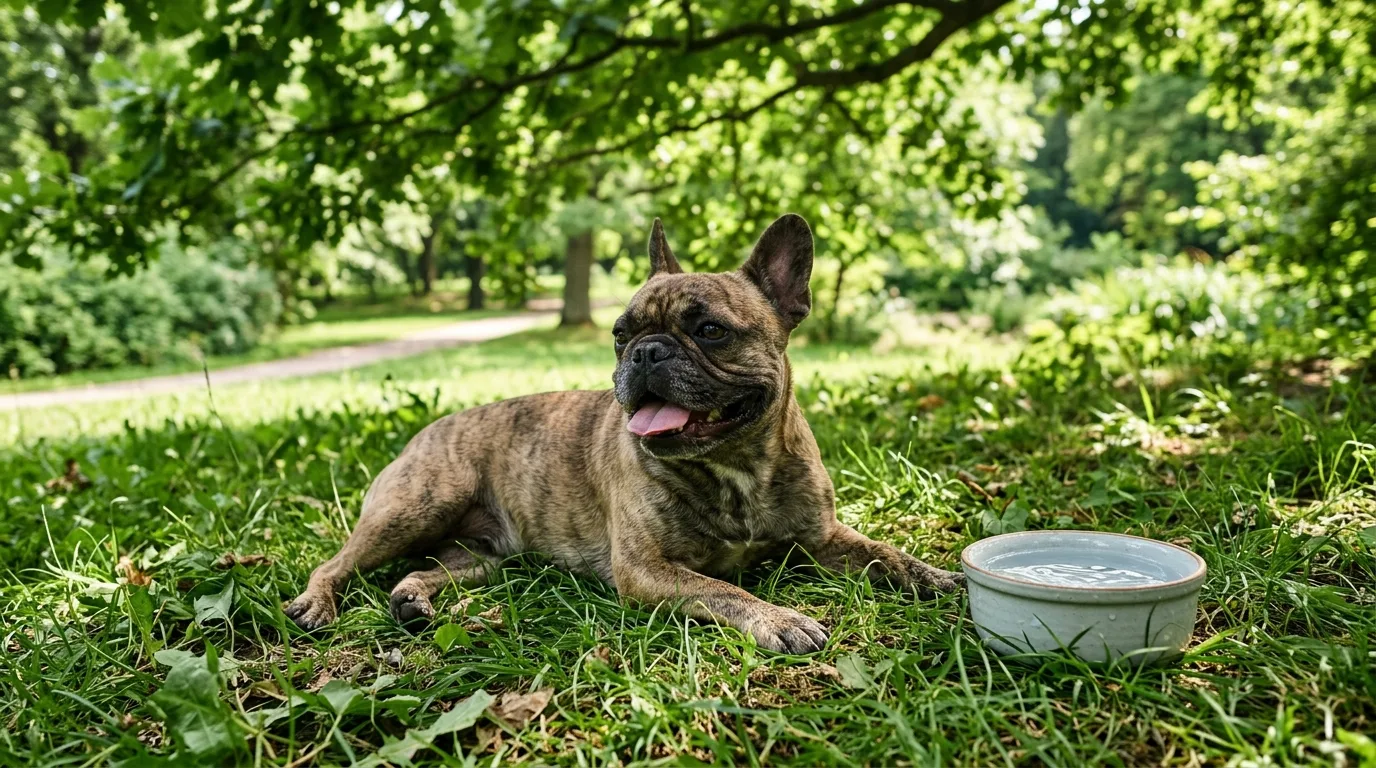
Beyond reproductive estrus, owners must evaluate how long can French bulldogs be outside in the heat during summer months, because the breed’s brachycephalic facial structure severely restricts thermoregulation. French Bulldogs have shortened cranial bones, stenotic nares, elongated soft palates, and narrow windpipes that hinder efficient evaporative heat loss through panting. Because dogs lack extensive sweat glands and rely primarily on respiratory cooling, high ambient heat presents a life-threatening risk of heat exhaustion and heatstroke.
According to peer-reviewed veterinary epidemiological research published in Scientific Reports, brachycephalic dogs face more than six times higher odds of developing heat-related illness compared to mesocephalic breeds. Outdoor activity should not exceed 10 to 15 minutes when temperatures climb above 80 degrees Fahrenheit (27 degrees Celsius). When ambient temperatures exceed 85 to 90 degrees Fahrenheit (29.4 to 32.2 degrees Celsius) or relative humidity exceeds 60 percent, outdoor exposure should be limited strictly to 3 to 5-minute shaded bathroom breaks.
A French Bulldog’s normal baseline body temperature ranges from 101.0 to 102.5 degrees Fahrenheit (38.3 to 39.2 degrees Celsius). A rectal temperature reaching 104.0 degrees Fahrenheit (40.0 degrees Celsius) signifies dangerous heat exhaustion requiring immediate passive cooling with cool water and fans, while temperatures exceeding 106.0 degrees Fahrenheit (41.1 degrees Celsius) constitute acute clinical heatstroke and demand emergency veterinary intervention. Cycle regularity serves as a sensitive indicator of general endocrine health. While mild variation of a few weeks between cycles is biologically normal, inter-estrous intervals shorter than 4 months or longer than 12 months warrant veterinary diagnostics to rule out ovarian cysts, thyroid dysfunction, or persistent uterine inflammation.
Health considerations during heat
Managing an intact female in heat requires diligent hygiene and attentive health monitoring. The primary medical risk associated with the canine estrous cycle is pyometra, a potentially life-threatening bacterial infection of the uterus. According to clinical guidance from the American Animal Hospital Association, pyometra develops most frequently during diestrus, roughly 2 to 8 weeks after the heat cycle concludes, due to prolonged progesterone exposure. Progesterone stimulates endometrial glandular hyperplasia, thickens the uterine wall, reduces myometrial contractions, and inhibits local white blood cell defenses, allowing bacteria (most commonly Escherichia coli) ascending from the vagina to proliferate rapidly inside the uterine lumen.
Veterinary epidemiological studies indicate that approximately 25 percent of all unspayed female dogs develop pyometra by 10 years of age. Signs of open pyometra include foul-smelling, creamy or purulent vaginal discharge, lethargy, fever above 103.0 degrees Fahrenheit (39.4 degrees Celsius), vomiting, and marked polydipsia (excessive water intake exceeding 100 milliliters per kilogram per day). Closed pyometra, where the cervix remains tightly closed, traps pus inside the expanding uterus without visible drainage, causing rapid abdominal distension, severe septic toxemia, hypovolemic shock, and collapse.
Appetite fluctuations are also common during proestrus and estrus due to hormonal nausea. If your female displays mild inappetence or morning bile regurgitation, assessing why a French Bulldog keeps throwing up can help differentiate routine hormonal queasiness from systemic illness. Offering gentle, bland meals such as bland cooked rice for French Bulldogs combined with boiled lean chicken breast in a 2:1 ratio can stimulate appetite and maintain hydration without digestive upset. When encouraging a finicky dog to maintain fluid and nutrient intake, reviewing whether French Bulldogs can eat oranges gives owners safe fruit treat options provided all peels and seeds are removed. Additionally, learning whether French Bulldogs can eat watermelon provides another refreshing, moisture-rich snack option to support hydration as long as seeds and rinds are removed.
Note: Pyometra is an acute veterinary emergency that requires prompt surgical ovariohysterectomy and intensive intravenous fluid therapy. If an unspayed female displays excessive thirst, lethargy, fever, or unusual vaginal discharge in the weeks following a heat cycle, seek immediate emergency veterinary examination.
When to neuter or spay (context for heats)
For pet owners not participating in a structured breeding program, elective spaying (ovariohysterectomy or ovariectomy) permanently prevents estrous cycles, unwanted pregnancies, and uterine disease. Modern veterinary perspectives on the optimal timing for spaying female French Bulldogs balance orthopedic growth with oncological prevention.
Traditional surgical protocols recommended spaying puppies at 5 to 6 months of age, prior to their first estrus cycle. Spaying before the initial heat provides near-complete protection against the development of mammary gland tumors (breast cancer) later in life. Epidemiological data indicates that the risk of developing mammary neoplasia is approximately 0.5 percent when spayed before the first heat, rising to 8.0 percent after one heat, and 26.0 percent after two or more cycles.
However, contemporary veterinary studies accessible via PubMed Central highlight the physiological benefits of allowing growth plates to close naturally. Spaying between 9 and 12 months of age, or after the completion of the first heat cycle, allows sex hormones to support bone density, joint conformation, and normal vulvar development. Estrogen and testosterone signal the closure of long-bone growth plates (physes), such as the distal radial and ulnar plates, which complete ossification between 10 and 14 months. Premature gonadectomy can delay physeal closure, leading to elongated limbs and altered joint angles that may exacerbate orthopedic instability. Allowing one cycle also ensures anatomical maturation of the external vulva, significantly reducing the incidence of recessed vulva and chronic perivulvar dermatitis.
When discussing surgical timelines with your veterinarian, reviewing factors in surgical timing for when to neuter a French Bulldog allows you to establish an individualized plan tailored to your dog’s lifestyle, anatomy, and health history. For families debating whether to breed or spay, understanding whether French Bulldogs can give birth naturally is also essential, as the breed’s narrow birth canal and broad puppy heads frequently require planned surgical delivery.
| Surgical Timing Strategy | Major Clinical Benefits | Primary Management Considerations | Veterinary Consensus Status |
|---|---|---|---|
| Before First Heat (5 to 6 Months) | Maximizes prevention of mammary neoplasia; eliminates any home heat management | Sex hormones removed before full skeletal growth plate closure | Traditional surgical protocol |
| After First Heat (9 to 12 Months) | Enables natural hormonal closure of orthopedic growth plates; reduces recessed vulva risk | Requires managing one active 3-week heat cycle at home | Preferred contemporary standard for medium breeds |
| Mature Adult (After 18 Months) | Full physical maturity established; optimal musculoskeletal density | Cumulative exposure to estrogen increases lifetime mammary tumor risk | Recommended for active show lines or delayed surgical candidates |
Practical timeline and signs to watch
When evaluating how long is a French bulldog in heat on a daily calendar, owners must track three distinct weekly phases spanning twenty-one days, followed by a safety buffer week. A standard active cycle spans approximately 21 days from the first onset of visible swelling to the complete cessation of male attraction.
| Timeline Period | Cycle Phase | Observable Physical Signs | Behavioral Changes & Management Protocol |
|---|---|---|---|
| Week 1 (Days 1 to 7) | Proestrus | Firm vulvar swelling, dark red bloody discharge | Frequent urination, scent marking; fit canine diapers, leash-only outdoor access |
| Week 2 (Days 8 to 14) | Estrus (Peak Fertility) | Softened vulva, fluid turns straw-colored or pink | Tail flagging, receptive posture; strict physical separation from intact male dogs |
| Week 3 (Days 15 to 21) | Transition to Diestrus | Swelling subsides, discharge clears completely | Female rejects males; wash bedding, maintain leashed walking until day 28 |
During Week 1, proestrus begins with visible vulvar enlargement and spotting. Frequent urination disperses pheromones, which intact male dogs can detect up to 1 to 3 miles (1.6 to 4.8 kilometers) away on air currents. Fit well-ventilated canine hygiene diapers indoors, replacing disposable pads every 3 to 4 hours to prevent moisture accumulation and bacterial dermatitis.
During Week 2, the female enters standing heat. Vulvar edema softens and discharge becomes lighter. Because ovulation occurs mid-week, keep the female separated from intact males by at least two secure doors or separate enclosures. Never leave an estrous female unattended in a fenced yard, as male dogs will jump fences or dig beneath barriers to reach a receptive bitch.
During Week 3, the discharge clears and the vulva returns to its baseline dimensions. Although the female begins rejecting males, viable canine spermatozoa can survive inside the female reproductive tract for 5 to 7 days. Therefore, maintain strict leash-only walks and avoid dog parks through Day 28 as a safety buffer.
Maintaining consistent indoor routines during estrus minimizes behavioral anxiety. When female dogs experience heightened urge to mark territories, reinforcing potty training routines for a French Bulldog prevents indoor accidents. Similarly, practicing routine hygiene, such as gentle wipe-downs and cleaning French Bulldog ears, ensures your pet remains comfortable, clean, and free of moisture-associated skin irritations throughout her heat cycle.
Frequently asked questions about French Bulldog heat cycles
How often do French Bulldogs go into heat?
A healthy adult female French Bulldog typically cycles on an average semiannual schedule, establishing an interval of approximately six months between heats. Young females under two years of age frequently display variable intervals before establishing a predictable hormonal rhythm.
How long does a heat last?
The visible active portion of the heat cycle typically spans two to three weeks from initial spotting to the end of receptivity. This duration encompasses the preparatory proestrus bleeding phase followed by the fertile estrus window.
What are signs a French Bulldog is in heat?
Early physical signs include gradual swelling of the vulva and red or pink vaginal discharge. Behavioral indicators include frequent licking of the genital area, increased urination on walks, clingy attachment toward owners, restless pacing, and tail flagging in the presence of other dogs.
Can a French Bulldog be outside in heat?
Female dogs in heat can go outdoors for leashed bathroom breaks in secure areas, but they must never be left unattended or allowed off-leash. Regarding weather temperature, French Bulldogs are brachycephalic and overheat rapidly: limit outdoor exposure to 10 to 15 minutes when temperatures exceed 80 degrees Fahrenheit (27 degrees Celsius).
How to care for a dog in heat?
Care for a female in heat by using well-fitted canine hygiene diapers indoors, changing pads every 3 to 4 hours to prevent moisture irritation. Provide a quiet, comfortable bed, maintain daily gentle cleaning of the vulvar area with unscented pet wipes, offer fresh water, and ensure complete physical separation from intact male dogs.

Leave a Reply