
Table of Contents
If you are asking why does my french bulldog keep throwing up, the issue primarily stems from their brachycephalic (flat-faced) anatomy, which causes them to swallow excess air while eating or breathing. Common non-emergency causes include eating too quickly, an empty stomach buildup of digestive fluid (bilious vomiting syndrome), and mild dietary indiscretion. However, frequent vomiting can also signal underlying health conditions such as megaesophagus, food allergies, gastritis, or emergency obstruction. Observing the timing, texture, and color of the vomit is the key first step to determining whether your dog needs simple feeding adjustments or immediate veterinary intervention.
- Brachycephalic airway syndrome increases air swallowing, triggering frequent regurgitation or vomiting.
- White foam or yellow bile usually indicates an empty stomach and Bilious Vomiting Syndrome, manageable by adjusting feeding schedules.
- Whole, undigested food brought up passively suggests regurgitation from megaesophagus rather than true stomach vomiting.
- Ingestion of toxic items, blood in vomit, swollen abdomen, or vomiting lasting over 24 hours requires emergency veterinary care.
Vomiting vs Regurgitation: Key Differences Explained
Before assessing why your dog is sick, it is essential to distinguish between vomiting and regurgitation. Although owners often use these terms interchangeably, they represent two distinct physiological processes originating from different parts of the digestive tract.
Vomiting is an active, forceful ejection of stomach and upper small intestine contents. It is preceded by signs of nausea, such as lip licking, excessive drooling, pacing, and audible retching. During vomiting, the abdominal muscles contract forcefully to push contents out.
Regurgitation is a passive process where food or fluid that has not yet reached the stomach is brought up from the esophagus. It occurs suddenly without warning, abdominal contraction, or prior nausea. The ejected material is often shaped like a tube and consists of undigested food mixed with mucus.
| Feature | Vomiting | Regurgitation |
|---|---|---|
| Process | Active, forceful abdominal contractions | Passive, effortless ejection |
| Warning Signs | Nausea, drooling, lip licking, retching | None; occurs suddenly |
| Material Ejected | Digested food, yellow bile, clear fluid, or foam | Undigested food, mucus, cylinder-shaped |
| Source | Stomach or upper small intestine | Esophagus |
| Common Causes | Gastritis, toxins, BVS, systemic illness | Megaesophagus, BOAS, esophageal stricture |
Differentiating between these two processes helps your veterinarian pinpoint whether the issue lies in the stomach and intestines or higher up in the esophagus.
Why Brachycephalic Anatomy Makes French Bulldogs Prone to Vomiting
French Bulldogs possess a shortened skull structure known as brachycephaly. This physical trait gives them their characteristic flat face, but it also alters their upper respiratory and digestive anatomy.
Brachycephalic Obstructive Airway Syndrome (BOAS) includes narrowed nostrils (stenotic nares), an elongated soft palate, and an undersized trachea. Because breathing requires greater effort, flat-faced dogs generate negative pressure inside their chest when inhaling. This vacuum effect can pull stomach contents upward into the esophagus, promoting acid reflux and chronic inflammation.
Furthermore, these dogs frequently swallow large amounts of air while breathing hard or eating. This aerophagia causes stomach distension and frequent burping, often bringing up fluid or food along with trapped air. Understanding French Bulldog breed characteristics shows how their physical build directly influences their susceptibility to digestive sensitivity compared to longer-muzzled dogs.
Respiratory effort and gastrointestinal distress are closely connected in flat-faced breeds. Severe panting or excitement often leads to fluid accumulation and nausea. In addition, excessive drooling in French Bulldogs often precedes vomiting episodes when nausea kicks in.
Throwing Up White Foam: Bilious Vomiting Syndrome and Empty Stomach
When wondering why my French Bulldog is throwing up white foam or yellow liquid, especially early in the morning before breakfast, the underlying cause is often Bilious Vomiting Syndrome (BVS). BVS occurs when bile, a digestive fluid produced by the liver and stored in the gallbladder, leaks backward from the duodenum (upper small intestine) into the stomach chamber. When a dog’s stomach remains empty for a long period, such as overnight, accumulated bile irritates the stomach lining. This irritation triggers reverse peristalsis, causing the dog to vomit bile mixed with air and gastric mucus, which creates a frothy white or yellow foam. According to the American Kennel Club (AKC) veterinary health guidelines, Bilious Vomiting Syndrome typically responds well to dietary timing adjustments rather than intensive medication. Feeding a small, low-fat snack right before bedtime prevents the stomach from remaining completely empty overnight, neutralizing gastrointestinal acidity.
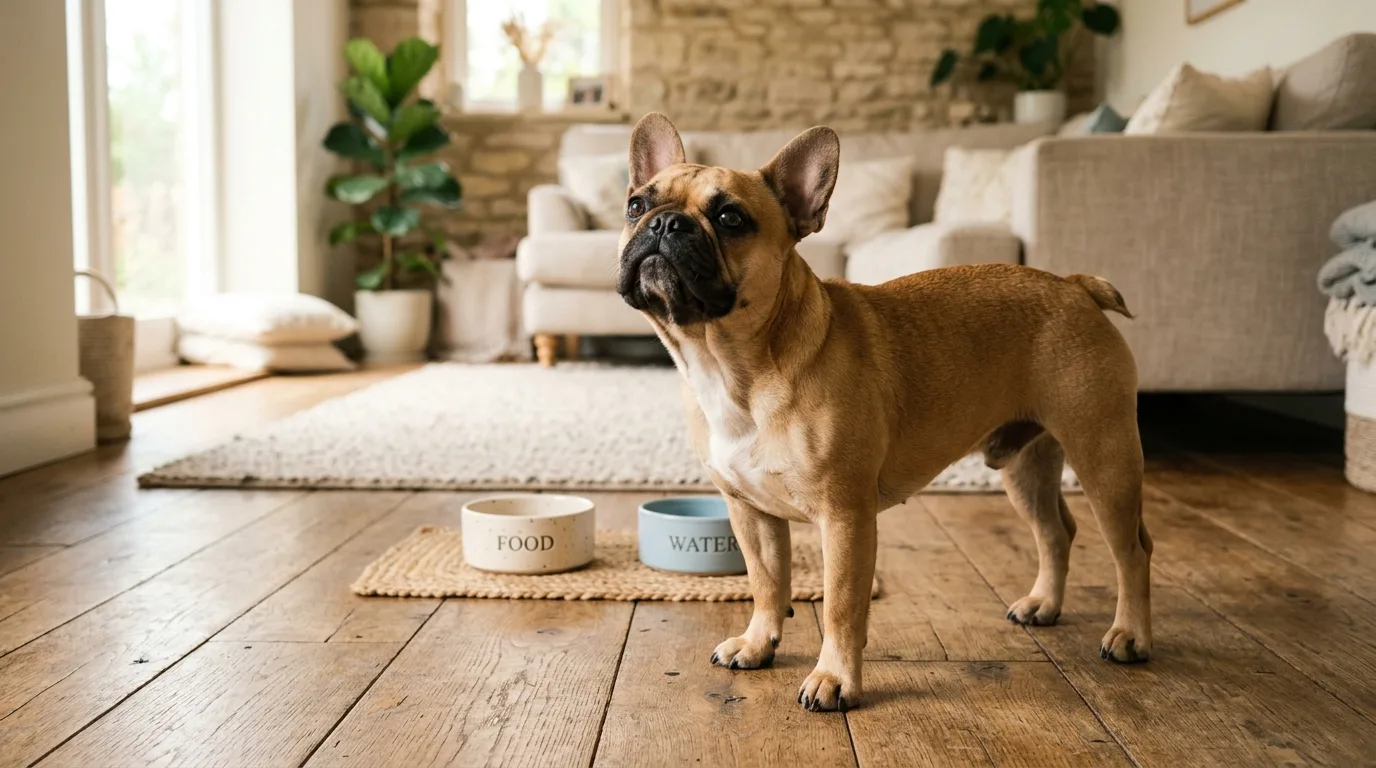
If your Frenchie vomits white foam occasionally without lethargy or loss of appetite, simple home management steps usually help:
- Divide daily food portions into three or four smaller meals throughout the day.
- Provide a light, easily digestible treat (such as a plain spoonful of canned pumpkin or a small kibble portion) late at night.
- Ensure constant access to fresh water, but prevent rapid gulping immediately after exercise.
Stress and excitement can also trigger bile buildup. For instance, addressing separation anxiety and clingy behavior in Frenchies helps lower stress levels that can exacerbate stomach acid production.
Throwing Up Undigested Food: Megaesophagus and Esophageal Disorders
If you are trying to understand why my French Bulldog is throwing up undigested food shortly after meals, the explanation often lies within the esophageal tract. In many cases, bringing up whole, unchanged kibble is caused by regurgitation rather than true stomach vomiting, with esophageal motility issues being the primary suspicion. Megaesophagus is a condition where the esophagus loses muscular tone, dilates, and fails to propel food downward into the stomach. Food pools in the esophageal pouch until gravity or excess volume forces it back up. Flat-faced breeds can inherit congenital megaesophagus or develop it secondary to nerve disorders, myasthenia gravis, or chronic BOAS inflammation.
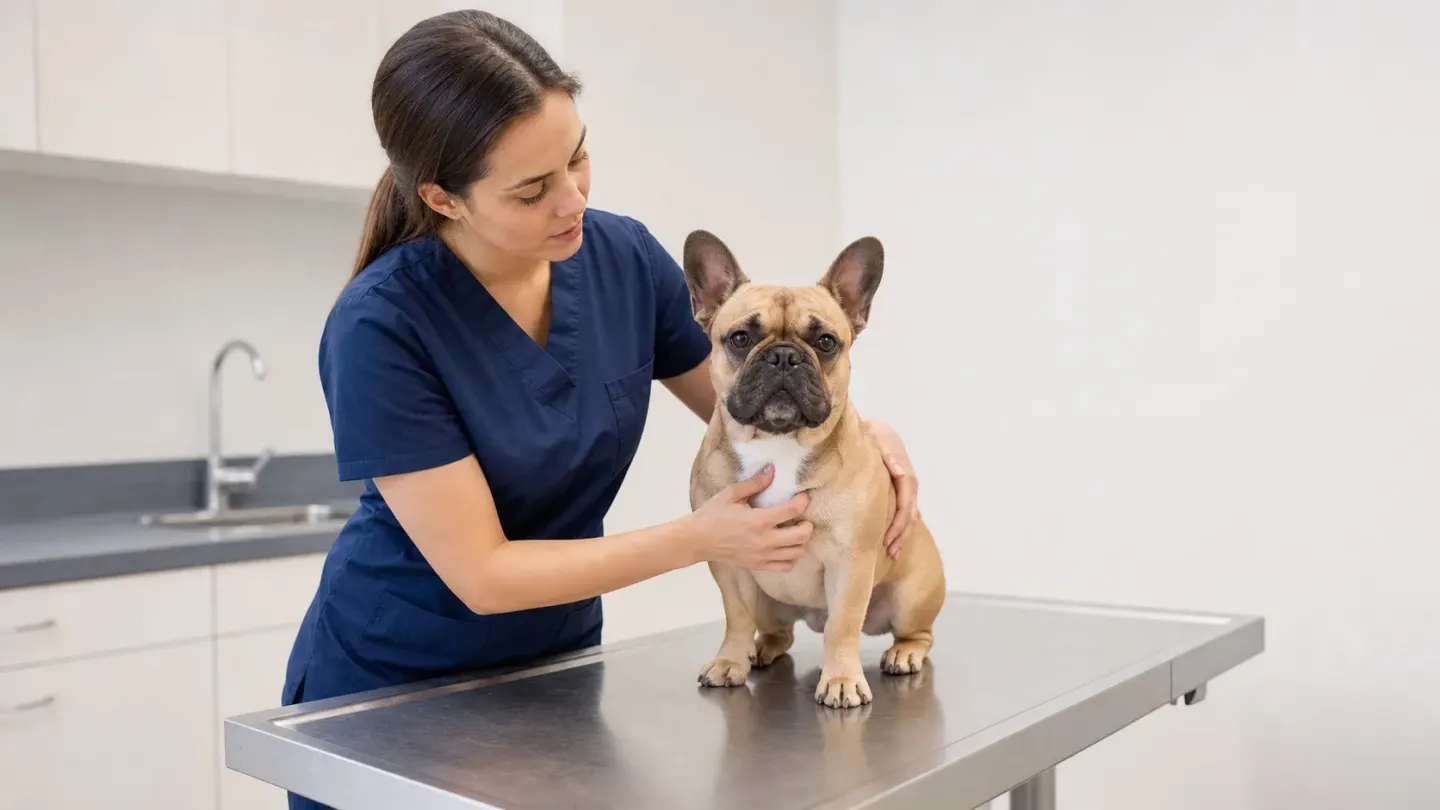
Note: Regurgitation caused by megaesophagus carries a serious risk of aspiration pneumonia, which occurs when ejected food or fluid enters the lungs. Immediate veterinary diagnosis via chest X-rays is necessary to evaluate esophageal width and lung clarity.
Management of megaesophagus involves feeding strategies designed to let gravity assist swallowing:
- Use an elevated feeding station or a specialized Bailey Chair that holds the dog in an upright vertical position during meals.
- Keep the dog in an upright posture for 20 to 30 minutes after eating.
- Offer soft, slurry-textured meals or meatballs rather than dry kibble, depending on veterinary recommendation.
During recovery from esophageal irritation, feeding a soft, gentle meal such as a plain boiled chicken diet for French Bulldogs helps reduce GI strain. Once your dog stabilizes, introducing small portions of bland fruits like feeding apples safely to French Bulldogs (peeled and cored) can offer safe hydration and fiber.
Dietary Causes: Fast Eating, Food Allergies, and Diet Swaps
Dietary factors represent one of the most manageable categories of digestive issues in flat-faced dogs. Their enthusiastic eating habits combined with sensitive stomachs make them vulnerable to simple dietary mistakes.
Rapid Eating and Aerophagia
Fast-eating pets often devour meals in seconds. Rapid eating causes them to swallow whole kibble pieces along with large volumes of air. The sudden expansion of dry food in the stomach, paired with trapped air, triggers a quick regurgitation response shortly after leaving the bowl. Slow-feeder bowls or puzzle feeders effectively slow down consumption and reduce swallowed air.
Sudden Food Transitions
Switching dog food brands or flavors abruptly disrupts the gut microbiome and irritates the gastric mucosa. Any diet change should occur gradually over 7 to 10 days by slowly blending increasing proportions of new food into the old diet.
Food Intolerances and Toxic Foods
These dogs are notoriously prone to cutaneous and gastrointestinal food allergies. Protein sources such as beef or dairy products, as well as artificial additives, can cause chronic low-grade stomach inflammation leading to periodic vomiting and loose stool.
Furthermore, ingestion of toxic household foods causes acute gastrointestinal distress. For example, understanding cherry poisoning symptoms in French Bulldogs is vital because cherry pits contain cyanide and present physical blockage hazards. While moderate fruit treats can be nutritious, checking proper serving limits such as safe banana portions for French Bulldogs prevents digestive upset from excessive sugars or fiber.
Chronic Digestive Issues: Gastritis, IBD, and Parasites
When vomiting becomes a chronic weekly or monthly occurrence, underlying inflammatory or infectious diseases of the gastrointestinal tract must be investigated.
Acute and Chronic Gastritis
Gastritis refers to inflammation of the stomach lining. Acute gastritis often stems from dietary indiscretion, such as eating garbage, spoiled food, or non-food items. Chronic gastritis involves persistent mucosal inflammation that requires medical treatment with gastroprotectants or acid suppressants under veterinary direction.
Inflammatory Bowel Disease (IBD)
IBD involves chronic invasion of inflammatory cells into the walls of the stomach or intestines. Affected dogs suffer from recurrent vomiting, chronic diarrhea, weight loss, and poor coat quality. Diagnosis requires blood tests, elimination diets, and intestinal biopsies.
Intestinal Parasites and Bacterial Infections
Parasites such as Giardia, roundworms, and hookworms infect the intestinal tract, causing vomiting, gas, and weight loss. Stool testing by a veterinarian identifies parasites so targeted deworming medications can be prescribed.
Food sensitivities play a major role in chronic gut inflammation. For example, dairy products can cause severe reactions; understanding dairy sensitivity and cheese for French Bulldogs helps prevent accidental inflammatory triggers. Providing antioxidants through safe fruits like serving blueberries safely to Frenchies supports general immune health without overloading stomach capacity.
Emergency Warning Signs: When Vomiting Is Dangerous
While an occasional isolated vomit after eating too fast is rarely dangerous, certain symptoms indicate a life-threatening veterinary emergency.
Gastric Dilatation-Volvulus (GDV / Bloat)
GDV occurs when the stomach fills with gas and twists on its axis. Although more common in deep-chested breeds, flat-faced dogs can suffer from bloat. Symptoms include unproductive retching (trying to vomit but bringing up nothing), a hard distended abdomen, extreme restlessness, and collapse. GDV is fatal within hours without immediate emergency surgery.
Gastrointestinal Obstruction
Curious chewers may swallow small toys, socks, stones, or bones. A foreign body stuck in the stomach or intestine blocks food passage, leading to repeated, violent vomiting, severe pain, and dehydration.
Toxins and Poisoning
Ingestion of rodenticides, human medications, chocolate, grapes, or toxic plants causes acute organ failure accompanied by severe vomiting.
Seek immediate emergency veterinary care if you observe any of the following critical red flags:
- Unproductive retching or attempts to vomit with no material brought up
- Swollen, rigid, or painful abdomen
- Vomit containing dark red blood or coffee-ground-like digested blood
- Inability to keep water down for more than 12 hours
- Extreme lethargy, weakness, pale gums, or collapse
- Concurrent severe bloody diarrhea
Home Care and When to See a Veterinarian
For mild cases of vomiting, where your dog remains bright, alert, active, and exhibits no emergency warning signs, temporary home care can help soothe the stomach.
Step 1: Controlled Fasting
Withhold food for 6 to 12 hours to give the stomach lining time to rest and recover. Never restrict water completely, but limit access to small licks of water or ice cubes every hour to prevent gulping. Note: Puppies under six months should not be fasted without veterinary guidance due to hypoglycemia risks.
Step 2: Introduce a Bland Diet
If no vomiting occurs during the fast, introduce small portions of a cooked, low-fat bland diet. A classic mixture consists of 2 parts plain boiled white rice combined with 1 part skinless, boneless boiled chicken breast. Offer 1 to 2 tablespoons every 3 to 4 hours.
Step 3: Gradual Transition Back
If your pet tolerates the bland diet for 24 to 48 hours without vomiting, slowly reintroduce their regular food over 3 to 4 days.
During dietary recovery, avoid risky foods. For instance, being aware of avocado safety risks for French Bulldogs ensures you do not inadvertently introduce high-fat foods that trigger pancreatitis. Knowing whether suitability of French Bulldogs as family pets aligns with your household environment helps maintain a low-stress routine that supports overall canine digestive wellness.
Contact your veterinarian if home care does not stop the vomiting within 24 hours, or if your dog experiences recurring episodes every few days.
FAQs
Is it normal for French Bulldogs to throw up after eating?
No. While flat-faced breeds regurgitate more frequently than longer-muzzled dogs due to air swallowing, regular vomiting after meals is not normal. It indicates rapid eating, food intolerance, BOAS pressure, or esophageal disorders that require dietary adjustments or veterinary review.
Why does my French Bulldog throw up yellow bile in the morning?
Yellow bile vomiting in the morning is typically caused by Bilious Vomiting Syndrome (BVS). An empty stomach overnight causes bile reflux into the stomach chamber. Feeding a small snack before bedtime neutralizes acid buildup and usually resolves morning bile vomiting.
How can I tell if my Frenchie is vomiting or regurgitating?
Vomiting involves active abdominal contractions, nausea, drooling, and retching before fluid or digested food comes up. Regurgitation is passive and sudden, spilling undigested food or tube-shaped mucus without abdominal effort or prior warning signs.
Should I take my French Bulldog to the vet after vomiting once?
If your dog vomited once, appears happy, energetic, and drinks water normally without repeating the episode, immediate vet care is usually unnecessary. However, if vomiting repeats within 24 hours, or is accompanied by lethargy, fever, pain, or blood, contact your veterinarian promptly.


Leave a Reply