
Table of Contents
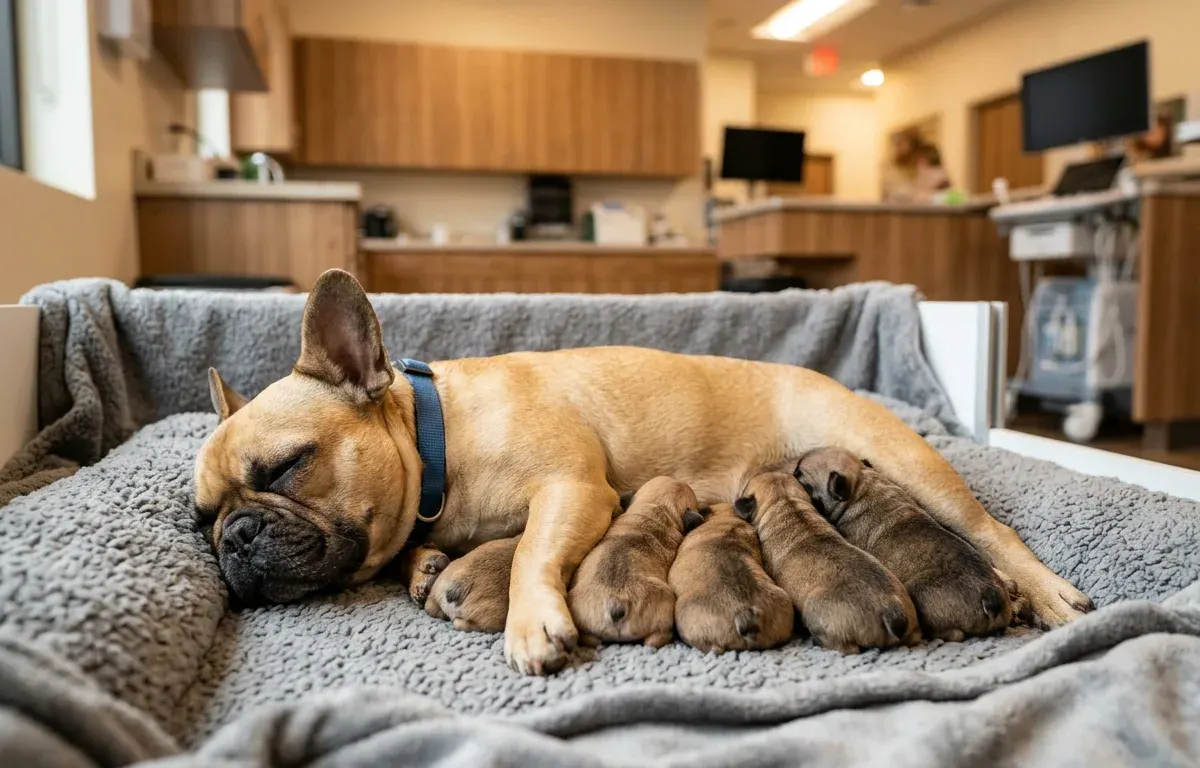
While a female can theoretically deliver puppies under rare, optimal circumstances, natural whelping is uncommonly successful in this breed with consistent safety. Veterinary research demonstrates that over 80% of French Bulldog litters are delivered via C-section due to anatomical constraints, specifically the puppies' large heads and broad shoulders relative to the mother's narrow pelvic canal. Attempting unassisted natural birth carries severe risks of birth complications for both the dam and her offspring.
- Natural whelping occurs in less than 20% of French Bulldog births because selective breeding has created a mismatch between puppy head size and maternal pelvic width.
- Natural mating is equally difficult for the breed due to short bodies and narrow hips, leading many breeders to rely on artificial insemination.
- Veterinary intervention, often through a planned cesarean section, is standard care to prevent life-threatening dystocia.
Can French Bulldogs Give Birth Naturally?
Biological capability differs significantly from safety when asking whether French Bulldogs can give birth without medical intervention. Theoretically, a female Frenchie can deliver puppies naturally if the litter size is small, puppy head diameters remain modest, and uterine contractions proceed without exhaustion. However, veterinary clinical records confirm that natural delivery remains a rare exception rather than the norm for this breed.
In domestic canine reproduction, most dog breeds whelp unassisted. By contrast, expectant mothers of brachycephalic breeds frequently experience dystocia, defined as difficult or obstructed labor. When considering the suitability of French Bulldogs as family pets, prospective owners and breeders must understand that female Frenchies rarely complete whelping without professional veterinary oversight. Attempting a home birth without a vet on standby exposes the pregnant female to uterine rupture, puppy asphyxiation, and maternal mortality.
Why Physical Structure Makes Natural Birth Difficult
The primary reason French Bulldogs struggle during natural labor lies in their selective breeding standards. Over decades, breeders selected for distinct physical traits: a large, square head, broad chest, heavy bone structure, and compact body. These features create a severe anatomical disparity between the neonate and the mother’s reproductive tract.
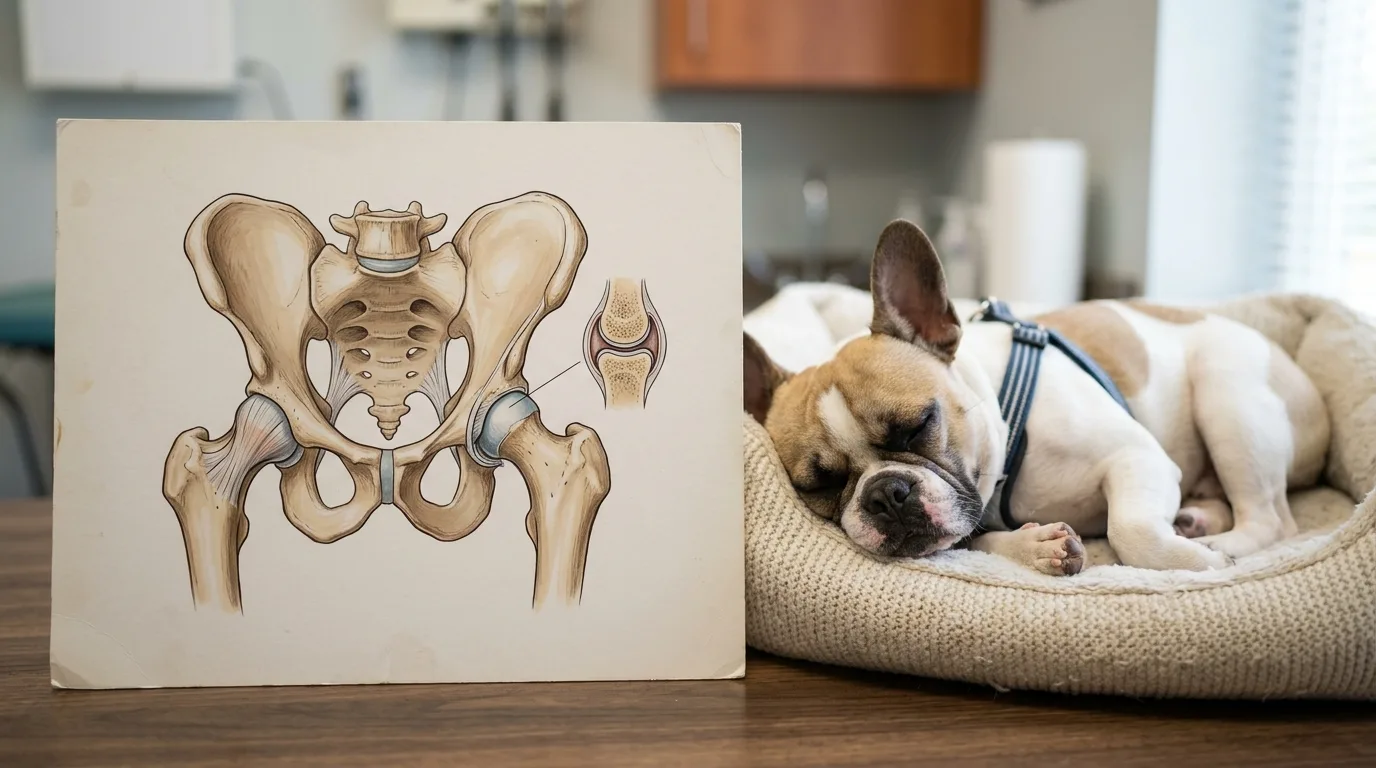
During canine parturition, each fetus must pass through the maternal pelvic canal. In French Bulldogs, the head and shoulder circumference of a newborn puppy is often wider than the internal diameter of the mother’s pelvis. This mechanical incompatibility leads to physical blockage during Stage 2 labor.
Furthermore, overall body proportions play a direct role. As analyzed in evaluations of the adult size and body proportions of French Bulldogs, their shortened spine and compact torso reduce abdominal space, limiting uterine movement and muscular force during contractions. Combined with flat facial profiles that impair efficient respiration under physical stress, pregnant females exhaust quickly during prolonged labor.
Can French Bulldogs Mate and Breed Naturally?
Reproductive challenges in this breed begin well before delivery. Prospective breeders often question whether natural mating and conception are possible without artificial assistance. Due to their physical build, unassisted copulation presents substantial mechanical hurdles.
Male French Bulldogs typically possess heavy forequarters, short limbs, and narrow hindquarters. This distribution of body mass makes mounting and maintaining balance during copulation exceptionally difficult. Additionally, female Frenchies have narrow hips and deep pelvic angles, making natural ties challenging to achieve without distress or spinal strain. According to veterinary reproductive specialists, physical limitations during mating directly correlate with birth complications. When male and female anatomy prevents natural copulation, artificial insemination becomes the primary breeding method, ensuring safe reproduction without physical injury to either animal.
Because natural mating frequently fails or causes undue exhaustion, ethical breeders routinely use artificial insemination (AI) administered by a licensed veterinarian. This process protects both animals from physical trauma while ensuring precise breeding timelines.
C-Section Rates and Risks in French Bulldogs
To quantify how frequently French Bulldogs require surgical intervention, researchers have conducted extensive health surveys across purebred dog populations. The statistical evidence overwhelmingly supports planned surgical delivery over natural whelping.
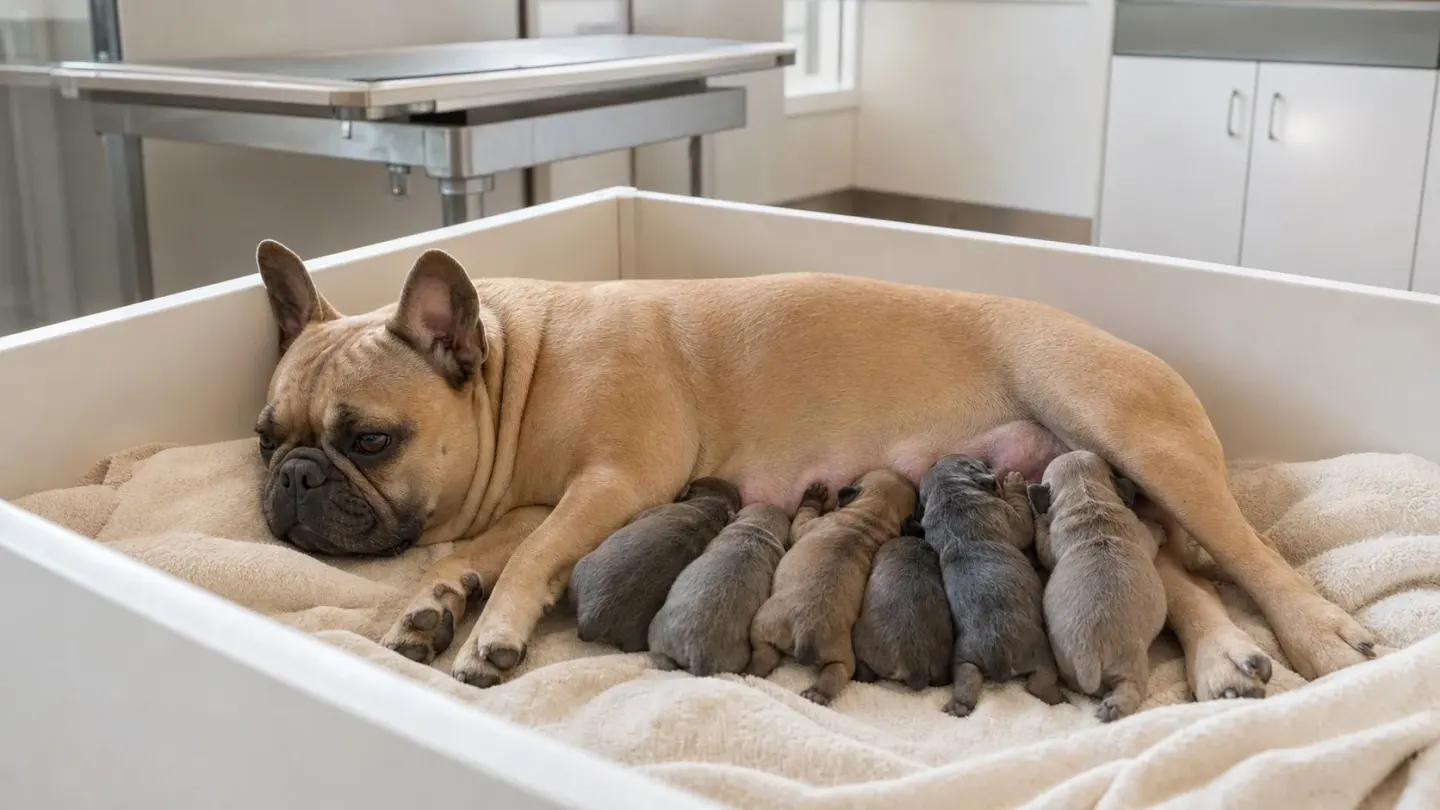
In a landmark survey of purebred dog reproduction published in the Journal of Small Animal Practice and archived on PubMed, researchers Evans and Adams evaluated 13,141 bitches across 22,005 litters in the United Kingdom. The study revealed that French Bulldogs ranked among the top breeds for cesarean delivery, with over 80% of surveyed litters delivered by C-section.
Note: According to epidemiological data from the Royal Veterinary College (RVC) VetCompass team led by Dr. Dan O’Neill, French Bulldogs face significantly elevated odds of dystocia compared to crossbred dogs. Veterinary experts emphasize that elective C-sections performed before emergency labor starts yield the highest survival rates for both dam and neonates.
These reproductive risks do not exist in isolation. As documented in studies on breathing difficulties characteristic of brachycephalic breeds, respiratory impairment increases surgical and anesthetic risks during emergency procedures. Consequently, veterinary clinicians strongly advise scheduling elective C-sections around day 63 of gestation rather than waiting for emergency labor to unfold.
Do French Bulldogs Need C-Sections?
While an individual French Bulldog may occasionally deliver a puppy naturally, veterinary consensus regards scheduled C-sections as the safest standard of care. Elective surgery avoids prolonged labor contractions, reduces maternal oxygen depletion, and minimizes puppy loss from prolonged canal impaction.
Signs of Labor to Monitor in Pregnant Frenchies
For owners managing a pregnant French Bulldog, recognizing early signs of parturition is critical for timely veterinary intervention. Stage 1 labor typically starts 12 to 24 hours before delivery.
Key indicators that labor has started include:
- A drop in rectal temperature below 99 degrees Fahrenheit (37.2 degrees Celsius), measured consistently twice daily near the end of gestation.
- Restlessness, nesting behavior, and digging at bedding.
- Loss of appetite and shivering or heavy panting.
- Clear or pale mucus discharge from the vulva.
When to Call an Emergency Vet
Because French Bulldogs are at extreme risk for birth obstructions, immediate veterinary assistance is mandatory if any of the following emergency signs occur:
- Strong abdominal contractions continuing for more than 30 minutes without producing a puppy.
- More than two hours passing between the delivery of puppies when more fetuses remain inside.
- Greenish or dark discharge appearing before the first puppy is born, signaling placental separation.
- The mother showing severe lethargy, muscle tremors, or collapse.
Summary of French Bulldog Reproduction
Understanding the biological realities of French Bulldog reproduction is essential for responsible dog ownership. While a rare female Frenchie may deliver naturally without complications, the physical realities of brachycephalic anatomy make natural whelping highly risky.
Planning for professional veterinary care, understanding the learning capabilities and intelligence ranking of French Bulldogs during maternal care, and consulting health guidance from the American Kennel Club help ensure maternal safety. For detailed insights on overall breed care, explore the general characteristics and temperament of the French Bulldog breed. Always coordinate closely with a licensed veterinarian specializing in canine reproduction when managing a pregnant French Bulldog.
Can a French Bulldog give birth naturally without any risk?
No. Every natural birth attempt in French Bulldogs carries inherent risk due to the breed’s narrow pelvic anatomy and large puppy head sizes. Even if a female delivers one puppy naturally, subsequent puppies may become lodged in the birth canal, requiring emergency surgery.
Can French Bulldogs mate without human assistance?
While unassisted copulation occasionally occurs, most dogs of this breed cannot mate naturally due to short limbs, heavy chests, and narrow hips. Breeders commonly use veterinary-supervised artificial insemination to prevent physical strain and injury.
Why do French Bulldogs need C-sections so frequently?
French Bulldogs require C-sections primarily because of fetopelvic disproportion. Selective breeding for broad heads and compact bodies causes newborn puppies to be anatomically too large to pass safely through the dam’s pelvic canal.


Leave a Reply