Many pet owners wonder why do French Bulldogs fart so much. French Bulldogs fart frequently due to a combination of brachycephalic facial anatomy causing chronic air swallowing (aerophagia), a sensitive gastrointestinal tract, and diet or lifestyle triggers. While mild flatulence is normal for flat-faced breeds, excessive, painful, or sudden gas accompanied by vomiting or diarrhea requires veterinary evaluation.
- Brachycephalic anatomy causes Frenchies to swallow excess air while breathing and eating, leading to increased intestinal gas.
- High-fiber vegetables, dairy, soy, and sudden food transitions trigger bacterial fermentation and severe flatulence.
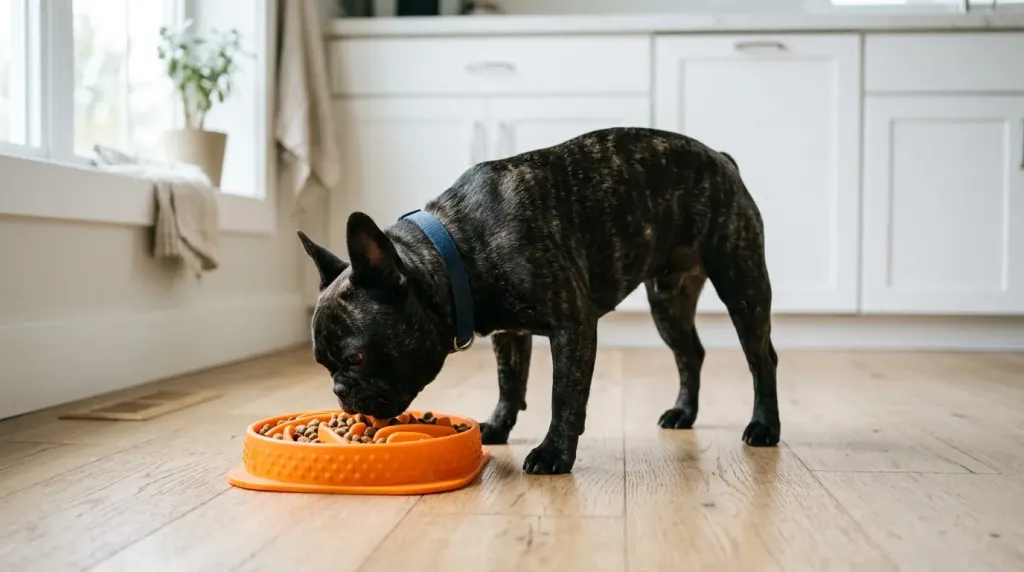
- Slow-feeder bowls and portion control reduce air gulping during meals.
- Regular, moderate daily movement aids intestinal motility and prevents trapped gas.
- Gas paired with vomiting, diarrhea, abdominal pain, or weight loss indicates potential gastrointestinal disease or BOAS-related complications.
Do French Bulldogs Really Fart More Than Other Dogs?
French Bulldog owners often joke about their pet’s uncanny ability to clear a room. Clinical observations confirm that flatulence is noticeably more frequent and pungent in French Bulldogs compared to standard-muzzled breeds.
Canine flatulence occurs when gas accumulates in the stomach and intestines. This gas originates from two main sources: swallowed atmospheric air and gaseous byproducts produced by gut bacteria during food fermentation. While all dogs produce intestinal gas, French Bulldogs experience higher volumes because of their specialized physical structure and digestive sensitivity.
Understanding your dog’s overall physical build helps contextualize these digestive quirks. Reviewing standard French Bulldog breed characteristics and care provides valuable insight into how their compact body frame influences daily wellness.
Normal Flatulence Levels vs. Excessive Gas
Every dog passes gas occasionally, especially after eating or during energetic movement. For a healthy French Bulldog, passing mild, odor-controlled gas a few times throughout the day is within expected biological limits.
Flatulence becomes excessive when it occurs constantly after every meal, produces an unusually foul sulfurous odor, or causes visible discomfort such as restlessness or abdominal bloating. Monitoring your dog’s body condition alongside a French Bulldog adult weight and growth chart ensures that excess body weight is not compounding digestive strain.
When French Bulldog Gas Signals a Broader Problem
Gas is rarely an isolated issue when an underlying medical condition is present. If your French Bulldog passes gas while exhibiting signs of distress, it is time to look closer at their health.
Key warning signs that accompany unhealthy gas include:
- Frequent vomiting or regurgitation of undigested food
- Loose stools, watery diarrhea, or blood in the stool
- Visible abdominal distension or pain when touched
- Lethargy, refusal to eat, or unexplained weight loss
- Labored breathing, blue-tinged gums, or heavy panting
Anatomy and Physiology: Why Frenchies Are Prone to Gas
The primary reason French Bulldogs are so gassy lies in their unique anatomy. As a brachycephalic (flat-faced) breed, selective breeding for a shortened facial skull created a compact airway system within a shortened nose and jaw.
According to veterinary research from the Royal Veterinary College (RVC), flat-faced dogs experience increased upper airway resistance. This resistance forces them to exert greater respiratory effort, causing them to swallow atmospheric air continuously while breathing, drinking, and eating. This process, known medically as aerophagia, introduces large volumes of air directly into the stomach.
When a dog suffers from severe respiratory obstruction, the digestive tract frequently suffers as well. Owners seeking detailed information on upper respiratory health can read about French Bulldog breathing problems and BOAS surgery to understand how airway corrections improve overall quality of life.
Brachycephalic Anatomy and Air Swallowing (Aerophagia)
When a French Bulldog inhales, narrow nostrils (stenotic nares) and an elongated soft palate obstruct airflow. To compensate, the dog pants or gasps, inadvertently forcing air down the esophagus instead of the trachea.
Gas trapped in the stomach must escape through burping or pass through the small and large intestines, exiting as flatulence. Because swallowed air consists mostly of nitrogen and oxygen, aerophagia gas is often less foul-smelling than bacterial fermentation gas, but it creates significant volume and abdominal tension. Clinical studies conducted by the Cambridge BOAS Research Group revealed that up to 93% of French Bulldogs evaluated for severe respiratory obstruction also exhibited gastrointestinal signs such as regurgitation and flatulence. Correcting airway blockages surgically often leads to a marked reduction in digestive distress.
Sensitive Gastrointestinal Tract and Common Digestive Disorders
In addition to airway challenges, French Bulldogs have a high genetic predisposition to gastrointestinal sensitivity. Their digestive lining reacts strongly to dietary changes and microbial imbalances.
Common GI disorders in Frenchies that exacerbate gas include:
- Inflammatory Bowel Disease (IBD): Chronic inflammation of the intestinal lining that impairs nutrient absorption.
- Hiatal Hernia: A condition where part of the stomach slides into the chest cavity due to high negative pressure from strained breathing.
- Exocrine Pancreatic Insufficiency (EPI): Inadequate production of digestive enzymes, leading to unabsorbed food fermenting in the colon.
Considering these health factors is vital when evaluating your lifestyle. Prospective owners often ask Are French Bulldogs Good Pets? to weigh their affectionate temperament against the attentiveness required for their healthcare.
Diet-Related Causes of Excessive Gas in French Bulldogs
While anatomy sets the baseline for gas production, diet is the single largest trigger for severe, foul-smelling flatulence. What goes into your Frenchie’s bowl directly dictates the microbial activity in their colon.

When undigested carbohydrates, complex proteins, or excessive fibers reach the large intestine, resident bacteria ferment them. This fermentation process produces volatile fatty acids alongside odorous gases like hydrogen sulfide.
Ingredients and Food Types That Commonly Trigger Gas
Certain commercial dog food ingredients are notorious for fueling bacterial fermentation. Lower-quality kibbles often rely on cheap fillers that French Bulldogs struggle to break down efficiently.
Primary dietary triggers for gas include:
- Legumes and Beans: Peas, lentils, soybeans, and navy beans contain oligosaccharides that dogs cannot digest without bacterial help.
- Cruciferous Vegetables: Broccoli, cabbage, and cauliflower contain high levels of sulfur and complex fibers.
- Dairy Products: Whole milk, ice cream, and unfermented cheeses cause severe gas in lactose-intolerant dogs.
- Artificial Fillers and Wheat: High-carb fillers cause rapid fermentation in sensitive stomachs.
When feeding commercial kibble, reviewing protein sources is critical. Owners managing dietary sensitivities often check French Bulldog chicken allergies to eliminate common meat protein triggers. Similarly, understanding the role of grains by reading about French Bulldogs and corn in dog food helps refine food selection.
Food Intolerance, Allergies, and Sudden Diet Changes
Food intolerances differ from true immune-mediated food allergies. An intolerance occurs when a dog’s digestive system lacks the enzymes required to break down a specific ingredient.
Switching dog food brands abruptly disrupts the native gut microbiome. When a new recipe is introduced overnight, gut bacteria ferment the unaccustomed nutrients rapidly, producing intense gas, cramping, and loose stools.
Note: Always transition your French Bulldog to a new food over 7 to 10 days by gradually increasing the proportion of the new kibble while decreasing the old formula.
Lifestyle Factors: Eating Habits, Activity Level, and Weight
A French Bulldog’s daily routine directly influences their digestive transit time and air consumption. Behavioral habits and physical conditioning play major roles in flatulence control.
Frenchies are famously companion-oriented, often following their owners from room to room. Understanding behavioral traits like Why Are French Bulldogs So Clingy? helps owners build balanced routines that blend mental comfort with healthy physical activity.
Fast Eating and Gulping Air
French Bulldogs frequently eat with enthusiasm, gulping their meals in seconds. Fast eating exacerbates aerophagia because the dog swallows large pockets of air with every bite.
When food enters the stomach rapidly alongside swallowed air, gastric distension occurs. The stomach attempts to empty quickly, pushing unmixed food and gas into the small intestine, triggering gas discomfort.
Lack of Exercise, Obesity, and Their Impact on Flatulence
Physical movement stimulates intestinal peristalsis, the natural muscular contractions that move food and gas through the digestive tract.
Sedentary French Bulldogs experience sluggish intestinal motility. Gas remains trapped in digestive folds longer, allowing bacteria extended time to ferment fecal matter and intensify odors. Furthermore, obesity compresses abdominal organs and worsens breathing difficulties, creating a compounding cycle of air swallowing and poor digestion.
How to Reduce Your French Bulldog’s Farting Safely
Reducing flatulence requires a systematic approach addressing diet, feeding mechanics, and activity.

Evidence-Based Dietary Adjustments for Gassy Frenchies
Optimizing your dog’s diet is the most effective way to curb foul odors. Choose high-quality diets featuring single-source animal proteins and highly digestible carb sources like sweet potatoes or white rice.
Key dietary strategies include:
- Eliminate High-Fermentation Ingredients: Avoid foods containing soy, lentils, dairy, and artificial additives.
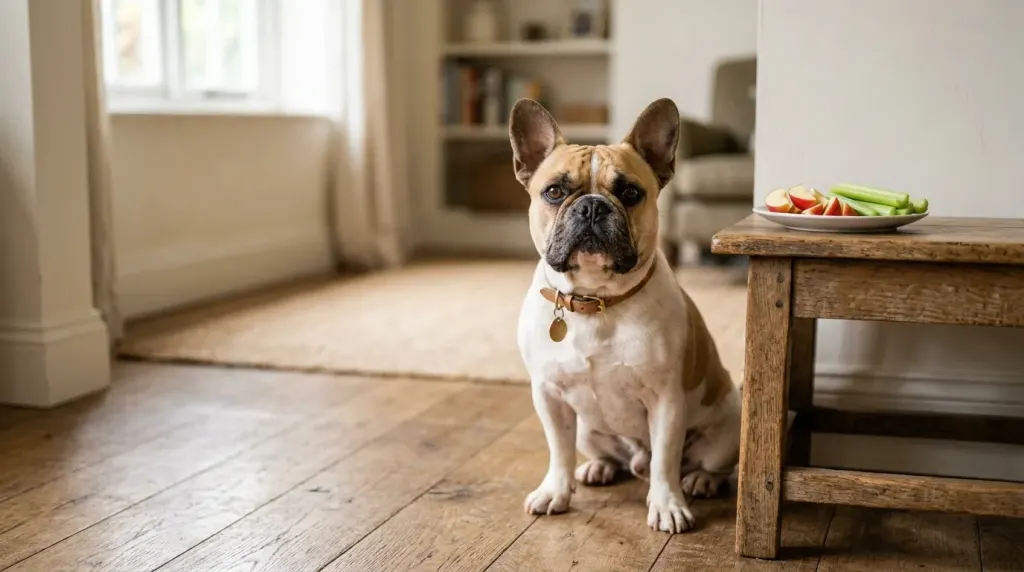
- Control Fruit and Vegetable Treats: Offer low-gas options in moderation. For instance, safe treats like bananas as occasional treats for French Bulldogs provide potassium without excessive sulfur.
- Incorporate Nutrient-Dense Rewards: Using small portions of fruit like blueberries as training rewards for French Bulldogs supplies antioxidants while keeping treat volume low.
- Maintain Strict Consistency: Avoid feeding table scraps, greasy human food, or high-fat snacks.
Slowing Down Feeding, Exercise Routines, and Probiotic Use
Modifying how and when your dog eats provides immediate relief from swallowed air.
Practical daily interventions:
- Use a Slow-Feeder Bowl: Maze bowls or puzzle feeders force your dog to take small bites, reducing swallowed air by up to 70%.
- Divide Daily Meals: Feed two to three small meals throughout the day rather than one large portion to avoid overloading stomach capacity.
- Schedule Post-Meal Rest: Keep your dog calm for 30 minutes after eating to prevent regurgitation and allow normal stomach emptying.
- Daily Low-Impact Exercise: Provide 30 to 45 minutes of daily walking broken into cooler morning or evening sessions to promote gut motility.
- Veterinary Probiotics: Canine-specific probiotic supplements help balance gut flora, outcompeting gas-producing bacteria.
When Is Flatulence a Health Problem? Red Flags and Vet Care
While frequent gas is common in Frenchies, owners must remain vigilant for signs of clinical disease.
Gastrointestinal Diseases Linked With Flatulence in French Bulldogs
Persistent flatulence that does not respond to dietary adjustments warrants a thorough veterinary workup. Chronic intestinal gas can stem from subclinical infections, giardiasis, food responsiveness disorders, or exocrine pancreatic insufficiency.
Veterinary diagnostic testing typically includes fecal examinations for parasites, blood chemistry panels, specialized GI biomarker assays (TLI, B12, folate), and abdominal ultrasound.
Breathing Problems (BOAS), Hiatal Hernia, and the Link to Gas
Severe upper airway obstruction creates high negative pressure within the chest during inspiration. This vacuum effect can pull stomach contents upward, predisposing French Bulldogs to gastroesophageal reflux and hiatal hernia.
When respiratory function is severely compromised, surgical widening of the nostrils (stenotic nares resection) and trimming of the soft palate significantly improves airflow. Clinical follow-ups show that post-BOAS surgery dogs swallow less air, experience far less reflux, and display a marked reduction in daily flatulence.
Living With a Gassy Frenchie: What Owners Should Expect
Accepting your French Bulldog’s physical nature makes day-to-day management much easier.
What Is “Normal” for This Breed and How to Manage Day-to-Day
Even with an optimal diet, slow-feeder bowls, and daily exercise, a French Bulldog will still pass gas more often than a German Shepherd or Golden Retriever. Their flat facial structure guarantees a baseline level of swallowed air.
Daily management focuses on maintaining good ventilation, washing pet bedding regularly with pet-safe detergents, and keeping a consistent feeding routine.
When to Seek More Information on Breed Health and Care
Staying informed about breed-specific health needs ensures your pet enjoys a comfortable, long life. Consult your veterinarian for tailored advice whenever gas is accompanied by changes in appetite, energy, or stool quality.
Frequently Asked Questions
Do French Bulldogs fart a lot compared to other dog breeds?
Yes, French Bulldogs fart significantly more than standard-snouted dog breeds. Their brachycephalic facial structure causes them to swallow extra air while breathing and eating. This air passes through their digestive tract, leading to frequent flatulence.
Why are French Bulldogs so gassy after eating kibble?
French Bulldogs become gassy after eating kibble if they swallow air while eating fast or if the kibble contains hard-to-digest fillers like soy, peas, corn, or dairy derivatives. Fast eating combined with high-carbohydrate fermentation generates substantial intestinal gas.
Can slow-feeder bowls stop my French Bulldog from farting?
Slow-feeder bowls noticeably reduce flatulence caused by air swallowing (aerophagia). By forcing your dog to eat slowly, these bowls prevent air gulping during meals, though they do not prevent gas caused by food allergies or digestive illness.
Is it safe to give my French Bulldog human gas medication like Simethicone?
You should never give your French Bulldog human over-the-counter medications like Simethicone without explicit guidance from your veterinarian. Proper dosage depends on your dog’s weight and underlying health status.
What home remedies help soothe a gassy French Bulldog stomach?
Effective home remedies include transitioning to a slow-feeder bowl, splitting daily food into smaller meals, taking gentle daily walks to move intestinal gas, and adding veterinarian-approved canine probiotics to balance gut bacteria.
Leave a Reply