
Table of Contents
Typical Pug behavior centers on an affectionate, even-tempered, and playful disposition, reflecting centuries of breeding as dedicated companion animals. Often called "velcro dogs," Pugs thrive on human closeness and adapt exceptionally well to household routines. While inherently gentle and low in aggression, they possess an independent stubborn streak during training and can develop separation anxiety if left alone for extended periods without proper mental enrichment.
- The American Kennel Club characterizes Pug temperament as even-tempered, charming, and mischievous.
- Known as devoted velcro dogs, Pugs shadow owners constantly and need early independence conditioning to prevent separation anxiety.
- Breed-specific quirks like snorting, reverse sneezing, and blanket digging stem directly from their brachycephalic anatomy and natural nesting instincts.
- Pugs are patient family pets with low prey drive, though children must be taught to handle them gently to protect their prominent eyes.
- Food motivation makes positive reinforcement highly effective for overcoming their natural stubbornness in obedience training.
What Defines Typical Pug Behavior and Temperament?
Typical Pug behavior centers on an even-tempered, loving, and sociable disposition that reflects centuries of intentional breeding as companion animals. Often described by the historic Latin phrase multum in parvo (“a lot of dog in a little space”), Pugs combine the relaxed warmth of a lap dog with sudden, comical bursts of playfulness.
Unlike working breeds developed for hunting, herding, or guarding, understanding what Pug dogs were bred for explains why their primary behavioral drive is human companionship rather than territorial defense or prey pursuit. Pugs tend to mirror their owners’ energy levels, resting quietly during work hours and engaging enthusiastically during play.
Temperament evolves noticeably as a Pug matures. Pug puppies are famously curious, energetic, and mouthy, exploring their surroundings with enthusiastic bouncing and nibbling. By the time a Pug reaches two to three years of age, their energy level stabilizes into a calm, easygoing daily pattern.
According to the American Kennel Club, Pugs are officially recognized as charming, mischievous, and loving companion dogs that thrive in home environments. To explore their physical standards and lineage beyond daily habits, review our full Pug dog breed guide.
| Core Temperament Trait | Daily Behavioral Expression | Practical Management Advice |
|---|---|---|
| Affectionate & People-Oriented | Shadows family members, seeks lap contact | Include the dog in daily indoor routines |
| Comical & Playful | Short bursts of zoomies, expressive head tilts | Provide interactive puzzle toys and short fetch games |
| Even-Tempered & Tolerant | Low reactivity to noise, gentle around guests | Maintain consistent household social habits |
| Independent / Stubborn | Selective hearing during obedience cues | Use high-value rewards and keep sessions under 10 minutes |
Why Are Pugs Known as “Velcro Dogs”? Clinginess vs. Separation Anxiety
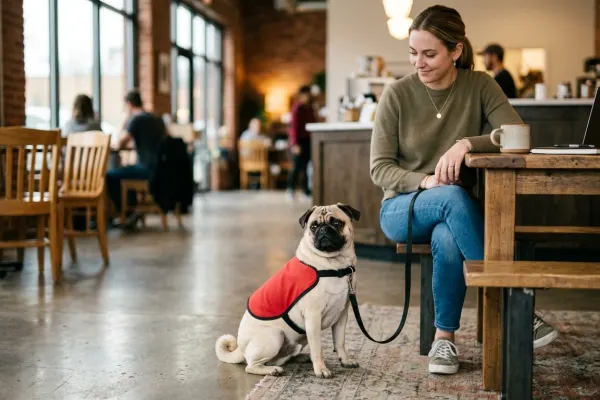
The term “velcro dog” captures a Pug’s instinct to stay physically close to their owners. Pugs routinely follow family members from room to room, curl up against feet while working at a desk, and rest their chins on laps whenever someone sits down. This shadow-like habit reflects deep loyalty rather than an immediate behavioral flaw, as Pugs derive emotional reassurance from constant proximity.
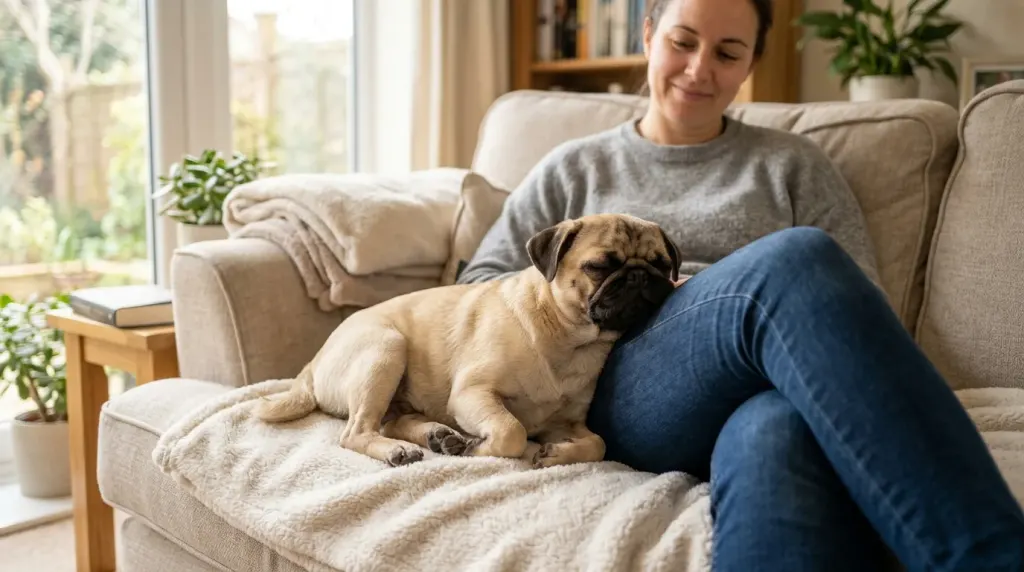
During enthusiastic greetings, younger or highly emotional dogs may display submissive leaks, which explains why some owners observe Pug dogs peeing when they are excited upon reunification. Owners must also distinguish between healthy bonding and clinical separation anxiety. A well-adjusted velcro Pug follows you into the kitchen, lies down quietly on a rug, and remains calm when you leave the house. In contrast, a Pug suffering from separation anxiety experiences intense panic upon departure, resulting in persistent whining, frantic scratching at doors, and destructive chewing.
When dogs experience heightened pacing or physical discomfort during separation stress, identifying what causes a Pug dog to keep moving and not lay down helps owners separate emotional anxiety from orthopaedic restlessness.
Managing separation distress requires building independent confidence early:
- Gradual Desensitization: Practice picking up house keys, putting on shoes, or opening exterior doors without leaving, reducing anxiety around departure cues.
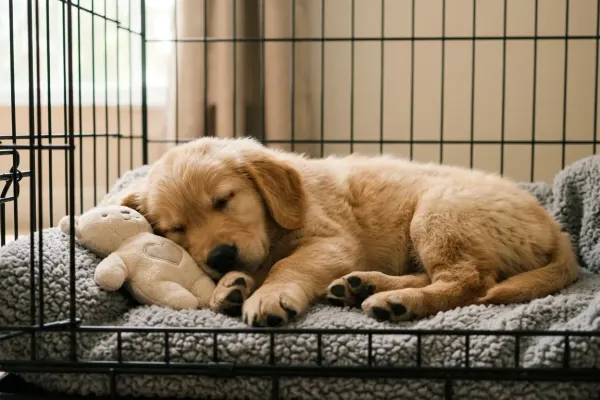
- Structured Crate Training: Create a secure, comfortable crate or playpen equipped with a soft blanket and a safe chew toy, establishing a designated relaxation zone.
- Interactive Distractions: Offer a frozen treat dispenser filled with plain canned pumpkin or peanut butter right before leaving to create a positive association with solitary time.
- Predictable Routines: Avoid dramatic greetings and departures; leaving and returning calmly teaches the dog that your absence is routine and temporary.
| Behavioral Category | Observed Signs | Recommended Intervention |
|---|---|---|
| Healthy Velcro Attachment | Following calmly between rooms, resting at your feet | Allow natural companionship; encourage relaxed resting in dog beds |
| Mild Clinginess | Whining briefly when a door closes, constant nudging | Practice sit-stay commands and reward calm independence |
| Separation Anxiety | Frantic vocalization, salivation, door scratching, destructive chewing | Use gradual desensitization, structured crate training, or vet-guided behavior modification |
Understanding Unique Pug Quirks: Snorting, Licking, and Blanket Digging
Pugs possess a collection of distinct physical and behavioral quirks that set them apart from longer-snouted breeds. Most of these quirks stem directly from their brachycephalic (flat-faced) skull anatomy or innate nesting behaviors.
Respiratory vocalizations are common in daily life. Because Pugs have compact nasal cavities and an elongated soft palate, they regularly snort, grunt when excited, and snore while sleeping. Learning why Pug dogs snort helps owners distinguish benign nasal clearing from genuine respiratory restriction. Another frequent occurrence is “reverse sneezing,” where a rapid series of loud, inward snorts occurs when the soft palate becomes temporarily irritated. While alarming to new owners, reverse sneezing is harmless; gently stroking the dog’s throat or briefly covering their nostrils to encourage swallowing quickly resets the soft palate.
Frequent licking is another signature habit. Compulsive skin grooming or surface licking is common in the breed; examining why Pug dogs lick so much reveals how tactile licking functions as an instinctive stress reducer. Licking releases endorphins that help dogs self-soothe during calm moments. However, if a Pug obsessively chews their paws until the skin is red, it usually indicates contact allergies or food sensitivities rather than standard behavior.
Nesting routines are equally pronounced. The tendency toward blanket burrowing stems from ancestral denning instincts. Pugs scratch cushions or duvet covers with their front paws to create a warm, secure cocoon before curling up to sleep. While snorting and heavy breathing are normal quirks of a brachycephalic breed, severe wheezing, blue-tinged gums, or exercise intolerance indicate Brachycephalic Obstructive Airway Syndrome (BOAS), which requires veterinary evaluation.
| Common Breed Quirk | Underlying Cause | Normal Expression vs When to Consult a Vet |
|---|---|---|
| Snorting & Snoring | Elongated soft palate, narrow nasal passages | Normal: Soft grunts during play or sleep. Vet check: Constant labored breathing or open-mouth gasping |
| Reverse Sneezing | Temporary irritation of the nasopharynx | Normal: Brief episodes lasting 15 to 60 seconds. Vet check: Frequent daily fits with nasal discharge |
| Surface & Skin Licking | Self-soothing ritual, salt tasting, affection | Normal: Occasional relaxed licking. Vet check: Compulsive paw licking with raw, red skin |
| Blanket Digging | Canine denning and thermoregulation instinct | Normal: Arranging bedding before sleep. Vet check: Frantic digging coupled with pacing or distress |
Social Behavior: How Do Pugs Interact with Kids, Strangers, and Other Pets?
Pugs are among the most socially hospitable small dog breeds, rarely displaying defensive hostility or sharp territorial aggression. Their cheerful outlook makes them welcome additions to busy, multi-generational homes.
Their relationship with children is particularly strong. While fragile toy dogs may snap defensively if handled clumsily, Pugs feature a solid, muscular build and remarkable patience. Reading subtle canine body signals, such as knowing what it means when dogs pug their ears back, allows family members to recognize whether their dog is feeling submissive, content, or slightly overwhelmed. Children must still be taught to handle dogs gently, paying special attention to avoid rough play around the head that could risk Pug eye proptosis and ocular trauma due to their shallow eye sockets.
Maintaining gentle household handling and social boundaries is an essential component of how to take care of a Pug dog in busy, multi-pet living environments. Regarding other animals, Pugs possess virtually no predatory prey drive. They easily share living quarters with household cats and small companion animals without chasing instincts taking over. Their pack-friendly nature allows them to integrate smoothly into multi-dog households, avoiding dominant posturing and preferring shared playtime.
When encountering unfamiliar guests, Pugs typically view strangers as prospective playmates. While they may issue a single alert bark when someone approaches the door, they quickly welcome visitors with tail wags and affectionate greeting rituals.
| Social Environment | Compatibility Rating | Key Behavioral Considerations |
|---|---|---|
| Families with Young Children | Excellent | High patience and solid frame; teach children to protect the dog’s eyes |
| Multi-Dog Households | High | Non-competitive and pack-friendly; supervise feeding if food-guarding occurs |
| Households with Cats | High | Very low prey drive; Pugs usually ignore or nap alongside feline housemates |
| Apartment Communities | Excellent | Low barking frequency and compact size make them polite neighbors |
How Easy Is It to Train a Pug? Managing the “Stubborn Streak”
Training a Pug requires an understanding of their cognitive style and motivational triggers. Pugs are clever and responsive, yet their independent nature and sensitivity mean they resist repetitive drilling or harsh correction.
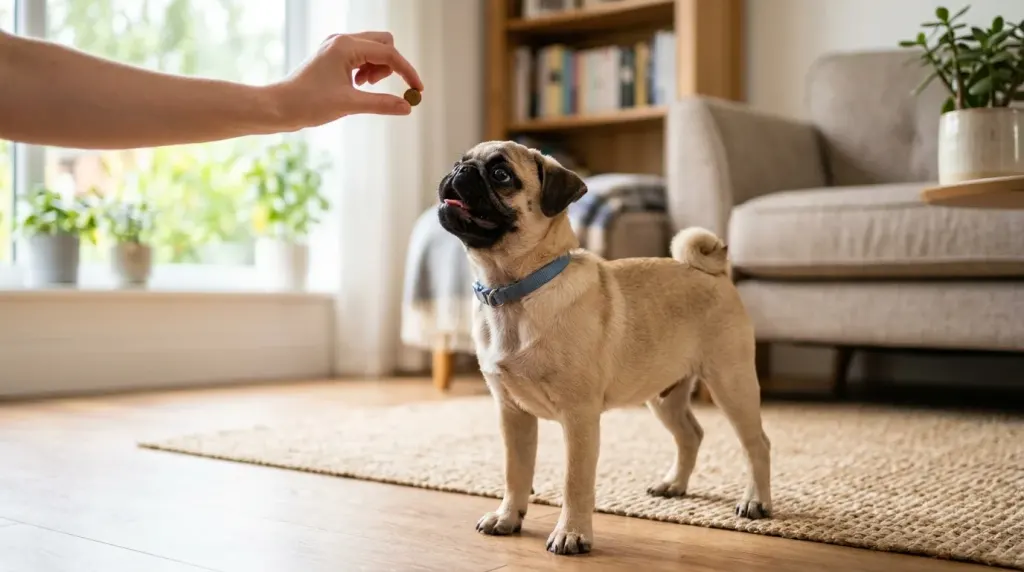
Structured step-by-step methods detailed in our guide on how to train a Pug dog emphasize using positive reinforcement rather than repetitive drills. Pugs are intensely food-motivated, making small, healthy treats the ultimate learning incentive. Because calorie control is critical when using treats as learning incentives, calculating how much dog food a Pug should eat ensures training snacks do not contribute to unhealthy weight gain. Diced carrots, green beans, or small pieces of freeze-dried meat provide excellent focus without adding excessive calories.
House-training requires patience and consistency. Because small breeds have smaller bladders and Pugs dislike cold, rainy weather, housebreaking can take several months. A structured schedule, taking puppies outside immediately after waking, eating, or playing, paired with immediate praise upon successful elimination, ensures reliable habits.
To manage the famous Pug stubborn streak, keep training sessions short and upbeat. If a Pug feels confused or detects frustration in your voice, they often disengage or sit down passively. Conducting multiple five-minute sessions daily maintains enthusiasm and builds strong obedience.
| Training Focus Area | Typical Challenge | Effective Solution Framework |
|---|---|---|
| Basic Obedience (Sit, Stay, Come) | Short attention span, stubborn disengagement | Use positive reinforcement, high-value treats, and short 5-minute sessions |
| House-Training | Reluctance to go outside in rain or cold | Establish a strict schedule, use designated puppy pads if needed, and reward immediately |
| Leash Manners | Pulling forward to greet people or dogs | Use a chest-clip harness (never a neck collar) and practice stop-and-go walking |
| Crate Conditioning | Whining during initial confinement | Feed meals inside the crate and introduce gradual solitary durations |
Unique Breed Evaluation: Is a Pug’s Behavior Right for Your Lifestyle?
A Pug’s behavior makes them an exceptional match for owners seeking a low-reactivity, highly affectionate companion, but their specific care demands mean they are not suited for every living situation.
Pugs thrive with owners who spend significant time at home, including remote professionals, families with predictable schedules, and retirees. Their moderate exercise requirements and polite indoor manners make them well-suited for urban living. Prospective apartment owners often evaluate Pug barking tendencies in apartments, discovering that their vocalizations are generally limited to brief alert barks rather than continuous nuisance barking.
Conversely, households expecting an athletic partner for long-distance running, an outdoor working dog, or an assertive property protector will find the breed ill-suited. Pugs may sound a brief alert when someone arrives, but their welcoming disposition makes them friendly hosts rather than defensive guardians. Prospective owners must also prepare for grooming realities, as understanding how much Pug dogs shed helps set realistic expectations for daily coat maintenance and home cleanliness.
Note: Pugs are emotionally sensitive companion dogs. Harsh verbal reprimands can induce anxiety or avoidance behavior; always utilize structured, reward-based guidance.
| Household Lifestyle Factor | Best Fit for a Pug | Less Suitable for a Pug |
|---|---|---|
| Daily Schedule | Owners home frequently, remote workers, retirees | Households empty for 8+ consecutive hours daily |
| Living Space | Apartments, suburban homes with small yards | Isolated outdoor kennels (unsuitable for temperature regulation) |
| Activity Expectations | Casual 20-30 minute walks, indoor play | Intense long-distance running, strenuous hiking in warm weather |
| Noise & Cleanliness Tolerance | Comfortable with snoring, snorting, and daily shedding | Owners expecting silent sleep or a zero-shedding coat |
Frequently Asked Questions About Pug Behavior
Are Pugs aggressive or prone to biting?
Pugs rank among the least aggressive canine breeds, displaying naturally gentle temperaments and low territorial drive. They rarely bite or show hostility unless subjected to severe mistreatment, intense fear, or unaddressed physical pain. Early socialization ensures they remain comfortable around unfamiliar people and environments.
Do Pugs bark a lot?
Pugs are relatively quiet dogs that do not engage in persistent nuisance barking. Most Pugs vocalize only to give a brief alert bark when someone knocks on the front door, or to communicate excitement during meal preparation.
Why does my Pug follow me everywhere?
Pugs follow their owners everywhere because centuries of breeding as royal companion dogs have wired them to seek security and bonding through physical proximity. This velcro tendency is completely normal provided the dog remains calm when briefly left in another room.
How much daily exercise does a Pug need to maintain good behavior?
An adult Pug requires approximately 30 to 60 minutes of daily exercise, divided into two moderate walks and indoor playtime. Providing consistent, low-impact activity keeps their energy balanced, prevents destructive boredom, and supports a healthy body weight.
Leave a Reply