
Table of Contents
The primary reason why do pug dogs lick so much involves a combination of breed-specific facial anatomy, instinctive social communication, and underlying physical needs. Their shortened brachycephalic muzzle and deep facial wrinkles trap saliva and moisture, creating mild irritation that prompts regular self-grooming. Licking also stimulates the release of calming neurochemicals like endorphins, helping pugs self-soothe when excited or stressed. However, repetitive or sudden licking directed at the air, furniture, or other dogs can signal gastrointestinal nausea, acid reflux, dental pain, skin fold dermatitis, or environmental allergies.
- Shortened oral cavities and facial skin folds increase saliva accumulation, leading to frequent lip smacking and grooming.
- Tongue movement triggers endorphin release, serving as an affectionate greeting and emotional calming mechanism.
- Persistent air licking frequently indicates digestive discomfort, acid reflux, or dental irritation.
- Mutual ear grooming acts as a social bonding or submissive gesture, though sudden interest may point to ear infections in companion pets.
- Compulsive licking of fabrics and furniture often stems from boredom, stress, or underlying gastrointestinal disorders.
- Veterinary evaluation is essential when licking causes hair loss, raw skin, or accompanies vomiting and reduced appetite.
Common Causes of Licking in Pugs
Canines rely on their tongues and mouths to explore their environment, communicate social intentions, and maintain physical comfort. In Pugs, oral behaviors are often more pronounced than in longer-snouted breeds due to their distinct cranial and facial anatomy. The compact, flat facial structure known as brachycephalic conformation compresses the oral cavity, palate, and upper respiratory tract into a shortened space. Because saliva does not disperse as quickly across a shortened jawline, fluid tends to pool around the lips and tongue, prompting frequent swallowing, lip smacking, and surface licking to manage moisture.
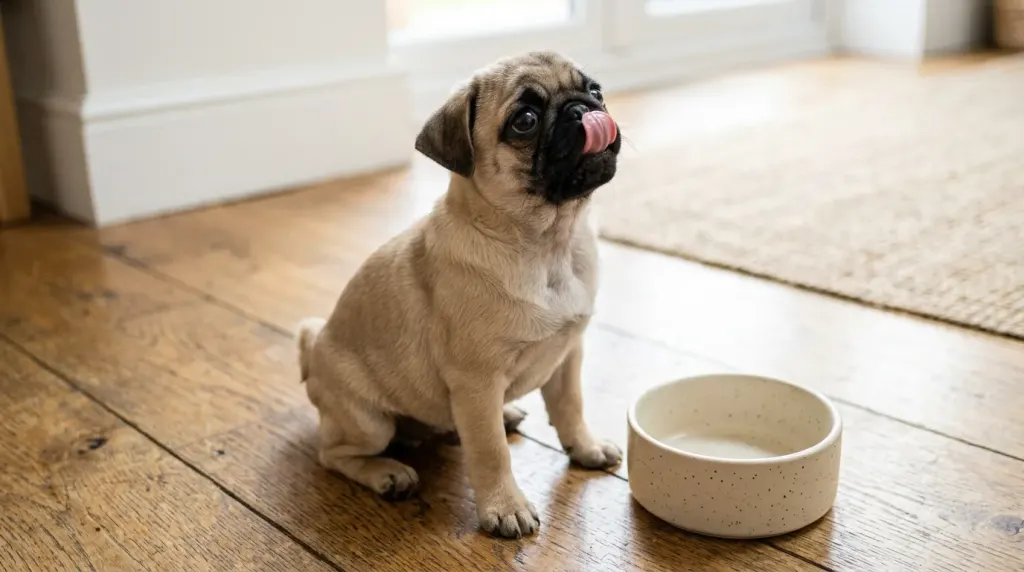
Beyond oral moisture, the deep facial wrinkles running across a Pug’s snout require close attention. According to veterinary dermatologists referenced by the American Kennel Club, these dark, warm skin folds easily accumulate moisture, natural oils, and loose debris. This environment creates a prime setting for skin fold dermatitis and localized yeast proliferation. When the skin within these folds becomes itchy or tight, a Pug often rubs its face against nearby textiles or grooms its paws as a secondary relief mechanism. Understanding these breed-specific traits is an integral part of recognizing how distinctive facial features and skin folds influence daily care routines.
Respiratory mechanics also contribute to how Pugs use their mouths. Because brachycephalic dogs have narrower nostrils and elongated soft palates, they work harder to pant and regulate body temperature during warm weather or excitement. Increased mouth breathing dries out the oral mucosa, leading to repeated licking motions to redistribute saliva. These respiratory characteristics often overlap with other common breed traits, such as snoring tendencies linked to airway structure, which reflect the broader impact of brachycephalic airway anatomy on daily behavior.
Behavioral and Environmental Drivers
Mouth contact and face licking are deeply rooted in canine evolutionary biology. From early puppyhood, maternal licking stimulates digestion, circulation, and social security. Puppies lick the muzzles of adult dogs as a food-soliciting ritual and a sign of peaceful respect. Adult Pugs carry these instincts into their relationships with human families, using gentle licks on hands, faces, and arms to express affection and seek social reassurance. Because Pugs were bred specifically as companion lap dogs, their desire for human proximity often amplifies their tactile communication, reflecting their naturally affectionate lap dog temperament.
From a neurological standpoint, sustained licking triggers the release of endorphins and dopamine in the dog’s central nervous system. These neurochemicals produce a mild sedative and mood-stabilizing effect, allowing a Pug to lower its arousal level after an exciting greeting or during periods of mild environmental change. When a dog feels mildly unsettled by household activity, settling into a rhythm of licking can provide immediate comfort.
This instinct also explains why pugs lick other dogs ears in multi-pet households. Known in veterinary ethology as allogrooming, mutual grooming strengthens pack bonds and reduces social friction among housemates. Presenting a relaxed posture while gently cleaning another dog’s ears signals submission and peaceful intentions. As board-certified veterinary behaviorist Dr. Valli Parthasarathy, PhD, DVM, DACVB, notes: “Dogs are social and for some dogs, grooming or licking is a way that they seem to bond with other dogs.”
Canine communication during these interactions often involves subtle ear postures. Recognizing how pug ear positions during submission indicate deference helps owners understand these peaceful social rituals. Furthermore, companion dogs frequently produce soft grunts and snuffles during greeting grooming, mirroring snorting sounds in pug communication during affectionate moments.
However, if ear licking shifts from gentle greeting to relentless fixation, owners should inspect the companion dog’s ears. Dogs possess a keen sense of smell and are drawn to the odor of excess wax, yeast overgrowth, or bacterial infections. Persistent licking of another pet’s ear canal often serves as an early indicator that the recipient requires veterinary ear care.
Enrichment and Training Interventions
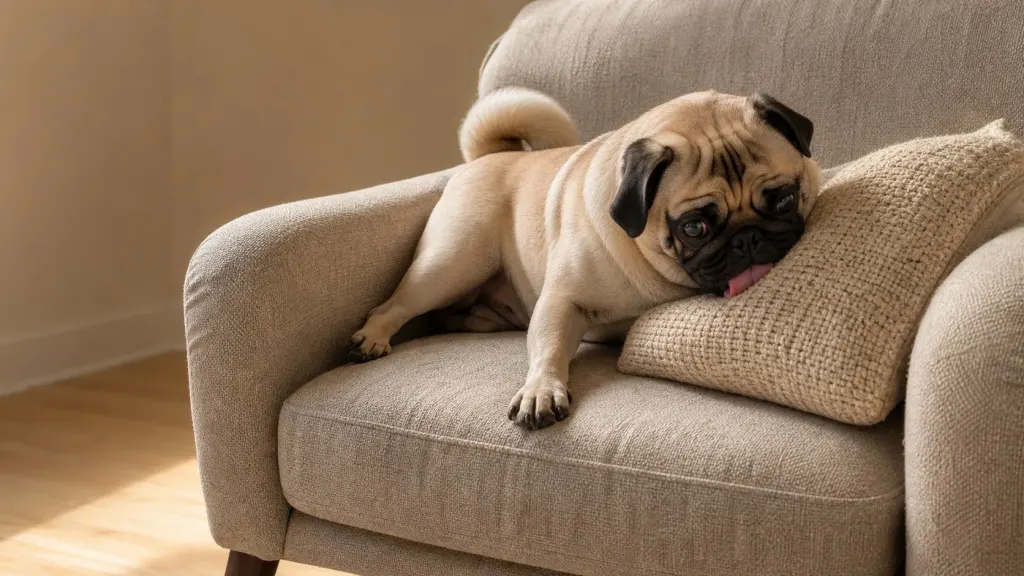
When a Pug lacks sufficient mental stimulation or physical exercise, licking can transition from a healthy self-soothing habit into an obsessive pastime. Owners frequently ask why is my pug dog constantly licking chairs and blankets when resting indoors. Without engaging activities, a dog may channel unspent energy into licking upholstery, couch cushions, or bed sheets. The repetitive texture of fabric provides sensory feedback that quickly becomes habitual.
This pattern is often linked to other indoor coping behaviors, such as repetitive blanket digging habits in pugs before sleep, both of which serve as physical outlets for restless energy. Providing daily enrichment effectively breaks this cycle:
- Textured Lick Mats: Food-grade silicone mats spread with dog-safe peanut butter, pure pumpkin puree, or wet food provide a structured, healthy outlet for licking impulses.
- Interactive Food Puzzles: Puzzle feeders and snuffle mats require problem-solving to access kibble, engaging the dog’s cognitive skills and preventing boredom.
- Structured Daily Play: Short training sessions focusing on basic cues, paired with regular indoor fetch, burn mental energy and reduce anxiety-driven compulsions.
- Positive Redirection: When your Pug targets furniture, quietly redirect its attention to an approved chew toy without raising your voice, avoiding unintentional reinforcement of attention-seeking habits.
Structured oral enrichment redirecting repetitive licking to lick mats or puzzle feeders helps lower canine cortisol levels without reinforcing demand-seeking habits.
Medical and Physical Health Signals
While behavioral factors account for many licking episodes, sudden, repetitive, or compulsive licking often points to an underlying medical condition. In veterinary medicine, intense tongue movement directed at empty space, carpets, or walls is recognized as a clinical symptom that warrants systematic evaluation.
A common query among owners is why do pug dogs lick the air repeatedly without targeting any visible object. Veterinary clinical resources from PetMD emphasize that sudden air licking and lip smacking are classic indicators of gastrointestinal distress. When a dog experiences nausea, gastric acid reflux, or delayed stomach emptying, acid travels up the esophagus, causing a sour taste and mucosal burning. The dog extends its tongue and swallows repeatedly to stimulate saliva production, which serves as a natural alkaline buffer against stomach acid.
This connection between surface mouthing and digestive pathology is well documented. In a clinical study published in the Journal of Veterinary Behavior by researchers at the University of Montreal, investigators evaluated 19 dogs presented for excessive licking of surfaces (ELS). The study revealed that approximately 74% (14 of 19) of the dogs had underlying gastrointestinal disorders, including chronic pancreatitis, delayed gastric emptying, irritable bowel syndrome, and eosinophilic gastritis. Following medical treatment for their digestive conditions, significant behavioral improvement or complete resolution of excessive licking occurred in the majority of patients.
Oral and dental conditions also cause intense mouth licking. Because Pugs have crowded jaws, plaque and tartar accumulate quickly along the gumline. Periodontal disease, tooth root abscesses, broken molars, gingivitis, or foreign objects lodged across the hard palate create chronic irritation. When oral discomfort increases, owners often notice excessive drooling and saliva management accompanying frequent tongue flicks.
Note: Sudden air licking accompanied by facial twitching, unresponsiveness, or a blank stare can indicate a focal seizure or neurologic event rather than gastric distress, requiring urgent veterinary evaluation.
Common Medical Causes in Pugs
The following table summarizes the primary medical triggers associated with excessive licking in Pugs, along with their characteristic signs and recommended actions:
| Medical Category | Common Triggers | Accompanying Clinical Signs | Recommended Action |
|---|---|---|---|
| Gastrointestinal | Acid reflux, nausea, gastritis, pancreatitis, inflammatory bowel disease | Air licking, carpet mouthing, lip smacking, grass eating, vomiting | Veterinary exam, dietary trial, gastric protectants |
| Dermatological | Skin fold dermatitis, atopic allergies, yeast infection, fleas | Paw chewing, groin licking, red facial folds, sour odor | Medicated wipes, topical wash, allergy management |
| Dental & Oral | Periodontal disease, broken teeth, gingivitis, oral foreign bodies | Drooling, chewing on one side, halitosis, tongue flicking | Dental examination, professional cleaning, dental extraction |
| Neurological & Compulsive | Canine Compulsive Disorder (CCD), focal seizures | Trance-like air biting, unstoppable licking, facial twitching | Neurological assessment, behavior plan, medication |
Dermatological issues remain especially prevalent in the breed. In addition to facial skin folds, Pugs have sensitive skin inside their ear flaps and between their paw pads. Routine hygiene, including careful ear flap cleaning and infection prevention, helps control moisture-driven yeast proliferation that prompts head scratching. Furthermore, food sensitivities and environmental allergens frequently cause pruritus along the paws and abdomen. When diet contributes to skin inflammation, working with a veterinarian on pug nutrition and food allergies helps identify and eliminate offending protein sources.
When Licking Should Worry: Red Flags and Evaluation
Differentiating between harmless, normal licking and behavior that signals health risks depends on duration, intensity, and accompanying physical symptoms. Occasional grooming after meals or enthusiastic greetings when family members return home are normal canine behaviors. However, when licking interferes with sleep, eating, or daily interaction, it requires professional attention.
Key red flags that warrant a veterinary evaluation include:
- Skin Damage and Alopecia: Chronic licking of the paws, legs, or flanks that strips fur, creates raw hot spots, or causes reddish-brown saliva staining on fawn coats.
- Systemic Illness Signs: Licking accompanied by frequent vomiting, diarrhea, lethargy, decreased appetite, or fever.
- Severe Oral Distress: Persistent bad breath, blood on chew toys, difficulty picking up food, or pawing at the mouth.
- Physical Restlessness: An inability to settle comfortably, pacing, or chin-resting on cold surfaces, which can reflect internal abdominal pain similar to restlessness and inability to settle from pain.
- Compulsive Inability to Stop: Fixated licking that cannot be interrupted by verbal cues, high-value treats, or toys.
This guidance is for educational awareness; consult a licensed veterinarian for specific diagnostic testing and clinical treatment plans. Your veterinarian will perform an oral examination, inspect skin folds for yeast or bacterial growth, and check the auditory canal. Practicing consistent ear flap care and infection prevention provides an essential baseline for detecting early discharge before severe irritation develops. Abdominal ultrasound or blood panels may also be recommended to evaluate systemic or gastrointestinal triggers.
Effectiveness of Interventions: What Works to Reduce Licking
Successfully resolving excessive licking requires a two-step approach: first, diagnosing and treating any underlying medical discomfort, and second, implementing structured environmental and behavioral modifications.
When medical conditions are identified, targeted treatment provides substantial relief. Managing gastrointestinal inflammation with vet-prescribed acid reducers or therapeutic diets frequently eliminates air and surface licking. Similarly, treating dental disease or daily cleansing of facial wrinkles with chlorhexidine wipes resolves local itching and moisture accumulation. Establishing a consistent daily pug care and grooming routine keeps skin folds dry and prevents recurrent bacterial infections.
In cases where medical causes have been ruled out and licking persists as a primary behavioral compulsion, dogs may be evaluated for Canine Compulsive Disorder (CCD). Clinical veterinary behavioral guidelines describe compulsive disorders as repetitive, goal-independent actions that dogs perform to manage chronic anxiety or environmental stress. When licking becomes an entrenched compulsive disorder, successful management relies on structured behavior modification, environmental enrichment, and direct veterinary consultation to evaluate whether medical therapy or specialized behavioral intervention is warranted.
| Trigger Category | Targeted Intervention | Expected Outcome |
|---|---|---|
| Attention Seeking | Ignore unwanted licking completely; praise calm, quiet sitting | Extinguishes demand-licking cycles |
| Environmental Boredom | Introduce puzzle toys, daily scent walks, and short training games | Channels physical and mental energy productively |
| Anxiety & Noise Stress | Set up a quiet retreat space; provide a textured lick mat during storms | Lowers baseline cortisol and offers safe oral outlet |
| Facial Fold Itch | Clean and dry facial wrinkles daily with vet-approved wipes | Prevents moisture buildup and yeast dermatitis |
| Underlying GI Reflux | Feed smaller, more frequent meals; follow veterinary medical guidance | Reduces gastric acidity and eliminates air licking |
By systematically identifying whether your Pug’s licking stems from anatomy, emotional reassurance, boredom, or digestive distress, you can implement the right balance of veterinary care and daily enrichment to support your pet’s comfort and health. Maintaining calm routines and structured positive reinforcement also helps minimize arousal-driven vocalizations, such as snorting sounds in pug communication, creating a more relaxing home environment.
Frequently Asked Questions About Pug Licking
Is it normal for a Pug to lick its paws constantly?
No, continuous paw licking is not typical behavior. While brief foot cleaning after returning from a walk is standard grooming, repetitive or obsessive paw chewing usually indicates atopic allergies, contact dermatitis, yeast infections between the toe pads, or localized joint discomfort. Chronic saliva exposure stains light-colored fur a reddish-brown hue due to salivary porphyrins and can lead to secondary bacterial infections if left untreated.
How can I tell if my Pug’s licking is caused by nausea?
Nausea-related licking typically appears suddenly and is directed at empty space, walls, carpets, or furniture. Dogs experiencing digestive discomfort often show frequent lip smacking, exaggerated swallowing, drooling, and a tendency to eat outdoor grass. If the licking occurs alongside stomach gurgling, decreased appetite, or vomiting, a gastrointestinal evaluation by a veterinarian is recommended.
Will placing an Elizabethan collar or cone on my Pug stop excessive licking?
An Elizabethan collar or recovery cone provides temporary physical barrier protection to prevent self-mutilation while hot spots or wounds heal. However, a cone does not address the underlying trigger. If the behavior is driven by gastrointestinal reflux, dental pain, food allergies, or anxiety, the dog will remain uncomfortable beneath the collar. A cone should only serve as a temporary safeguard while working with a veterinarian to treat the root cause.
Leave a Reply