

Table of Contents
Why do Golden Retrievers lick so much? The behavior stems from a combination of breed-specific oral instincts, neurochemical self-soothing, and social communication. Originally bred as waterfowl hunting dogs with a specialized "soft mouth," Golden Retrievers naturally explore their surroundings through their mouths. Repetitive licking releases calming endorphins and dopamine in the canine brain, conveys affection and submission to family members, and gathers sensory information from salty human skin. If licking becomes focused obsessively on paws, joints, or floors, it often indicates underlying medical triggers such as allergies, arthritis, skin infections, or gastrointestinal discomfort.
- Waterfowl hunting heritage instilled an innate oral drive and gentle mouth carriage in Golden Retrievers.
- Repetitive licking acts as a neurological relaxation tool by triggering endorphin release.
- Licking owners communicates affiliative bonding, attention-seeking, and sensory exploration of skin salts.
- Persistent licking at a single body part signals medical issues such as atopic dermatitis, hot spots, or joint pain.
- Unwanted licking is best resolved through structured enrichment, chew toys, and positive redirection rather than punishment.
Golden Retrievers are celebrated for their outgoing personalities, boundless loyalty, and famously expressive body language. Yet for many owners, one everyday behavior stands out above all others: the constant, enthusiastic licking of hands, faces, furniture, and paws. While a slobbery greeting is a familiar retriever trait, understanding the biological and psychological motivations behind this behavior helps owners distinguish between normal affection and signs of distress.
Why Do Golden Retrievers Lick So Much? (The 5 Core Reasons)
Golden Retrievers lick primarily because of social bonding, sensory investigation, neurochemical relaxation, instinctive grooming, and behavioral communication. Unlike breeds that rely predominantly on vocal cues or physical posturing, sporting retrievers use their mouths as their primary interface with the world. According to the American Kennel Club canine behavior guidance, licking serves diverse biological functions ranging from maternal care and pack appeasement to olfactory-gustatory exploration.
To understand why your Golden Retriever licks throughout the day, consider the five primary behavioral drivers:
- Affiliative Bonding and Social Greeting: In wild canid packs and domestic litters, licking is an essential social tool. Mothers lick newborn puppies to stimulate breathing, urination, and digestion, while young pups lick adult muzzles to solicit food and signal peaceful submission. Adult Golden Retrievers retain this neotenic instinct, using licks as a warm greeting ritual to reinforce their bond with human family members. This affectionate, people-oriented temperament is a central reason why French Bulldogs are so popular among family households, and Golden Retrievers share a very similar desire to connect through physical affection.
- Sensory Investigation and Chemical Analysis: A dog’s sense of smell and taste are intimately connected through the vomeronasal system (Jacobson’s organ), located in the roof of the mouth. Licking allows a Golden Retriever to sample chemical traces, pheromones, and environmental scents that cannot be fully evaluated through air sniffing alone.
- Neurochemical Self-Soothing: Rhythmic, repetitive tongue movements stimulate the vagus nerve and prompt the brain to release endorphins and dopamine. These biochemicals produce a natural calming sensation, helping the dog decompress after excitement, relieve mild stress, or settle down for sleep.
- Instinctive Coat and Hygiene Maintenance: Golden Retrievers possess a dense, water-repellent double coat designed to insulate them in icy Scottish lochs. Licking helps clean debris from the outer guard hairs and smooth tangled fur, particularly around the chest, legs, and belly after outdoor exercise.
- Attention and Response Conditioning: Dogs are keen observers of human feedback. When a Golden Retriever licks an owner and receives laughter, head scratches, or verbal conversation, the dog quickly learns that licking yields immediate social engagement. While companion toy breeds like why pug dogs lick so much often lick purely for comfort and warmth, Golden Retrievers combine this social drive with high working energy.
| Licking Motivation | Typical Body Language | Normal Frequency | Action Required |
|---|---|---|---|
| Affection & Greeting | Relaxed posture, wagging tail, soft eyes | Short bursts upon reunion (1-3 minutes) | Enjoy the greeting or redirect calmly |
| Sensory Taste & Scent | Inquisitive sniffing, focused tongue contact | Occasional inspection after cooking or workouts | Allow brief sniff, wipe skin if preferred |
| Self-Soothing / Settling | Lying down, slow rhythmic licking of air or bedding | 5-10 minutes before falling asleep | Provide a textured lick mat or safe chew |
| Stress or Boredom | Pacing, panting, repetitive licking of objects | Extended, persistent sessions throughout the day | Increase exercise and mental enrichment |
| Medical Distress / Pain | Intense focal licking at paws, joints, or groin | Obsessive, difficult to interrupt, broken skin | Schedule a veterinary physical examination |
Why Does My Golden Retriever Lick Me So Much?
When a Golden Retriever focuses their licking directly on you, they are expressing affection, seeking your attention, and tasting the natural oils, sweat, and salts on your skin. Human skin constantly secretes microscopic traces of sodium chloride, minerals, and sebum that dogs find naturally palatable. If you have recently exercised, returned from outdoor work, or applied scented lotions, your dog will often lick your exposed hands, arms, or ankles with heightened enthusiasm.
Beyond the appeal of taste, human-directed licking functions as an active communication tool. Golden Retrievers are deeply social animals that thrive on close companionship. When your dog licks your hands while resting their head on your lap, they are engaging in affiliative behavior that mirrors mutual grooming in pack structures. This intense drive for physical closeness is similar to how companion breeds demonstrate attachment, as seen in why French Bulldogs are so clingy when following their owners room to room.
In many cases, owners accidentally reinforce excessive licking without realizing it. Even minor reactions, such as talking to the dog, pushing them gently away, or laughing, provide social feedback that the dog interprets as positive reinforcement. During quiet evening hours, you may also observe your Golden licking their own paws or bedding alongside gentle nesting habits, comparable to why pug dogs dig in blankets to create a secure, comfortable resting spot.
Breed-Specific Drive: Why Golden Retrievers Have a Natural Oral Fixation
The intense oral focus of the Golden Retriever is not an accidental quirk; it is a direct product of the breed’s working history. Developed in the 19th century in the Scottish Highlands by Lord Tweedmouth, Golden Retrievers were purpose-bred to retrieve waterfowl across rugged terrain and cold water. To bring ducks and game birds back to hunters in pristine condition, breeders selected specifically for a “soft mouth” (the ability to carry heavy objects gently without puncturing skin or crushing bone). Sporting gundogs possess a neurological wiring that channels excitement, curiosity, and relaxation directly through the mouth. While guardian or herding breeds may process stimulation through barking, pacing, or herding behaviors, a Golden Retriever naturally reaches for an object to hold, carry, or lick. Providing suitable oral outlets remains an essential daily need throughout every stage of their lives.
In young retriever puppies, this oral drive manifests as teething, mouthing, and chewing on household items. As dogs mature into adulthood, active biting gives way to gentler oral habits, including carrying tennis balls, softly holding human wrists, and repetitive licking. Unlike brachycephalic dogs that face upper airway constraints, where respiratory efforts can influence tongue movement such as why pug dogs snort, the long, athletic muzzle of the Golden Retriever gives them full oral dexterity to explore surfaces with their tongue and teeth.
When Licking Becomes a Red Flag: Health and Medical Triggers
While moderate licking is completely normal canine behavior, excessive, compulsive, or sudden focal licking frequently signals an underlying medical condition. When a Golden Retriever concentrates their tongue on a single spot, such as the top of the wrist, the paw pads, or the belly, the action shifts from self-soothing into an attempt to alleviate pain, inflammation, or persistent itching.

The most common clinical causes of excessive licking include:
- Environmental and Atopic Allergies: Golden Retrievers are genetically predisposed to atopic dermatitis, an allergic skin condition triggered by pollen, mold, dust mites, or grasses. When allergens penetrate the skin barrier, they cause intense pruritus (itching) between the toes and around the paw pads. The dog licks and chews their feet constantly, leading to red, inflamed skin and brown saliva staining on the fur. In addition to paw chewing, systemic allergies can produce ocular redness and irritation, similar to why French Bulldogs develop red eyes during seasonal allergen surges.
- Food Sensitivities: Adverse food reactions to common dietary proteins (such as chicken or beef) often manifest as chronic skin irritation, ear infections, and obsessive paw chewing.
- Acral Lick Dermatitis (Lick Granuloma): When a dog licks a specific spot on their lower leg repeatedly over weeks or months, the continuous trauma strips away the epidermal layers. This creates a thick, raised, ulcerated plaque known as a lick granuloma. Bacteria and deep tissue infections often develop within the lesion, setting off a chronic itch-lick-infection cycle that is difficult to break without professional medical intervention.
- Joint Pain and Osteoarthritis: As Golden Retrievers age, conditions like hip dysplasia, elbow dysplasia, and arthritis can cause persistent joint inflammation. Dogs often lick the skin directly over a painful joint in a biological attempt to soothe deep musculoskeletal ache. If your dog exhibits tremors or muscular weakness alongside joint licking, noting signs like why French Bulldogs shake helps owners evaluate whether orthopedic pain is contributing to the habit.
- Gastrointestinal Distress and Nausea: Dogs experiencing acid reflux, pancreatitis, or stomach discomfort frequently lick unusual surfaces, including carpets, hardwood floors, sofa fabric, or even the air.
| Symptom Category | Normal Grooming & Affection | Medical Red Flag (Requires Vet) |
|---|---|---|
| Target Area | Generalized (hands, face, toys, brief coat cleaning) | Focal (single paw, specific joint, ulcerated skin) |
| Skin Condition | Clean, pale pink, healthy hair coat | Red, raw, hairless patches, bleeding, or moisture |
| Interruption Response | Stops easily when called or offered a toy | Difficult to distract, whines or resumes immediately |
| Accompanying Signs | Relaxed body, normal appetite, steady gait | Limping, head shaking, lethargy, or digestive upset |
How to Manage and Redirect Excessive Licking Behavior
Managing excessive licking in Golden Retrievers requires a balanced approach that addresses their natural oral instincts while establishing clear behavioral boundaries. Because Golden Retrievers are sensitive, eager-to-please dogs, punitive measures like yelling or physical punishment only increase anxiety and exacerbate compulsive habits. Instead, positive redirection and mental enrichment offer the most reliable long-term results.
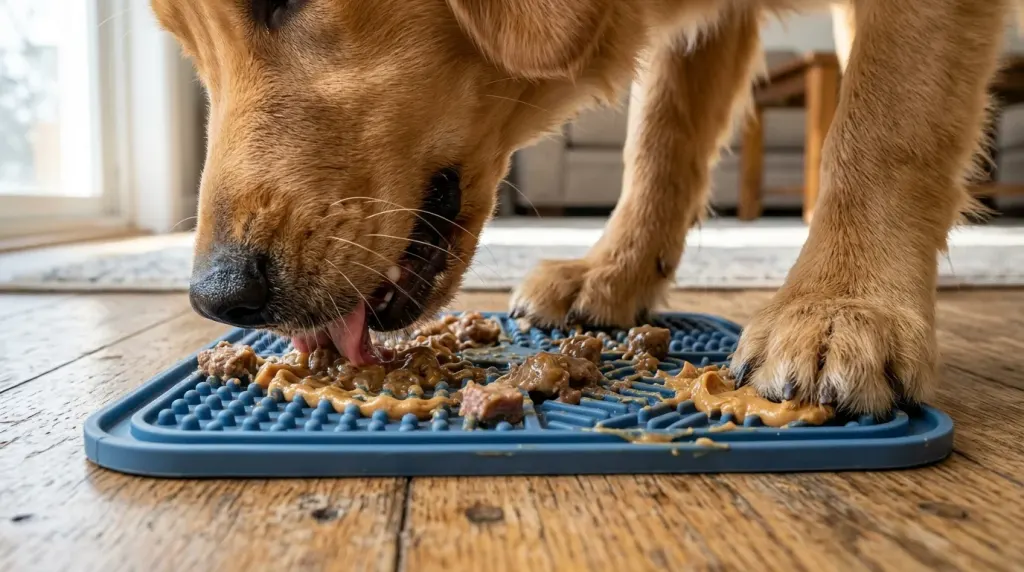
According to the ASPCA puppy mouthing and redirection guidelines, providing appropriate oral outlets while teaching bite and licking inhibition allows dogs to satisfy their natural instincts constructively.
Follow this practical framework to curb unwanted licking habits:
Implement the “Turn and Ignore” Technique
When your Golden Retriever begins licking your hands, arms, or face excessively, immediately stand up, cross your arms, and turn your back. Avoid eye contact, verbal scolding, and physical touch. Once your dog settles into a calm sit or lies down with all four paws on the floor, reward them with gentle petting and praise. This teaches the dog that calm posture earns affection, while frantic licking stops interaction completely.
Provide Structured Licking Outlets
Licking releases beneficial calming hormones, so rather than eliminating the behavior entirely, channel it into safe tools. Textured silicone lick mats spread with plain canned pumpkin, plain Greek yogurt, or wet dog food provide 15-20 minutes of focused mental stimulation. Freezing the mat beforehand extends the activity and maximizes relaxation. Stuffed rubber Kong toys and durable chew roots also satisfy their retriever oral drive safely.
Increase Physical Exercise and Scent Games
A tired Golden Retriever is a calm Golden Retriever. Ensure your adult dog receives at least 60-90 minutes of daily physical exercise, combined with scent-work games or structured fetch sessions. Hiding kibble across the lawn or using puzzle toys engages their working brain and significantly lowers boredom-driven compulsive habits.
Optimize Diet and Evaluate Digestive Health
Ensure your dog is eating a balanced, high-quality diet that supports healthy digestion and skin integrity. If persistent floor-licking or lip-smacking occurs, consider whether underlying stomach discomfort or frequent regurgitation is present, as seen in why French Bulldogs keep throwing up when upper digestive irritation flares up. Furthermore, evaluating food sensitivities that trigger excessive gas, comparable to why French Bulldogs fart so much, can help determine whether dietary adjustments will resolve discomfort-driven licking habits.
Frequently Asked Questions About Golden Retriever Licking
Why does my Golden Retriever lick my hands and feet?
Your hands and feet produce concentrated sweat containing sodium, lactic acid, and minerals that dogs can readily taste. Additionally, hands and feet are the most accessible contact points when you are sitting or resting, making them primary targets for greeting and attention-seeking behavior.
Is excessive licking a sign of anxiety in Golden Retrievers?
Yes, repetitive licking can serve as a displacement behavior when a dog feels bored, stressed, or anxious. If your Golden Retriever licks furniture, their own legs, or the air during thunderstorms, when left alone, or during chaotic household events, the behavior is likely an anxiety-driven coping mechanism.
How do I know if my Golden Retriever is licking because of allergies?
Allergy-related licking is typically focused on the paws, between the toes, around the groin, or near the base of the tail. Look for telltale signs such as red, irritated skin, hair thinning, foul odor from the feet, brown saliva discoloration on pale fur, or frequent ear scratching.
When should I take my Golden Retriever to the vet for licking?
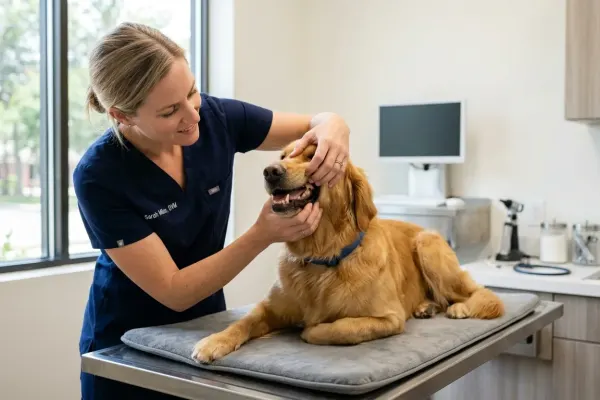
You should consult a veterinarian if licking produces bald patches, open sores, bleeding, hot spots, or localized swelling. A vet visit is also necessary if the licking started suddenly, if the dog shows signs of limping or joint stiffness, or if they obsessively lick floors and walls alongside vomiting.


Leave a Reply