

Table of Contents
Plain cooked lean lamb is an excellent source of bioavailable protein and essential amino acids for French Bulldogs. However, because lamb is naturally higher in fat than white meats, you must remove all visible fat caps and serve controlled portions to prevent weight gain or pancreatitis. Adult French Bulldogs can safely consume lamb as part of a complete commercial food or as an occasional lean home-cooked topper kept under 10 percent of their daily calorie allowance.
- Lean lamb supplies high-quality animal protein, bioavailable heme iron, zinc, and B vitamins to support muscular health and skin condition.
- Higher fat concentrations mean cuts must be trimmed and cooked without oils, butter, salt, garlic, or onions.
- Lamb serves as an effective novel protein option for French Bulldogs experiencing cutaneous allergies to chicken or beef.
- Unbalanced toppers and table snacks must stay under 10 percent of daily calories, leaving 90 percent for complete commercial food.
- Never feed cooked lamb bones, which become brittle and splinter into sharp, hazardous fragments.
- Transition to new lamb diets gradually over 7 to 10 days to prevent gastrointestinal upset and loose stools.
Lamb as a Protein for French Bulldogs
Lamb is a nutrient-dense red meat that provides complete animal protein, meaning it supplies all ten essential amino acids that canines cannot synthesize on their own. A 100-gram serving of cooked lean lamb delivers approximately 22 to 30 grams of protein, alongside bioavailable heme iron, zinc, selenium, and essential B vitamins, particularly vitamin B12 and niacin. These micronutrients play vital roles in cellular energy production, red blood cell synthesis, nervous system integrity, and immune defense.
For French Bulldogs, dietary protein provides the foundational building blocks for lean muscle mass, joint tissue repair, and skin barrier maintenance. Because Frenchies have a compact, muscular build, adequate dietary amino acids are essential throughout adulthood. The zinc and B vitamins in lamb also support hair follicle strength, which helps maintain a healthy coat in a breed frequently troubled by environmental and dietary skin irritation.
However, lamb is inherently richer in fat than white meat alternatives such as skinless chicken breast or cod. While dietary fats are an essential energy source that facilitates fat-soluble vitamin absorption (vitamins A, D, E, and K), an excessive fat intake can quickly create a caloric surplus. Because French Bulldogs are a companion breed with low-to-moderate daily activity levels, incorporating lamb requires careful attention to the specific cut and preparation method. Owners who explore diverse protein options often compare lamb with feeding salmon to French Bulldogs to balance red meat amino acids against omega-3 marine fatty acids, or pair proteins with introducing plain rice to French Bulldogs for digestible carbohydrates.
How Lamb Compares to Other Proteins
Canine nutritionists evaluate protein sources based on their amino acid completeness, digestibility, fat concentration, and allergenic potential. Comparing lamb to other common dietary meats helps clarify where it fits into a French Bulldog’s meal plan.
Chicken and turkey breast offer very low fat profiles, typically containing less than 3 to 5 grams of fat per 100 grams of cooked meat. While poultry is highly digestible and cost-effective, chicken is also one of the most frequently identified dietary allergens in dogs with cutaneous adverse food reactions. Beef provides strong levels of iron and zinc but carries a similarly high risk of allergic sensitization in susceptible canines.
In contrast, lamb historically served as a novel protein because it was less widely used in standard commercial pet food formulas. For a dog that has never consumed lamb, the immune system is far less likely to recognize its protein molecules as antigens. Compared to pork products, lamb lacks the excessive curing salts found in processed meats, which makes it far safer than exploring how high sodium in ham affects French Bulldogs. When assessing high-calorie additions, owners also compare meat treats against peanut butter safety for French Bulldogs to ensure daily snacks do not overload total fat calories.
Practical Handling of Lamb
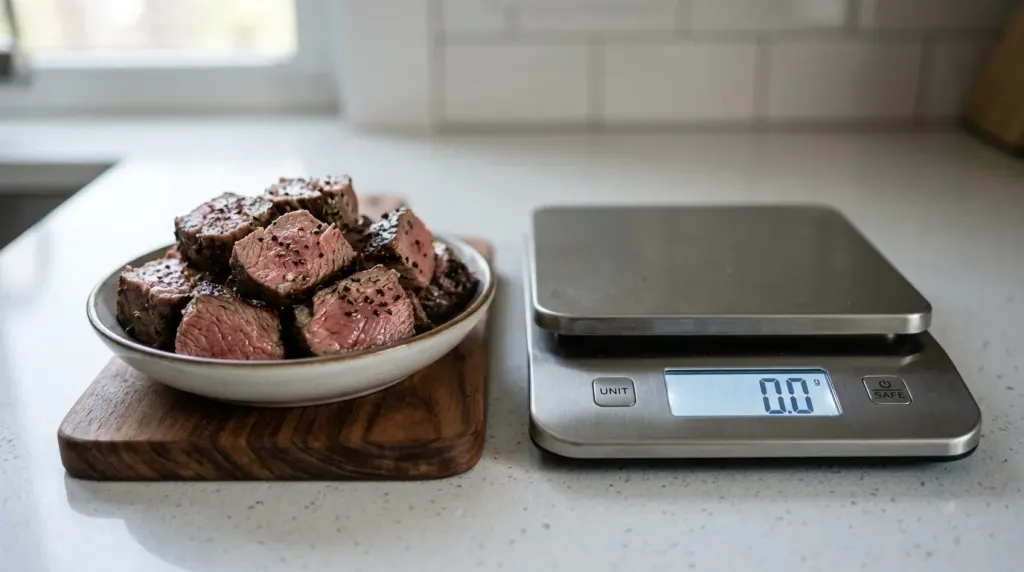
Safely serving lamb at home requires removing all visible fat caps, skin, and gristle before cooking. Boiling, poaching, or oven-baking on an elevated wire rack allows excess grease to drain away from the meat. Never prepare lamb for dogs using butter, cooking oils, salt, pepper, onions, or garlic. Onions and garlic belong to the Allium family and contain thiosulfates, which cause oxidative damage to canine red blood cells and induce hemolytic anemia.
Safety, Allergies, and Digestive Health
While lamb offers rich nutritional value, its fat profile and biological characteristics introduce specific health considerations for the French Bulldog breed. Frenchies possess unique anatomic traits, including shortened upper airways and sensitive gastrointestinal tracts, which make them especially vulnerable to dietary mismanagement.
The most critical medical risk associated with feeding high-fat red meats to dogs is acute pancreatitis. The pancreas produces digestive enzymes that break down proteins, fats, and carbohydrates in the small intestine. Ingesting a large amount of dietary fat in a single meal can stimulate premature enzyme activation within the pancreatic tissue itself, resulting in severe local inflammation, intense abdominal cramping, persistent vomiting, and systemic shock. According to clinical veterinary guidelines published in Today’s Veterinary Nurse, dogs with a history of pancreatitis require strict dietary fat restriction, often remaining under 10% crude fat on a dry matter basis.
Important: High-fat meals carry real gastrointestinal hazards. If a French Bulldog develops severe abdominal pain, persistent vomiting, or sudden lethargy after consuming lamb, discontinue feeding and contact a veterinarian immediately.
Digestive sensitivities can also manifest as gastrointestinal upset and flatulence. Because brachycephalic dogs tend to swallow excess air while eating, fatty meats that slow gastric emptying can exacerbate digestive distress. Pet parents frequently investigate why French Bulldogs throw up after eating or look into why French Bulldogs produce excessive gas to determine whether rich proteins are contributing to chronic stomach upset.
How to Introduce Lamb Safely
When transitioning a French Bulldog to a new lamb-based commercial food or adding fresh cooked lamb toppers, the digestive system requires time to adjust. The gut microbiome adapts gradually to changes in protein and fat ratios. Introducing new food too quickly frequently causes acute diarrhea, stomach cramping, and loose stools.
Switching foods gradually over 7 to 10 days (or extending to 10 to 14 days for French Bulldogs with sensitive digestion) helps prevent gastrointestinal distress. Adjust the pace based on individual stool consistency:
- Days 1 to 3: 75% original diet mixed with 25% new lamb diet.
- Days 4 to 7: 50% original diet mixed with 50% new lamb diet.
- Days 8 to 10: 25% original diet mixed with 75% new lamb diet.
- Days 11 to 14: 100% new lamb diet (if stools remain firm).
During this transition, monitor your dog’s stool consistency, appetite, and energy levels closely. If your pet shows discomfort, signs of distress like signs of shivering or shaking in French Bulldogs, or changes in stool that affect expressing French Bulldog anal glands safely, pause the transition and consult your veterinarian.
Preparation Tips
Never feed raw lamb meat or raw bones to French Bulldogs. Raw meats carry bacterial pathogens including Salmonella, Escherichia coli, and Listeria monocytogenes, which can cause severe foodborne infections in dogs and cross-contaminate human households. Cook whole lamb cuts to an internal temperature of at least 145°F (63°C) with a 3-minute rest, and cook ground lamb to 160°F (71°C).
Furthermore, cooked lamb bones are strictly prohibited. According to the American Kennel Club (AKC), the heat of cooking strips moisture and collagen from bone tissue, causing it to become brittle and shatter into sharp shards when chewed. These fragments can cause fractured teeth, lacerated gums, esophageal obstruction, or life-threatening punctures through the stomach and intestinal walls.
Serving Guidelines and Portion Control
Maintaining a lean body weight is one of the most effective ways to protect a French Bulldog’s long-term health. Because the breed is prone to orthopedic conditions and spinal vulnerabilities, excess weight increases mechanical stress on the vertebrae. Weight management plays a key role in preventing IVDD spinal strain in French Bulldogs and ensuring dogs stay comfortably within safe running exercise limits for French Bulldogs.

When feeding plain cooked lamb as an occasional treat or meal topper, it must be factored into your dog’s total daily calorie budget. Nutritional guidelines from the World Small Animal Veterinary Association (WSAVA) state that treats, toppers, and unbalanced table foods must not exceed 10% of a dog’s total daily caloric allowance, with the remaining 90% supplied by a complete and balanced commercial food.
| French Bulldog Adult Weight | Estimated Daily Calorie Requirement | Maximum 10% Treat Allowance | Equivalent Daily Cooked Lean Lamb Portion |
|---|---|---|---|
| 18 lbs (8.2 kg) | ~450 to 500 kcal | ~45 to 50 kcal | ~0.8 oz (22 grams) |
| 22 lbs (10.0 kg) | ~530 to 580 kcal | ~53 to 58 kcal | ~1.0 oz (28 grams) |
| 28 lbs (12.7 kg) | ~630 to 700 kcal | ~63 to 70 kcal | ~1.2 oz (34 grams) |
Note: Daily caloric needs vary based on age, neuter status, and activity level. Consult your veterinarian for tailored feeding targets.
Sample Daily Feeding Plan
For owners offering cooked lamb as a topper alongside a standard commercial diet, divide daily nutrition into two measured meals (morning and evening). For a 22-pound adult French Bulldog receiving a 1-ounce daily lamb topper, add half an ounce (14 grams) of finely diced, cooked lean lamb to the morning meal and the remaining half ounce to the evening meal, while reducing the dry kibble portion by roughly 10% to prevent overfeeding.
To add dietary volume and fiber without excess fat calories, owners frequently pair lean meat toppers with dog-safe produce, such as feeding cooked parsnips to French Bulldogs or giving fresh cucumbers to French Bulldogs as crunchy, low-calorie snacks. Owners can also check which fruits French Bulldogs can safely eat when adding fresh vitamins to a meat-based diet.
Lamb in Commercial Diets vs. Home-Cooked
When selecting a long-term feeding strategy, pet owners must choose between commercially manufactured lamb formulas and home-prepared meals. Both approaches have distinct advantages and potential pitfalls.
Commercial kibble, wet food, and gently cooked subscription meals formulated to meet nutrient profiles set by the Association of American Feed Control Officials (AAFCO) offer guaranteed nutritional completeness. These diets ensure proper ratios of calcium, phosphorus, essential fatty acids, and trace minerals without requiring complex at-home preparation.
According to clinical findings from the Tufts Clinical Nutrition Service, rotating novel proteins without a diagnosed medical need can inadvertently sensitize dogs to alternative proteins, leaving fewer therapeutic options if severe allergies develop later.
For dogs suffering from chronic food sensitivities that manifest as ear inflammation, switching to a commercial lamb diet can support skin recovery while owners focus on hygiene routines like cleaning French Bulldog ears during allergic flare-ups. Furthermore, feeding textured kibble supports oral care, which is vital given French Bulldog dental anatomy and tooth count and their tendency toward dental crowding.
When to Choose Commercial vs. Home-Cooked Lamb Diets
Commercial lamb formulas are ideal for owners seeking convenience, precise nutritional balance, and reliable quality control. When reviewing product labels:
- Verify the package carries an official AAFCO nutritional adequacy statement for your dog’s life stage (adult maintenance or all life stages).
- Confirm that real lamb or lamb meal appears as the primary ingredient.
- Check the guaranteed analysis for crude fat content. A crude fat level of 12% to 15% is generally suitable for adult French Bulldogs, whereas foods exceeding 18% fat should be avoided for dogs prone to rapid weight gain.
- For suspected food allergies, select limited-ingredient diets (LIDs) that feature a single animal protein source and avoid generic animal fats that might contain chicken or beef traces. When training dogs on a restricted-fat regimen, offering plain popcorn to French Bulldogs provides an airy, low-calorie alternative to heavy meat treats.
When to Prepare Lamb at Home
Home-cooked meals give owners complete control over ingredient freshness and quality. However, feeding plain cooked lamb meat alone will quickly lead to severe micronutrient deficiencies, particularly in calcium, iodine, vitamin D, and essential fatty acids. If you choose to feed a home-cooked lamb diet, the recipe must be formulated by a board-certified veterinary nutritionist to ensure proper balance. Evaluating the breed’s compact structure alongside historical working traits of French Bulldogs highlights their modest energy expenditure and tendency toward rapid weight gain. When balancing home-prepared rations against table scraps, consult guidelines on feeding plain bread to French Bulldogs to avoid empty carbohydrates that dilute vital micronutrient intake.
Frequently asked questions about lamb for French Bulldogs
Can French Bulldogs eat lamb every day?
Healthy adult French Bulldogs can eat lamb every day if it is delivered through a commercial dog food that meets AAFCO nutritional adequacy standards for complete and balanced nutrition. However, feeding plain home-cooked lamb meat by itself every day will cause severe nutrient imbalances and deficiencies in essential minerals like calcium.
Is lamb hypoallergenic for French Bulldogs?
No single protein is universally hypoallergenic for all dogs. Lamb is classified as a novel protein for dogs that have never eaten it before, making it valuable for managing allergies to chicken or beef. However, a dog can develop an allergy to lamb if fed the protein over an extended period.
Can French Bulldogs eat lamb bones?
French Bulldogs should never be fed cooked lamb bones under any circumstances. Cooked bones become brittle and splinter into sharp fragments, creating severe hazards of fractured teeth, choking, intestinal blockage, and internal organ perforation. Raw bones also carry dental fracture and bacterial infection risks.
What signs indicate a lamb allergy in a French Bulldog?
Signs of an adverse reaction or allergy to lamb include chronic itching, frequent paw licking, red and inflamed ears, skin hives, vomiting, diarrhea, and persistent flatulence. If these symptoms occur after introducing lamb, discontinue feeding and contact your veterinarian.



Leave a Reply