
Table of Contents
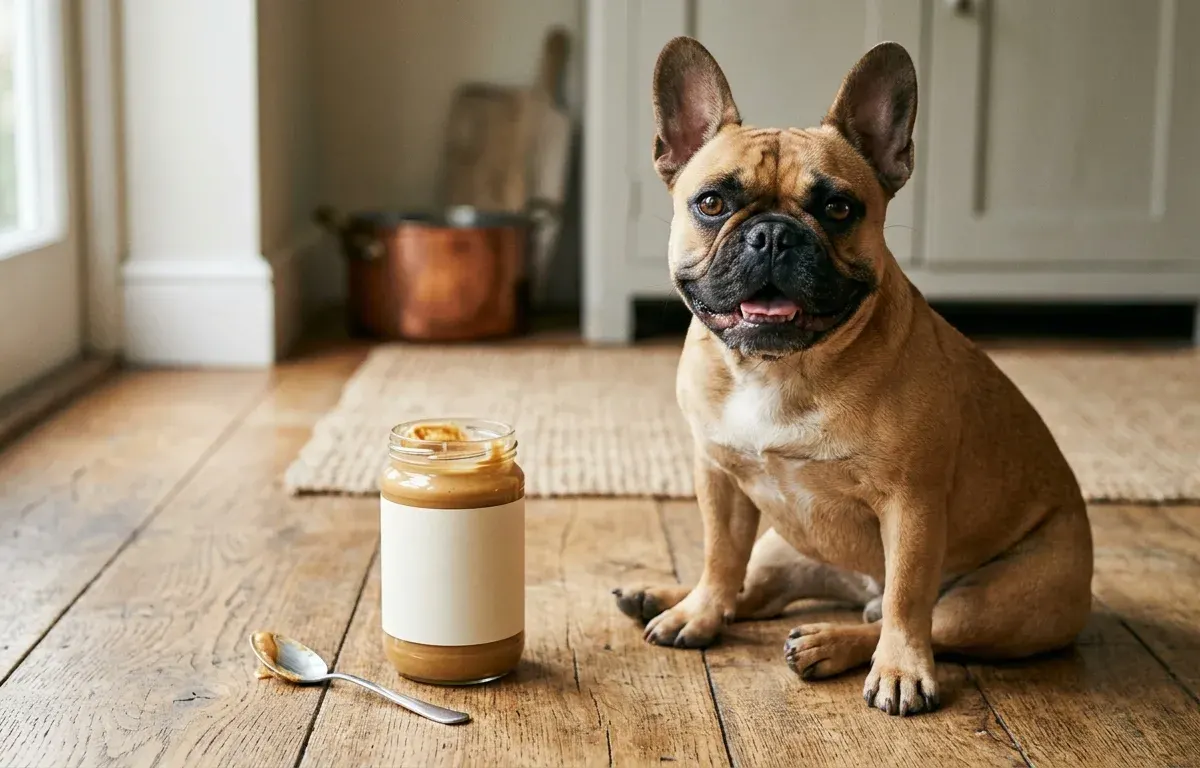
If you are wondering, can French Bulldogs eat peanut butter, the answer is yes. Plain peanut butter free of xylitol is generally safe in small amounts. The breed's compact frame and susceptibility to obesity mean owners must enforce strict portion limits and read ingredient labels carefully to avoid toxic sweeteners.
- Xylitol (birch sugar) in some peanut butters causes severe hypoglycemia in dogs and requires immediate veterinary intervention.
- One tablespoon of peanut butter contains about 90 calories, which easily exceeds the daily treat limit for a small dog.
- Natural peanut butter containing only peanuts is the safest option.
- French Bulldogs need close monitoring for weight gain due to their physical build and exercise limitations.
Is Peanut Butter Safe for French Bulldogs?
Yes, in moderation. Peanuts are non-toxic to dogs and provide protein, monounsaturated fats, vitamin E, and niacin. According to the American Kennel Club (AKC), dogs can safely consume peanut butter as long as it does not contain xylitol.
The safety margin narrows for French Bulldogs compared to larger breeds. Their smaller body mass and lower metabolic rate mean a single spoonful of peanut butter represents a massive caloric intake, especially since their airway anatomy restricts their ability to run long distances to burn off excess calories.
Why Portion Size Matters More for This Breed
One tablespoon of peanut butter contains roughly 90 calories and 8 grams of fat. A healthy French Bulldog needs between 495 and 750 calories per day to maintain its weight. Feeding one tablespoon of peanut butter takes up nearly 20 percent of a small Frenchie’s daily energy requirement. This pushes them far above the standard veterinary guideline that treats should account for no more than 10 percent of a dog’s daily calories.
The Xylitol Danger in Peanut Butter
The greatest immediate threat from peanut butter is xylitol, an artificial sweetener used in several commercial brands. Unlike humans, dogs experience a massive insulin surge when they ingest xylitol. This surge causes blood sugar levels to drop rapidly.
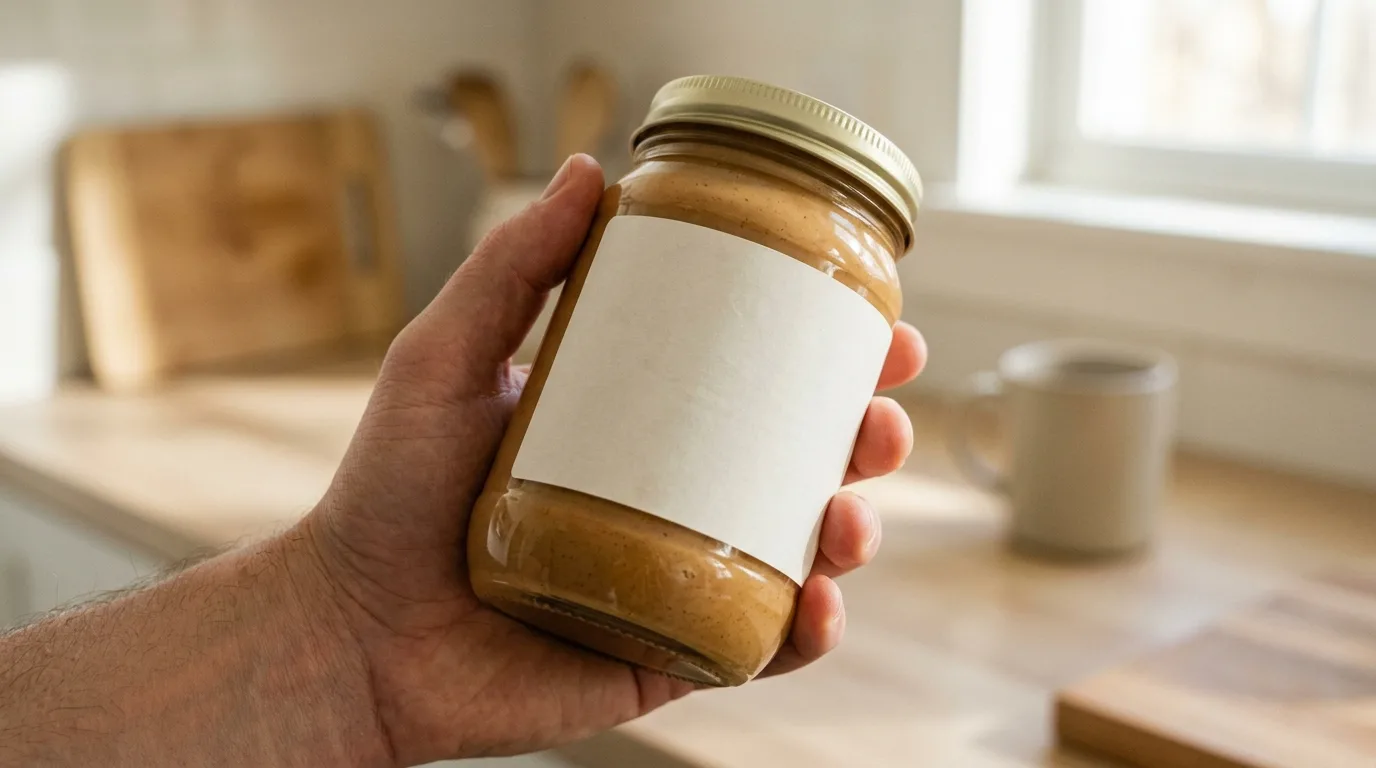
Hypoglycemia can set in within 10 to 60 minutes of ingestion. At doses above 500 mg/kg, xylitol causes hepatic necrosis and liver failure. A 20-pound French Bulldog can suffer fatal consequences from less than a single gram of xylitol. If your dog consumes an unknown peanut butter, check the jar immediately rather than waiting for symptoms like extreme lethargy or shaking to appear.
How to Read a Peanut Butter Label Safely
- Ignore the front packaging.
- Read the ingredient panel on the back.
- Look for peanuts as the only ingredient, or peanuts and salt.
- Reject any product listing xylitol, birch sugar, wood sugar, or E967.
What to Do If Your French Bulldog Eats Xylitol
Contact a veterinarian, an emergency clinic, or the ASPCA Animal Poison Control Center at (888) 426-4435 IMMEDIATELY. Do not wait for symptoms to appear.
- Have the peanut butter jar ready so the clinic can calculate the exact xylitol concentration.
- Do not induce vomiting at home unless explicitly instructed by a veterinary professional. Brachycephalic dogs have an elevated baseline risk for aspiration pneumonia. While a 2023 study in the Journal of the American Veterinary Medical Association (JAVMA) found that controlled emesis induction in a clinic setting does not significantly increase this risk for flat-faced breeds, inducing vomiting at home without airway protection remains dangerous.
Pancreatitis and Obesity Risks in Frenchies
Peanut butter is high in fat. A single tablespoon contains about 8 grams of fat, which can aggravate the digestive system and contribute to pancreatitis.
French Bulldogs are a brachycephalic (flat-faced) breed. Their airway anatomy restricts their ability to tolerate heavy exercise. When they consume calorie-dense treats like peanut butter, owners cannot simply walk them longer to burn off the excess fat. This dynamic makes the breed highly prone to obesity. Excess weight places severe mechanical stress on their spine, increasing the risk of IVDD, and worsens airway obstruction.
For dogs recovering from gastrointestinal issues or pancreatitis, vets usually recommend a bland, low-fat diet like plain boiled rice instead of fatty spreads.
Body Condition Signs to Watch
The World Small Animal Veterinary Association (WSAVA) uses a 9-point Body Condition Score chart, with 4 to 5 out of 9 representing the ideal range. The French Bull Dog Club of America standard specifies a maximum weight of 28 pounds, but body condition is a more accurate health indicator than the scale.
- You should be able to feel the dog’s ribs easily without pressing hard through a thick layer of fat.
- The dog should have a visible waist when viewed from above.
- The dog should have a visible abdominal tuck when viewed from the side.
Peanut Allergies and Digestive Sensitivity
True peanut allergies are rare in dogs. Most negative reactions to peanut butter stem from digestive intolerance to the high fat and sugar content.
When introducing a new food, start with a pea-sized amount. If an allergic reaction occurs, including hives, facial swelling, or labored breathing, contact a veterinarian immediately instead of waiting for symptoms to worsen. A dog might simply experience mild gastrointestinal upset or excessive gas. If you want to introduce different foods to your dog’s diet, test them one at a time, much like you would when feeding them a novel protein like salmon.
How Much Peanut Butter Can a French Bulldog Have?
Veterinary nutrition guidelines, including those from the WSAVA, state that treats should make up less than 10 percent of a dog’s daily calorie intake. For a French Bulldog, this translates to a very small serving of peanut butter.
| Dog Weight | Daily Calorie Allowance | Max Treat Calories | Max Peanut Butter Portion |
|---|---|---|---|
| 16 to 20 lb | 495 to 585 kcal | 49 to 58 kcal | 1/2 teaspoon |
| 21 to 25 lb | 607 to 692 kcal | 60 to 69 kcal | 3/4 teaspoon |
| 26 to 28 lb | 713 to 754 kcal | 71 to 75 kcal | 3/4 to 1 teaspoon |
If your dog struggles with weight management, swap the high-calorie peanut butter for low-calorie fresh options like cantaloupe or peaches.
Choosing a Safer Peanut Butter (Natural vs Regular)
Natural peanut butter containing only peanuts is the safest choice for dogs. It lacks the added sugars, hydrogenated vegetable oils, and salt found in standard commercial spreads.
| Feature | Natural Peanut Butter | Standard Commercial |
|---|---|---|
| Ingredients | Peanuts (sometimes salt) | Peanuts, sugar, hydrogenated oil, salt, preservatives |
| Xylitol Risk | Very low | Moderate to high depending on brand |
| Additive Exposure | None | High |
If you need a healthy, low-fat alternative for a treat, parsnips are a safe vegetable option.
Using Peanut Butter for Training and Enrichment
Peanut butter works well as a high-value reward during training. You can smear a thin layer inside a puzzle toy or on a lick mat. This provides mental stimulation and forces the dog to work for the treat slowly. Keep the portion under one teaspoon and subtract those calories from the dog’s daily meal allowance. Wash all puzzle toys thoroughly with hot water to prevent bacterial growth.

Frequently Asked Questions
How much peanut butter can a French Bulldog have a day?
A French Bulldog weighing between 16 and 28 pounds should have no more than 1/2 to 1 teaspoon of peanut butter per day. This keeps the treat within the veterinary recommendation of 10 percent of total daily calories.
Is natural peanut butter better for French Bulldogs?
Yes. Natural peanut butter typically contains only peanuts, avoiding the added sugars, hydrogenated oils, and potentially toxic artificial sweeteners found in regular commercial brands.
Can French Bulldog puppies eat peanut butter?
Puppies can eat small amounts of plain peanut butter, but their digestive systems are more sensitive than adult dogs. Use a tiny smear to distract them during grooming or nail clipping, and monitor for diarrhea.
What peanut butter brands contain xylitol?
Manufacturers change their formulas frequently, so any list of brands becomes outdated quickly. Instead of relying on brand names, you must read the ingredient panel on the back of the jar every time you purchase it. Look for xylitol, birch sugar, wood sugar, or E967.



Leave a Reply