
Skip to content

Can French Bulldogs Have Cucumbers? Safety, Benefits & Serving Guide

Dr. Jenny Max, DVM
11 min read
Share:
A French Bulldog sitting next to a fresh whole cucumber on a wooden table.
Quick Answer

Many dog owners ask, can french bulldogs have cucumbers? Yes, French Bulldogs can safely eat cucumbers when served raw, plain, and chopped into small bite-sized pieces. Cucumbers contain roughly 96% water and are low in calories and fat, making them a hydrating snack. However, because French Bulldogs are a brachycephalic breed with narrow airways, feeding whole cucumbers or large chunks poses a choking hazard. Treats should not exceed 10% of a dog's daily caloric intake.

Key Takeaways
  • Raw, plain cucumber is non-toxic and safe for French Bulldogs in moderation.
  • High water content (96%) and low calories make cucumbers an ideal snack for weight management.
  • Always peel and cut cucumbers into small pieces to prevent choking and intestinal blockage.
  • Never feed pickled cucumbers, as added salt, vinegar, garlic, or onion can harm dogs.

Are Cucumbers Safe for French Bulldogs?

According to veterinary nutritionists at the American Kennel Club (AKC), cucumbers are completely non-toxic and safe for dogs to eat. Unlike fruits containing dangerous seeds or toxic compounds, raw cucumbers offer a crunchy, low-calorie treat option. For French Bulldog owners looking for healthy alternatives to commercial biscuits, cucumber slices provide moisture without unnecessary fats or sugars.

Slicing a fresh cucumber into small bite-sized cubes for safe dog feeding

Veterinary experts at Purina also confirm that plain cucumbers fit well into a balanced canine diet when offered as an occasional treat. The primary safety rule centers on preparation and portion control. Cucumbers must be served plain, without salt, oil, seasonings, or salad dressings. As a general rule, all treats combined ought to account for no more than 10% of your French Bulldog’s total daily calories, with the remaining 90% coming from complete and balanced dog food.

When introducing any new food to your companion, start with one or two small pieces to see how your dog tolerates the new treat. While cucumbers are generally gentle on the stomach, individual dogs may react differently to new ingredients. Owners seeking comprehensive guidance on overall nutritional needs can consult our French Bulldog dog breed guide to better understand daily care requirements. Additionally, owners who enjoy offering fresh vegetable snacks might be interested in whether dogs can eat other garden greens, such as in our guide on Can French Bulldogs Eat Celery?.

Why General Dog Guidelines Still Apply and How Frenchies Differ

Standard canine nutrition rules apply directly to French Bulldogs, but their physical anatomy introduces extra precautions. French Bulldogs belong to small-to-medium breeds, usually weighing between 16 and 28 pounds. Because of their compact body structure and narrower digestive tract, large food items take longer to process and carry higher choking risks.

Furthermore, French Bulldogs possess a short-muzzled brachycephalic skull shape. Their shortened upper respiratory tract makes swallowing large, firm food chunks more difficult compared to longer-muzzled breeds. What might be a safe bite-sized piece for a Golden Retriever could easily block a Frenchie’s airway. Therefore, general guidelines emphasizing chopped pieces become strict safety requirements for French Bulldogs.

Nutritional Profile of Cucumbers and Potential Benefits for French Bulldogs

Cucumbers consist of approximately 95% to 96% water, making them one of the most hydrating vegetables available. A half-cup of sliced cucumber contains less than 10 calories, zero fat, and minimal sodium. This nutritional composition makes cucumber an excellent alternative to high-calorie dog biscuits that often contribute to weight gain.

In terms of vitamins and minerals, cucumbers contain small amounts of vitamin K, vitamin C, potassium, and magnesium. Vitamin K supports healthy blood clotting, while vitamin C acts as an antioxidant. Potassium helps maintain fluid balance and muscle function. While these micronutrients offer subtle health perks, cucumbers should be viewed primarily as a hydrating snack rather than a primary nutrient source.

The high fluid content helps keep your Frenchie hydrated during warm weather or after physical activity. For owners monitoring their dog’s growth and weight milestones, keeping daily snack calories low is vital. You can reference our French Bulldog weight and growth chart to track appropriate target weight ranges. Owners looking for other low-calorie fruit options can also check Can French Bulldogs Eat Apples? for serving guidelines on apple slices. Cucumbers function exceptionally well as a low-calorie reward during training sessions, especially for dogs prone to excess weight. However, they lack substantial protein and essential fatty acids, meaning they cannot replace balanced commercial diets.

When Can Cucumber Help with Weight Control?

Obesity is a frequent health concern for French Bulldogs, as extra body weight strains their joints and worsens respiratory efficiency. When a veterinarian recommends reducing daily treat calories, traditional corn-based or cheese-based snacks must be limited.

Replacing heavy treats with raw cucumber pieces allows owners to continue rewarding good behavior without adding excess calories. The crunch satisfies the natural urge to chew, while the high water volume provides a feeling of fullness. Substituting low-calorie vegetables for rich treats supports weight loss plans effectively while maintaining positive reinforcement.

Risks of Feeding Cucumbers to French Bulldogs

Although raw cucumbers are safe, improper feeding methods present real health risks. The most significant danger for French Bulldogs is choking or gastrointestinal obstruction caused by swallowing large pieces without chewing.

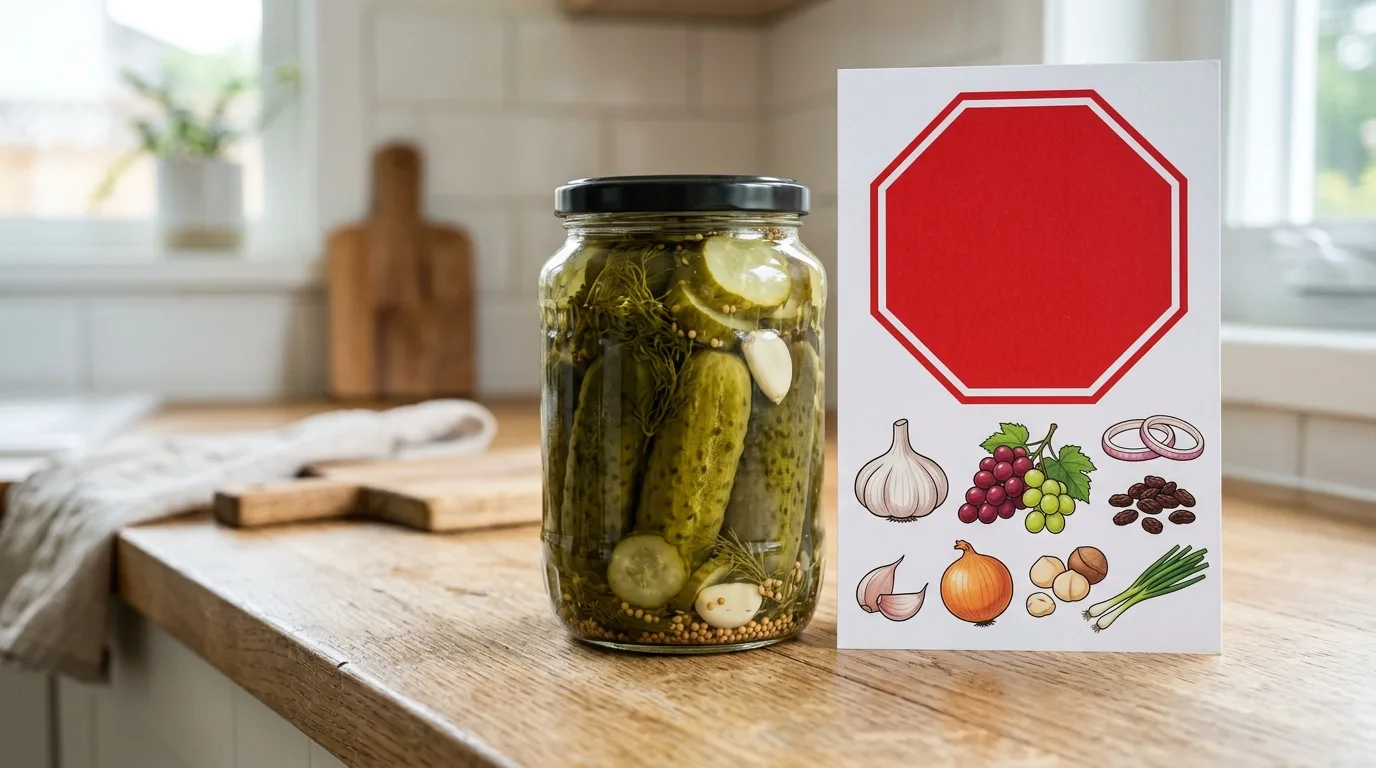
Plain fresh cucumber slices next to a pickle jar illustrating why pickled cucumbers are unsuitable for dogs

Because Frenchies often eat enthusiastically and gulp their food, offering a whole cucumber or thick rounds can lead to food getting stuck in the esophagus or trachea. This risk is amplified in dogs that suffer from anatomical breathing difficulties. Owners should remain aware of breed-specific airway vulnerabilities discussed in our article on French Bulldog breathing problems.

Another major risk involves seasoned or pickled cucumbers. Pickled cucumbers, commonly known as pickles, are prepared in brine containing high levels of sodium, vinegar, and spices. Excessive salt can cause dehydration and sodium ion toxicosis in dogs. More critically, many pickle recipes include garlic or onion powder, both of which are toxic to canines and can damage red blood cells. Rich human foods with high fat or sodium levels, such as those described in Can French Bulldogs Eat Cheese?, should always be handled with strict portion limits.

Note: Never offer your dog cucumbers from salad bowls containing onion, garlic, creamy dressings, or added salt. Only plain, washed, raw cucumbers are suitable for canine consumption.

Can Cucumbers Trigger Digestive Issues in Frenchies?

Feeding excessive amounts of cucumber at one time can cause gastrointestinal upset. Cucumbers contain dietary fiber and high water volumes. When introduced suddenly in large quantities, this combination can lead to loose stools, diarrhea, abdominal gas, or vomiting.

Contact your veterinarian or a pet poison control center immediately if your dog displays severe digestive distress, persistent vomiting, or symptoms of toxicity from seasoned or pickled produce. Never attempt to induce vomiting unless specifically instructed to do so by a licensed veterinarian. Discontinue feeding cucumber right away and ensure fresh water is available, rather than waiting or monitoring symptoms over 24 hours.

How to Feed Cucumbers Safely to a French Bulldog

Serving cucumbers safely requires a few quick preparation steps to eliminate contaminants and choking hazards:

  1. Wash thoroughly: Rinse the cucumber under cold running water to remove pesticides, dirt, and commercial wax coatings.
  2. Peel the skin (recommended): While cucumber skin is not toxic, it can be tough to digest for dogs with sensitive stomachs and may carry pesticide residues.
  3. Remove large seeds: Soft internal seeds are generally safe, but removing dense seed pockets makes digestion easier.
  4. Slice into small cubes: Cut the cucumber into bite-sized cubes, roughly half an inch or smaller, to prevent choking.
  5. Serve plain: Offer the raw cucumber pieces directly, or use them as a topper for your dog’s regular meals.

How Much Cucumber Can a French Bulldog Eat?

Portion size depends on your Frenchie’s body weight, activity level, and overall daily food intake. For an adult French Bulldog weighing between 18 and 28 pounds, a safe portion is 3 to 5 small cubes per serving, offered two or three times a week.

Dog Weight Recommended Serving Size Feeding Frequency
Under 15 lbs (Puppy / Small) 1 to 2 small cubes 1 to 2 times per week
16 to 28 lbs (Adult Frenchie) 3 to 5 small cubes 2 to 3 times per week
Over 28 lbs (Large Frenchie) 5 to 7 small cubes 2 to 3 times per week

Keep in mind that this serving size represents a snack allowance. It should be factored into your dog’s daily 10% treat budget.

Should You Peel and Deseed Cucumbers for Frenchies?

Peeling cucumbers is not strictly mandatory, but it is strongly recommended for French Bulldogs. The outer skin is tough and fibrous, which can irritate the stomach lining or cause mild indigestion in sensitive dogs. Peeling also removes external chemical residues or synthetic waxes applied during commercial packaging.

Internal cucumber seeds are soft and harmless in small amounts. However, scooping out dense seed centers reduces excess moisture and fiber that might otherwise trigger loose stools. For optimal safety and easy digestion, peeling the skin and removing heavy seeds is the best approach.

Special Situations: Puppies, Seniors, and Frenchies with Health Conditions

Special care is needed when considering cucumbers for puppies, senior dogs, or French Bulldogs with chronic medical issues:

  • French Bulldog Puppies: Young puppies under 12 weeks old have delicate digestive systems that are adapted strictly to puppy food. Introducing raw vegetables too early can cause diarrhea and upset nutritional balance. Puppies older than three or four months can try a single small piece of peeled cucumber once approved by a veterinarian.
  • Senior Frenchies: Older dogs often experience dental wear, missing teeth, or reduced jaw strength. Softening cucumber by lightly steaming it without seasoning makes it easier for senior dogs to chew without losing hydration benefits.
  • Dogs with Health Conditions: French Bulldogs with diagnosed kidney disease, cardiac conditions, or chronic gastrointestinal disorders should follow specific prescription diets. While cucumbers are low in sodium, always check with your veterinarian before adding new items to a therapeutic meal plan.

When Should You Avoid Cucumbers Altogether?

You should avoid giving cucumbers to your French Bulldog if your dog has a known history of severe digestive intolerance to raw vegetables. Additionally, dogs currently recovering from gastrointestinal surgery, pancreatitis, or active bouts of gastroenteritis should not receive raw produce.

Contact your veterinarian or a pet poison control center immediately if your Frenchie shows signs of an allergic reaction, such as itchiness, hives, or facial swelling after eating cucumber. Stop feeding cucumber right away and do not wait to observe symptoms before calling for professional care.

How Cucumbers Compare to Other Treats in a French Bulldog’s Diet

Comparing cucumbers to other popular canine treats helps owners build a balanced snack rotation:

  • Cucumbers vs. Celery: Both vegetables are low-calorie and hydrating. Celery contains slightly more fiber, while cucumber is softer and easier to chew when peeled.
  • Cucumbers vs. Fruits: Fruits like apples, bananas, and blueberries contain valuable vitamins but also natural sugars. For instance, owners comparing fruit treats can read Can French Bulldogs Eat Bananas? or explore antioxidant-rich snacks in Can French Bulldogs Eat Blueberries?. Cucumbers provide hydration with far less sugar than fruits.
  • Cucumbers vs. High-Protein Treats: Meat-based treats offer protein but carry significantly more calories. Replacing some meat treats with cucumber helps manage weight while maintaining rewards.

Practical Tips and Owner Checklist

Follow this quick checklist whenever you prepare cucumber snacks for your Frenchie:

  • [x] Select fresh, firm cucumbers that are free from soft spots or mold.
  • [x] Wash the vegetable thoroughly to remove surface residue.
  • [x] Peel the outer skin to aid digestion.
  • [x] Cut into small, bite-sized cubes less than half an inch wide.
  • [x] Serve plain without salt, butter, oil, or seasonings.
  • [x] Limit portions to a few small pieces at a time.
  • [x] Seek immediate veterinary care if your dog exhibits any signs of choking or distress.

Frequently Asked Questions about Can French Bulldogs Have Cucumbers

Can French Bulldogs Eat Cucumber Every Day?

While a small piece of cucumber every day is unlikely to harm a healthy adult dog, offering treats every day can encourage picky eating habits. It is best to rotate cucumbers with other safe snacks a few times a week rather than serving them daily.

Can French Bulldogs Eat Pickled Cucumbers?

No, French Bulldogs should not eat pickled cucumbers. Pickles contain high levels of sodium, vinegar, and spices that can cause stomach upset, dehydration, and elevated blood pressure. Furthermore, pickles often contain garlic or onion ingredients that are toxic to dogs. Contact your veterinarian or a pet poison control center immediately if your dog accidentally consumes pickled cucumbers or garlic/onion ingredients.

Can Cucumber Help Keep My French Bulldog Cool?

Chilled cucumber slices can provide a refreshing, hydrating snack during hot summer days. However, cucumber slices alone cannot prevent heatstroke. French Bulldogs are prone to overheating, so always provide shade, air conditioning, and fresh drinking water during warm weather.

What Should I Do If My French Bulldog Chokes on Cucumber?

Contact your veterinarian or emergency pet clinic immediately if your Frenchie exhibits signs of choking, such as frantic coughing, gagging, pawing at the mouth, or blue-tinted gums. Place emergency medical contact first before taking any other step, and never attempt to induce vomiting unless specifically directed by a veterinarian. To prevent choking, always cut cucumbers into small, manageable pieces before serving.

Dr. Jenny Max, DVM

About Dr. Jenny Max, DVM

Lead Veterinary Editor & Small Animal Nutrition Specialist

Credentials: DVM, Small Animal Nutrition Specialist

Dr. Jenny Max, DVM is the Lead Veterinary Editor at ShowDogsWest, dedicated to translating complex veterinary science into clear, actionable guidance on pet health, nutrition, and responsible care.

View all articles by Jenny How we create and review content

Leave a Reply

Your email address will not be published. Required fields are marked *

Dog Breeds

Can French Bulldogs Eat Parsnips? Safety, Benefits & Serving Guide

Can French Bulldogs eat this root vegetable? Yes, they can consume it in moderation when cooked plain, chopped small, and unseasoned. The roots are not toxic to dogs and provide fiber, vitamin C, and potassium. French Bulldogs have sensitive digestion and brachycephalic anatomy, making portion control and small pieces important to prevent gas and choking.

August 9, 2026 By Dr. Jenny Max, DVM

Can French Bulldogs Eat Ham? Safety, Risks, and Alternatives

People often ask, can French Bulldogs eat ham? A healthy dog can physically eat a tiny piece of plain, fully cooked ham without immediate harm, but you should avoid feeding it regularly. Ham is exceptionally high in sodium and fat, which offers no real nutritional benefit and can trigger severe stomach upset or pancreatitis.

August 9, 2026 By Dr. Jenny Max, DVM

When Are Pugs Considered Senior Dogs?

When are Pugs considered senior dogs? Most owners should begin treating a Pug as a senior around age 8, with age 7 a sensible point to start the conversation. The American Animal Hospital Association defines a senior dog as one entering the last 25% of its estimated lifespan, meaning health history matters alongside the calendar.

August 7, 2026 By Dr. Jenny Max, DVM