

Table of Contents
Can French Bulldogs eat parsnips safely? Yes, French Bulldogs can eat parsnips in moderation when cooked plain, chopped small, and unseasoned. The cooked roots are not toxic to dogs and provide dietary fiber, vitamin C, and potassium. French Bulldogs have sensitive digestion and brachycephalic anatomy, making portion control and small pieces important to prevent gas and choking.
- Plain, cooked roots are safe for French Bulldogs in small amounts.
- Raw pieces are a choking hazard for this brachycephalic breed.
- Excess fiber can cause flatulence and loose stool.
- Cow parsnip is a toxic wild plant and completely different from the garden variety.
Nutritional Profile for Dogs
These vegetables belong to the Apiaceae botanical family, the same group as carrots and celery. They are a root with a pale color and an earthy, slightly sweet taste when cooked.
According to USDA FoodData Central, 100 grams of cooked, boiled parsnips without salt provides about 71 calories, 1.3 grams of protein, 0.3 grams of fat, and 17 grams of carbohydrates, including 4.8 grams of natural sugars and roughly 5 grams of dietary fiber. This vegetable also delivers essential micronutrients: 13 milligrams of vitamin C, 58 micrograms of folate, and 367 milligrams of potassium. This nutrient density is higher than some other vegetables, meaning it is more filling. You can compare this carbohydrate load to a Frenchie rice serving when planning meals.
Are they different from carrots nutritionally?
They contain more calories, carbohydrates, and fiber than carrots per 100 grams. Both are non-toxic root vegetables, but the higher starch content means owners should serve smaller portions to a compact breed like the Frenchie.
| Nutrient (per 100g cooked) | Parsnip | Carrot |
|---|---|---|
| Calories | 71 kcal | 35 kcal |
| Carbohydrates | 17.0 g | 8.2 g |
| Fiber | 5.0 g | 3.0 g |
Health Benefits for French Bulldogs
Adding small amounts of this plain root to your dog’s diet offers several benefits. The vegetable works as a low-fat treat alternative to processed snacks.
- Dietary fiber: Supports regular bowel movements and gut health.
- Vitamins C and B6: Support metabolic function and the immune system.
- Potassium: Essential for proper muscle and nerve function.
You can combine this food with other safe ingredients. Pairing it with a lean protein like lamb or serving it alongside other low-calorie vegetables such as cucumber can add variety to their diet.
Does this vegetable help with weight management?
At 71 calories per 100 grams, the plain cooked root has fewer calories than most commercial dog treats. It works as a substitute treat for weight-conscious owners, provided the portions stay small and infrequent.
Risks and Side Effects Specific to French Bulldogs
Generic feeding advice for dogs requires adjustment for French Bulldogs. The breed has specific physical traits that change how they process food.
- Digestive upset and flatulence: Too much fiber at once can cause loose stool.
- Choking hazard: Raw chunks are difficult to chew and swallow safely.
- Potassium concerns: The 367 mg of potassium per 100g can be problematic for dogs with existing kidney disease, as compromised kidneys struggle to filter excess minerals.
- Dangerous additives: Roast preparations cooked with oil, salt, garlic, or honey glaze are unsafe for dogs. Veterinary advice on Dogster emphasizes that raw pieces pose a severe choking risk, making cooked, unseasoned preparation mandatory.
French Bulldogs are prone to airway issues. Their brachycephalic anatomy makes swallowing large, hard items dangerous. Always prioritize soft, cooked foods.
Can this food make a French Bulldog’s gas worse?
Yes. The fiber (5g per 100g) and sulfur-containing compounds can increase gas production in the gut. Since Frenchies are already prone to excess gas due to their sensitive digestion and tendency to gulp air, you should introduce the vegetable gradually.
What if my French Bulldog vomits after eating it?
Occasional mild vomiting can happen when introducing any new vegetable. But persistent vomiting after a new food, especially when combined with lethargy, requires veterinary evaluation. Do not assume it is just a mild reaction to the roots.
How to Prepare It Safely for a French Bulldog
Preparation determines whether this vegetable is safe or dangerous. Follow these steps for your dog.
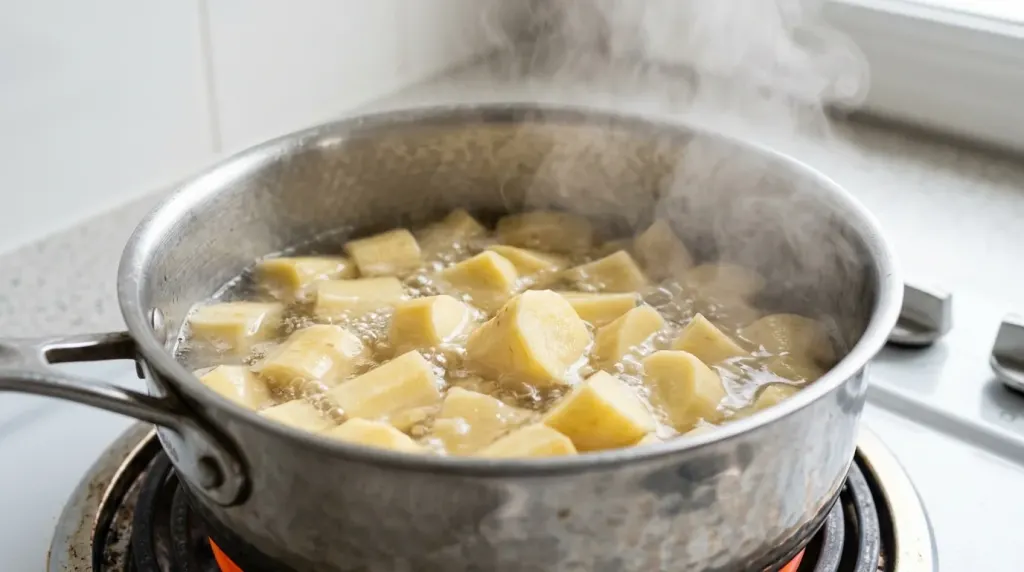
- Wash thoroughly to remove dirt and residue. You do not need to peel it because many nutrients sit close to the skin.
- Cut the vegetable into small, bite-sized pieces to prevent choking.
- Cook the pieces until soft by boiling or steaming them.
- Serve them plain. Do not add oil, butter, salt, or spices.
The same plain, no-seasoning rule applies to peanut butter treats and other human foods.
Can French Bulldogs eat it raw?
Technically yes, but the raw root is highly fibrous and hard to digest. Its firm texture increases the choking risk for a flat-faced breed. Cooked, softened pieces are always the safer choice.
How Much Can a French Bulldog Eat?
Portion control is important. A small-to-medium French Bulldog weighing 16 to 28 pounds should eat no more than one to two small chunks of cooked parsnip per serving. This is roughly equal to one tablespoon.
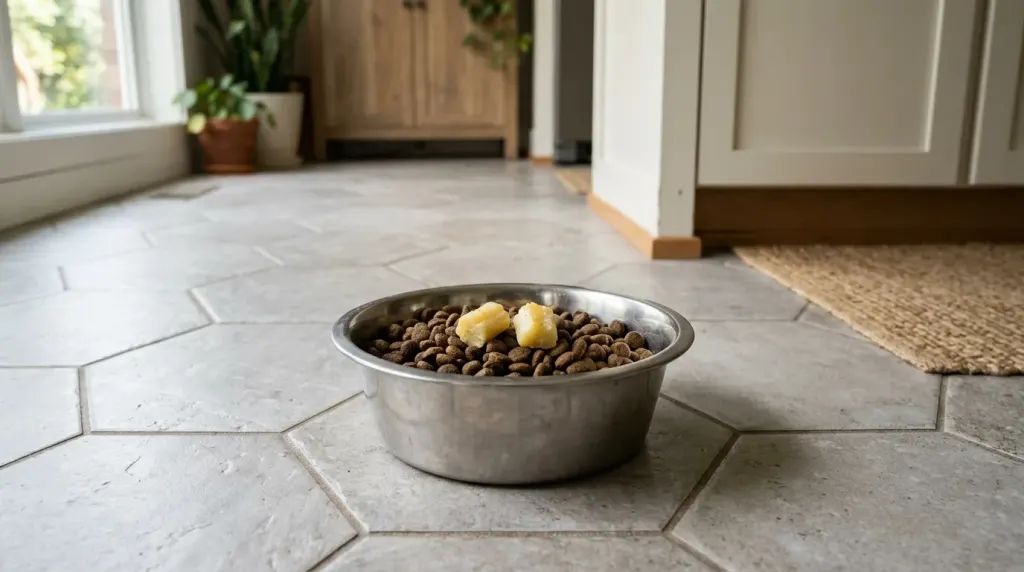
Keep all treats under 10 percent of the dog’s daily caloric intake.
| Dog Weight | Suggested Maximum Serving |
|---|---|
| Under 15 lbs | 1/2 tablespoon |
| 16 to 28 lbs | 1 tablespoon |
| Over 28 lbs | 1.5 tablespoons |
How often can I give my dog this treat?
It should be an occasional treat. You can offer it once or twice a week. Feeding it daily can lead to excess fiber intake and unwanted weight gain.
Nutritional Comparisons with Other Foods
This root belongs in the “safe in moderation when plain” category, alongside many other fruits and vegetables. Root vegetables generally have different sugar and calorie profiles than fruits.
For example, as with peach servings, sugar content changes the moderation math. Peaches contain more natural sugar than the cooked roots. Similarly, cantaloupe follows a similar portion-control logic but provides more hydration.
| Food | Calories (per 100g) | Main Consideration |
|---|---|---|
| Parsnip (cooked) | 71 kcal | High fiber, choking risk if raw |
| Peach (raw) | 39 kcal | Natural sugar content, pit hazard |
| Cantaloupe (raw) | 34 kcal | High water content, moderate sugar |
Signs of Allergic Reaction or Digestive Upset
Watch your dog closely after offering a new food. Look for vomiting, diarrhea, excessive scratching, skin redness, or lethargy. Sudden hair loss caused by an adverse food reaction is distinct from regular French Bulldog shedding.
Note: The true garden variety is completely different from cow parsnip (Heracleum maximum). The ASPCA Animal Poison Control Center lists cow parsnip as a toxic wild plant that causes severe skin irritation and photosensitization.
Could redness or shaking after eating mean something serious?
Isolated mild reactions are rarely emergencies. But if your dog shows persistent red or irritated eyes, disorientation, or shaking combined with other symptoms, call a veterinarian the same day. Do not wait for these severe signs to pass.
Brachycephalic-Specific Feeding Considerations
French Bulldogs need specific feeding rules because of their physical structure.
- The breed’s compact airway anatomy makes them vulnerable to choking.
- They tend to eat quickly and gulp air, which worsens gas.
- Their limited exercise tolerance makes them prone to obesity, meaning every calorie counts.
These factors make soft, small, and calorie-controlled treats essential.
FAQ about French Bulldogs and These Roots
Are the greens or leaves toxic to dogs?
The leaves of the garden plant can cause skin irritation in some dogs due to furanocoumarins. It is safest to feed only the peeled or washed root.
Can puppies eat them?
Puppies have very sensitive digestive systems. While a tiny amount of the plain cooked vegetable is not toxic, it is better to stick to their formulated puppy food to avoid stomach upset.
Can French Bulldogs eat the skin?
Yes, the skin is safe to eat and contains nutrients. Just make sure you wash it thoroughly to remove any dirt or pesticide residue before cooking.



Leave a Reply