
Table of Contents
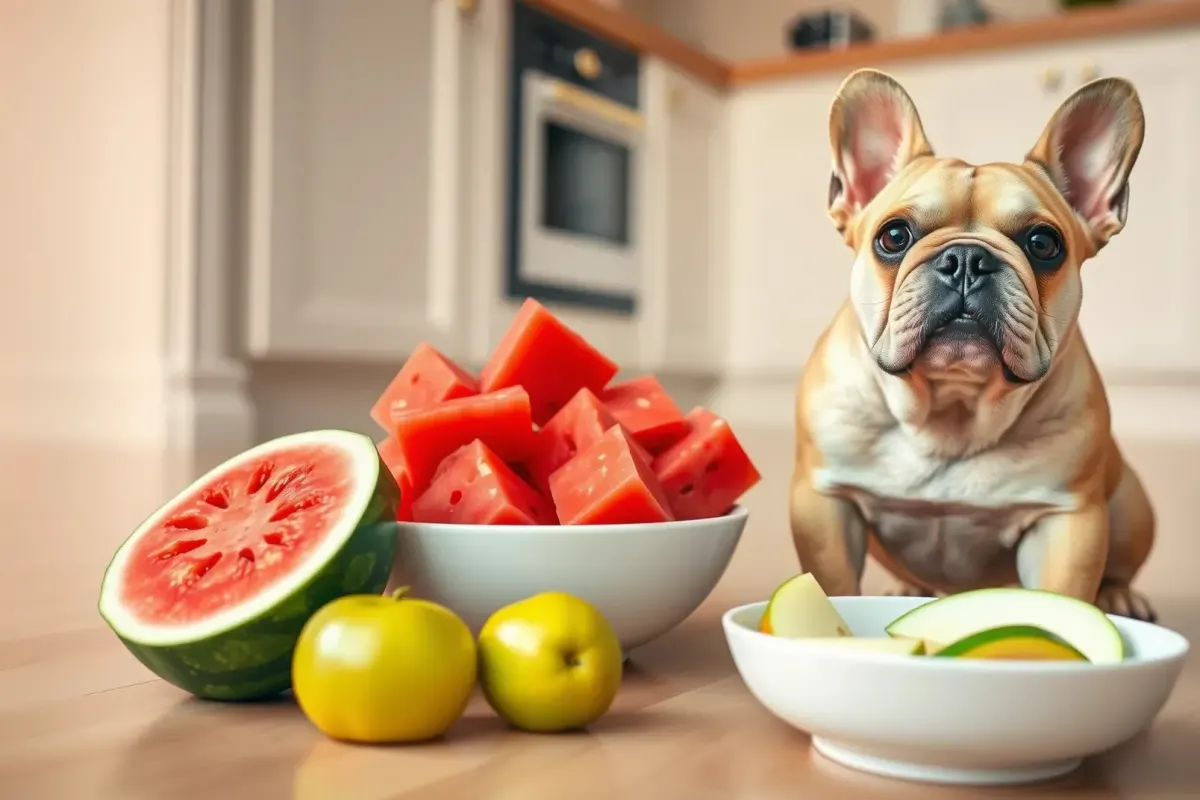
When considering what fruit French Bulldogs can eat, safe options include plain, bite-sized pieces of fresh cantaloupe, peeled bananas, pitted peaches, blueberries, apples without seeds, and seedless watermelon in moderation. All fruits must be washed thoroughly with all seeds, cores, pits, tough rinds, and thick peels completely removed. Because French Bulldogs have compact bodies and sensitive digestion, fruit snacks should never exceed 10% of their total daily caloric intake. Grapes, raisins, cherries, and avocados are toxic to dogs and must never be fed under any circumstances.
- Safe fresh fruits include seedless cantaloupe, peeled bananas, pitted peach flesh, blueberries, and deseeded apples.
- Fruit pits, seeds, cores, and tough rinds present choking, cyanide, and intestinal obstruction hazards.
- Total daily fruit treats must stay under 10% of your French Bulldog's calorie budget, roughly 50 to 70 calories for a 25-pound adult.
- Toxic fruits such as grapes, raisins, avocados, and cherries cause organ failure or poisoning and require emergency care.
- Introduce each new fruit individually in single small pieces to evaluate digestive tolerance and stool consistency.
Safe fruits for French bulldogs
French Bulldogs can enjoy several common fresh fruits as healthy, hydrating snacks. Fruit provides valuable micronutrients, including vitamin A, vitamin C, potassium, dietary fiber, and natural antioxidants. These nutrients help support immune function, cellular health, and intestinal regularity.
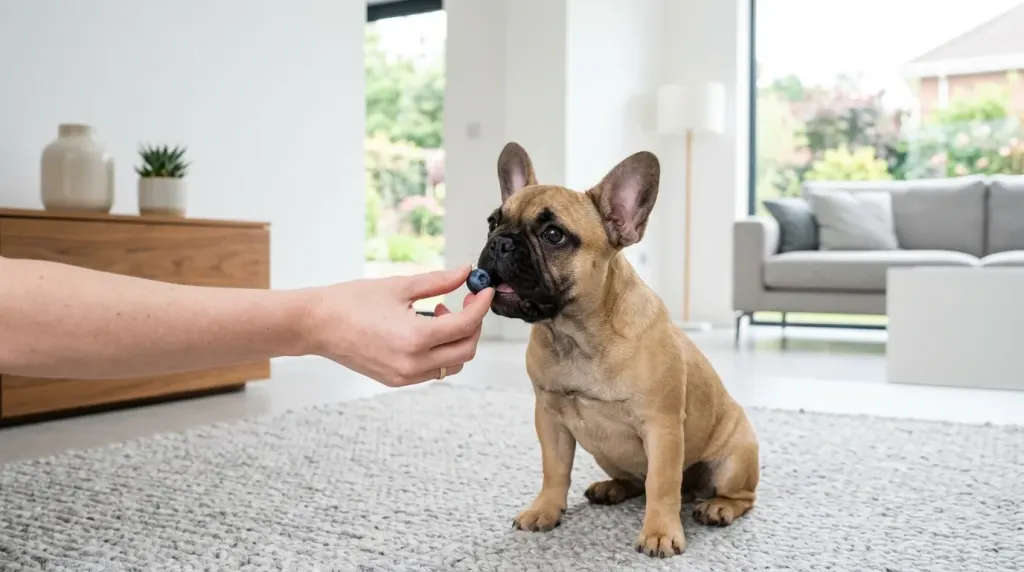
However, a dog’s digestive system differs significantly from a human digestive tract. Dogs are omnivores with strong carnivore adaptations, meaning their primary nutrition must come from a complete and balanced canine diet. Fruit should only serve as an occasional reward. Furthermore, French Bulldogs possess unique physical traits, notably a flat brachycephalic facial structure and a narrow airway, which make them more vulnerable to mechanical choking when swallowing large or slippery food items.
When selecting fruit snacks, always prioritize low-calorie, nutrient-dense varieties that provide hydration without overloading your dog with simple sugars. While fruits supply healthy vitamins, they cannot provide the steady energy found in staple carbohydrates like plain cooked rice for French Bulldogs, which veterinarians rely on for bland digestive recovery.
Cantaloupe preparation for French bulldogs
Cantaloupe is an excellent hydrating snack for French Bulldogs, especially during warm weather. Fresh cantaloupe flesh is composed of approximately 90% water by weight, making it a refreshing treat for dogs that pant heavily after light play. In addition to moisture, cantaloupe supplies beta-carotene, which converts to vitamin A, alongside vitamin C and potassium.
Nutritionally, 100 grams of raw cantaloupe contains approximately 34 calories and 7.9 grams of natural sugar. While cantaloupe is relatively low in calories compared to many processed dog treats, the natural sugar content requires strict portion control. Following specific feeding advice for cantaloupe in French Bulldogs ensures owners keep servings limited to one or two half-inch cubes for an adult dog weighing 20 to 28 pounds.
Preparation requires slicing away the entire outer rind and scooping out all interior seeds. The net-textured rind of a cantaloupe is tough and fibrous, making it impossible for canine stomach acid to break down properly. If swallowed, pieces of rind can lodge in the narrow intestines of a Frenchie, creating a life-threatening mechanical blockage. For owners seeking a crunchy hydrating treat with even less natural sugar, serving crisp cucumber slices for French Bulldogs offers a low-calorie alternative that requires minimal prep.
Bananas in French bulldog diets
Bananas are completely safe and non-toxic for French Bulldogs when served in small, controlled portions. Bananas are rich in potassium, vitamin B6, vitamin C, magnesium, and soluble fiber. These micronutrients assist in supporting cardiac health, muscular function, and healthy digestion.
Despite these benefits, bananas are among the most calorie-dense and sugar-rich fruits you can offer a dog. Raw banana contains approximately 89 calories, 22.8 grams of carbohydrates, and 12.2 grams of sugar per 100 grams. Feeding an entire banana to a 25-pound French Bulldog would consume nearly a third of their total daily caloric requirement, easily promoting unwanted weight gain and joint stress over time.
A safe serving of banana for an adult French Bulldog is two to three thin slices, roughly a quarter-inch thick. Always remove and discard the banana peel completely. Banana peels are not toxic, but their leathery, fibrous structure is indigestible and poses a severe choking and impaction hazard. Because high amounts of fruit sugar can ferment rapidly in the colon and trigger excessive flatulence in French Bulldogs, introduce banana gradually and monitor your dog’s stool consistency.
Peaches and pit removal safety
Fresh, ripe peach flesh is safe for French Bulldogs to eat and offers a good source of dietary fiber, vitamin A, and antioxidants. The soft consistency of ripe peach flesh is easy for dogs with compressed jaws to chew when cut into thin slices.
According to nutritional guidelines published by the American Kennel Club, peach flesh is a healthy treat, but whole stone fruits must never be accessible to dogs. The primary danger of peaches rests entirely within the center pit, also called the stone. Peach pits contain amygdalin, a natural compound that releases toxic cyanide during digestion. Additionally, a swallowed peach pit presents a severe choking hazard and intestinal blockage risk that frequently requires emergency surgery.
To prepare peaches safely, wash the skin thoroughly under running water to remove agricultural residues. Cut the fresh flesh away from the stone, discarding the pit, stem, and leaves immediately in a secure outdoor trash bin. Reviewing fresh peach safety guidelines for French Bulldogs provides step-by-step methods to freeze clean slices for warm afternoons. While sweet stone fruits make rewarding snacks, complete protein sources such as cooked salmon meals for French Bulldogs should remain the cornerstone of any balanced supplementary meal. Fresh peach flesh provides useful hydration and micronutrients, but whole stone fruits pose severe physical and chemical hazards. The central stone contains amygdalin, which releases cyanide when chewed, and its rough texture can cause mechanical obstruction in small intestinal tracts.
Fruits to avoid or limit
While many fruits make healthy treats, several common fruits contain compounds that are poisonous to canines. Feeding the wrong fruit can trigger acute organ failure, severe poisoning, or fatal intestinal blockages. Every dog owner must keep the following fruits completely out of their pet’s reach.
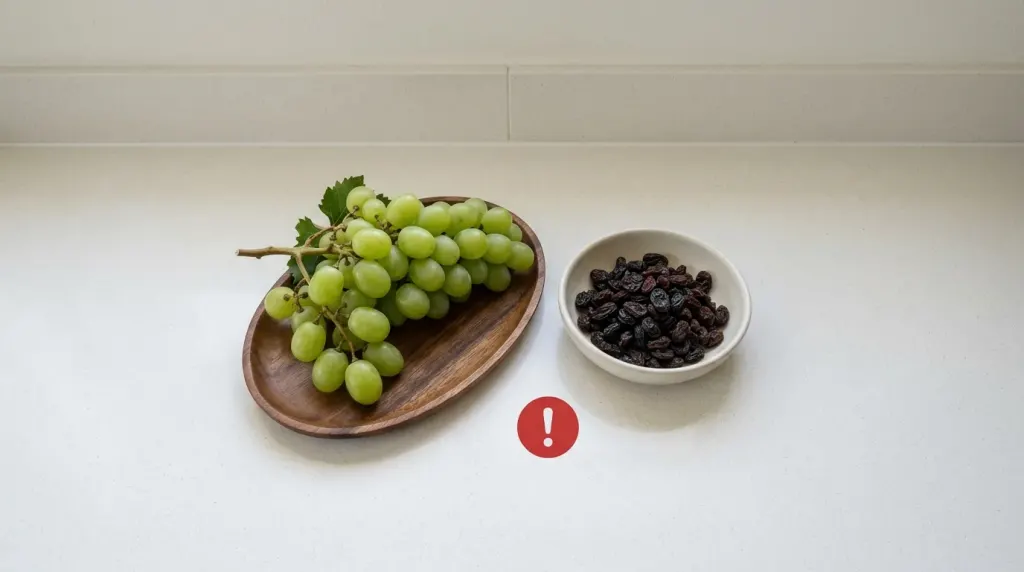
The most dangerous fruits for dogs are grapes and raisins, including sultanas and currants. The Cornell Riney Canine Health Center emphasizes that grapes and raisins can cause acute, irreversible kidney damage in dogs. Recent veterinary research identifies tartaric acid and potassium bitartrate as the primary toxic agents. The toxic dose is unpredictable and varies between individual animals, meaning even a single grape or raisin can cause severe renal failure in a small dog.
Other hazardous fruits include:
- Avocados: Avocado skin, leaves, and pit contain persin, a fungicidal toxin that causes stomach upset, vomiting, and diarrhea in dogs. The large central seed also presents a major obstruction risk.
- Cherries: Cherry pits, stems, and foliage contain concentrated cyanide. Whole cherries can easily lodge in a Frenchie’s airway or stomach exit.
- Wild Berries: Unidentified wild berries often carry toxic alkaloids and saponins that trigger gastrointestinal collapse and neurological distress.
- Citrus in Excess: While small tastes of orange flesh are not strictly toxic, citrus fruits contain citric acid and essential oils that can irritate a Frenchie’s sensitive digestive lining.
If your dog ingests any toxic fruit or foreign material, contact your veterinarian or animal poison control immediately. Do not attempt to induce vomiting unless directed by a veterinary professional, as brachycephalic airways create severe aspiration risks. For ongoing digestive upset from non-toxic foods, reviewing clinical causes of persistent vomiting in French Bulldogs helps track patterns to discuss during a routine examination.
When considering store-bought fruit snacks or packaged treats, always check ingredient labels for artificial sweeteners. Substances like xylitol, also called birch sugar, are rapidly lethal to dogs, which is also a crucial consideration when checking xylitol risks in peanut butter snacks for French Bulldogs.
Note: Grape and raisin toxicity is unpredictable and dose independent. Any ingestion of grapes, raisins, or currants requires immediate veterinary evaluation rather than waiting for gastrointestinal symptoms to appear.
Serving guidelines and safety basics
Feeding fruit safely requires adhering to veterinary caloric limits and careful kitchen preparation. Supplemental snacks of any type must never displace a complete, nutritionally balanced commercial or home-prepared canine diet.
The Tufts Clinical Nutrition Service recommends that treats and supplementary foods make up no more than 10% of your dog’s total daily caloric intake. The remaining 90% must come from their primary balanced food to ensure proper levels of bioavailable protein, essential fatty acids, vitamins, and minerals.
For an adult French Bulldog weighing between 20 and 28 pounds with an average daily maintenance budget of 550 to 700 calories, daily treat allowances should strictly remain between 50 and 70 calories. For instance, two thin slices of peeled apple alongside four fresh blueberries easily meet this treat ceiling without disrupting daily nutritional balance. Because flat-faced French Bulldogs frequently inhale food without chewing, cut all produce into small half-inch bites or smear pureed fruit across a silicone lick mat to slow eating.
Follow these essential preparation guidelines:
- Wash thoroughly: Rinse all produce under cold running water to eliminate dirt, bacteria, and surface pesticide residues.
- Remove seeds and pits: Cut away apple cores, scoop out melon seeds, and discard all stone fruit pits.
- Peel tough rinds: Remove and discard fibrous melon rinds, thick banana peels, and citrus skins.
- Cut into small bites: Slice all fruit into pieces no larger than a half-inch to prevent rapid swallowing and airway obstruction.
- Serve plain: Avoid canned fruit packed in heavy syrup, fruit preserves, dried fruit snacks, or items with added sugar.
| Fruit | Calories per 100g | Natural Sugar | Safe Portion (20-28 lb Frenchie) | Key Nutritional Benefit | Major Hazard to Remove |
|---|---|---|---|---|---|
| Cantaloupe | 34 kcal | 7.9 g | 1-2 small cubes (1/2 inch) | Hydration, Beta-Carotene, Vitamin C | Tough outer rind and interior seeds |
| Fresh Peaches | 39 kcal | 8.4 g | 1-2 thin fresh slices | Vitamin A, Antioxidants | Cyanide-bearing pit and choking hazard |
| Banana | 89 kcal | 12.2 g | 2-3 thin slices (1/4 inch) | Potassium, Vitamin B6, Magnesium | Indigestible peel and high sugar |
| Blueberries | 57 kcal | 9.9 g | 4-6 whole fresh berries | Anthocyanins, Fiber, Vitamin K | Overfeeding causing loose stool |
| Apple (Flesh) | 52 kcal | 10.4 g | 1-2 thin peeled slices | Vitamin C, Quercetin, Pectin | Core and cyanide-containing seeds |
| Watermelon | 30 kcal | 6.2 g | 2-3 small seedless chunks | 92% Water, Lycopene, Hydration | Green rind and black seeds |
| Strawberries | 32 kcal | 4.9 g | 1 medium strawberry (sliced) | Vitamin C, Malic enzyme | Green leaves and choking on whole berry |
While fresh fruit provides low-fat hydration, applying strict portion rules to human foods is essential across your dog’s diet. Even light pantry snacks like unseasoned plain popcorn for French Bulldogs must be fed without butter or salt, whereas high-sodium deli items such as fatty ham for French Bulldogs should be completely avoided.
Frequently asked questions about what fruit French bulldogs can eat
Can fruit replace dog food?
Fruit cannot replace balanced dog food. Fruits lack the essential proteins, amino acids, calcium, phosphorus, and essential fatty acids that dogs require for daily organ and muscular health. Feeding excess fruit while reducing primary food leads to serious nutritional deficiencies and gastrointestinal upset.
What if my French bulldog has an adverse reaction?
Contact your veterinarian or animal poison control immediately if your French Bulldog ingests any toxic fruit, such as grapes, raisins, or a stone fruit pit, or displays acute distress such as continuous vomiting, sudden lethargy, or labored breathing. Never wait for toxic symptoms to appear or delay seeking veterinary care, and never attempt to induce vomiting at home unless explicitly instructed by a veterinary professional. For mild digestive intolerance after a safe fruit, such as temporary gas or a single soft stool, remove the fruit immediately and consult your clinic if normal bowel function does not return promptly.
Are there fruits specifically good for French bulldogs with sensitive digestion?
Blueberries, seedless watermelon, and peeled apples are often well tolerated by dogs with sensitive stomachs when given in very small amounts. Blueberries provide antioxidants with minimal acidity, while watermelon offers gentle hydration. Always introduce one fruit at a time to confirm digestive tolerance.



Leave a Reply