Skip to content

How to Express French Bulldog Glands at Home Safely

Dr. Jenny Max, DVM
8 min read
Share:
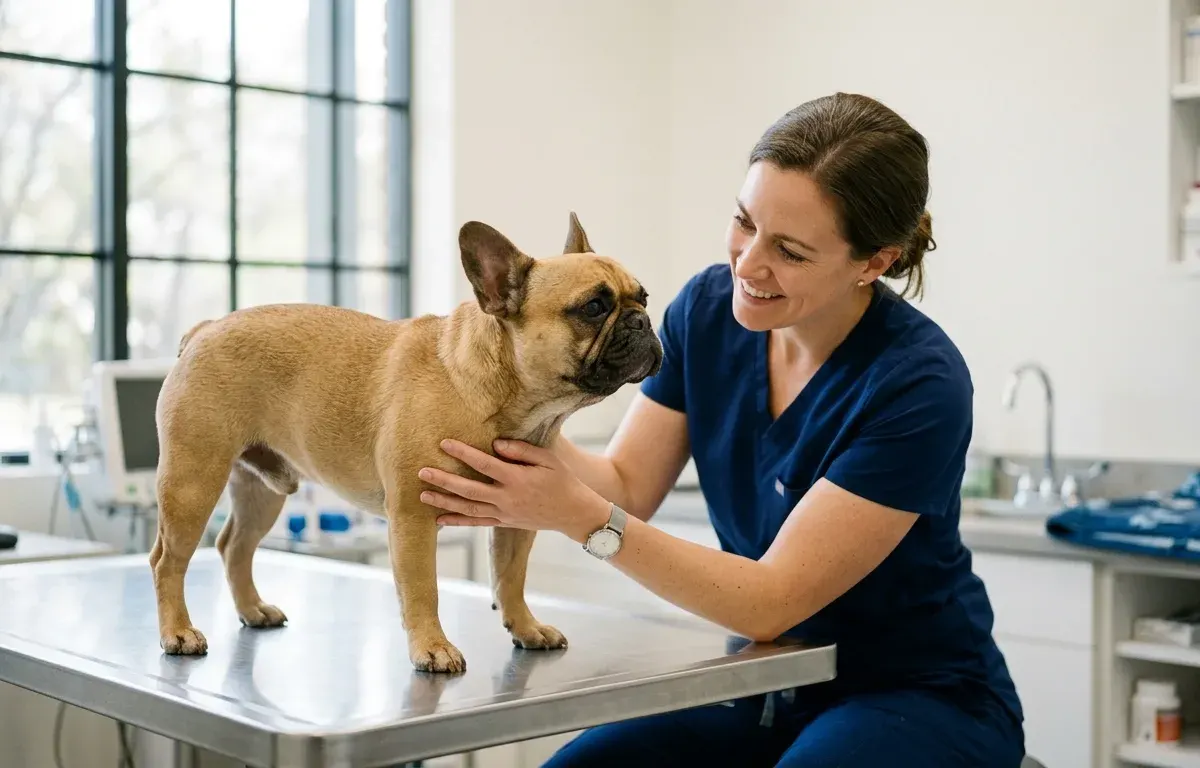
Veterinarian inspecting a French Bulldog in a bright clinic setting
Quick Answer

Learning how to express French Bulldog glands at home involves using either an external or internal technique, but it should only be performed when a veterinarian confirms it is necessary. Unnecessary manual expression can irritate delicate tissue and impair the glands' natural ability to empty during bowel movements.

Key Takeaways
  • Anal glands sit at the 4 o'clock and 8 o'clock positions around the anus and secrete fluid during normal defecation.
  • French Bulldogs are prone to gland impaction due to their compact body structure, tail placement, and occasional soft stools.
  • Necessary supplies include disposable nitrile gloves, sterile gauze or paper towels, water-based lubricant, and an assistant.
  • The external method gently compresses the glands from the outside, while the internal method empties the sacs from within the rectum.
  • Scooting, rear biting, and a strong fishy odor indicate fullness; bloody discharge, severe swelling, or crying requires veterinary care.
  • Adding dietary fiber such as pumpkin or safe vegetables helps bulk up stools so glands empty naturally.

Understanding French Bulldog Anal Gland Location and Function

Anal glands, technically known as anal sacs, are two small scent-producing pouches located beneath the skin on either side of the anus, specifically at the 4 o’clock and 8 o’clock positions. These sacs contain specialized sebaceous glands that produce a dark, oily fluid with a distinct fishy odor. Under normal conditions, every time a dog passes a firm stool, the pressure squeezes the sacs, releasing a small amount of fluid. This process serves two main biological purposes: lubricating the rectum during defecation and scent-marking territory to communicate identity to other dogs.

In healthy dogs, this self-emptying mechanism operates automatically without human intervention. However, when stools are consistently soft or when the opening of the sac duct becomes inflamed, fluid accumulates inside the pouches. Over time, trapped fluid thickens, creating discomfort and leading to gland impaction, inflammation, or painful abscesses.

Why Are French Bulldogs More Prone to Anal Gland Impaction?

French Bulldogs suffer from anal gland problems more frequently than many other breeds due to their unique physical traits. As a brachycephalic breed with a compact, sturdy frame, Frenchies often possess shallow pelvic structures and tight screw tails that alter normal muscle pressure around the rectum. When a French Bulldog defaecates, these anatomical variations can reduce the natural compression exerted on the anal sacs.

Weight management also plays a significant role. Overweight French Bulldogs develop extra fat deposits around the pelvis, which further dampens the mechanical pressure required to empty the sacs naturally. Monitoring the adult size and growth patterns of French Bulldogs helps owners ensure their pet remains within an optimal weight range, reducing unnecessary strain on the rectal anatomy.

Essential Supplies Needed Before Expressing Anal Glands

Attempting to express your French Bulldog’s anal glands without proper preparation increases the risk of contamination, discomfort, or injury. Before beginning, assemble all necessary items on a flat, easy-to-clean surface:

A groomer wearing gloves preparing supplies to express French Bulldog anal glands safely
  • Disposable nitrile gloves: Wearing clean, powder-free gloves protects your hands from bacteria and harsh odors.
  • Sterile gauze pads or heavy paper towels: These absorb the expelled fluid and prevent splashing during compression.
  • Water-based lubricant: Essential if performing the internal expression method to prevent rectal tears.
  • Dog wipes or warm soapy water: Useful for cleaning your Frenchie’s rear end thoroughly after the procedure.
  • A helper: Having a second person hold your Frenchie gently under the chest keeps the dog calm and still.

Setting up in a bathroom or utility area makes post-procedure cleanup significantly easier. Offering gentle distractions such as antioxidant-rich blueberries as a reward can also keep your dog calm during preparation. Avoid working on carpets or upholstered furniture, as anal gland fluid leaves persistent odors that are difficult to remove.

Two Methods to Express French Bulldog Anal Glands at Home

Veterinarians classify anal gland expression into two distinct techniques: external and internal. The external method is simpler and less invasive, making it the preferred starting point for dog owners. Maintaining a calm environment during physical handling is essential, especially when evaluating breathing issues in brachycephalic dogs to prevent respiratory stress while restraining your pet. The internal method provides more complete emptying but requires greater care and precision.

Step-by-Step External Anal Gland Expression

The external method squeezes both sacs simultaneously from the outside of the body:

  1. Position your dog: Have your helper gently hold your French Bulldog in a standing position, supporting the belly and chest.
  2. Lift the tail: Raise the tail gently to expose the anal region completely.
  3. Locate the sacs: Put on gloves and place your thumb and index finger on the skin outside the anus at the 4 o’clock and 8 o’clock positions, about one inch away from the anal opening. You should feel two small, firm structures similar to small grapes.
  4. Apply gentle pressure: Cover the area with a folded gauze pad. Press your fingers slightly inward toward the spine, then squeeze gently together while pushing upward toward the rectal opening.
  5. Wipe and clean: Fluid should escape onto the gauze pad. Once the fluid stops flowing and the sacs feel soft, wipe the area thoroughly with dog-safe wipes.

If fluid does not release after two or three gentle attempts, stop immediately. Excessive force can rupture inflamed gland walls.

Step-by-Step Internal Anal Gland Expression

The internal method is used when external pressure fails to empty deep or stubborn impactions:

  1. Prepare your index finger: Put on gloves and apply a generous coat of water-based lubricant to your dominant index finger.
  2. Insert the finger: Gently insert your lubricated index finger about one inch into your Frenchie’s rectum, keeping your thumb on the outside skin.
  3. Isolate the sac: Feel between your internal index finger and external thumb at the 4 o’clock or 8 o’clock position to pinch the firm sac gently.
  4. Milk the fluid outward: Compress the sac from behind, pushing the trapped fluid forward toward the rectal opening into a gauze pad held by your other hand.
  5. Repeat for the opposite side: Repeat the process for the sac on the opposite side, then clean the area thoroughly with warm water.

Internal expression should only be attempted if demonstrated beforehand by a veterinary technician, as improper technique can tear sensitive mucosal linings.

Recognizing Signs of Impacted or Infected Anal Glands

Recognizing early warning signs allows owners to take action before a simple impaction turns into an abscess:

Symptom Severity Level Required Action
Scooting rear end on carpets Mild / Early Impaction Monitor stool firming; attempt external expression if verified by vet
Licking or biting rear quarters Mild to Moderate Inspect rear for redness; check for fishy odor
Strong fishy odor without visible fluid Moderate Impaction Schedule routine grooming or veterinary check
Swelling, redness, or heat near anus Severe / Potential Abscess Consult veterinarian immediately; do not squeeze
Blood or yellow pus in expressed fluid Critical Infection Urgent veterinary evaluation and prescription antibiotics required

When French Bulldogs experience rectal discomfort, they frequently display noticeable behavioral changes when French Bulldogs experience discomfort, such as sudden restlessness, reluctance to sit, or seeking extra attention from owners.

Preventing Anal Gland Problems Through Diet and Weight Management

The most effective way to manage anal gland health in French Bulldogs is preventing impaction naturally through dietary consistency and weight control. Firm, bulked stools exert adequate mechanical pressure against the rectal walls during bowel movements, squeezing the sacs empty without manual assistance.

Key preventive strategies include:

  • Maintaining lean body mass: Keeping your dog at an ideal weight prevents pelvic fat accumulation from interfering with natural gland function.
  • Adding insoluble fiber: Soluble and insoluble plant fibers absorb water in the digestive tract, forming firm, solid stools.
  • Ensuring daily exercise: Moderate daily walking stimulates healthy gastrointestinal motility and natural muscle contractions.

Safe High-Fiber Foods for French Bulldogs

Introducing small amounts of wholesome high-fiber foods into your Frenchie’s meal plan can improve stool consistency within a few days:

High-fiber dietary supplements including pumpkin and celery to prevent French Bulldog anal gland impaction
  • Plain canned pumpkin: Adding 1 to 2 teaspoons of pure, unseasoned pumpkin puree to daily meals adds bulk and moisture.
  • Celery: Offering small pieces of fresh celery as a low-calorie fiber snack supplies natural crunch and dietary fiber.
  • Apples: Feeding core-free plain apple slices for digestion delivers pectin fiber that helps firm up loose stools.
  • Blueberries: Serving a few fresh antioxidant-rich blueberries supports overall gut health and digestive regularity.

Always introduce new foods gradually to avoid gastrointestinal upset or diarrhea.

When to See a Veterinarian for French Bulldog Anal Gland Issues

While routine expression of mild fullness can be managed at home, certain clinical signs indicate medical complications that require professional intervention.

Consult your veterinarian immediately if you observe:

  • Severe pain response, such as yelping, growling, or snapping when the tail area is touched.
  • Visible skin ruptures, bleeding, or open sores near the anus, which signal a ruptured anal sac abscess.
  • Thick, bloody, or purulent (pus-like) discharge coming from the rectal region.
  • Persistent impaction that fails to empty after proper manual attempts.

According to clinical guidance from VCA Animal Hospitals and Dr. RJ Kraemer, DVM, a specialist in bulldog medicine at Vet4Bulldog, routine manual expression of normal, healthy anal glands should be avoided. Mechanical squeezing on healthy tissue can cause inflammation, scarring, and long-term dependency on manual expression.

Note: Seek immediate veterinary evaluation if your Frenchie shows signs of acute pain, swelling, or open drainage.

Frequently Asked Questions About French Bulldog Anal Glands

How often should French Bulldogs have their anal glands expressed?

Healthy French Bulldogs with firm stools do not require routine manual anal gland expression because their glands empty naturally during defecation. Dogs with chronic impaction issues may require expression every 4 to 8 weeks under professional veterinary supervision.

Is it safe to express French Bulldog anal glands at home?

External expression is generally safe for routine maintenance once a veterinarian has demonstrated proper technique. However, internal expression carries risks of rectal tissue tears or gland rupture if performed incorrectly or with excessive pressure.

Can groomer wipes or sprays replace manual anal gland expression?

No, groomer wipes and deodorant sprays only clean surface residue and mask odors on the skin and coat. They cannot empty fluid trapped inside the internal anal pouches.

Properly managing your French Bulldog’s anal gland health requires a balanced approach of observation, proper technique when necessary, and preventive care through diet. For comprehensive guidance on keeping your dog healthy across all life stages, consult our comprehensive French Bulldog care guide.

Dr. Jenny Max, DVM

About Dr. Jenny Max, DVM

Lead Veterinary Editor & Small Animal Nutrition Specialist

Credentials: DVM, Small Animal Nutrition Specialist

Dr. Jenny Max, DVM is the Lead Veterinary Editor at ShowDogsWest, dedicated to translating complex veterinary science into clear, actionable guidance on pet health, nutrition, and responsible care.

Leave a Reply

Your email address will not be published. Required fields are marked *

Dog Breeds

Can French Bulldogs Eat Strawberries? Safe Serving Guide

Can French Bulldogs eat strawberries? Yes, they are safe and non-toxic in moderation. They provide essential vitamin C, fiber, and an enzyme called malic acid. However, due to their brachycephalic airway, Frenchies must only eat strawberries that are washed thoroughly, completely trimmed of the green cap and leaves, and sliced into small quarter-inch pieces to eliminate choking hazards.

August 13, 2026 By Dr. Jenny Max, DVM

When to Neuter a French Bulldog

If you are deciding when to neuter a French Bulldog, the ideal timing depends on the individual dog's development. Veterinarians often recommend waiting until the dog reaches physical and skeletal maturity rather than sticking to a strict age. For females, the decision involves balancing the benefits of spaying before the first heat against waiting for full bone development. Waiting allows their joints and spine to mature properly before the reproductive hormones are removed.

August 12, 2026 By Dr. Jenny Max, DVM