
Table of Contents
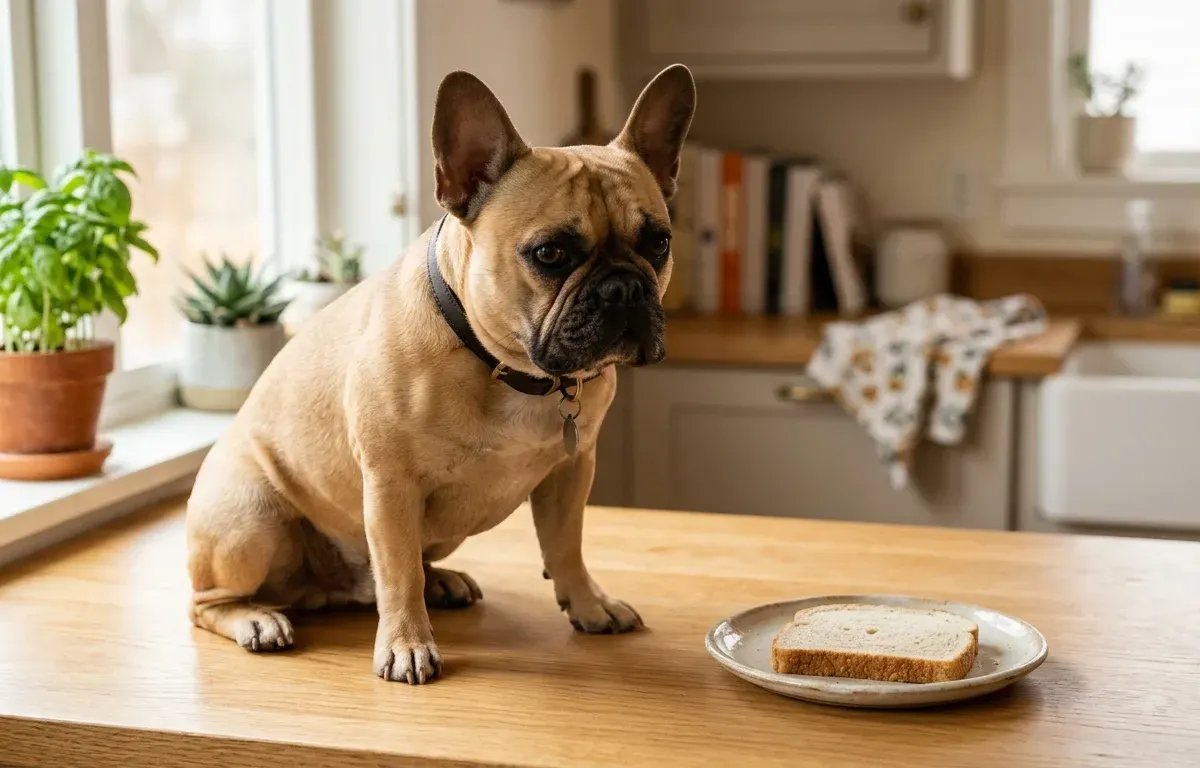
Can French Bulldogs eat bread? Yes, healthy adult French Bulldogs can eat plain, fully baked white or wheat bread in small amounts, but it provides empty carbohydrate calories without necessary canine nutrients. A 25-pound adult dog can occasionally have a bite-sized crust piece (under 15 calories). Raw yeast dough is a life-threatening emergency causing stomach expansion and ethanol toxicosis, while seasoned or raisin breads are strictly toxic.
- Plain baked white or wheat bread is non-toxic in small amounts for dogs without wheat allergies.
- Raw unbaked yeast dough is a life-threatening emergency that causes stomach expansion and ethanol poisoning.
- Bread offers zero unique nutritional benefits over a balanced commercial canine diet.
- Raisins, garlic, onions, chocolate, and xylitol are dangerous additives commonly found in specialty breads.
- One standard slice of bread contains 65 to 80 calories, which exceeds the entire daily treat budget for a 25-pound French Bulldog.
Bread safety basics for French Bulldogs
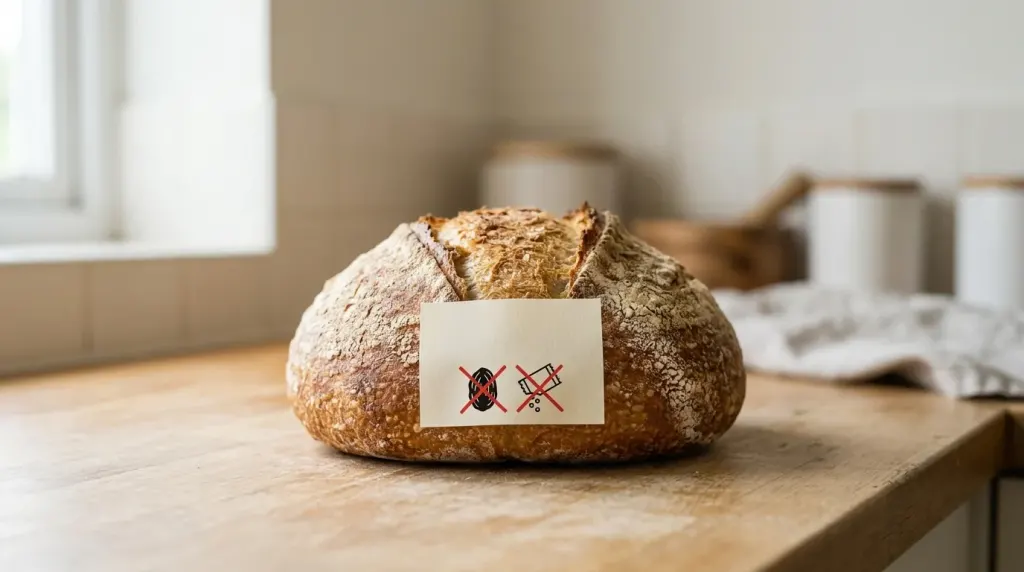
When evaluating what French Bulldogs can eat as part of a balanced canine diet, plain, fully baked bread functions primarily as filler food. The canine digestive system is structured for high-quality animal proteins and healthy dietary fats rather than dense, refined starches. According to the American Kennel Club (AKC), plain white and whole wheat bread are non-toxic to dogs that do not suffer from wheat or gluten sensitivities. However, bread offers no essential micronutrients and should never replace nutrient-dense meals.
For comparison, veterinary nutritionists often recommend plain boiled rice for French Bulldogs to manage temporary stomach upset because rice is bland, gentle, and easy on intestinal mucosa. In contrast, standard commercial bread contains added sugars, sodium, and preservatives that provide no therapeutic benefit. When you want a light, low-calorie snack between meals, crunchy cucumbers for French Bulldogs offer hydration and minerals with virtually no carbohydrate load.
French Bulldogs possess compact body frames with an adult weight typically ranging from 20 to 28 pounds (9 to 13 kg). Because this brachycephalic breed easily gains excess body fat and carries high risk for spinal strain, unneeded calories from bakery starches create real health concerns.
| Bread Factor | Impact on French Bulldogs | Recommended Action |
|---|---|---|
| Plain baked white bread | Adds refined starch and 65-80 kcal per slice | Limit to a single 1-inch cube on rare occasions |
| Whole wheat bread | Provides minimal dietary fiber with moderate gluten | Feed only if no wheat allergy is present |
| Unbaked yeast dough | Expands in stomach and produces toxic ethanol | Emergency: seek veterinary care immediately |
| Specialty bread (sweet/seasoned) | High fat, salt, or toxic add-ins | Never feed; keep securely out of reach |
Yeast dough risks
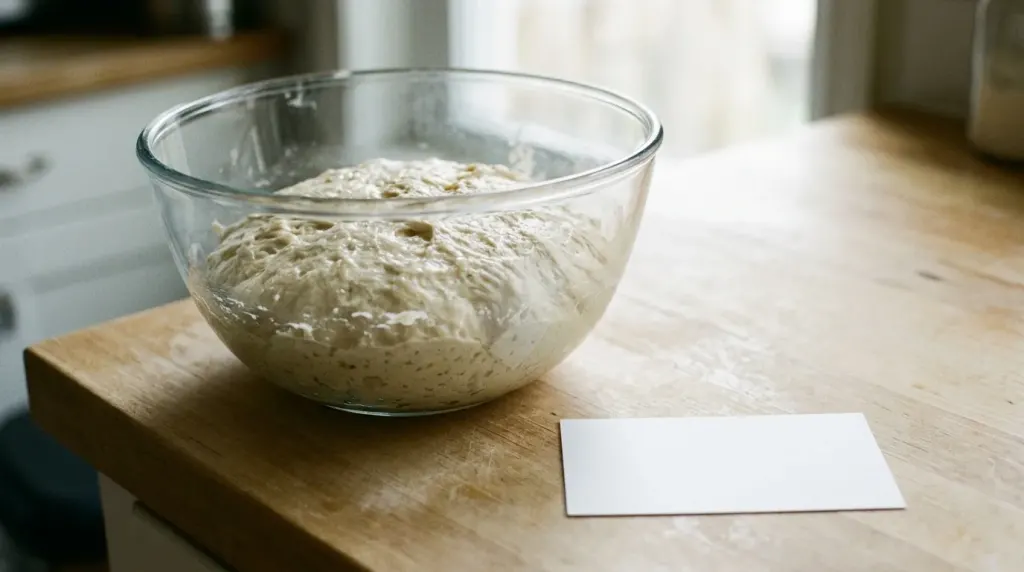
Unbaked, rising yeast dough is one of the most hazardous kitchen items a dog can swallow. When a dog eats raw dough, the warm, humid environment of the canine stomach acts like a proofing oven, speeding up yeast fermentation. This biological reaction triggers two severe, life-threatening complications.
First, expanding yeast produces large volumes of carbon dioxide gas. This gas stretches the stomach wall rapidly, creating severe gastric distention. In deep-chested and compact breeds, extreme bloating compresses the diaphragm and elevates the danger of gastric dilatation-volvulus (GDV), a condition where the stomach twists on its axis.
Second, fermentation generates ethanol (alcohol) that absorbs directly through the gastric lining into the bloodstream. According to the Merck Veterinary Manual, raw yeast-based bread dough causes progressive central nervous system depression, metabolic acidosis, and severe alcohol toxicosis. Dr. Jerry Klein, DVM, Chief Veterinary Officer for the American Kennel Club, warns that raw dough ingestion requires emergency veterinary intervention because rising blood ethanol levels and stomach distention cause hypothermia, seizures, respiratory failure, and collapse.
In veterinary emergency practice, canine dough toxicosis frequently happens when a dog scavenges proofing bread or pizza crusts from kitchen counters. In documented clinical cases, a 24-pound dog that ate raw yeast dough developed severe tympanic abdominal swelling, loss of coordination (ataxia), and hypothermia (core body temperature falling below 99 degrees F) within 90 to 120 minutes. Clinical treatment generally requires cold water gastric lavage to stop yeast fermentation, alongside intravenous fluid diuresis and close cardiovascular monitoring. The window for intervention is narrow. A dog that ingests raw dough may show no symptoms for the first 20 to 45 minutes before rapid gas expansion and ethanol absorption cause acute distress.
Immediate signs and actions
Contact your local emergency veterinary clinic, the ASPCA Animal Poison Control Center (888-426-4435), or the Pet Poison Helpline (855-764-7661) immediately if your French Bulldog ingests raw yeast dough or toxic seasoned bread. Do not wait for clinical symptoms to manifest, because fermentation, bloating, and ethanol absorption develop quickly.
Never attempt to induce vomiting at home unless explicitly directed by a licensed veterinarian. Sticky, expanding dough masses carry high risk of mechanical airway obstruction and asphyxiation during regurgitation.
When speaking with veterinary emergency staff, note whether your dog exhibits any of these critical signs:
- Unproductive retching or repeated attempts to vomit without bringing up stomach contents.
- Rapidly expanding, swollen, or rigid abdomen.
- Disorientation, unsteady gait, or drunken behavior.
- Severe shivering accompanied by hypothermia (cold ears and paws).
- Extreme lethargy, weak pulse, or shallow breathing.
Gluten and other ingredients in bread
Most healthy dogs digest standard wheat gluten without complications, but some French Bulldogs develop cutaneous or gastrointestinal food intolerances. Wheat gluten can trigger itchy skin, inflamed paw pads, recurrent ear infections, and chronic loose stools in allergic pets.
Commercial sandwich breads also contain emulsifiers, dough conditioners, and preservatives like calcium propionate. While these compounds pass human safety standards, they can disrupt the sensitive gut microbiome in small dogs, leading to excessive French Bulldog gas and irregular stools. When sharing an occasional piece of baked crust, verify that the loaf contains only basic flour, water, yeast, and minimal salt.
Bread as a treat: moderation and alternatives
Treats and table scraps should never make up more than 10% of your dog’s daily caloric budget. For an adult French Bulldog weighing 25 pounds (11.3 kg) with an average daily energy requirement of approximately 600 calories, the daily treat allowance is capped at 60 calories.
Caloric Arithmetic for a 25 lb (11.3 kg) French Bulldog:
- Daily Maintenance Energy Requirement (MER): ~600 kcal
- Maximum 10% Daily Treat Allowance: 60 kcal
- 1 Slice of Commercial White Bread (28 g): 75 kcal (14 g carbohydrates)
- 1 Slice of Bread = 125% of the dog’s entire daily treat allowance
Because a single slice of standard sandwich bread exceeds the daily treat ceiling, bread should only be given in tiny portions, such as a single 1-inch cube (approximately 10 to 15 calories).
| Exposure Scenario | Severity Band | Clinical Action |
|---|---|---|
| One dropped 1-inch crust of plain baked white bread | Low | Withhold extra treats for the day to balance calories; call your vet if digestive upset occurs. |
| Regular daily feeding of bread slices | Moderate | Stop feeding bread; consult your veterinarian regarding weight management. |
| Ingestion of bread containing garlic, onion, or xylitol | High | Call your veterinarian or poison control helpline immediately (888-426-4435); do not wait for symptoms. |
| Ingestion of unbaked raw yeast bread dough | Emergency | Transport immediately to the nearest veterinary emergency hospital; call en route. |
When bread might be appropriate
There are limited situations where plain bread serves a practical purpose for dog owners:
- Hiding Medication: A tiny piece of soft white bread can be compressed around an unpalatable pill or capsule. However, many owners find that a tiny dab of dog-safe peanut butter for French Bulldogs without xylitol works even better without adding dry bulk.
- Foreign Object Cushioning: If a dog swallows a small, blunt, non-toxic object like a tiny piece of plastic or a small bone fragment, veterinarians occasionally advise feeding a slice of plain white bread to form a soft cushion around the object as it passes through the intestines. Never use this method without direct veterinary consultation.
Avoid combining bread with rich table meats. For example, cured deli meats like ham for French Bulldogs contain dangerous sodium levels and saturated fats that trigger acute pancreatitis.
Bread types to avoid
Never feed the following bread varieties to your French Bulldog:
- Raisin and Currant Bread: Raisins and grapes cause acute, irreversible renal failure in dogs. Even a few raisins in a piece of cinnamon-raisin toast can be fatal.
- Garlic and Onion Bread: According to the ASPCA Animal Poison Control Center, all members of the Allium family (garlic, onions, leeks, chives) contain N-propyl disulfide, an oxidant that destroys canine red blood cells and causes hemolytic anemia.
- Sugar-Free and Diet Breads: These products often contain xylitol (also labeled as birch sugar or wood sugar), an artificial sweetener that causes an immediate surge of insulin, severe hypoglycemia within 30 to 60 minutes, and acute liver necrosis.
- Chocolate and Cocoa Bread: Chocolate contains theobromine and caffeine, which overstimulate the canine cardiovascular and central nervous systems.
- Nut and Seed Breads: Breads containing macadamia nuts are neurotoxic to dogs. Other nuts like walnuts and pecans contain high fat levels that can trigger acute inflammation of the pancreas.
- Cheesy and Buttered Breads: Heavy dairy toppings and butter deliver dense saturated fats that overwhelm canine digestion.
Note: Always inspect the complete ingredient statement on packaged artisanal and bakery breads. Specialty loaves frequently incorporate onion powder, garlic extract, or raisin paste for moisture and flavor.
Veterinary guidance and caveats
Every dog possesses unique dietary sensitivities and metabolic requirements. While a single piece of plain toast rarely harms a healthy young Frenchie, dogs diagnosed with diabetes mellitus, chronic pancreatitis, inflammatory bowel disease, or wheat allergies must strictly avoid bread products. If your pet regularly experiences digestive distress, soft stools, or excessive French Bulldog gas after sampling bakery items, a veterinarian can help identify whether wheat or other grain fillers are triggering the reaction.
French Bulldogs are genetically predisposed to obesity and spinal disorders such as Intervertebral Disc Disease (IVDD). Excess body weight places mechanical stress on their intervertebral discs and worsens brachycephalic airway resistance. Replacing dense starches with vet-approved, species-appropriate treats protects your dog’s long-term mobility and respiratory health. When a dog displays acute abdominal tension, disorientation, or unexpected French Bulldog shaking episodes following kitchen scavenging, immediate clinical evaluation is crucial.
If you suspect your pet has eaten dough or toxic additives, keep the original packaging and bread wrapper on hand so your veterinarian can quickly assess the exact ingredient profile and formulate a targeted treatment plan.
Summary and recommendations
Plain, fully cooked white and wheat bread is safe in rare, bite-sized amounts, but it remains an empty-calorie snack. Unbaked yeast dough is a dangerous emergency, and flavored breads containing raisins, garlic, onions, or sweeteners must be avoided entirely.
For daily training and rewarding, choose nutrient-rich alternatives. Small flakes of cooked salmon for French Bulldogs supply anti-inflammatory omega-3 fatty acids, while cooked root vegetables like parsnips provide clean dietary fiber without bakery additives. If your dog exhibits sudden digestive distress or persistent French Bulldog vomiting episodes after eating kitchen scraps, consult your veterinarian promptly.
Frequently asked questions about French Bulldogs and bread
Can French Bulldogs eat bread crusts?
Yes, a small piece of plain, dry baked bread crust is safe for healthy dogs. Ensure the crust has no garlic butter, cheese, seasoning, seeds, or sweet glaze before sharing.
Can French Bulldogs eat whole wheat bread?
Whole wheat bread is safe in small quantities for dogs without grain allergies. It contains slightly more fiber than white bread, but the high carbohydrate density still requires strict moderation.
Can French Bulldogs eat garlic bread?
No. Garlic bread is dangerous because garlic damages canine red blood cells and causes hemolytic anemia. The high butter and oil content can also trigger acute pancreatitis.
Can French Bulldogs eat banana bread?
No. Commercial and homemade banana breads are loaded with refined sugars, butter, and baking fats. Many recipes also contain toxic ingredients like macadamia nuts, raisins, chocolate chips, or xylitol.
How much bread can a French Bulldog eat?
Portion size depends on your dog’s individual weight, daily caloric needs, and overall health status. Under veterinary treat guidelines, all snacks combined must not exceed 10% of daily calories. For an adult French Bulldog, limit plain baked bread to an occasional bite-sized piece (such as a 1-inch cube under 15 calories), and avoid feeding bread as a regular snack. Dogs with wheat allergies, diabetes, or sensitive digestion should not eat bread at all.



Leave a Reply