
Table of Contents
When determining what a Maine Coon is mixed with, the genetic reality is that a Maine Coon mix is a domestic cat with one purebred Maine Coon parent and one non-pedigreed domestic cat (such as a Domestic Longhair or Shorthair) or another cat breed. Major feline registries like the Cat Fanciers' Association (CFA) and The International Cat Association (TICA) do not recognize crossbreeding, so there are no official designer hybrids. Most mixed cats result from accidental matings or non-pedigreed domestic lineages, inheriting a blend of traits like lynx-tipped ears, a sturdy rectangular body, a bushy plumed tail, and a gentle, dog-like temperament.
- Maine Coon mixes occur when a purebred Maine Coon (Felis catus) breeds with a non-pedigreed cat (moggy) or another purebred cat.
- Folklore claiming Maine Coons descend from raccoons or bobcats is biologically impossible due to incompatible chromosomes.
- Hallmarks like ear tufts, large paws, and slow physical development can pass to offspring, but visual traits alone cannot prove lineage.
- Mixed-breed offspring can inherit genetic cardiac risks, specifically Hypertrophic Cardiomyopathy (HCM) linked to the MYBPC3 A31P gene mutation.
What Is a Maine Coon Cat Mixed With? (Genetic Reality vs. Crossbreeding)
Genetically, a Maine Coon is mixed with standard domestic cats (Felis catus), typically domestic shorthairs or domestic longhairs, or occasionally other recognized feline breeds. In the cat fancy, outcrossing purebred show cats is strictly controlled. Standard registries like The Cat Fanciers’ Association (CFA) classify the Maine Coon as a natural domestic breed native to North America and prohibit crossbreeding in official studbooks to maintain breed standards and preserve health integrity.
In canine breeding registries, specific standards define established companion breeds such as what is a French Bulldog, whereas cat registries treat any unregistered pairing as a domestic mix. While kennel clubs categorize companion canines under formal groups like what type of dog is a pug, feline registries maintain strict closed studbooks for natural breeds. Most cats referred to as Maine Coon mixes originate from unplanned outdoor matings, rural farm populations, or shelter assessments based on visual characteristics. When animal rescue organizations label a cat as a Maine Coon mix, that label usually represents an educated guess based on a large frame, long fur, or tufted ears rather than verified genetic documentation.
| Cat Classification | Lineage Definition | Registry Status (CFA / TICA) | Physical Predictability | Genetic Documentation |
|---|---|---|---|---|
| Purebred Maine Coon | Two registered Maine Coon parents with verifiable multi-generation pedigree | Fully Recognized Championship Breed | High (adheres to standard) | Official certified pedigree papers |
| First-Generation (F1) Mix | One registered purebred Maine Coon and one non-pedigreed domestic cat | Unregistered (Household Pet category only) | Variable (50/50 genetic contribution) | Requires DNA verification or known parents |
| Multi-Generation Mix | One Maine Coon mix parent mated with another domestic cat | Unregistered (Household Pet category only) | Low (diluted phenotypic traits) | Feline commercial DNA panel |
| Domestic Longhair (DLH) | Random-bred domestic cat with long fur, no direct pedigree ancestry | Unregistered (Household Pet category only) | Variable (polygenic traits) | No direct breed markers |
A first-generation (F1) cross inherits exactly 50 percent of its genetic material from the Maine Coon parent and 50 percent from the non-pedigreed or alternate-breed parent. Genetic inheritance does not result in an even visual blend. Dominant and recessive alleles determine which physical traits appear in the kittens, meaning littermates can display completely different coat lengths, body sizes, and facial structures.
Debunking the Raccoon and Bobcat Hybridization Myths
Folk tales in 19th-century New England suggested that the Maine Coon originated from matings between semi-wild domestic cats and North American raccoons (Procyon lotor). Proponents of this myth pointed to the cat’s thick, ringed bushy tail, brown classic tabby coloration, and fondness for water. From a biological standpoint, this cross is completely impossible. Cats belong to the feline family (Felidae), whereas raccoons belong to the procyonid family (Procyonidae). These two families separated tens of millions of years ago in evolutionary history and possess distinct chromosome counts and incompatible reproductive physiology.
A second enduring myth claims Maine Coons were created by crossing domestic cats with the wild North American bobcat (Lynx rufus). Supporters cite the cat’s prominent lynx tips on the ears, large tufted paws, and muscular build as physical evidence. While domestic cats and bobcats are both members of the Felidae family, scientific genetic testing has confirmed that Maine Coons possess no wild felid DNA. They are 100 percent domestic cats (Felis catus).
While selective human breeding shaped specific working tasks in dogs, such as understanding what were pug dogs bred for in ancient imperial courts, the Maine Coon developed primarily through environmental natural selection. Unlike purpose-bred companion animals whose histories reflect human-guided traits like what were French Bulldogs bred for during the industrial lace-making era, northern forest cats adapted to surviving sub-zero winters. Early European settlers and sea captains brought long-haired cats (ancestral to modern Turkish Angoras and Norwegian Forest Cats) to the northeastern coast of the United States. Over centuries of harsh New England winters, these cats interbred with local short-haired farm cats. Only individuals with heavy water-resistant coats, large snowshoe-like paws, robust bone structures, and exceptional hunting instincts survived and reproduced.
Common Maine Coon Crosses and Non-Pedigreed Domestic Pairings
When Maine Coons do interbreed, the pairing usually involves a standard domestic moggy or another established domestic breed. Different pairings yield predictable genetic patterns based on feline coat genetics:
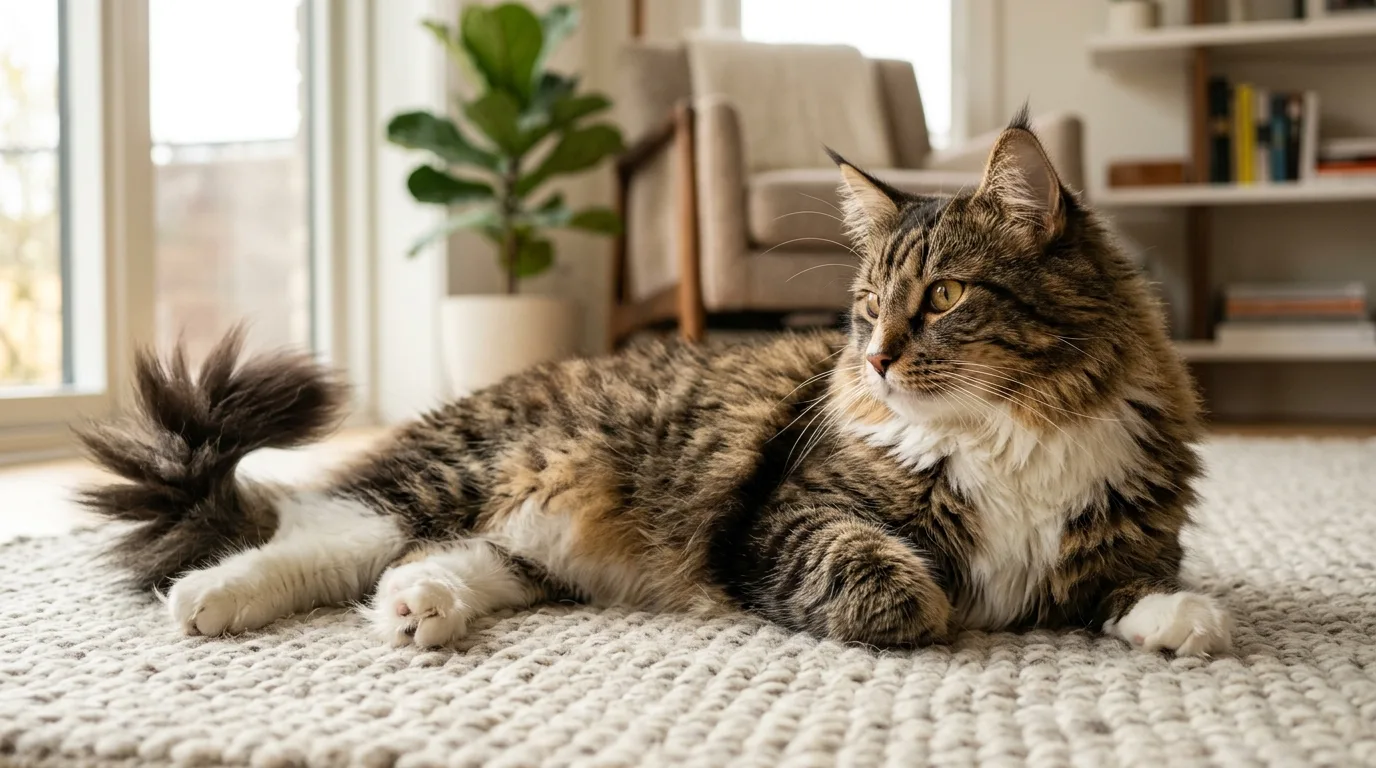
- Maine Coon x Domestic Shorthair (DSH): This is the most frequent cross in accidental litters. The gene for short hair (L) is dominant over the recessive long-hair allele (l or mutations in the FGF5 gene). When a purebred long-haired Maine Coon mates with a homozygous short-haired domestic cat, all first-generation kittens will have short coats. However, these kittens often inherit the large bone structure, broad head, and substantial musculature of their Maine Coon parent.
- Maine Coon x Domestic Longhair (DLH): Because both parents carry recessive long-hair alleles, all resulting offspring have semi-long or long coats. These kittens display the classic shaggy appearance, tufted paws, and full tails that many owners associate with purebred Maine Coons.
- Maine Coon x Ragdoll: Crosses between Maine Coons and other longhair breeds produce striking kittens, combining rugged forest frames with the relaxed temperament of what is a Ragdoll cat. Inherited coat colors in these litters can exhibit rich tonal variations, similar to the distinct sepia and mink shading seen in what is a mink Ragdoll cat.
- Maine Coon x British Shorthair (“BritCoon”): An informal cross occasionally seen in domestic litters, combining the heavy bone structure and round muzzle of the British Shorthair with the elongated frame and thick undercoat of the Maine Coon.
- Maine Coon x Persian: This combination produces kittens with exceptionally dense undercoats, shorter noses, rounder eyes, and smaller ears, muting the sharp lynx tips and boxy muzzle of the standard Maine Coon.
When evaluating a mixed-breed cat, coat length is a deceptive indicator of lineage. A short-haired cat can be an F1 Maine Coon mix, while a long-haired, tufted cat may have zero Maine Coon ancestry. True breed heritage depends on overall skeletal structure, cranial proportions, and verified genetic markers.
Key Physical and Behavioral Traits Inherited in Maine Coon Mixes
An F1 or multi-generation Maine Coon mix inherits a mosaic of physical and behavioral characteristics. The expression of these traits varies widely between individual kittens within the same litter.
| Trait Category | High Probability Expression in Mixes | Low or Diluted Expression in Mixes |
|---|---|---|
| Skeletal Frame | Long rectangular torso, broad chest | Extreme adult weight exceeding 20 pounds |
| Head and Muzzle | Broad skull with moderate cheekbones | Exaggerated square box muzzle |
| Ears and Eyes | Large ears with internal furnishings | Extreme 3-inch lynx tipping tufts |
| Coat and Tail | Full plumed tail, dense seasonal undercoat | Show-standard frontal ruff and britches |
| Temperament | Outgoing, companionable, water fascination | Complete five-year slow maturation cycle |
Physical Markers
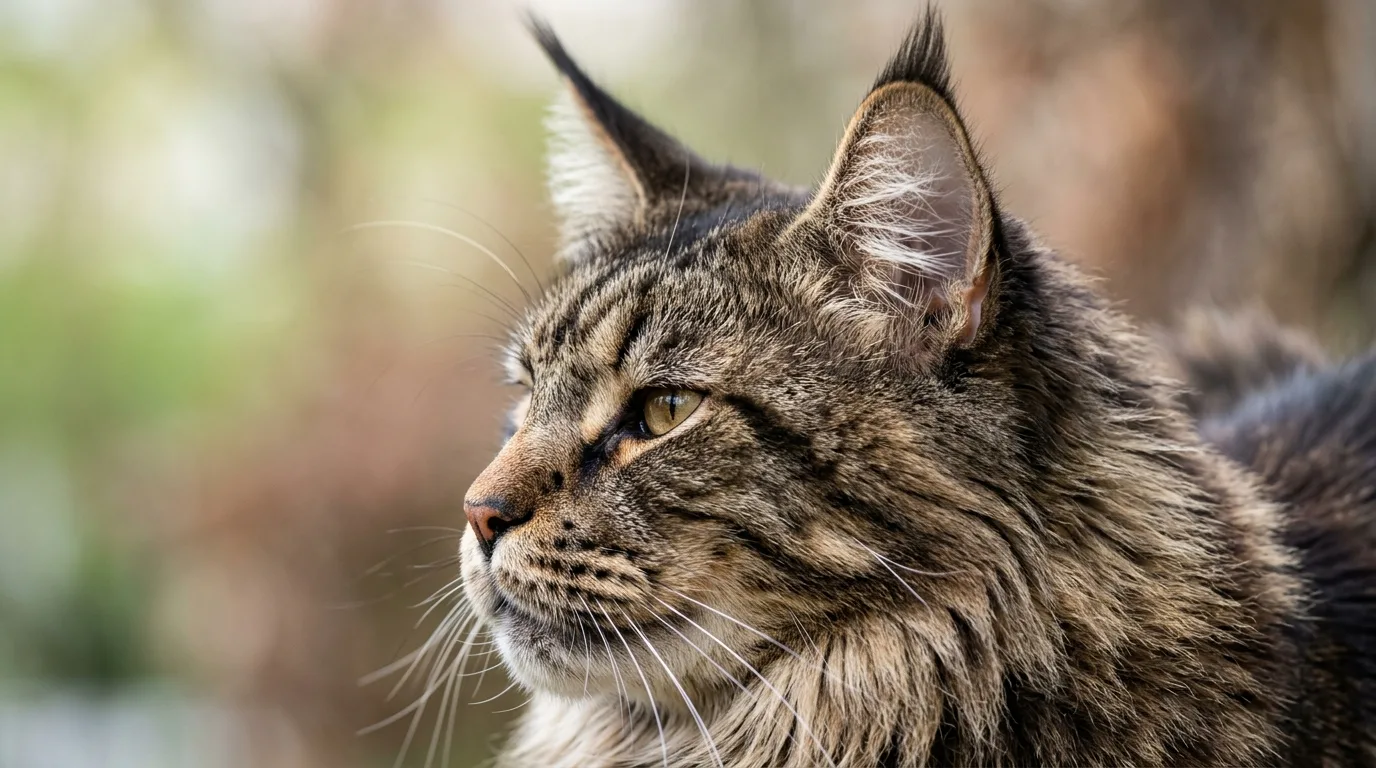
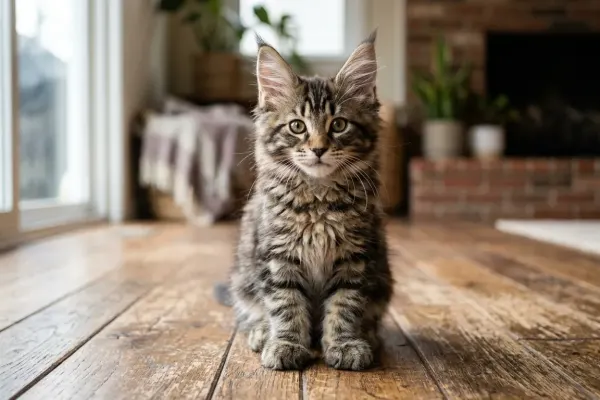
- Ear Tufts and Lynx Tips: Tufts of fur growing from the inside of the ear canals (ear furnishings) and hair extending from the ear tips (lynx tips) are classic hallmarks. While common in Maine Coon crosses, ear tufts also occur naturally in random-bred domestic longhairs.
- Rectangular Body Frame: Maine Coons have long, rectangular bodies with broad chests and substantial bone mass. A mix often exhibits a longer torso and heavier build than an average domestic cat.
- Plumed Tail: The tail is typically long, wide at the base, and covered in flowing fur that fans out like an ostrich plume.
- Large Paws with Toe Tufts: Paws are large, rounded, and feature prominent tufts of fur between the pads designed for walking on snow. Polydactyly (extra toes) is an autosomal dominant trait historically found in Maine Coons; if a polydactyl Maine Coon parent is involved, approximately 50 percent of the kittens will inherit extra digits.
- Muzzle and Head Structure: Purebreds have a square, blunt muzzle and a gentle concave dip in the nasal profile. Mixes often show a modified, slightly softer head shape that sits between a square box and a domestic wedge.
Just as visual breed standards define physical silhouettes like what does a French Bulldog look like, identifying a Maine Coon cross requires analyzing skeletal proportions rather than fur length alone. Observing expressive ear movements helps decode pet mood, contrasting feline ear swiveling and lynx-tipped alert postures with canine signals like what does it mean when dogs pug their ears back.
Behavioral Hallmarks
- Dog-Like Loyalty and Social Engagement: Maine Coon mixes are renowned for their outgoing, companionable nature. They frequently greet family members at the door, follow owners from room to room, and integrate smoothly into multi-pet households alongside canines.
- Water Fascination: Inheriting their ancestor’s working background, mixed kittens often scoop water with their paws, play with dripping faucets, or sit near bathtubs without feline aversion.
- Chirping and Trilling: Rather than relying on loud meows, Maine Coon mixes frequently communicate using soft trills, chirps, and rolling vocal sounds to express interest and greet owners.
How to Tell if Your Cat Is a Real Maine Coon Mix vs. Domestic Longhair
Shelters and pet owners frequently confuse standard Domestic Longhairs (DLHs) with Maine Coon mixes. Domestic Longhairs make up roughly 10 percent of the non-pedigreed cat population, and natural polygenic variation allows them to display large paws, long fur, and bushy tails without any purebred lineage.
To determine whether a cat is a true Maine Coon mix, apply a three-stage verification process:
| Verification Stage | Assessment Method | Primary Diagnostic Focus | Reliability Level |
|---|---|---|---|
| Stage 1: Lineage Documentation | Pedigree inspection | Registration certificates from CFA, TICA, or GCCF for at least one parent | Definitive (100% conclusive) |
| Stage 2: Phenotypic Evaluation | Developmental tracking | Growth rate, skeletal maturation duration, muzzle morphology, paw structure | Moderate (indicative but polygenic) |
| Stage 3: Veterinary DNA Panel | Genomic buccal swab | SNP array analysis comparing against purebred feline reference databases | High (detects breed-associated alleles) |
Stage 1: Lineage and Documentation Check
Verify whether certified cattery registration from the CFA, TICA, or GCCF exists for at least one parent. Without pedigree records, a cat purchased from an informal source is legally and biologically classified as a domestic mixed-breed cat. Tracing genetic lineage in cats follows similar ancestral principles used when determining what breeds make a French Bulldog from historical terrier and bulldog ancestors.
Stage 2: Phenotypic and Developmental Evaluation
Monitor growth rate and physical milestones. Standard domestic cats reach their full adult frame and weight between 12 and 18 months of age. Maine Coons and their direct F1 mixes develop at a significantly slower pace, continuing to gain skeletal frame, bone density, and muscle mass until 3 to 5 years of age.
Stage 3: Veterinary Genetic DNA Panel
Commercial feline DNA tests (such as Basepaws, Wisdom Panel, or laboratory-grade veterinary panels) analyze single nucleotide polymorphisms (SNPs) across the feline genome. Genomic panels identify ancestral contributions much like canine DNA tests unravel the foundational lines of what dogs make a pug. These tests compare your cat’s genetic profile against reference databases of pedigreed breeds, providing a percentage breakdown of breed-related genetic markers and screening for known hereditary health mutations.
Health Considerations, HCM Genetics, and Screening in Mixed Breeds
Crossbreeding can introduce genetic diversity that reduces the incidence of certain recessive conditions, a phenomenon known as hybrid vigor. An F1 or multi-generation Maine Coon mix remains vulnerable to hereditary diseases carried by the Maine Coon parent.
| Health Condition | Genetic Mechanism | Clinical Impact | Recommended Screening Protocol |
|---|---|---|---|
| Hypertrophic Cardiomyopathy (HCM) | Autosomal dominant with incomplete penetrance (MYBPC3 A31P mutation) | Thickening of the left ventricular heart muscle, leading to heart failure or thromboembolism | DNA genetic swab test and annual transthoracic echocardiogram by a veterinary cardiologist |
| Hip Dysplasia (HD) | Polygenic inherited developmental defect | Malformation of the coxofemoral ball-and-socket joint, causing osteoarthritis and mobility loss | Pelvic radiographs evaluated by a veterinarian at 2 years of age |
| Spinal Muscular Atrophy (SMA) | Autosomal recessive (LIX1 gene deletion) | Degeneration of spinal cord motor neurons causing muscle weakness and unstable gait | DNA swab test for the LIX1 deletion mutation |
| Polycystic Kidney Disease (PKD) | Autosomal dominant (if crossed with Persian or exotic lineage) | Formation of fluid-filled renal cysts leading to progressive renal failure | Renal ultrasound examination and DNA testing |
Hypertrophic Cardiomyopathy (HCM) in Maine Coon Crosses
Hypertrophic Cardiomyopathy is the most common cardiac disease diagnosed in domestic felines. Research conducted by the UC Davis Veterinary Genetics Laboratory identified a specific missense mutation in the cardiac myosin binding protein C gene (MYBPC3), designated as A31P (alanine to proline substitution at amino acid 31).
This mutation exhibits an autosomal dominant pattern of inheritance. Because the trait is dominant, a kitten needs to inherit only a single copy of the mutated allele from one parent (heterozygous state) to be at increased risk of developing clinical cardiac disease. In an F1 mating where one purebred Maine Coon parent carries the mutation and the domestic parent is clear, each kitten has a 50 percent statistical probability of inheriting the mutated allele.
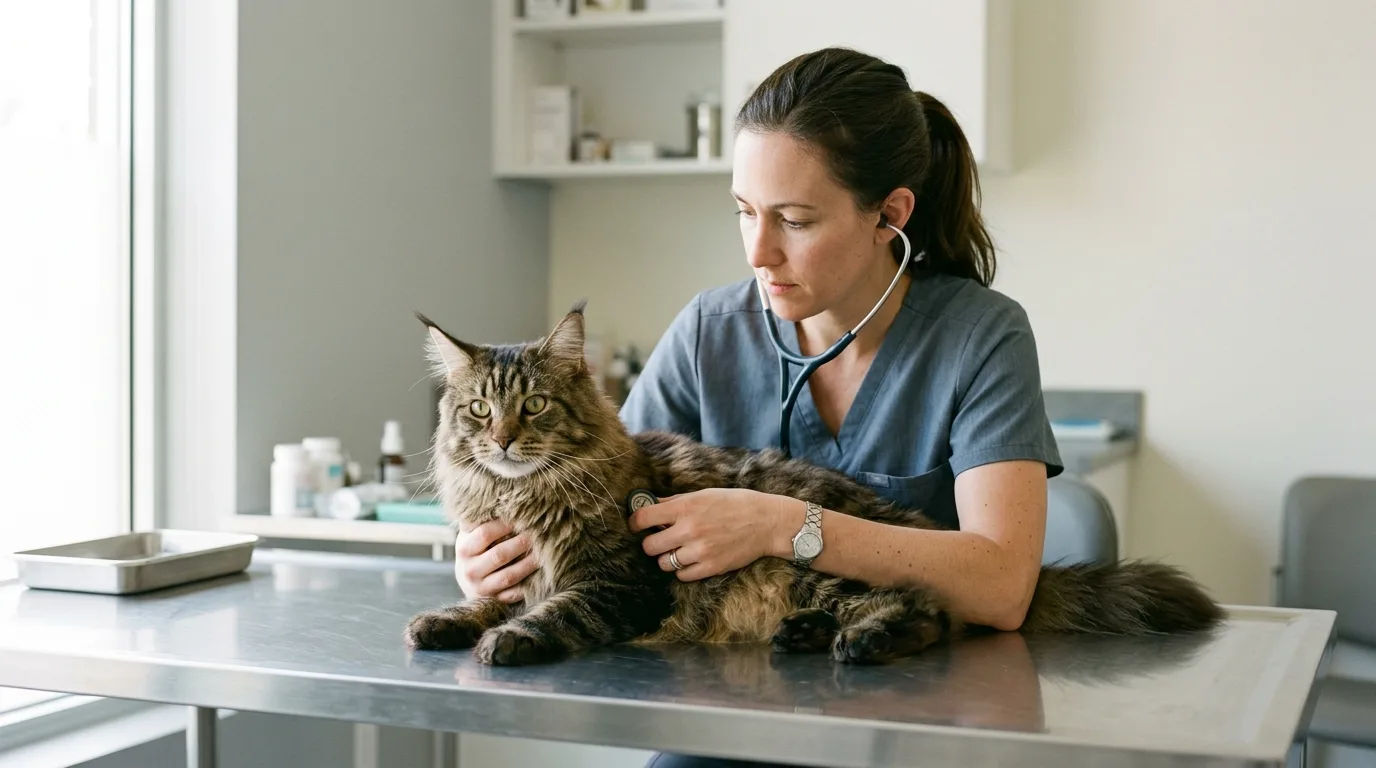
Important Notice: A negative DNA test confirms that a cat does not carry the specific MYBPC3 A31P mutation, but it does not guarantee immunity from other forms of cardiomyopathy. Regular annual veterinary auscultation and clinical echocardiograms remain essential for all large-framed mixed-breed cats.
Providing balanced protein supports skeletal development in heavy crossbreeds, mirroring dietary considerations for what do Ragdoll cats eat. Managing spinal and joint health through controlled weight prevents chronic mobility issues, just as pet owners monitor conditions like what is IVDD in French Bulldogs.
Frequently Asked Questions About Maine Coon Mixes
Can a Maine Coon be mixed with a normal cat?
Yes. A Maine Coon can readily interbreed with any standard domestic cat (Felis catus), including non-pedigreed Domestic Shorthairs and Domestic Longhairs. The resulting kittens are classified as domestic mixed-breed cats and will inherit a combination of physical and behavioral traits from both parents.
What does a half Maine Coon cat look like?
A half Maine Coon (first-generation F1 cross) typically has a longer, more substantial body frame than an average domestic cat. If the other parent is long-haired, the kittens often exhibit semi-long coats, ear furnishings, and full plumed tails. If the other parent is short-haired, the kittens will have short fur due to dominant coat genetics, but they often retain large paws and heavy bone structures.
How big do Maine Coon mix cats get?
Maine Coon mixes generally weigh between 10 and 18 pounds as adults, positioning them between standard domestic cats (8 to 10 pounds) and purebred male Maine Coons (15 to 25 pounds). They also mature at a slower rate than typical domestic cats, often taking up to 3 or 4 years to reach their full skeletal size and muscular frame.
Can you tell if a cat is a Maine Coon mix without a DNA test?
No. Physical features such as large paws, ear tufts, and a chirping vocalization are polygenic traits that occur naturally in random-bred domestic longhairs without any Maine Coon ancestry. Visual assessment alone cannot confirm lineage; only official pedigree documentation or an accredited commercial feline DNA panel can verify true heritage.
Are Maine Coon mixes prone to shedding and matting?
Yes. Maine Coon mixes that inherit semi-long or long double coats require regular grooming two to three times per week. Consistent brushing with a stainless steel comb and slicker brush removes dead hair from the dense undercoat and prevents mats from forming in friction areas like the armpits, belly, and britches.
Leave a Reply