
Table of Contents
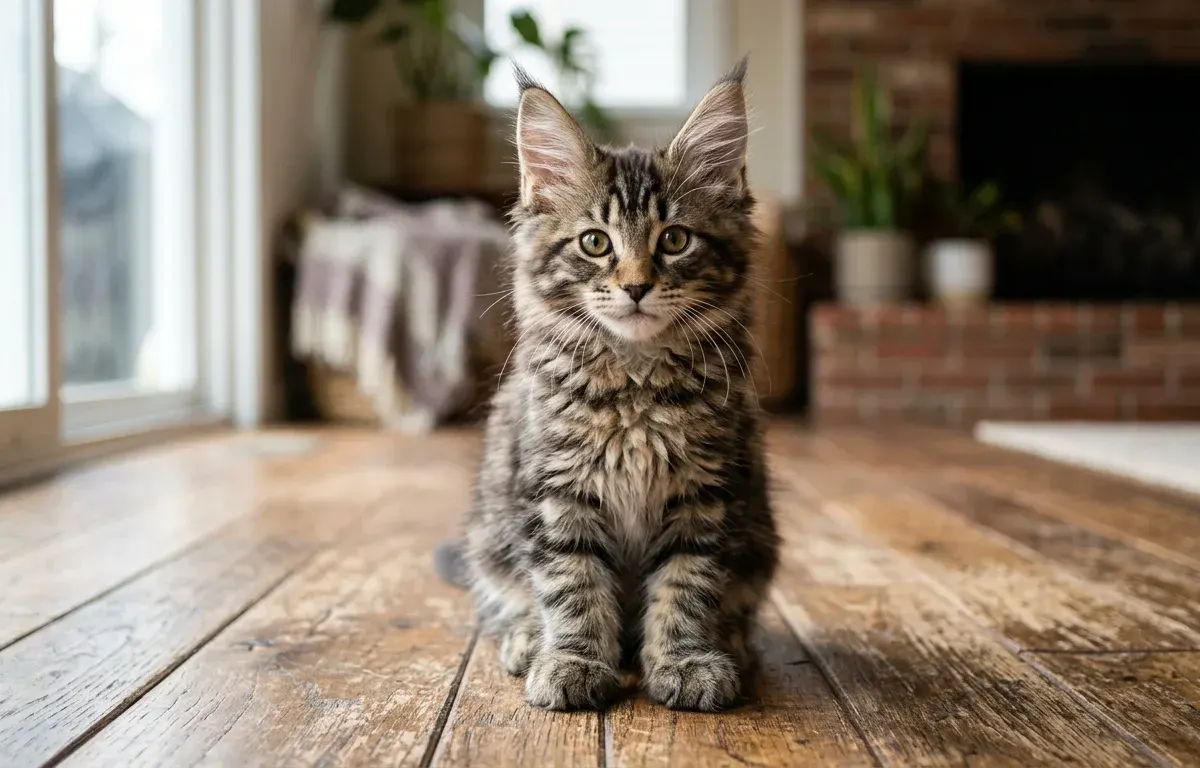
A Maine Coon kitten is the purebred juvenile offspring of North America's native longhaired Maine Coon cat breed, known for its sturdy rectangular bone structure, large tufted ears with lynx-like tips, square muzzle, and dog-like, social personality. While standard domestic cats finish growing within 12 months, Maine Coon kittens develop along an extended growth curve that spans 3 to 5 years before reaching their full adult weight of 15 to 25 pounds for males and 10 to 15 pounds for females.
- Extended Maturation Curve: Maine Coon kittens develop steadily over a 3 to 5 year timeline, requiring specialized juvenile nutrition well past the standard one-year mark.
- Distinct Physical Hallmarks: Early identifying markers include prominent vertical lynx ear tufts, broad tufted paws, a prominent square jawline, and a dense, water-repellent double coat.
- Social and Playful Demeanor: Known as gentle giants, kittens exhibit inquisitive, water-curious habits, gentle handling tolerance, and chirping vocalizations.
- Mandatory Genetic Screenings: Ethical breeding requires DNA verification for Hypertrophic Cardiomyopathy (MYBPC3 A31P mutation) and Spinal Muscular Atrophy (SMA).
- Dedicated Management Needs: Fast skeletal growth demands high-protein nutrition, large-scale cat furniture, and early grooming routines with steel combs to prevent coat matting.
What Is a Maine Coon Kitten? Definition and Origins
A Maine Coon kitten is a purebred feline juvenile belonging to the official state cat of Maine, recognized as the oldest natural longhaired breed native to North America. Unlike synthetic breeds created through modern laboratory outcrossing or deliberate aesthetic mutations, these kittens descend from rugged working farm cats that developed dense, water-resistant coats and muscular bodies to endure the severe winters of coastal New England.
The breed holds official registration status across major international cat registries, including the Cat Fanciers’ Association (CFA), which recognizes the Maine Coon as a natural, hardy working cat. While certain companion animals arose through centuries of indoor royal pampering, such as what Pug dogs were bred for, the ancestral Maine Coon developed alongside rural settlers as an indispensable barn guardian and mouser. Furthermore, unlike other prominent North American pedigree cats created through twentieth-century line-breeding programs, such as what defines a Ragdoll cat, the Maine Coon remains a natural landrace breed shaped by environmental selection.
Prospective owners frequently notice that even at eight to twelve weeks of age, a young Maine Coon kitten possesses noticeably heavier limbs, a broader chest, and larger paws than standard domestic shorthair or longhair kittens of the same age. Their historic heritage as functional working cats has preserved an athletic, robust build paired with an exceptionally cooperative, people-oriented nature.
Distinctive Physical Traits: What Are Maine Coon Kittens Like?
Identifying what are Maine Coon kittens requires evaluating distinct anatomical markers that appear during early kittenhood. While domestic longhair kittens can appear fluffy, purebred Maine Coon kittens exhibit specific structural geometry established by international breed standards:
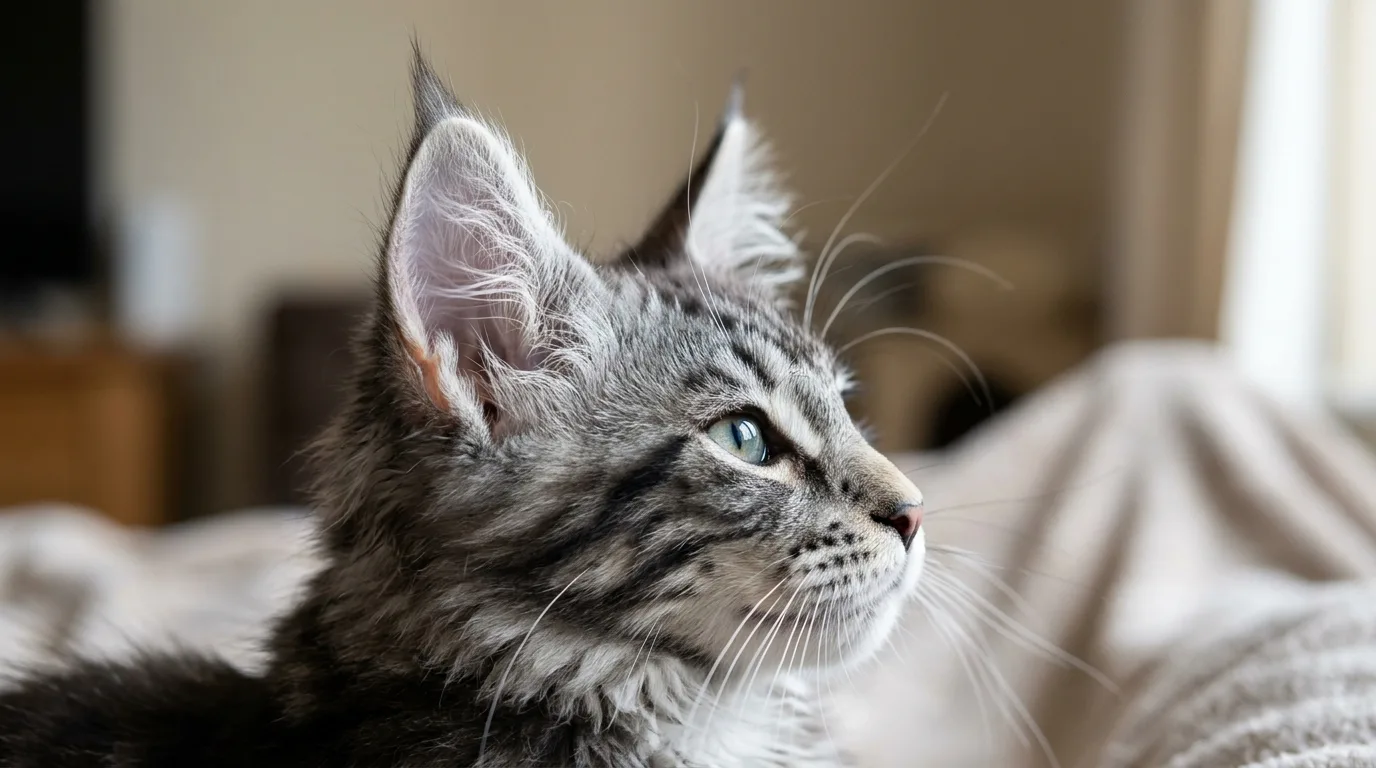
- Head and Muzzle Profile: The head is medium in width with high cheekbones and a distinct, blunt square muzzle. When viewed in profile, the nose exhibits a gentle concave curve rather than a flat Persian break or a straight wedge.
- Ear Tufts and Furnishings: Large, wide-based ears sit high on the head, featuring pronounced internal furnishings (protective hair inside the ear canal) and vertical lynx tips extending from the apex of the ear pinnae.
- Eyes: Large, slightly oval eyes are set at a slight oblique angle, giving the kitten an alert, intelligent expression in copper, green, gold, or odd-eyed colorations.
- Body Frame and Bone Structure: The torso is long and rectangular with a broad chest. The bone substance is heavy and substantial, creating a solid, grounded feel when the kitten is lifted.
- Paws and Snowshoe Hair: Broad, round paws act like natural snowshoes, equipped with thick tufts of hair extending up to an inch between the toes. Polydactyl Maine Coon kittens, carrying extra digits, remain a recognized historic variation within the breed gene pool.
- Tail Length and Plume: The tail is wide at the base, tapering toward the tip, and measures long enough to reach back to the kitten’s shoulder blades when laid along the spine.
Understanding these traits helps owners distinguish genuine feline breed standards from other coat variations, such as mink Ragdoll cat fur characteristics, or contrasting feline bone structure with canine physical profiles like what a French Bulldog looks like.
Growth Milestones: Maine Coon Kitten Development Timeline (0 to 5 Years)
The most striking biological distinction of a Maine Coon kitten is its prolonged physical development. Standard domestic cats reach their final skeletal dimensions by 9 to 12 months. In contrast, Maine Coon kittens undergo sustained growth across 36 to 60 months, balancing rapid early bone lengthening with gradual muscular expansion and coat maturation.
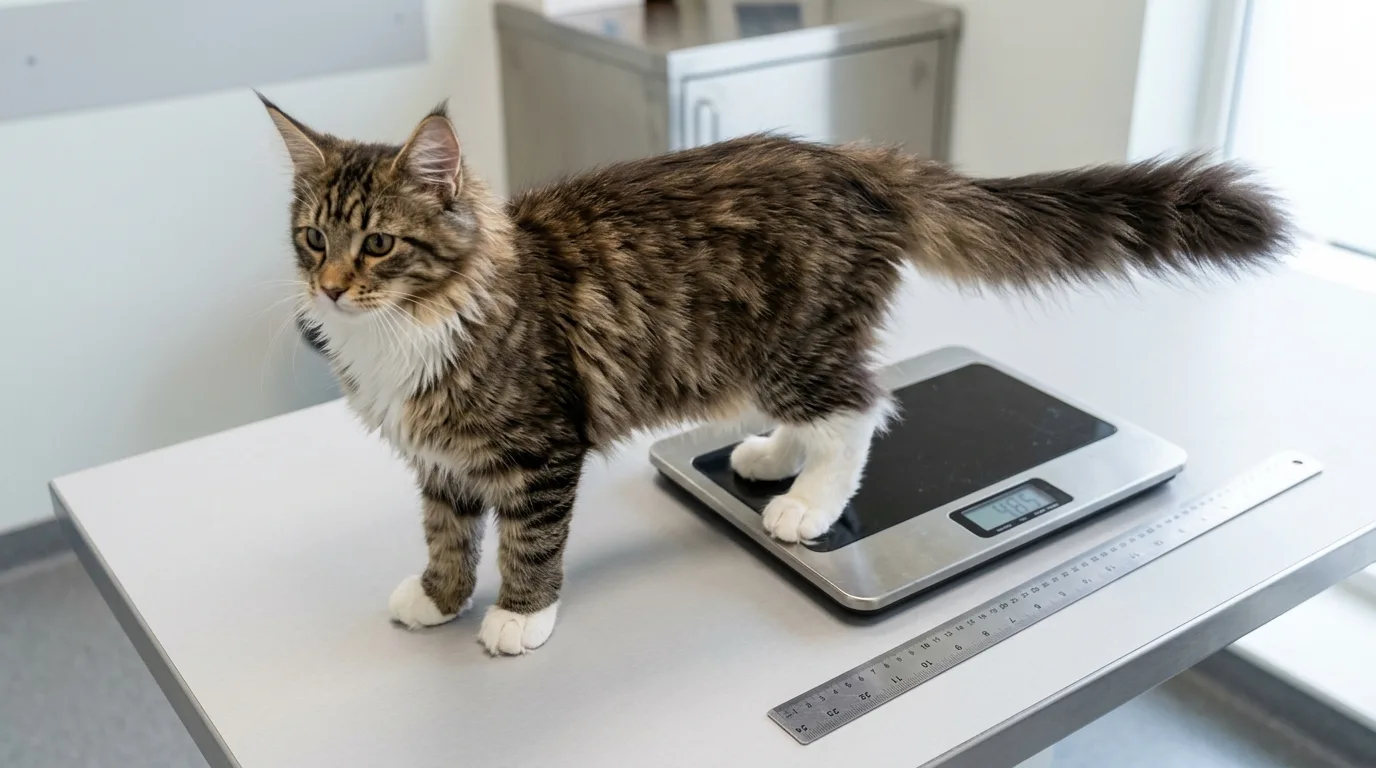
The following milestone schedule details physical progression and nutritional priorities from birth to adulthood:
| Age Stage | Average Weight (Male) | Average Weight (Female) | Developmental Milestone | Care Priority |
|---|---|---|---|---|
| 0 to 3 Months | 3.0 to 4.5 lbs (1.4 to 2.0 kg) | 2.5 to 3.8 lbs (1.1 to 1.7 kg) | Weaning phase, emergence of baby teeth, rapid socialization, and initial core vaccination series. | Mother’s milk transitioning to high-protein kitten mousse; thermal warmth and gentle handling. |
| 3 to 6 Months | 6.0 to 9.0 lbs (2.7 to 4.1 kg) | 4.5 to 7.0 lbs (2.0 to 3.2 kg) | Rapid bone lengthening, adult teeth emergence, ear tuft lengthening, and distinct rectangular body shaping. | Calorie-dense kitten diet with balanced calcium and phosphorus; daily grooming habituation. |
| 6 to 12 Months | 10.0 to 14.0 lbs (4.5 to 6.4 kg) | 7.5 to 10.5 lbs (3.4 to 4.8 kg) | Frame lengthening, juvenile coat shedding, adolescent growth spurts, and reaching reproductive fertility. | Sturdy scratching furniture; weight tracking; scheduled neutering or spaying evaluation. |
| 1 to 3 Years | 14.0 to 20.0 lbs (6.4 to 9.1 kg) | 9.5 to 13.0 lbs (4.3 to 5.9 kg) | Muscle mass filling, ribcage broadening, emergence of full frontal ruff, and heavy britches coat density. | High-quality adult or large-breed feline formula; joint health support; daily interactive exercise. |
| 3 to 5 Years | 15.0 to 25.0 lbs (6.8 to 11.3 kg) | 10.0 to 15.0 lbs (4.5 to 6.8 kg) | Full skeletal density stabilization, complete mature coat texture, and final adult weight plateaus. | Portion control to prevent obesity; annual veterinary wellness exams and cardiac screenings. |
During rapid adolescent growth spurts, young pets may occasionally experience periods of restlessness or temporary musculoskeletal soreness. Observing behavior closely is essential, just as owners investigate physical discomfort when exploring what causes a Pug to keep moving and not lay down. Furthermore, while compact canines quickly settle into their adult shape as seen when assessing what a Pug dog looks like, a Maine Coon kitten requires years of steady nutritional support before reaching its full physical frame.
Personality and Temperament: What to Expect from a Maine Coon Kitten
Maine Coon kittens are widely celebrated for an affectionate, gregarious, and remarkably patient temperament, earning them the nickname of the “dogs of the cat world.” They rarely display aloof or detached behavior, choosing instead to shadow their human family members from room to room.
Key behavioral characteristics include:
- Interactive Play and Retrieval: Kittens possess strong predatory curiosity, frequently learning to play fetch with soft toys, carrying household items in their mouths, and investigating complex puzzle toys.
- Distinct Chirps and Trills: Rather than utilizing loud, demanding meows, Maine Coon kittens communicate through melodic trills, chirrups, and soft chirps to greet owners or express excitement during feeding.
- Fascination with Water: Derived from their ancestral outdoor heritage, kittens often paw at water bowls, paddle in shallow sinks, or sit calmly near running faucets.
- Multi-Pet Harmonization: Because of their confident, unruffled disposition, these kittens excel in multi-pet homes. In households with mixed species, learning feline and canine nonverbal communication is crucial, including what it means when dogs pull their ears back to ensure seamless introductions with companion canines such as what to expect from a French Bulldog.
Because Maine Coon kittens mature slowly in both body and brain, they retain playful, boisterous adolescent behavior well into their third year. Owners should prepare for energetic play sessions and provide structured enrichment to channel their inquisitive instincts constructively.
Essential Care: Nutrition, Grooming, and Housing Setup
Caring for a rapidly growing Maine Coon kitten requires proactive environmental management, specific dietary planning, and consistent coat maintenance routines.
Specialized Juvenile Nutrition
Due to their substantial frame and extended growth period, Maine Coon kittens require higher caloric density and concentrated animal proteins compared to average cat breeds. A balanced regimen includes:
- High Animal Protein Content: Diets should derive at least 38% to 45% of dry matter protein from named meat sources such as deboned chicken, turkey, or salmon to support lean muscle development.
- Joint and Cognitive Nutrients: Formulations enriched with docosahexaenoic acid (DHA), eicosapentaenoic acid (EPA), glucosamine, and chondroitin promote sound joint cartilage formation and neural development.
- Feeding Schedule: Feed young kittens aged 2 to 6 months 3 to 4 portioned meals per day of premium wet food alongside measured portions of large-kibble dry food. From 6 to 12 months, transition to 2 to 3 structured meals daily, balancing caloric density much like assessing what Ragdoll cats eat to prevent rapid adolescent obesity.
Grooming Routine and Coat Maintenance
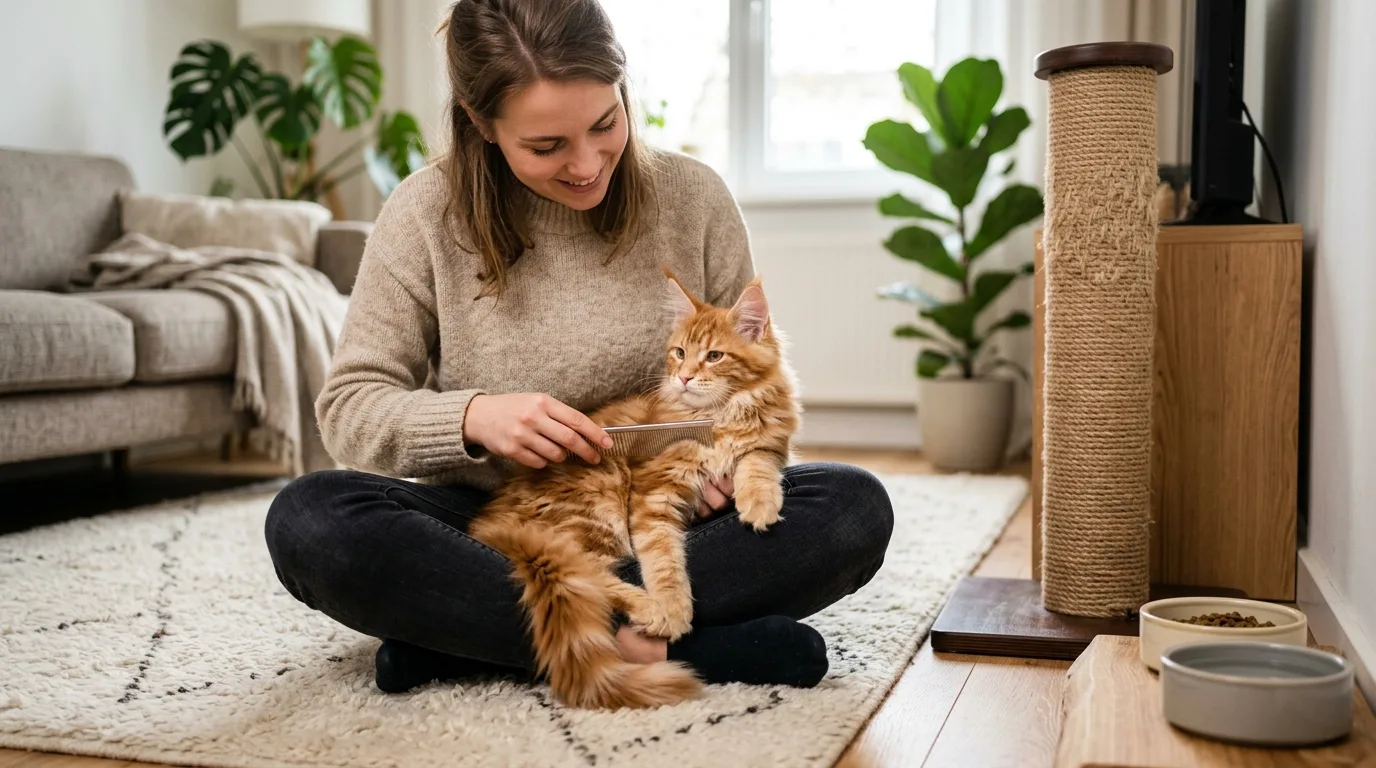
Although a young kitten’s coat is soft and manageable, daily handling habituates the cat to essential lifelong grooming tools before its full double coat develops:
- Wide-Tooth Steel Comb: Use a metal greyhound comb 2 to 3 times weekly to detangle the soft undercoat, focusing on high-friction areas including the armpits, groin, behind the ears, and the rear britches.
- Slicker Brush: A soft-bristled slicker brush removes loose surface hairs and distributes natural skin oils across the topcoat.
- Nail Trimming and Paw Desensitization: Gently massage the kitten’s oversized paws and trim claw tips every 2 to 3 weeks to establish positive associations with grooming.
Heavy-Duty Housing Equipment
Standard commercial cat trees and litter boxes are frequently outgrown by a Maine Coon kitten by six to eight months of age. Invest early in heavy-duty equipment:
- Reinforced Scratching Posts: Posts should stand at least 32 to 36 inches high on a heavy wooden base, allowing the kitten to execute a full vertical body stretch without wobbling.
- Jumbo Litter Boxes: Select high-sided, open-top storage containers or specialized extra-large litter pans measuring at least 22 by 18 inches to accommodate a long torso and high tail carriage.
- Carrier Sizing: Given that a juvenile Maine Coon can exceed 12 to 15 pounds before its first birthday, standard plastic cat carriers quickly become inadequate, requiring spacious, heavy-duty pet carriers similar in dimensions to selecting the right crate size for a French Bulldog.
Health Screenings: Essential Genetic and Veterinary Checks
Acquiring a Maine Coon kitten requires careful verification of genetic health clearances. Because large-framed felines carry specific hereditary predispositions, ethical breeders utilize DNA panels and veterinary diagnostic imaging to safeguard breeding lines.
The table below outlines the core health screenings applicable to Maine Coon kittens:
| Health Condition | Screening Method | Target Mutation / Pathology | Optimal Testing Window | Clinical Recommendation |
|---|---|---|---|---|
| Hypertrophic Cardiomyopathy (HCM) | DNA Panel and Echocardiogram | A31P mutation in MYBPC3 gene; progressive left ventricular wall thickening. | DNA test at birth or before breeding; baseline echocardiogram at 1 to 2 years of age. | Direct DNA test via UC Davis Veterinary Genetics Laboratory; periodic veterinary cardiology ultrasound per Cornell Feline Health Center recommendations. |
| Spinal Muscular Atrophy (SMA) | DNA PCR Deletion Test | Deletion on feline chromosome A1 leading to loss of lower motor neurons. | Once in lifetime via cheek swab or blood sample. | Verify both parent cats test clear (N/N) to guarantee kittens cannot inherit the clinical disorder. |
| Hip Dysplasia (HD) | Orthopedic Physical Exam and Pelvic Radiographs | Malformation of the coxofemoral joint causing degenerative osteoarthritis. | Palpation during routine kitten checks; diagnostic pelvic radiographs after 12 to 24 months. | Maintain lean body condition during rapid growth phases; provide joint-supportive omega-3 fatty acids. |
| Core Feline Immunizations | Veterinary Injection Protocol | Feline Panleukopenia, Calicivirus, Rhinotracheitis (FVRCP) and Rabies. | Administered in a series starting at 6 to 8 weeks, repeated every 3 to 4 weeks until 16 weeks. | Strict adherence to veterinary vaccination schedules prior to public exposure. |
Early joint screening and orthopedic vigilance are fundamental for heavy domestic animals, just as veterinary vigilance is vital when understanding IVDD in French Bulldogs to prevent long-term mobility impairment.
Caution: Always demand certified laboratory certificates for both parent cats rather than accepting verbal claims of “vet checked.” Genetic tests confirm the absence of known mutant alleles, but regular clinical wellness exams remain essential throughout the cat’s lifespan.
Evaluation: Purebred Maine Coon Kitten vs. Domestic Longhair
Because domestic longhair (DLH) cats frequently present with lush coats and bushy tails, casual buyers often mistake mixed-breed shelter kittens for purebred Maine Coons. Distinguishing between them requires applying rigorous pedigree and conformational standards.
A true Maine Coon kitten possesses a certified four-generation pedigree issued by an established cat registry (such as CFA or TICA), verifying that every ancestor conforms to official breed standards. In contrast, domestic longhairs are genetically diverse cats of mixed, undocumented lineage. While DLH cats make wonderful companions, they lack the predictable bone dimensions, square muzzle profile, lynx ear tips, and specific genetic health testing protocols found in purebred Maine Coons. Understanding how distinct purebred lines are established, comparable to studying what breeds make a French Bulldog, illustrates the importance of documented genealogy over visual guesswork alone.
Prospective pet owners evaluating adoption opportunities should seek reputable breed rescues or registered preservation breeders who perform complete health testing.
Frequently Asked Questions About Maine Coon Kittens
How can I tell if my kitten is a true Maine Coon?
The only definitive proof that a kitten is a true Maine Coon is official registration paperwork and a certified multi-generation pedigree from a recognized registry such as the Cat Fanciers’ Association (CFA) or The International Cat Association (TICA). Physical traits like large tufted ears, a square muzzle, broad paws, and a long rectangular body suggest breed type, but appearance alone without documentation cannot verify purebred lineage.
How much do Maine Coon kittens eat daily?
Maine Coon kittens require significantly higher caloric intake per pound of body weight than adult cats to support their rapid skeletal expansion. Growing kittens between 3 and 9 months typically consume 3 to 4 portioned meals of high-protein wet food daily, often paired with measured access to nutrient-dense kitten dry food, totaling approximately 250 to 350 calories per day depending on their exact weight and activity level.
Are Maine Coon kittens high maintenance?
Maine Coon kittens require moderate to high maintenance due to their grooming requirements and need for mental engagement. Their dense coat must be thoroughly combed 2 to 3 times per week with a steel comb to prevent matting in the undercoat, and their energetic, social nature demands daily interactive play sessions and sturdy, large-scale cat furniture.
At what age do Maine Coon kittens leave their mother?
Responsible CFA and TICA registered breeders allow Maine Coon kittens to transition to their new homes between 12 and 16 weeks of age. This extended timeframe ensures the kitten has completed its initial core vaccination series, achieved full nutritional weaning, developed litter box reliability, and gained vital behavioral socialization from its mother and littermates.
Leave a Reply