
Table of Contents
Common pug health problems primarily stem from their brachycephalic facial structure, compact spinal conformation, and genetic background. Frequent conditions include Brachycephalic Obstructive Airway Syndrome (BOAS), corneal ulcers and eye injuries, skin fold dermatitis, obesity, patellar luxation, and Pug Dog Encephalitis (PDE). Early detection, maintaining a lean body weight, avoiding heat stress, and scheduling regular veterinary screenings significantly improve a Pug's long-term quality of life.
- Pugs exhibit elevated rates of respiratory compromise due to compressed upper airway anatomy, including stenotic nares and elongated soft palates.
- Shallow eye sockets leave Pugs vulnerable to corneal ulcers, dry eye, and traumatic proptosis requiring prompt medical care.
- Facial and tail skin folds trap moisture and require regular antiseptic hygiene to prevent bacterial and fungal infections.
- Maintaining a lean body condition score directly reduces respiratory workload and joint strain.
- High-risk genetic disorders like Pug Dog Encephalitis require diagnostic DNA testing and prompt neurological evaluation upon symptom onset.
Brachycephalic Airway Syndrome and Respiratory Issues
The most prominent medical concern in Pugs is Brachycephalic Obstructive Airway Syndrome (BOAS). A large-scale VetCompass epidemiological study on Pug disorder predispositions published in Canine Medicine and Genetics demonstrated that Pugs have 1.90 times higher odds of receiving at least one disorder diagnosis in a single year compared to non-Pug breeds (odds ratio 1.90, 95% CI 1.77 to 2.05). Furthermore, Pugs show exceptionally high odds for BOAS (odds ratio 53.92, 95% CI 36.87 to 78.85) and stenotic nares (odds ratio 51.52, 95% CI 22.01 to 120.61).

According to the American College of Veterinary Surgeons guide to brachycephalic syndrome, this condition results from anatomical malformations that narrow the upper respiratory tract. These abnormalities include stenotic nares (pinched nostrils), an elongated soft palate that obstructs the trachea, everted laryngeal saccules, and a hypoplastic (narrow) trachea.
Pugs with airway obstruction expend significant physical effort simply to inhale. This continuous effort creates chronic turbulence, airway inflammation, and increased sound production. While mild sounds can occur, pronounced respiratory mechanics behind Pug snoring and intense causes of Pug snorting and reverse sneezing signal soft tissue resistance.
To evaluate airway compromise objectively, the Kennel Club and University of Cambridge established the Respiratory Function Grading Scheme. This protocol classifies dogs into four clinical categories:
- Grade 0: Clinically unaffected; no respiratory noise or effort at rest or after exercise.
- Grade 1: Mild BOAS; faint respiratory noise, no exercise intolerance or respiratory distress.
- Grade 2: Moderate BOAS; audible respiratory noise, exercise intolerance, and increased respiratory effort requiring medical management or lifestyle modifications.
- Grade 3: Severe BOAS; pronounced stridor, marked respiratory struggle, exercise failure, and cyanosis requiring urgent surgical intervention.
According to the Cornell University Riney Canine Health Center BOAS guide, persistent airway resistance generates negative intrathoracic pressure. Over time, this pressure causes secondary gastrointestinal reflux, laryngeal collapse, and cardiac strain.
Ocular Vulnerabilities and Eye Care in Pugs
Understanding the structural vulnerabilities of the Pug dog breed requires examining their shallow orbital sockets. The compact facial bones create protruding eyes (exophthalmos). Because the eyeball sits forward and the eyelid opening is wide (macroblepharon), many Pugs cannot close their eyelids completely during sleep or blinking (lagophthalmos). This anatomical exposure dries out the central cornea and reduces natural tear distribution.
Common ocular disorders in Pugs include:
- Corneal Ulceration: Exposure to ambient dust, dry air, or minor foreign objects can cause rapid corneal abrasions. Because Pugs have reduced corneal nerve sensitivity, ulcers may progress deeply before the dog displays overt pain.
- Pigmentary Keratitis: Chronic friction from nasal skin fold hairs (trichiasis) or persistent dry eye stimulates brown melanin deposition across the clear cornea, gradually obstructing vision.
- Keratoconjunctivitis Sicca (Dry Eye): Inadequate tear volume causes thick ocular discharge, corneal dullness, and recurrent conjunctival inflammation.
- Proptosis: Moderate head trauma, rough play, or excessive pressure on the neck can displace the eyeball forward past the eyelids. Owners should understand the emergency risk of Pug eye proptosis because immediate veterinary stabilization is essential to preserve the eye and optic nerve.
Daily monitoring for squinting, cloudiness, or abnormal tearing helps catch ocular abrasions before permanent corneal scarring develops.
Skin Fold Dermatitis and Allergy Management
Pugs possess pronounced skin wrinkles across their muzzle, forehead, and around their tightly curled screw tail. As detailed in the Merck Veterinary Manual clinical guide on skin fold pyoderma, these skin folds create dark, warm, and poorly ventilated microenvironments. Moisture from tears, saliva, and environmental humidity accumulates inside the folds, breaking down the natural skin barrier.
When the protective barrier is compromised, opportunistic microflora like Staphylococcus pseudintermedius and Malassezia pachydermatis proliferate. Symptoms of fold pyoderma (intertrigo) include musty odors, red skin, greasy discharge, and local tenderness. Screw tail folds are especially susceptible to deep, painful infections that may require surgical fold resection if medical management fails.
Environmental allergies (atopic dermatitis) and adverse food reactions can further intensify itching and skin inflammation. In addition, managing seasonal shedding cycles in Pugs through regular grooming removes trapped dead hair and dander that irritate sensitive skin. When dogs experience persistent pruritus, determining why Pugs lick their paws or skin allows veterinarians to identify underlying flea allergies, food triggers, or secondary yeast overgrowth.
Musculoskeletal, Spine, and Weight-Related Conditions
Despite their sturdy appearance, Pugs frequently develop structural joint and spinal abnormalities. The combination of a broad chest, short limbs, and screw-tail genetics contributes to specific orthopedic conditions:
- Medial Patellar Luxation (MPL): The kneecap slips out of its femoral groove, causing intermittent skipping, leg shaking, or chronic lameness.
- Hip Dysplasia: Malformation of the hip ball-and-socket joint leads to progressive osteoarthritis, stiffness when rising, and exercise reluctance.
- Hemivertebrae: Congenital wedge-shaped vertebrae associated with the screw-tail trait can compress the spinal cord, leading to progressive hind limb weakness, wobbly gait (ataxia), or fecal and urinary incontinence.
Weight management plays a critical role in joint longevity. In the VetCompass cohort, Pugs exhibited 2.50 times higher odds of being diagnosed with obesity compared to the general canine population (odds ratio 2.50, 95% CI 1.92 to 3.25). Excess adipose tissue deposits around the pharynx and thoracic wall, drastically restricting lung expansion and worsening BOAS symptoms.
Carrying surplus weight also accelerates cartilage breakdown in dogs predisposed to hip dysplasia and patellar luxation. Recognizing standard adult Pug body proportions helps owners avoid overfeeding. Implementing safe weight management for Pugs using measured feeding bowls and regular body condition scoring protects both skeletal and respiratory function.
Digestive Sensitivities and Neurological Disorders
Pugs frequently swallow significant amounts of air (aerophagia) due to labored upper airway breathing during meals and excitement. This trapped air leads to abdominal distension, flatulence, and uncomfortable burping. Chronic negative intrathoracic pressure also pulls stomach acid upward into the esophagus, producing gastroesophageal reflux and chronic gastritis. Measuring proper Pug daily food portions and using slow-feeder bowls helps minimize air ingestion and supports smoother digestive transit.
Among neurological conditions, Pug Dog Encephalitis (PDE), medically classified as Necrotizing Meningoencephalitis (NME), represents a severe breed-specific health threat. PDE is an idiopathic, rapidly progressive inflammatory disease of the central nervous system that primarily targets young to middle-aged Pugs, causing extensive necrosis of the cerebral cortex and meninges.
A pivotal genomic study on Pug encephalitis susceptibility published in Tissue Antigens by Greer et al. identified a strong genetic association with the Dog Leukocyte Antigen (DLA) class II region on canine chromosome 12. Dogs carrying two copies of the susceptibility allele face a significantly higher risk of developing the disease.
Clinical signs of PDE include:
- Disorientation and compulsive pacing or circling in one direction
- Head pressing against walls or solid furniture
- Sudden blindness and loss of environmental awareness
- Cluster seizures that become increasingly refractory to standard anticonvulsant medications
Reviewing the prevalence and risks of Pug dog encephalitis highlights the necessity of DNA screening through certified canine genetics laboratories before breeding.
Long-Term Preventive Care, Daily Routines, and Lifespan
Providing structured preventive care minimizes acute health complications and supports longevity across all life stages. Establishing consistent daily Pug care and grooming routines protects vulnerable anatomical structures and promotes steady vitality.
Routine Veterinary Screening and Testing Schedule
Pugs benefit from a proactive wellness schedule tailored to their breed-specific risks:
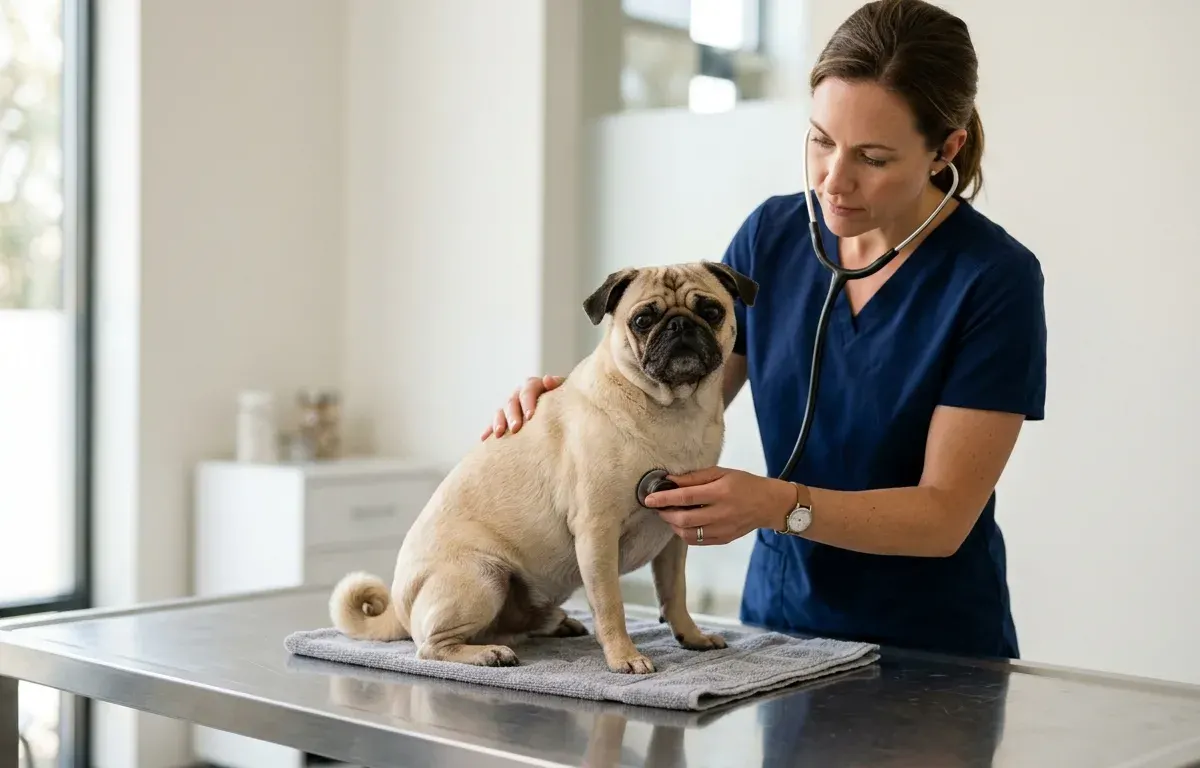
- Bi-Annual Physical Examinations: Routine checks should include thorough auscultation of the heart and lungs, evaluation of airway noises, assessment of patellar stability, and body condition scoring.
- Ophthalmic Screenings: Annual fluorescent dye staining detects early microscopic corneal scratches before deep ulcers form.
- DNA Health Testing: Before breeding, Pugs should undergo genetic screening for the DLA class II PDE risk alleles and spine radiography to evaluate for hemivertebrae.
- Senior Diagnostics: Because Pugs enter their senior years around age 7 to 8, regular blood chemistry panels, urinalysis, and blood pressure checks help monitor internal organ function alongside average lifespan and mortality factors for Pugs.
Nutrition, Exercise, and Climate Management
A balanced, portion-controlled diet is essential for preventing metabolic overload. Exercise guidelines for Pugs include:
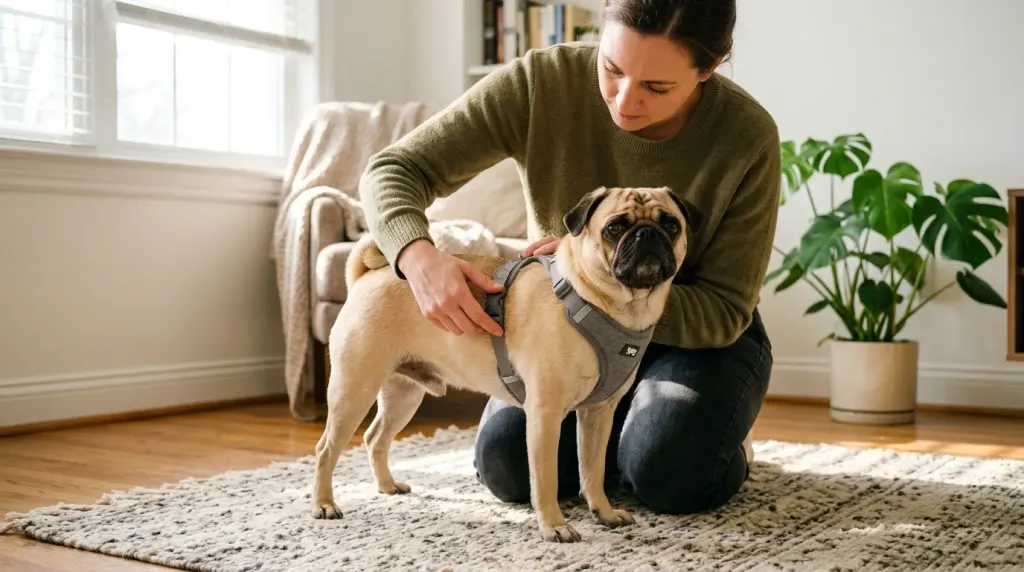
- Using a supportive chest harness rather than a neck collar to eliminate direct pressure on the trachea and larynx.
- Structuring walks into two 15 to 20 minute sessions during cooler morning and evening hours.
- Providing interactive puzzle toys and snuffle mats to deliver mental stimulation without physical exhaustion.
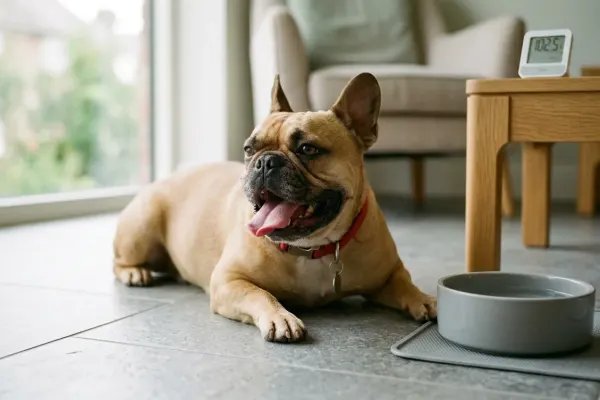
Pugs cannot dissipate body heat efficiently through panting because their compressed nasal turbinates and elongated soft palates restrict airflow. As ambient temperatures rise above 24°C (75°F) or humidity exceeds 60%, a Pug’s risk of heat exhaustion and fatal heatstroke escalates rapidly. Maintain air-conditioned indoor spaces with ambient temperatures between 20°C and 22°C (68°F to 72°F), provide fresh cool water, and avoid outdoor exercise during warm hours.
Weekly Home Health Monitoring Checklist
Performing a brief weekly physical check at home helps catch subclinical changes before they escalate:
- [ ] Facial and Tail Folds: Gently spread wrinkles, inspect for redness or moisture, and cleanse with veterinary-approved chlorhexidine or wipe dry.
- [ ] Eyes and Lids: Check for clear, bright corneas, absence of green or yellow discharge, and symmetrical eyelid opening.
- [ ] Ears: Inspect ear canals for dark wax accumulation, foul odor, or redness.
- [ ] Resting Respiratory Rate: Count breaths while the dog is asleep; a normal resting respiratory rate should remain below 30 breaths per minute.
- [ ] Weight and Rib Feel: Confirm that ribs can be easily felt beneath a light layer of fat with a discernible abdominal tuck behind the ribcage.
Critical Red Flags and Emergency Veterinary Indicators
Because Pugs often mask chronic discomfort, pet owners must recognize the difference between routine breed quirks and acute medical emergencies. The following clinical reference matrix outlines common health issues, early indicators, and appropriate veterinary response levels.
| Body System | Primary Condition | Early Warning Signs | Clinical Urgency Level |
|---|---|---|---|
| Respiratory | BOAS / Airway Collapse | Stridor, loud snoring, rapid panting during mild activity, widened stance | High: Schedule veterinary airway evaluation; emergency if gums turn pale blue |
| Ocular | Corneal Ulcer / Proptosis | Squinting, excessive tearing, cloudiness, eye bulging outward | Critical: Emergency veterinary care within hours to prevent vision loss |
| Dermatological | Skin Fold Pyoderma | Foul odor, erythema inside facial/tail wrinkles, brown discharge | Moderate: Antiseptic cleaning; veterinary visit if skin is ulcerated or painful |
| Musculoskeletal | Patellar Luxation / Dysplasia | Intermittent hop/skip gait, stiffness after rest, difficulty jumping | Moderate: Orthopedic examination, weight control, and joint therapy |
| Metabolic | Canine Obesity | Loss of visible waistline, inability to palpate ribs, rapid fatigue | Moderate: Dietary adjustment and gradual structured exercise plan |
| Neurological | Pug Dog Encephalitis (PDE) | Circling, head pressing, sudden behavioral shifts, tremors, seizures | Critical: Immediate emergency hospitalization and neurology consult |
Managing a Pug’s health requires proactive preventive protocols rather than reactive treatments. Because upper airway resistance, eye vulnerability, and skin fold anatomy are inherent breed traits, daily management (such as harness walking, fold hygiene, and strict calorie monitoring) forms the foundation of effective canine wellness.
Note: Clinical advice in this guide serves educational purposes and cannot replace an individualized diagnostic examination and treatment protocol established by a licensed veterinarian.
Frequently Asked Questions About Pug Health Problems
Are Pugs Prone to More Health Problems Than Other Breeds?
Yes, epidemiological data confirms that Pugs have a higher statistical probability of receiving disorder diagnoses compared to the general canine population. Their brachycephalic skull conformation, shallow eye sockets, skin fold density, and genetic background predispose them to upper airway obstruction, corneal trauma, intertrigo, and specific neurological conditions. However, responsible breeding practices, genetic testing, and vigilant home care substantially reduce the severity of many breed-related issues.
What Are the Most Urgent Signs of Breathing Distress in a Pug?
Urgent indicators of respiratory failure include blue, purple, or pale gray gums, high-pitched whistling or roaring stridor, wide-based standing with the neck outstretched, exaggerated abdominal pumping during inhalation, and sudden collapse. If a Pug displays any of these symptoms, keep the dog calm, cool the environment, and transport them immediately to an emergency veterinary clinic.
What Should You Do First If a Pug Changes Eating or Activity Habits?
When a Pug suddenly stops eating or becomes lethargic, first check their breathing rate and gum color to rule out acute respiratory distress. Inspect their mouth gently for dental foreign bodies or oral trauma, and assess for signs of abdominal pain or ocular squinting. If the behavioral change persists for more than 12 to 24 hours, or is accompanied by vomiting, diarrhea, or fever, contact your veterinarian for a diagnostic evaluation.


Leave a Reply