
Table of Contents
If you want to know how much are the pug dogs to purchase and raise, a pet-quality puppy from a health-testing breeder typically costs between $1,200 and $2,500 in the United States, while show-quality bloodlines range from $2,500 to over $6,000. Adopting a Pug through a rescue organization costs between $150 and $500. Total first-year ownership expenses range from $1,500 to $3,000, with ongoing monthly care averaging $80 to $220.
- Pet-quality puppies from ethical breeders cost $1,200 to $2,500, while show lines command $2,500 to $6,000.
- Rescue adoption fees average $150 to $500 and typically include spay/neuter surgery, core vaccines, and microchipping.
- International prices vary: UK Kennel Club registered Pugs cost £800 to £2,500, while Australian ANKC Pugs cost AUD $2,000 to $4,500.
- Upfront health testing by breeders for conditions like Pug Dog Encephalitis (PDE) prevents thousands in future veterinary bills.
- Lifetime ownership expenses span $15,000 to $35,000 over an estimated 12 to 15 year lifespan.
Global and regional price landscape for Pug dogs
Understanding how much Pug dogs cost requires evaluating the complete financial picture across acquisition channels and geographic markets. The initial price tag reflects breeder investments in hereditary screening, veterinary care, maternal nutrition, and early puppy socialization.
In the United States, prospective owners comparing how much money Pug dogs command will find that puppies registered with the American Kennel Club generally fall into two distinct price brackets. Companion or pet-quality puppies, which are sold with limited registration and spay/neuter contracts, cost between $1,200 and $2,500. Puppies from distinguished show lines with full breeding rights command between $2,500 and $6,000 or more.
Prospective owners seeking where to buy a Pug dog safely should recognize that initial purchase prices vary significantly by metropolitan cost of living. Urban breeders often face steeper veterinary overhead and stud fees than rural kennels. In addition, recognizing distinctive Pug physical features and facial structure clarifies why ethical breeders invest heavily in airway assessments for their parent stock. A higher upfront purchase price from a breeder who conducts comprehensive DNA and orthopedic screenings often saves thousands of dollars in emergency airway surgeries and chronic joint treatments over the dog’s life.
Purchase vs adoption: cost dynamics and upfront fees
When deciding how much Pug dogs are to buy versus adopt, comparing upfront shelter adoption fees with breeder purchase prices highlights two distinct financial commitments. Both options require careful budget planning, but their upfront cost dynamics differ substantially.
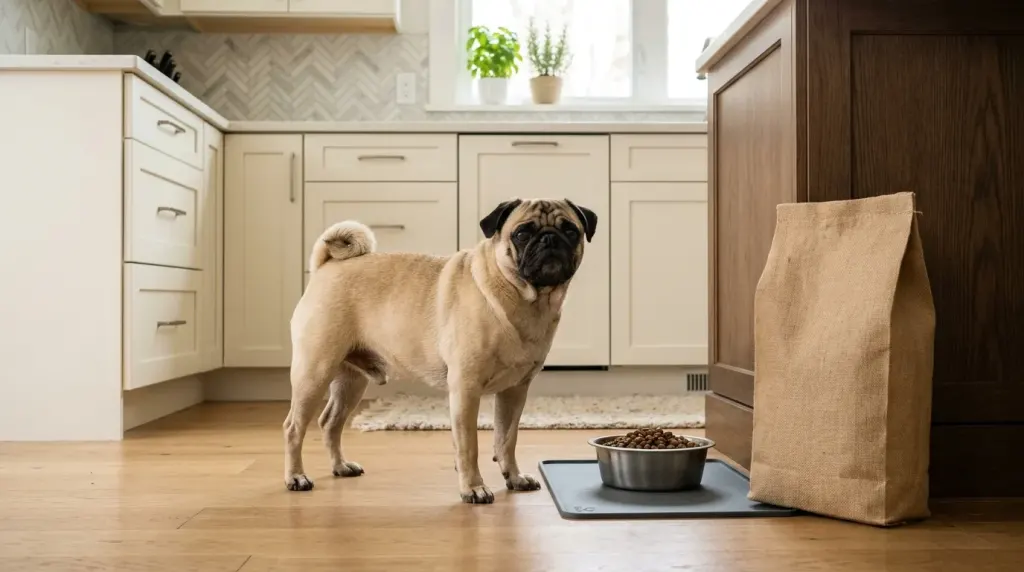
Adopting through a breed-specific rescue or animal shelter typically costs between $150 and $500. This adoption fee offers remarkable value because it directly covers essential medical procedures completed before the dog goes home:
- Spay or neuter surgery ($200 to $450 retail value)
- Core DHPP and rabies vaccinations ($100 to $200 value)
- Heartworm testing and initial preventative doses ($60 to $120 value)
- Microchip implantation and national registration ($35 to $60 value)
Age also influences market valuations when examining how much baby Pug dogs cost compared to mature companions. Newly weaned puppies ready for their first homes command top market rates due to strong consumer demand and nursery care. In contrast, adult Pugs rehomed by breeders or private owners typically cost between $400 and $1,000, depending on age, temperament, and training.
Senior Pugs frequently have their adoption fees reduced to $75 to $250 through rescue programs. Knowing when a Pug is considered a senior dog helps prospective adopters anticipate when routine wellness care shifts toward senior screening panels and joint support.
Key factors that determine Pug puppy prices
When assessing how much Pug dogs are worth, several structural and biological factors explain why reputable kennels price their puppies at specific tiers. Breeding brachycephalic (flat-faced) dogs involves complex veterinary management and health clearances that directly shape puppy pricing.

Primary pricing drivers include:
- Hereditary Health Clearances: Responsible breeders submit their breeding stock to the Orthopedic Foundation for Animals to achieve Canine Health Information Center (CHIC) certification. These mandatory evaluations require:
- DNA testing for Necrotizing Meningoencephalitis / Pug Dog Encephalitis (PDE)
- Patellar luxation clinical orthopedic exam
- Certified eye examination by a board-certified veterinary ophthalmologist (ACVO)
- Hip dysplasia radiographic screening
- Reproductive Costs: Pugs frequently experience dystocia due to their large head-to-pelvis ratio. Emergency cesarean sections cost between $1,500 and $3,500, which substantially increases the breeder’s litter production expenses.
- Pedigree and Conformation: Litters sired by AKC Grand Champions or imported bloodlines reflect years of selective breeding for balanced bone structure and sound respiratory conformation.
- Standard vs. Non-Standard Coat Colors: Recognized standard colors like fawn with a black mask and solid black carry standard pricing. Buyers must exercise caution when breeders charge inflated fees of $3,000 to $7,000 for unapproved “fad” colors like merle, blue, or pink, which frequently carry heightened risks for genetic deafness and skin disorders.
Checking how big Pug dogs get as adults allows owners to purchase the correct crate, bedding, and travel carriers early, avoiding the expense of replacing undersized equipment later.
Ongoing costs and long-term healthcare considerations
Calculating how much money Pug dogs require throughout their lifetime prevents unexpected financial strain. Beyond initial purchase expenses, annual maintenance averages $1,200 to $2,600, or roughly $80 to $220 per month.
Essential monthly and annual budget breakdown
- Nutrition: High-quality small-breed kibble costs $30 to $60 per month ($360 to $720 annually). Managing daily Pug dietary requirements and nutrition prevents obesity, which is the primary contributor to exacerbated breathing difficulty.
- Routine Veterinary Care & Preventatives: Annual wellness examinations, vaccine boosters, heartworm prevention, and flea/tick medication cost $400 to $800 per year.
- Hygiene and Facial Fold Maintenance: Specialized antiseptic wrinkle wipes and tear stain cleansers average $15 to $30 monthly.
- Pet Health Insurance: Monthly premiums for accident and illness coverage for Pugs average $45 to $90 in the US, £35 to £70 in the UK, and AUD $60 to $120 in Australia.
Research published by the PDSA indicates that a Pug costs a minimum of £8,900 over its life, with total lifelong expenses frequently reaching $15,000 to $35,000 across an estimated typical Pug dog lifespan of 12 to 15 years, depending on individual health and genetics.
Note:
Pet health insurance policies generally exclude pre-existing conditions. Enrolling a puppy early in its first year helps ensure coverage for breed-related issues such as corneal ulcers or Brachycephalic Obstructive Airway Syndrome (BOAS) before clinical symptoms manifest.
Red flags to watch for and how to avoid puppy scams
The popularity of companion breeds creates opportunities for fraudulent operations and commercial puppy mills that cut corners on animal welfare. Learning to identify red flags protects both your financial investment and canine health.
Common warning signs include:
- Unrealistically Low Prices: Advertisements listing purebred Pug puppies for $300 to $600 often signal commercial mills that skip all genetic screenings, or outright internet deposit scams.
- Refusal of Live Visits: Scammers frequently refuse in-person visits or live video calls to show the puppy interacting with its mother in a clean environment.
- Non-Standard Color Marketing: Sellers marketing “rare luxury” merle, chocolate, or fluffy coats at extreme markups often compromise genetic health for cosmetic novelty.
- Lack of Written Health Warranties: Ethical breeders provide written sales contracts with health guarantees against severe genetic disorders, with coverage terms explicitly defined by the kennel.
- Payment via Non-Traceable Methods: Demands for wire transfers, gift cards, or unregulated peer-to-peer apps indicate fraudulent transactions.
Establishing a consistent daily Pug care routine from day one supports skin barrier health and prevents expensive ear and dental infections down the road.
Regional price comparison across major countries
Canine purchase prices and veterinary fees vary internationally based on national kennel club standards, regional import laws, and local currency rates.
Prospective buyers in the United Kingdom researching how much Pug dogs cost in the UK can expect Kennel Club registered puppies to range from £800 to £2,500. Champion bloodlines from established show kennels often command £2,500 to £4,000, while rescue adoption fees typically sit between £150 and £350.
For Australian buyers wondering how much Pug dogs cost in Australia, purebred puppies registered with Dogs Australia (ANKC) average AUD $2,000 to $4,500 for pet quality. Show-quality dogs with championship lineage range from AUD $4,500 to over $6,500, with monthly food and veterinary upkeep averaging AUD $120 to $250.
| Country / Region | Average Puppy Price (Pet Line) | Show / Champion Bloodlines | Rescue / Adoption Fee | Typical Monthly Care Budget |
|---|---|---|---|---|
| United States (USD) | $1,200 to $2,500 | $2,500 to $6,000+ | $150 to $500 | $80 to $220 / month |
| United Kingdom (GBP) | £800 to £2,500 | £2,500 to £4,000+ | £150 to £350 | £70 to £120 / month |
| Australia (AUD) | $2,000 to $4,500 | $4,500 to $6,500+ | $400 to $1,000 | $120 to $250 / month |
Dr. Jerry Klein, Chief Veterinary Officer of the American Kennel Club (AKC), highlights the value of pre-purchase diligence:
“Health testing is critical for all dogs, especially brachycephalic breeds like Pugs where screening parent dogs for genetic conditions protects both animal welfare and owner finances.”
For prospective owners considering living with a Pug in an apartment, their quiet nature and low outdoor space needs make them practical companions, provided indoor climate control is maintained during warmer seasons.
Important health and breeder checks before buying a Pug
Before committing funds or signing an adoption agreement, conducting a thorough verification checklist ensures you are acquiring a structurally sound, healthy puppy.
Essential verification steps:
- Verify CHIC and OFA Numbers: Ask for the registered kennel names and registration numbers of both parents, then verify their clearances directly on the public OFA registry database.
- Observe Breathing Mechanics: Listen closely for excessive airway noise. Understanding why Pug dogs snort and wheeze helps you distinguish normal soft palate sounds from severe airway obstruction like pinched nostrils (stenotic nares).
- Examine Eyes and Skin Folds: Ensure puppy eyes are clear, tear ducts are intact, and facial wrinkles are clean, dry, and free of foul odor or erythema.
- Review Immunization Records: Confirm the puppy has received veterinary deworming and age-appropriate core vaccinations signed by a licensed veterinarian.
Frequently asked questions about Pug dog prices
Are Pugs costly to maintain compared to other dog breeds?
When evaluating how much Pugs and similar companion dogs cost over time, they fall into a moderate bracket for initial purchase and feeding, but their lifetime veterinary expenses can run higher than average. Brachycephalic airway challenges, corneal sensitivity, and skin fold maintenance require attentive veterinary care and make comprehensive pet health insurance a wise financial safeguard.
How much do Pug dogs cost on average in the United States?
In the United States, companion-quality Pug puppies from certified breeders average $1,200 to $2,500. Champion bloodlines range from $2,500 to $6,000, while adopting through a shelter or rescue costs between $150 and $500.
How much are baby Pug dogs compared to mature adults?
Baby Pug puppies ready to go home from a breeder cost the most, ranging from $1,200 to $2,500 or more due to strong market demand. Adult Pugs rehomed privately typically cost between $400 and $1,000, while seniors adopted from rescues average $75 to $250.
How much does it cost to adopt a Pug from a rescue shelter?
Adopting a Pug through a non-profit rescue or shelter costs between $150 and $500. This adoption fee covers spaying or neutering, core vaccinations, heartworm testing, and microchip registration.
What unexpected veterinary expenses should Pug owners anticipate?
Pug owners should maintain an emergency medical fund for breed-specific conditions. Common unexpected procedures include stenotic nares widening ($500 to $1,500), elongated soft palate resection ($1,000 to $2,500), corneal ulcer treatment ($300 to $1,200), and professional dental cleanings under general anesthesia ($300 to $800).

Leave a Reply