

Table of Contents
A purebred German Shepherd puppy from a reputable breeder typically costs between $1,200 and $2,500 for a family companion. Working-line puppies with specialized training foundations range from $2,500 to $5,000, while show-line dogs with champion pedigrees reach $3,000 to $7,000. Beyond the purchase price, first-year setup expenses average $1,500 to $3,500, with ongoing annual maintenance adding $1,500 to $2,500 for food, preventive medical care, and gear.
- Pet-quality purebred puppies cost $1,200 to $2,500, whereas specialized working and show lines command $2,500 to $7,000.
- Health testing compliance, including hip and elbow clearances, represents the primary justification for higher breeder pricing.
- First-year initial expenses add $1,500 to $3,500 for vaccinations, registration, crates, supplies, and basic obedience training.
- Annual recurring maintenance costs average $1,500 to $2,500, leading to an estimated lifetime commitment of $18,000 to $30,000.
- Adopting a purebred adult or rescue German Shepherd costs $300 to $600 and covers preliminary medical vetting and sterilization.
Purebred German Shepherd Price by Lineage and Breeder Tier
Prospective owners researching how much for purebred German Shepherd puppies will find that purchase prices vary across distinct breeding categories. The German Shepherd Dog is a versatile breed utilized for family companionship, sport, search and rescue, and law enforcement. As a result, bloodlines have diverged into specific branches that directly influence upfront market value.
Understanding how much are purebred German Shepherds begins with recognizing the breeder tier and the developmental investments made prior to placement. Ethical breeders invest heavily in health clearances, nutritional support, early neurological stimulation, and lineage verification.
| Lineage Category | Typical Price Range | Intended Role | Key Inclusions |
|---|---|---|---|
| Adoption or Breed Rescue | $300 – $600 | Family companion | Core vaccinations, microchip, spay or neuter surgery |
| Pet and Companion Line | $1,200 – $2,500 | Active family pet | Basic registration, initial vaccinations, deworming, parent health checks |
| Working Line (DDR or Czech) | $2,500 – $5,000 | Sport, protection, service work | Working titles, drive evaluation, certified hip and elbow scores |
| Show Line (American or West German) | $3,000 – $7,000 | Conformation show, breeding | Champion bloodlines, breed survey ratings, full registration |
| Trained Protection Adult | $8,000 – $20,000+ | Executive protection, security | Advanced obedience, protection training certifications |
Companion and Family Pet Lines
Most families searching for a purebred German Shepherd seek a companion line dog. Responsible breeders producing pet-quality puppies focus on stable temperaments, moderate drive levels, and solid genetic health. These puppies are sold with limited registration, meaning they make wonderful household pets but cannot produce registered litters.
Prices in this tier generally fall between $1,200 and $2,500. When comparing family companion acquisition budgets with the purchase cost of a pug, prospective owners will observe that large working breeds require higher initial breeder expenditures for facilities, specialized nutrition, and early neurological conditioning.
Working Lines and Protection Bloodlines
Working bloodlines, such as Czech working lines or East German DDR lines, are bred specifically for high drive, physical resilience, mental stamina, and intense focus. These dogs excel in Schutzhund (IGP) tracking, protection sports, search and rescue operations, and police service.
Puppies from certified working bloodlines cost between $2,500 and $5,000. Buyers must prepare for substantial exercise and training requirements, as these dogs thrive on purposeful daily tasks rather than a quiet sedentary routine.
Show Lines and Champion Pedigrees
Show-line German Shepherds, particularly West German show lines (VA rated) and American AKC show lines, are bred to meet stringent breed standard conformation criteria. Breeders focus on precise angulation, rich pigmentation, and fluid movement.
Show-line puppies with full breeding and show rights regularly sell for $3,000 to $7,000. Evaluating purebred pricing trends alongside French bulldog purchase prices reveals distinct cost drivers; while small companion breeds command premiums due to specialized reproductive delivery methods, German Shepherd valuations reflect pedigree working titles and rigorous conformation standard rankings. Dogs imported directly from prestigious European kennels with established titles often exceed this range due to international transport and quarantine logistics.
Key Factors That Determine Purebred German Shepherd Puppy Prices
The broad price range for purebred German Shepherds reflects the variable investments ethical breeders make before breeding pairs produce a litter. Understanding these variables helps buyers evaluate whether a breeder fee corresponds to genuine genetic quality.
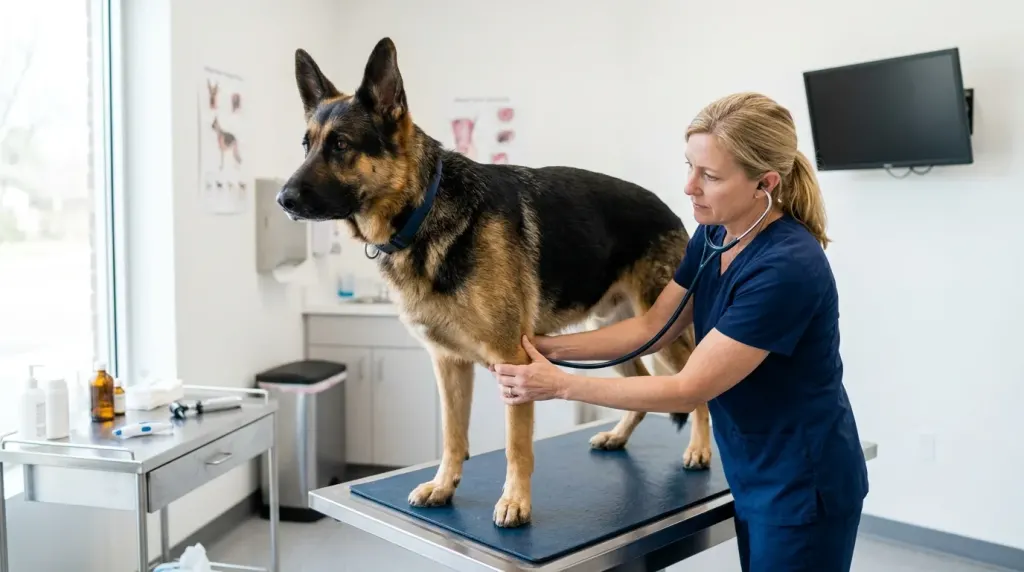
Breeder Investment Factors:
- Parental Health Clearances (OFA / PennHIP / Genetic Panels)
- Pedigree Quality, Titles, and Breed Surveys
- Litter Care, Veterinary Vetting, and Early Socialization
- Geographic Location and Facility Operating Costs
Genetic Testing and Orthopedic Clearances
The most critical factor in puppy pricing is parental health testing. German Shepherds are genetically predisposed to several inherited orthopedic and degenerative disorders. Ethical breeders conduct rigorous screenings before selecting breeding pairs.
According to testing standards established by the OFA German Shepherd health program, breeding dogs require certified evaluations for hip dysplasia and elbow dysplasia, along with temperament screening and genetic panels for degenerative myelopathy (DM). Completing comprehensive orthopedic radiographs and DNA testing costs breeders between $1,000 and $2,500 per dog. Puppies priced below market average often lack these essential screenings, shifting substantial orthopedic risks to the buyer.
Reproductive methodologies vary significantly across dog breeds; while breeding French bulldogs requires specialized reproductive veterinary interventions, ethical German Shepherd breeding programs invest heavily in multi-generation working performance trials and official orthopedic registries.
Early Socialization and Healthcare Protocols
A reputable breeder invests significant time and capital into maternal nutrition, prenatal veterinary care, sterile whelping environments, and early neurological stimulation protocols. Litters receive multi-stage deworming, initial core vaccinations, microchip implantation, and thorough veterinarian examinations before leaving for their new homes at eight to ten weeks of age.
Litter size dynamics also shape breeder pricing structures; while German Shepherd dams typically whelp six to eight puppies, breeds with smaller litters such as standard French bulldog litter sizes create higher per-puppy operational overhead for ethical breeders. A lower initial purchase price often conceals skipped medical screenings and substandard maternal nutrition. Investing in a properly tested puppy from proven lineage significantly lowers the probability of costly orthopedic surgeries throughout the dog’s life.
Upfront Costs: First-Year Expenses for a Purebred German Shepherd Puppy
Bringing a puppy home involves substantial initial setup expenses beyond the purchase price. New owners must purchase durable large-breed supplies, schedule veterinary wellness visits, and enroll in obedience training programs.

According to puppy planning data from the AKC financial preparation guide, initial setup and first-year supplies for a large-breed dog average between $1,500 and $3,500.
| First-Year Expense Item | Estimated Cost Range | Practical Details |
|---|---|---|
| Puppy Purchase or Adoption Fee | $300 – $2,500 | Variable by breeder tier or rescue organization |
| Veterinary Exams and Puppy Vaccinations | $250 – $500 | Core series: distemper, parvo, adenovirus, rabies |
| Spay or Neuter Surgery | $250 – $600 | Recommended timing discussed with your veterinarian |
| Heavy-Duty Crate (42 to 48 inch) | $80 – $160 | Essential for house training and crate safety |
| Orthopedic Bed and Bedding | $60 – $140 | Joint support tailored to large growing frames |
| Leashes, Collars, and Walking Harness | $40 – $90 | Durable nylon or leather suitable for pulling strength |
| Food, Water Bowls, and Grooming Tools | $50 – $100 | Stainless steel bowls, slicker brush, and undercoat rake |
| Puppy Training and Socialization Classes | $150 – $400 | Group puppy foundation classes (6 to 8 weeks) |
| Microchip Registration and Licensing | $40 – $70 | Permanent identification and local municipal tag |
| Total Estimated First-Year Setup | $1,220 – $4,560 | In addition to ongoing food and preventive care |
Alongside durable physical equipment, managing daily developmental schedules and understanding how much sleep puppies need helps new owners establish structured rest periods that prevent behavioral overstimulation during the first year. Young working-breed puppies require 18 to 20 hours of daily rest to support rapid musculoskeletal growth.
Establishing clear house routines early mirrors the consistency needed when potty training a French bulldog, though large working breeds demand larger crate enclosures and scheduled outdoor physical exercise.
Ongoing Annual and Lifetime Cost of Owning a German Shepherd
Calculating how much do purebred German Shepherds cost requires evaluating multi-year maintenance. As powerful working dogs with deep chests and double coats, German Shepherds require substantial daily caloric intake, consistent grooming, and dedicated healthcare.
Typical Annual Maintenance Budget:
- Premium Large-Breed Food: $720 – $1,200
- Routine Veterinary Care and Vaccines: $250 – $500
- Heartworm, Flea, and Tick Preventatives: $200 – $380
- Grooming Supplies and Deshedding: $80 – $300
- Toys, Chews, and Gear Replacement: $100 – $250
- Pet Health Insurance (Optional): $600 – $1,200
Total Annual Recurring Cost: $1,950 – $3,830
Detailed research from the PDSA dog ownership cost report indicates that the minimum baseline maintenance for a large canine breed is $1,500 to $2,500 annually. Over an average lifespan of 9 to 13 years, the total cost of ownership ranges from $18,000 to $30,000 or more when major veterinary procedures occur.
When calculating lifetime financial commitments, breed longevity is a key variable; while small companions can live 12 to 15 years as outlined in reviews of how long pug dogs live, a German Shepherd typically averages 9 to 13 years with higher cumulative annual feeding and veterinary medication costs.
Nutrition and Diet Expenses
An active adult German Shepherd consumes 3 to 4.5 cups of premium large-breed dry kibble daily, equating to 30 to 45 pounds of food per month. High-quality formulas enriched with glucosamine, chondroitin, and omega-3 fatty acids cost between $60 and $100 per bag. Annual food expenditures typically range from $720 to $1,200.
Monthly feeding expenses scale directly with body mass; while managing compact breeds requires knowing how much dog food a pug should eat (typically under one cup daily), an adult German Shepherd consumes three to four and a half cups of large-breed formula daily.
Routine Veterinary Care and Parasite Prevention
Annual wellness exams, booster vaccinations (DHPP, Rabies, Bordetella, Leptospirosis), fecal screenings, and blood panels total $250 to $500 yearly. In addition, year-round prescription heartworm and flea/tick preventatives tailored to a 70 to 90 pound dog cost $200 to $380 annually.
Note: Prescription preventatives and medication dosages for large-breed dogs scale directly with body weight, making routine parasite prevention notably more expensive than for small toy breeds.
Veterinary Medical Care and Breed Health Risk Expenses
Purebred German Shepherds possess inherited health susceptibilities that influence long-term veterinary budgeting. Understanding potential medical interventions helps owners prepare dedicated emergency funds or evaluate pet insurance coverage.
| Health Condition | Typical Diagnosis or Treatment Cost Range | Management and Preventative Measures |
|---|---|---|
| Hip or Elbow Dysplasia Surgery | $2,500 – $6,500 per joint | OFA parental screening, controlled puppy exercise, weight management |
| Gastric Dilatation-Volvulus (Bloat) | $3,000 – $7,500 (Emergency Surgery) | Prophylactic gastropexy ($400 – $900 during spay/neuter), slow feeder bowls |
| Degenerative Myelopathy (DM) | $500 – $2,000 (Palliative Support) | DNA testing of parents, physical rehabilitation, mobility harness support |
| Allergies and Chronic Dermatitis | $300 – $1,200 annually | Cytopoint/Apoquel therapy, hypoallergenic elimination diets |
Emergency Preparedness and Pet Insurance
Emergency medical events represent the largest unexpected financial liability in large-breed ownership. Just as toy breeds face unique breed-specific neurological conditions like Pug Dog Encephalitis, German Shepherds carry distinct predispositions to gastric dilatation-volvulus (bloat) and cruciate ligament tears. Maintaining an emergency reserve of $3,000 to $5,000 or carrying accident and illness pet insurance protects against sudden financial strain.
Environmental conditioning and exercise moderation also protect canine vitality. While heat management for brachycephalic dogs focuses on cooling down a French bulldog to prevent acute respiratory distress, German Shepherds face heat exhaustion during intense physical training in warm climates, requiring handlers to schedule working sessions during cooler hours and provide continuous hydration.
How to Budget and Reduce Ongoing Care Expenses Responsibly
Prospective owners can manage the financial commitments of purebred German Shepherd ownership without compromising health, safety, or nutritional quality.
Guidance provided by the ASPCA pet care cost-cutting recommendations highlights that consistent preventive care remains the most effective financial safeguard against catastrophic medical bills.
Practical Budget Optimization Strategies:
- Prioritize Daily Preventive Care and Weight Management
- Master At-Home Grooming and Coat Maintenance
- Commit to Early Socialization and Structured Training
- Compare Prescription Prices and Utilize Generic Alternatives
Preventive Health and Weight Management
Maintaining a lean body condition reduces excessive mechanical stress on hip and elbow joints, significantly lowering the risk and severity of arthritis. Consistent dental hygiene, including daily brushing and veterinary dental chews, prevents periodontal disease and expensive professional cleanings.
At-Home Grooming Routines
German Shepherds possess a dense double coat that sheds continuously and blows heavily twice a year. Professional grooming appointments cost $70 to $120 per visit. By investing in an undercoat rake, slicker brush, and high-velocity pet blow dryer, owners can easily maintain the coat at home.
At-home coat maintenance provides reliable annual savings. While short-coated breeds follow specific bathing intervals as explained in guides on how often to bathe a French bulldog, double-coated German Shepherds require weekly undercoat line-combing and seasonal blowouts to protect the skin barrier without recurring grooming salon fees.
Early Obedience Foundation
Early obedience education delivers immense financial return; just as foundational behavioral consistency is required when training a pug dog, early socialization for a high-drive working dog prevents destructive chewing and eliminates the need for expensive professional behavioral rehabilitation later in life.
Frequently Asked Questions About Purebred German Shepherd Costs
Why are some purebred German Shepherds significantly cheaper than others?
Puppies advertised below $1,000 often originate from backyard breeders or commercial puppy mills that skip parental genetic testing, OFA orthopedic screenings, and proper maternal care. While the initial purchase price is lower, these puppies carry substantially higher risks of severe hip dysplasia, degenerative myelopathy, and unstable temperaments that require thousands of dollars in lifetime veterinary treatment.
How much does it cost to adopt a purebred German Shepherd from a rescue?
Adopting a purebred German Shepherd through a dedicated breed rescue or animal shelter typically costs between $300 and $600. This adoption fee generally covers spay or neuter surgery, complete age-appropriate vaccinations, microchip placement, heartworm testing, and preliminary behavioral evaluation.
Is pet insurance worth the cost for a purebred German Shepherd?
Pet insurance policies for German Shepherds typically cost between $50 and $100 per month depending on age, location, and deductible options. Because the breed is susceptible to costly conditions such as gastric dilatation-volvulus (bloat), cruciate ligament tears, and hip dysplasia, an accident and illness policy provides vital financial protection against emergency veterinary expenses that can exceed $3,000 to $7,000.
How much food does an adult German Shepherd eat per month?
An adult German Shepherd weighing 65 to 90 pounds typically consumes 30 to 45 pounds of premium dry kibble per month, which translates to approximately 3 to 4.5 cups daily depending on activity level. Monthly food expenses generally total $60 to $100 for high-quality large-breed formulas.


Leave a Reply