

Table of Contents
To know how to cool down a French Bulldog safely during hot weather or physical exertion, contact a veterinarian or emergency clinic IMMEDIATELY before attempting any other steps. Move the dog to a cool, shaded, or air-conditioned space, and apply cool tap water over the body (focusing on the belly, armpits, and paw pads) while using a fan to increase airflow. Provide small sips of cool drinking water if the dog is fully conscious. Never submerge an overheating Frenchie in ice water, force water intake, or induce vomiting unless instructed by a vet.
- Contact a veterinarian or emergency clinic immediately at the first sign of overheating before doing anything else.
- Move the dog into shade or air conditioning immediately and stop all physical activity.
- Use cool tap water combined with fan airflow to lower body temperature rapidly and safely.
- Avoid ice-cold baths, which cause blood vessel constriction and slow internal core heat loss.
- French Bulldogs face roughly 6 times higher heatstroke risk than Labradors due to brachycephalic airways.
- Never wait or monitor symptoms at home before seeking professional medical help.
Why Are French Bulldogs So Vulnerable to Overheating?
French Bulldogs are flat-faced (brachycephalic) dogs that struggle to regulate their internal temperature in warm environments or during physical exertion. Unlike humans, who sweat across their skin, dogs rely primarily on panting to exchange warm body heat for cooler air through moisture evaporation in the upper respiratory tract.
In French Bulldogs, short nasal passages, narrowed nostrils (stenotic nares), an elongated soft palate, and higher airway resistance impair this evaporative cooling process. Panting requires significantly more muscular effort for a brachycephalic dog, generating internal metabolic heat while trying to lose it. Research from the Royal Veterinary College (RVC) VetCompass program indicates that French Bulldogs have approximately 6 times the risk of developing heat-related illness compared to mesocephalic breeds such as Labrador Retrievers.
Understanding these anatomical traits helps owners recognize why heat stress can turn dangerous within minutes for this breed. For a comprehensive overview of physical traits, temperament, and care requirements, explore the French Bulldog breed characteristics and care guide. Clinical findings from VetCompass show that over 74% of heat-related illness events in dogs are triggered by exercise rather than passive environmental exposure alone, emphasizing the need for strict activity limits during warm weather.
Canine Cooling Mechanisms and Brachycephalic Limitations
Under normal conditions, a dog dissipates heat through three primary mechanisms: panting, vasodilation (expanding skin blood vessels), and minor perspiration through paw pads. Air moves across moist respiratory membranes, allowing evaporation to lower bloodstream temperatures before circulating back to vital organs.
In French Bulldogs, structural airway restrictions reduce total airflow volume. When a Frenchie pants heavily, swollen tissue in the throat further restricts oxygen intake, creating respiratory distress. If an underlying respiratory issue is present, heat tolerance drops even lower. You can learn more about airway obstruction in French Bulldog breathing problems and BOAS.
Common Triggers for Heat-Related Illness in French Bulldogs
Heat-related illness in French Bulldogs stems from three primary triggers:
- Exertional heat stress: Walking, running, or active play in warm or humid conditions.
- Environmental heat stress: Exposure to direct sun, high ambient temperatures, or poorly ventilated rooms without climate control.
- Confinement heat stress: Being left inside a parked motor vehicle, enclosed crate, or small room exposed to solar gain.
Data compiled by the UK Brachycephalic Working Group (BWG) underscores that exertional heat stress remains the single most frequent cause of emergency admission for brachycephalic dogs.
How to Recognize Signs of an Overheating French Bulldog?
Early detection of heat distress is critical to prevent irreversible organ damage or fatal heatstroke. Owners should monitor respiratory effort, gum color, demeanor, and posture whenever temperature or activity levels rise.
Note: Contact a veterinarian or emergency animal hospital immediately at the very first sign of heat distress. Never wait or monitor symptoms at home before getting professional help, as severe heatstroke and organ failure progress rapidly.
Mild Signs – Early Warmth and Mild Distress
In the initial stages of heat stress, a French Bulldog shows subtle signals that internal temperature is creeping above normal:
- Heavy, rapid panting with wide eyes and extended tongue.
- Increased drooling or thick saliva around the mouth.
- Slightly reddened gums and inner ears.
- Seeking shaded spots, cold floor tiles, or refusing to move forward on walks.
At this stage, moving the dog to a cool environment and offering rest usually resolves the distress quickly.
Moderate Signs – Progressing Heat Stress
If mild overheating is ignored, internal heat accumulates and physiological stress deepens:
- Loud, raspy breathing or choking sounds while panting.
- Dark red or bright pink gums and tongue.
- Visible fatigue, weakness, or hesitation when standing.
- Gastrointestinal upset, including mild vomiting or liquid stool.
Moderate heat distress requires immediate active cooling interventions and contact with a veterinary professional.
Severe Signs – Medical Emergency Requiring Immediate Vet Care
Severe heatstroke occurs when core body temperature exceeds 104 deg F (40 deg C), leading to cellular damage:
- Pale, gray, or blue-tinged gums indicating poor oxygenation.
- Inability to stand, wobblings, disorientation, or sudden collapse.
- Muscle tremors, seizures, or unresponsiveness to voice commands.
- Vomiting containing blood or dark fluid.
This is a life-threatening veterinary emergency. Start cooling procedures immediately while transporting the dog directly to an emergency veterinary clinic.
Emergency Step-by-Step Process to Cool Down an Overheating Frenchie
Contact a veterinarian or animal poison control center IMMEDIATELY before performing any other emergency or cooling steps. Never delay calling a vet, wait, or monitor symptoms at home. Never attempt to induce vomiting unless explicitly directed by a licensed veterinarian. Follow this vet-backed emergency protocol step by step while preparing for transport.
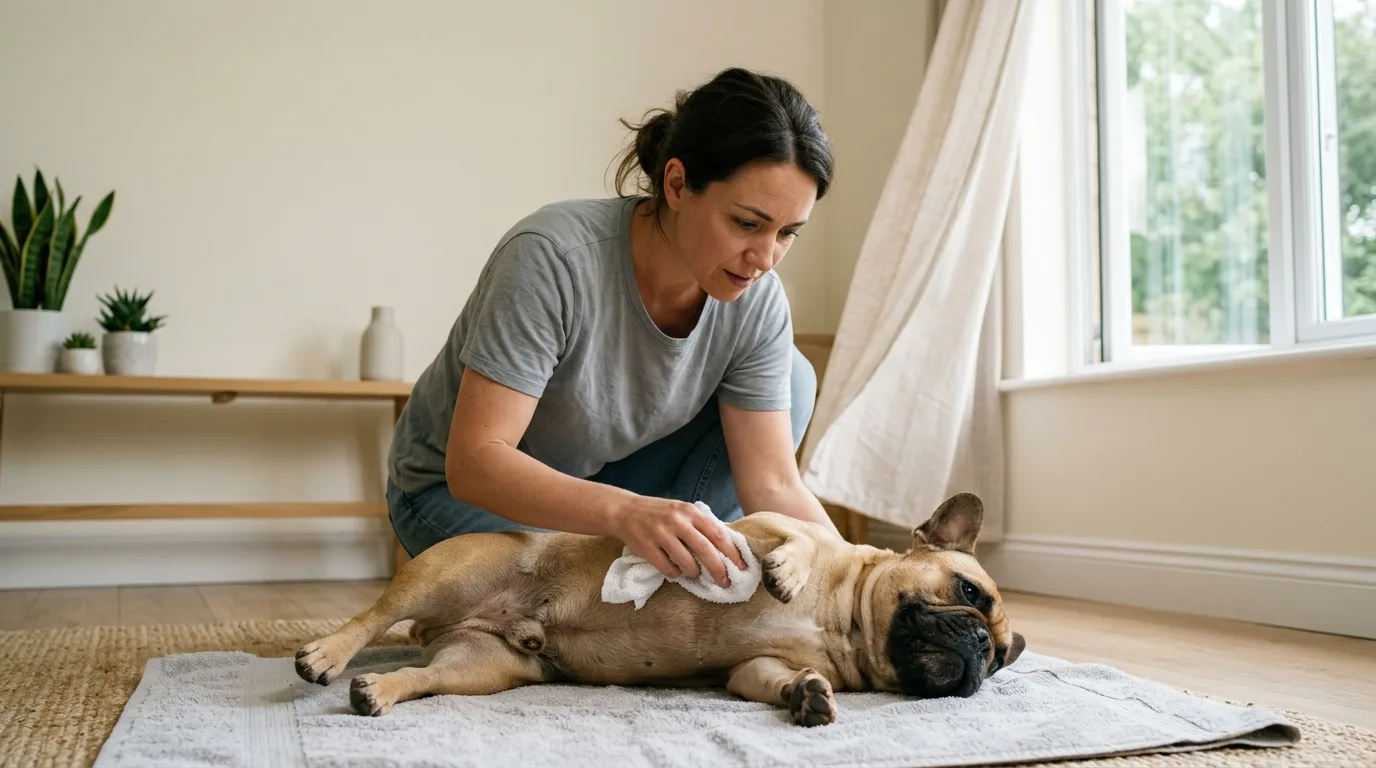
Step 1 – Immediately Remove the Dog from the Heat Source
Stop all physical activity instantly. Move the dog into an air-conditioned room, a well-ventilated indoor space, or deep outdoor shade. Remove any tight collars, harnesses, or clothing that might restrict breathing. Place the dog on a cool surface, such as tile or hardwood, rather than warm carpet or concrete.
Maintaining a healthy body weight reduces insulation layers that trap core heat. To evaluate your pet’s proportions, check the adult size and growth chart for French Bulldogs. Understanding typical indoor needs also helps when choosing suitable living arrangements; read more about French Bulldogs as indoor pets.
Step 2 – Apply Cool Tap Water and Boost Air Circulation
Pour or spray cool tap water (roughly 60 deg F to 68 deg F / 15 deg C to 20 deg C) over the dog’s body, targeting high-vascular areas: the groin, belly, armpits, neck, and paw pads. Avoid pouring water directly onto the face or nose to prevent accidental water inhalation.
Position an electric fan or air-conditioned vent to blow air continuously over the wet fur. Evaporative cooling enhanced by airflow is recognized by the UK Brachycephalic Working Group as the most effective method for lowering core body temperature rapidly in dogs.
Step 3 – Offer Small Sips of Cool Water if Fully Conscious
If the dog is alert, conscious, and able to swallow normally, offer small quantities of cool drinking water. Allow the pet to lap water naturally at its own pace.
Never force water down a dog’s throat or pour liquids into the mouth of a dazed or vomiting animal, as this risks aspiration pneumonia.
Step 4 – Immediate Veterinary Evaluation and Transport En Route
Transport the dog to an emergency veterinary clinic immediately while continuing active cooling procedures en route. Never wait or monitor symptoms before calling a professional.
Even if your Frenchie appears to recover, an immediate veterinary exam is mandatory. Secondary complications such as delayed brain swelling, kidney injury, or internal organ dysfunction can develop hours after heat exposure.
Dangerous Practices to Avoid When Cooling a French Bulldog
Well-intentioned owners sometimes employ cooling techniques that do more harm than good. Avoiding these common mistakes is essential for safe recovery.
Do Not Use Ice Water Baths or Ice-Cold Water Over the Body
Submerging an overheating dog in ice water or dousing the skin with freezing water causes surface blood vessels to constrict (periphery vasoconstriction). This traps hot blood inside core organs and slows overall heat dissipation. Furthermore, ice shocks can trigger shivering, which generates additional internal metabolic heat.
Always use room-temperature or cool tap water paired with steady fan ventilation rather than ice baths.
Do Not Force Water Intake or Force Large Ice Quantities
Forcing an overheating dog to drink large amounts of water can provoke vomiting and stomach bloating. Additionally, forcing ice cubes down an unwilling pet’s throat poses a choking hazard and risks liquid entering the lungs.
If you are looking for safe resting setups after cooling, inspect guidelines on choosing the right crate size recommendations for French Bulldogs.
Exercise Caution with Rubbing Alcohol on Paws or Body
Applying rubbing alcohol to paw pads was historically suggested to accelerate cooling through fast evaporation. However, veterinary experts advise against this practice. Alcohol fumes irritate sensitive brachycephalic airways, skin contact can cause chemical irritation, and accidental ingestion from licking paws introduces toxicity risks.
Do Not Attempt to Induce Vomiting
Never attempt to induce vomiting in an overheating or distressed French Bulldog unless explicitly directed to do so by a licensed veterinarian or animal poison control specialist. Inducing vomiting in a dog experiencing heat distress or altered consciousness carries severe risks of aspiration pneumonia, airway blockage, and worsening cardiovascular shock.
Owners concerned about skin reactions should also review details on French Bulldog coat and skin sensitivities.
Preventive Strategies to Keep French Bulldogs Cool Year-Round
Preventing heat stress requires consistent daily habits, environmental planning, and lifestyle adjustments tailored to flat-faced breeds.
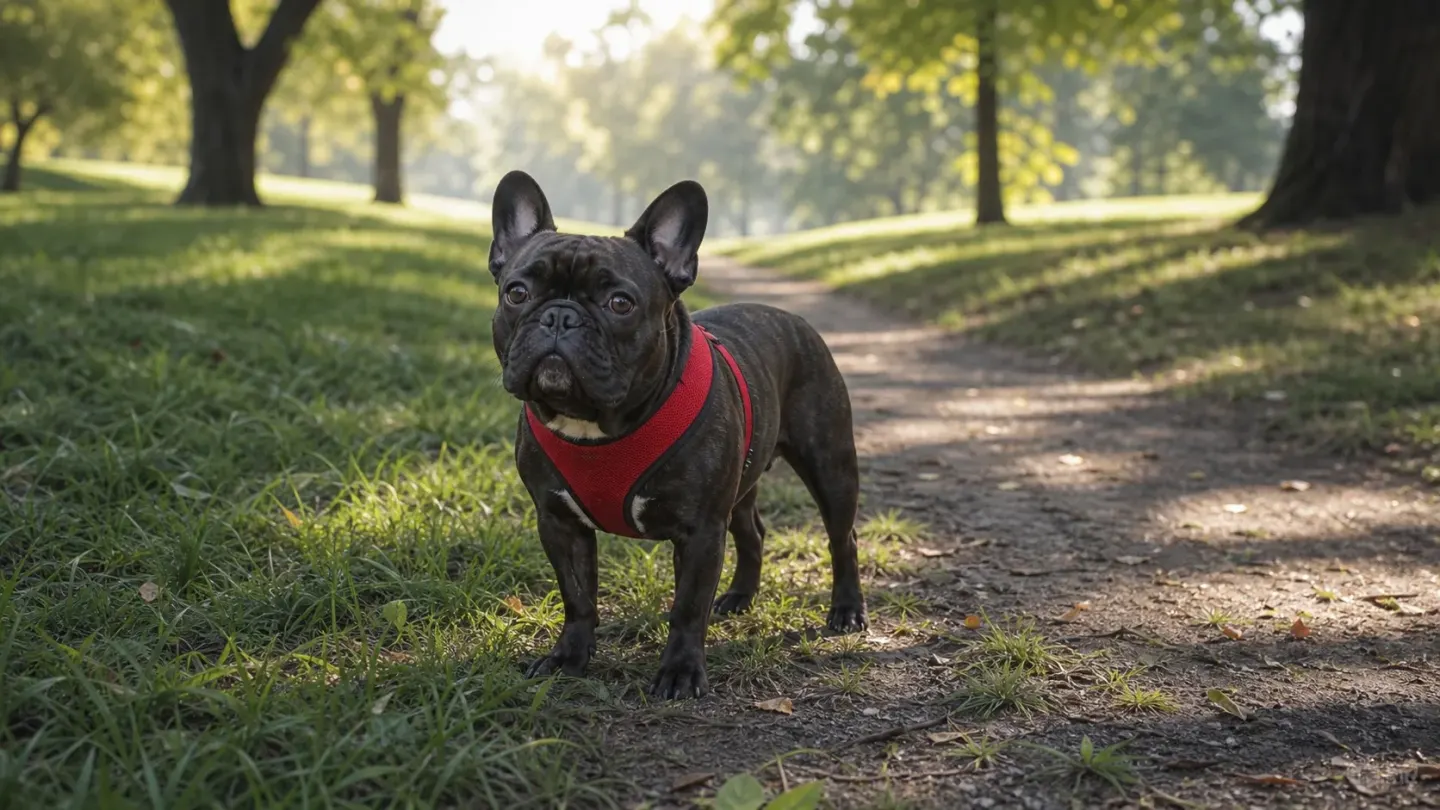
Adjusting Exercise Timing, Intensity, and Gear
Schedule outdoor walks during the coolest parts of the day, typically early morning or late evening after sunset. Keep outings brief during warm spells, limiting activity to short relief walks.
Always walk a French Bulldog using a well-fitted chest harness rather than a neck collar. Collars compress the windpipe, increasing airway resistance and accelerating heat buildup.
Optimizing Indoor and Outdoor Living Environments
Keep indoor ambient temperatures comfortable using air conditioning or well-placed circulating fans. Avoid placing pet beds or crates in direct sunlight through windows.
Outdoors, ensure continuous access to deep shade and fresh drinking water. Never leave a Frenchie unattended on sunlit patios, unshaded yards, or hot asphalt surfaces.
Maintaining Proper Hydration and Healthy Body Weight
Provide multiple water stations throughout the home to encourage drinking. On warm days, offer hydrating treats such as fresh cucumber slices or small pieces of dog-safe fruits. For portion details, read about safe portion limits of apples for French Bulldogs and how to feed celery as a hydrating snack for French Bulldogs.
Excess body fat acts as thermal insulation and forces the heart and lungs to work harder. Keeping your Frenchie at a lean, healthy weight significantly lowers baseline heatstroke risk.
Managing Car Travel and Enclosed Spaces Safely
Never leave a French Bulldog alone inside a parked vehicle, even for a few minutes, and even with windows cracked or parked in shade. Interior vehicle temperatures can climb past 100 deg F (38 deg C) in under 10 minutes when ambient temperatures exceed 70 deg F (21 deg C).
Pre-cool your car with air conditioning before loading your dog, and ensure cool air flows directly to the back seats during travel.
Special Considerations for Senior Dogs, Sick Pets, and Severe BOAS
Certain individual French Bulldogs carry heightened heat susceptibility requiring extra vigilance:
- Senior Frenchies: Aging heart and lungs have reduced cardiovascular reserve during heat stress.
- Dogs with BOAS or airway disease: Structural obstruction creates severe respiratory effort even at rest.
- Overweight or obese pets: Heavy fat deposits impede internal cooling.
- Dogs with heart disease or fever: Existing systemic stress lowers heat tolerance thresholds.
Emotional stress and separation anxiety can also spike body temperature; learn more about why French Bulldogs are clingy and prone to stress. Dr. Dan O’Neill, Associate Professor in Companion Animal Epidemiology at the Royal Veterinary College, notes that brachycephalic breeds require proactive human intervention because their compromised breathing apparatus leaves them with virtually no physiological margin for safety in heat.
Establishing a Warm-Weather Care Plan with Your Veterinarian
Work with your veterinarian to establish a personalized warm-weather strategy. Discuss safe activity thresholds, ideal weight targets, and emergency contact numbers for local veterinary hospitals before hot weather arrives.
Frequently Asked Questions About Cooling French Bulldogs
What is the fastest safe way to cool down an overheating French Bulldog?
The fastest safe method is placing the dog in front of a fan while wetting the belly, groin, armpits, and paws with cool tap water. Avoid ice water, which constricts skin blood vessels and traps internal heat.
Can I put a wet towel over my French Bulldog to cool them down?
A wet towel can help if combined with circulating air, but do not leave a sodden towel draped motionless over the dog’s back. An unventilated wet towel traps body heat underneath like an insulating blanket.
At what temperature is it too hot to walk a French Bulldog?
Temperatures above 68 deg F (20 deg C), especially when paired with high humidity, present elevated risk for French Bulldogs. On warm days, test pavement temperature with the back of your hand for 7 seconds; if it feels hot to your skin, it is too hot for paw pads and low-slung bodies.
Should I give my overheating Frenchie ice cubes?
Small amounts of ice or ice chips are acceptable for healthy dogs to lick, but do not force ice down an overheating dog. Cool tap water is safer and far less likely to cause stomach distress or aspiration.
How long does it take for a French Bulldog to recover from being overheated?
Mild heat stress usually resolves within 20 to 30 minutes once moved to a cool space with water and airflow. However, if symptoms progressed to severe panting or dark gums, seek veterinary clearance even if the dog appears normal, as internal organ stress can linger.
Leave a Reply