
Table of Contents
When deciding where you can get a German Shepherd, prospective owners have two primary reputable channels: adopting from a dedicated breed-specific rescue organization or purchasing from a verified preservation breeder certified by official parent breed clubs. Ethical sources require documented health clearances, including Orthopedic Foundation for Animals hip and elbow evaluations and Degenerative Myelopathy genetic testing, while offering lifetime take-back commitments.
- Primary acquisition channels include breed-specific non-profit rescues, municipal shelters, and preservation breeders registered with official kennel registries.
- Ethical breeders always provide verifiable hip, elbow, and genetic health clearance certificates for both parent dogs before accepting deposits.
- Avoid backyard breeders and commercial puppy mills that refuse on-site visits, lack documented pedigree records, or release puppies before 8 weeks of age.
- Successful early ownership depends on managing puppy bite inhibition, establishing handler engagement through positive reinforcement, and maintaining double-coat hygiene.
Where Can You Get a German Shepherd: Top Sourcing Channels
Prospective owners seeking where you can get a German Shepherd have two established, ethical paths: adopting an adult or adolescent dog through a non-profit rescue network, or purchasing a carefully bred puppy from an accredited preservation breeder. Understanding the structural differences between these sourcing channels ensures you select a dog whose energy, drive, and background align with your household lifestyle.
| Sourcing Channel | Typical Cost Range | Health & Temperament Vetting | Best Suited For |
|---|---|---|---|
| Breed-Specific Rescue | $150 – $500 adoption fee | Comprehensive foster evaluation, behavioral assessment, core vaccinations, spay/neuter completion | Owners seeking adult temperament clarity, lower initial acquisition cost, and companion-level energy |
| Municipal Animal Shelter | $75 – $250 adoption fee | Basic intake medical exam, core vaccinations, temperament snapshot in high-stress environment | Experienced handlers comfortable managing unknown genetic and behavioral histories |
| Preservation Breeder (AKC / GSDCA) | $1,500 – $3,500+ purchase price | Documented multi-generational pedigree, OFA hip/elbow clearances, DM DNA tests, early socialization protocols | Owners seeking specific working drives, sport candidates, show prospects, or predictable puppy lineage |
| Backyard Breeder / Online Broker | $500 – $1,200 purchase price | Unverified claims, absent orthopedic radiographs, no genetic health testing, no lifetime support | High risk of orthopedic defects, reactive temperaments, and severe medical expenses |
When prospective pet owners compare acquisition routes, adopting through verified rescue networks or learning where to buy a Maine Coon cat follows similar principles of avoiding unverified commercial brokers. While German Shepherds are frequently selected for high-intensity protection or mobility tasks, handlers exploring task-oriented training often evaluate whether Pugs can be service dogs for specialized emotional support or psychiatric assistance roles.
Dedicated Breed Rescue Networks
National and regional breed clubs maintain non-profit rescue arms dedicated exclusively to the rehabilitation and rehoming of German Shepherds. The German Shepherd Dog Club of America (GSDCA) coordinates with the American German Shepherd Rescue Association (AGSRA) to oversee regional rescue networks across the country.
Rescues typically house dogs in experienced foster homes where daily behaviors, house manners, prey drive around cats, and sociability with children are observed and recorded over several weeks. This vetting makes rescue adoption an exceptional choice for families seeking a companion with known behavioral boundaries.
Accredited Preservation Breeders
Preservation breeders focus on protecting the physical soundness, mental stability, and working utility defined by the official breed standard. Reputable breeders register their litters with national registries such as the American Kennel Club (AKC) and participate in breed parent organizations.
These breeders invest heavily in diagnostic health screening for parent stock, raise puppies within structured developmental programs such as Puppy Culture or Early Neurological Stimulation (ENS), and screen potential buyers to match individual puppy drive levels with suitable homes.
Commercial Sourcing Channels to Avoid
Commercial pet stores, online puppy classified platforms, and unlicensed broker websites aggregate animals from commercial high-volume breeding facilities (puppy mills). These operations breed dogs continuously without genetic health screening, keep breeding stock in sub-standard conditions, and separate litters prematurely.
Purchasing from these commercial platforms perpetuates inhumane breeding practices and exposes buyers to significant risks of lifelong orthopedic pain, severe gastrointestinal parasites, and generalized anxiety disorders in their dogs.
How to Vet a German Shepherd Breeder: Health Clearances and Red Flags
Vetting a breeder requires reviewing verifiable veterinary documentation rather than accepting verbal assurances. Because large, working herding breeds possess genetic predispositions to specific orthopedic and neurological conditions, responsible breeding pairs must undergo diagnostic testing before mating occurs.
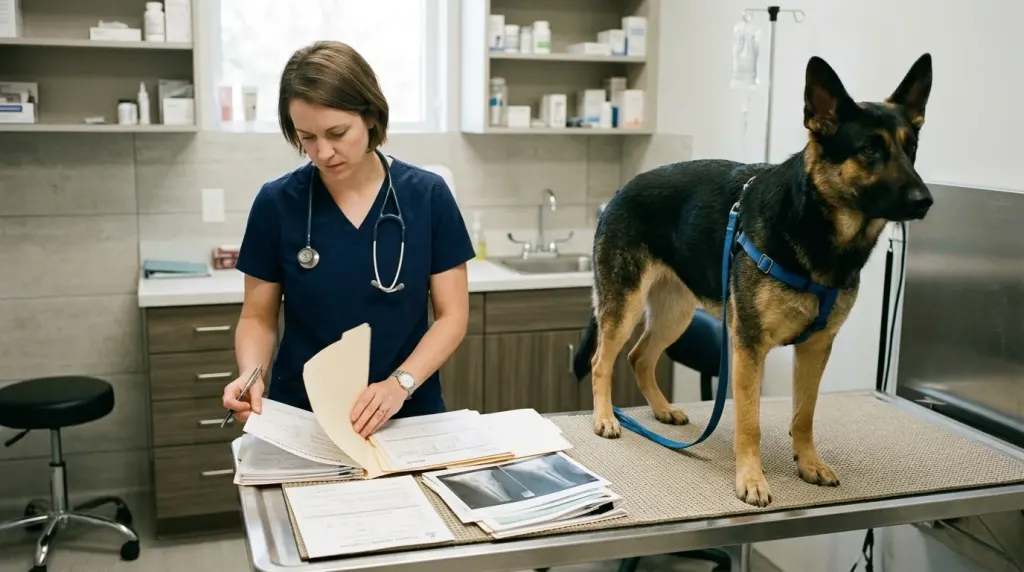
According to the American Kennel Club breed health guidelines, breeding stock must undergo orthopedic evaluations for hip and elbow dysplasia, alongside DNA screening for Degenerative Myelopathy (DM). Unlike brachycephalic breeds where structural pelvic constraints mean owners frequently research whether French Bulldogs can give birth naturally, German Shepherds typically whelp litters without surgical intervention unless acute uterine inertia occurs.
Essential Health Clearances Checklist
When interviewing a prospective breeder, request the registered kennel names and registration numbers of both parent dogs. You can verify these credentials directly through public databases:
- Orthopedic Foundation for Animals (OFA) Hip Clearance: Radiographs taken after 24 months of age, graded as Fair, Good, or Excellent. Alternatively, PennHIP evaluations scoring distraction index (DI) below breed median.
- OFA Elbow Dysplasia Clearance: Radiographs evaluated after 24 months of age showing normal elbow articulation without degenerative joint changes.
- Degenerative Myelopathy (DM) DNA Screening: Genetic testing identifying whether parent dogs are Clear (Normal/Normal), Carriers (Normal/Mutant), or At-Risk (Mutant/Mutant). At least one parent in any breeding pair must be Clear to ensure no puppies inherit two copies of the mutant allele.
- Cardiac and Eye Clearances: OFA Advanced Cardiac examination by a board-certified veterinary cardiologist and annual Companion Animal Eye Registry (CAER) exams.
Verifying authentic parent documentation is also a vital step in confirming whether a German Shepherd is purebred through physical traits and official registry records, protecting you against deceptive marketing.
7 Critical Breeder Red Flags
Discontinue communication immediately if a breeder displays any of the following operational practices:
-
Refusal to Allow Facility Visits: Inability to view the puppies in their whelping environment or meet the mother dog in person.
-
Missing Database Records: Inability or refusal to provide official OFA certificate numbers that can be verified in the public registry.
-
Puppies Released Prior to 8 Weeks: Releasing puppies before 8 weeks of age, disrupting essential canine bite inhibition and social learning from littermates.
-
Absence of a Lifetime Take-Back Contract: Ethical breeders mandate in writing that if you are ever unable to keep the dog at any point in its life, the dog must return to the breeder rather than entering a shelter.
-
Continuous Multi-Breed Production: Offering litters from multiple distinct breeds simultaneously without dedicated facilities or breed club participation.
-
Aggressive Pressure Sales: Demanding non-refundable wire transfers or immediate deposits without conducting a structured buyer interview.
-
No Questions Asked: Failing to ask about your living arrangements, secure yard fencing, previous working dog experience, or daily exercise plan.
Purchasing from an ethical preservation breeder represents an upfront investment in structural soundness and stable genetics. While initial puppy prices from certified breeders are higher than classified listings, the complete absence of certified parental orthopedic and genetic screening substantially elevates the risk of severe hip dysplasia, early-onset arthritis, and expensive surgical interventions over the dog’s lifetime.
Adopting from German Shepherd Rescues and Shelters: What to Expect
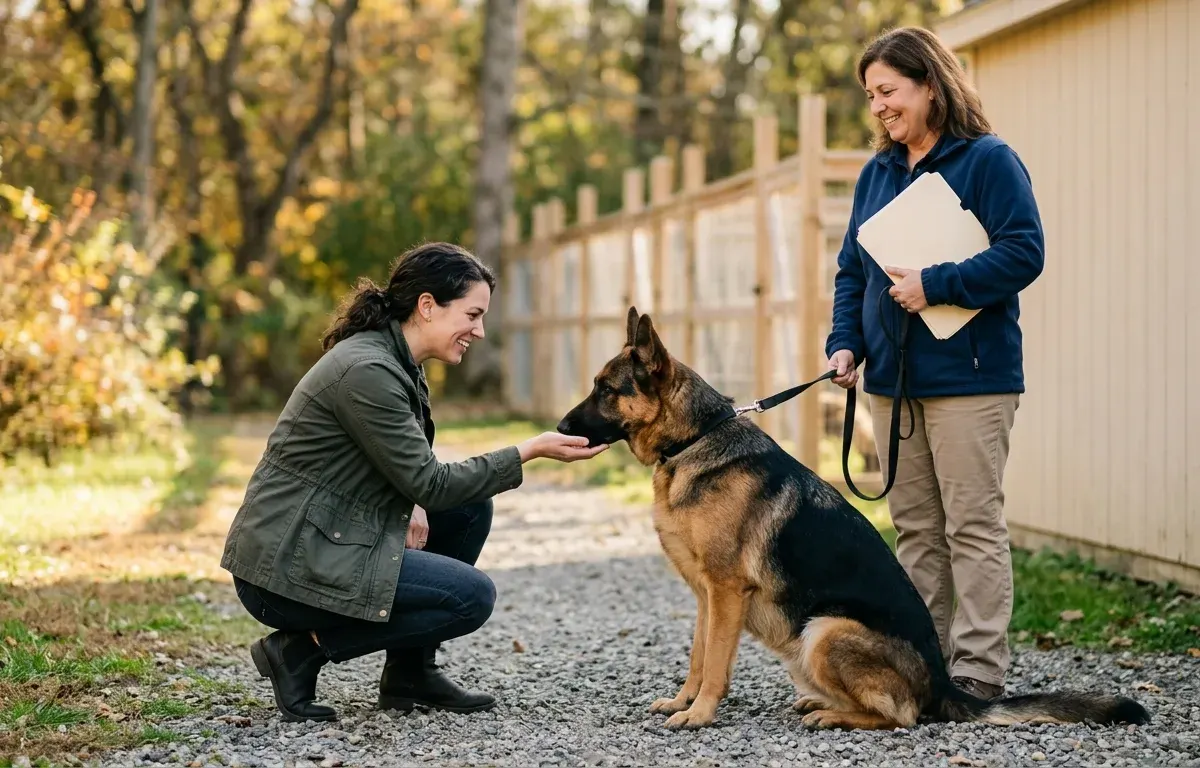
Adopting a German Shepherd from a rescue organization involves a thorough screening process. Because German Shepherds are powerful, intelligent dogs with strong protective and herding instincts, rescue coordinators take deliberate steps to ensure sustainable placements.
Multi-pet households must carefully assess working-breed prey drive during cat introductions, resolving household safety questions just as owners evaluate whether a Maine Coon can kill a dog when large felines interact with canine family members. During rescue intake, shelter staff evaluate physical coat genetics and breed markers, addressing breed-identification inquiries similar to assessing whether Ragdoll cats can be black when classifying atypical coat colors.
The 5-Step Rescue Adoption Workflow
Application Submission -> Home & Yard Verification -> Matchmaking Consultation -> Supervised Meet-and-Greet -> Adoption Finalization
-
Detailed Application: You will provide information regarding your housing status (ownership vs. landlord pet approval), household members, previous dog handling experience, and daily activity routine.
-
Home and Yard Verification: Rescues often conduct an in-person or virtual walkthrough to verify secure perimeter fencing (typically 5 to 6 feet minimum) and identify potential escape hazards.
-
Foster Consultation: You will speak directly with the foster caregiver who manages the dog’s daily routine, learning about crate comfort, leash manners, and prey drive.
-
Meet-and-Greet: An in-person introduction involving all household residents and any existing pet dogs on neutral ground to evaluate inter-dog compatibility.
-
Adoption Agreement and Trial: Signing the adoption contract, paying the adoption fee (which covers medical prep, microchipping, and sterilization), and beginning a supported trial period.
Before bringing an adopted dog home, evaluating optimal living environments and space requirements ensures your household setup provides sufficient mental and physical enrichment.
The 3-3-3 Decompression Rule
Rescued German Shepherds require structured decompression to adjust from shelter stress to a domestic environment:
- First 3 Days: The dog may feel overwhelmed, refusing food or sleeping excessively. Keep the environment quiet, limit visitor interaction, and establish predictable bathroom breaks.
- First 3 Weeks: The dog begins learning your household schedule, testing boundaries, and showing true personality traits. Maintain strict feeding, crate, and walking routines.
- First 3 Months: The dog develops secure attachment, builds confidence in the home environment, and trusts handler communication.
Original Evaluation: Choosing Between Working-Line, Show-Line, and Rescue German Shepherds
German Shepherds diverge into distinct functional strains developed for specific tasks. Selecting the appropriate lineage prevents common mismatches where high-drive working dogs enter low-activity family households.
| Line Classification | Core Genetic Traits | Daily Exercise & Training Demand | Best Suited Handler Profile |
|---|---|---|---|
| West German Working / DDR / Czech Lines | Compact bone structure, intense prey drive, high pain tolerance, exceptional tenacity | 90 – 120+ minutes daily of strenuous physical conditioning plus structured mental work | Experienced working dog handlers, protection sports (IGP), search and rescue, active canine athletes |
| West German Show Lines | Rich black-and-red pigmentation, pronounced angulation, moderate prey drive, strong social stability | 60 – 90 minutes daily of mixed physical exercise and obedience drills | Active families, competitive conformation handlers, obedience and tracking enthusiasts |
| American Show Lines | Lighter bone, refined angulation, side-gait movement emphasis, softer working drives | 45 – 60 minutes daily of moderate walking, fetch, and basic obedience | Companion households seeking classic breed appearance with manageable domestic energy |
| Rescue & Companion Mixes | Highly individualized drives and physical traits; assessed through foster history | 45 – 90 minutes depending on age, health status, and observed energy level | Diverse households matched individually based on detailed foster assessment |
High-drive working strains require daily cardiovascular conditioning, whereas low-stamina companion breeds face severe airway limitations when handlers evaluate whether French Bulldogs can run over extended distances. In addition, while athletic German Shepherds frequently excel at water retrieval, barrel-chested breeds require dedicated flotation gear when owners test whether Pug dogs can swim safely in open water.
Understanding the distinct genetic lines of German Shepherds helps prospective owners differentiate between working and conformation strains. In particular, exploring the unique origins of working-line DDR German Shepherds clarifies how historical breeding selection for border patrol duties shaped their dense bone structure and intense working focus.
How to Get a German Shepherd Puppy to Stop Biting
German Shepherd puppies are known for intense mouthing and nipping behaviors during their early development. Often described by new owners as land sharks, young herding puppies use their mouths to explore textures, initiate play, and herd moving objects.
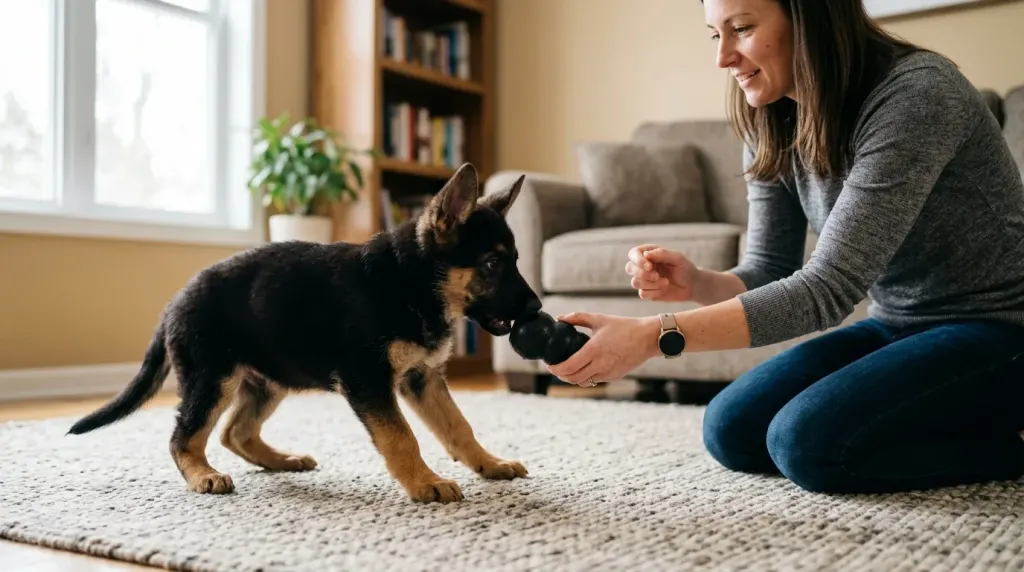
According to the ASPCA puppy mouthing and bite inhibition protocol, mouthing is an essential developmental learning phase that must be shaped through bite inhibition, chew redirection, and structured rest rather than physical punishment.
Using frozen food toys or safe household snacks provides soothing relief during teething; handlers should always verify what French Bulldogs can eat or review general canine dietary safety before introducing novel ingredients into chew toys. High-value edible lures, such as small pieces of unseasoned boiled chicken for French Bulldogs or lean poultry treats, provide powerful positive reinforcement when rewarding puppies for releasing human skin.
4-Step Action Protocol for Puppy Mouthing
-
High-Pitch Yelp and Freeze: When puppy teeth make contact with human skin or clothing, emit a sharp vocal marker (such as “Ouch!”) and immediately freeze all movement. Limp hands remove the engaging stimulation of moving prey.
-
Instant Toy Redirection: Immediately present an authorized chew object, such as a durable rubber Kong stuffed with frozen wet food, a braided rope, or a split deer antler. Praise the puppy the instant its jaws engage the toy instead of your skin.
-
Immediate Attention Withdrawal (Reverse Time-Out): If the puppy escalates and continues biting skin or ankles, stand up, fold your arms, turn your back, and step behind a baby gate or door for 30 to 60 seconds. This teaches the puppy that biting causes all social interaction to vanish.
-
Enforce Sleep Cycles: Young puppies become irritable and lose impulse control when overtired. German Shepherd puppies between 8 and 16 weeks of age require 18 to 20 hours of sleep every 24 hours. A biting frenzy is frequently a primary indicator that the puppy needs an immediate crate nap.
Harmful Techniques to Avoid
Never implement physical corrections such as holding the puppy’s muzzle shut, rolling the puppy onto its back (alpha rolling), or tapping the puppy on the nose.
German Shepherds possess innate defensive drives; physical confrontation escalates play biting into fear-based defensive reactivity, eroding handler trust during critical developmental fear periods.
How to Get Your German Shepherd to Listen to You
German Shepherds are renowned for their exceptional intelligence, ranking among the most trainable breeds in existence. However, high cognitive capacity means a German Shepherd will quickly learn to ignore inconsistent handlers or invent its own self-rewarding behaviors when clear direction is absent.
Building responsive obedience requires establishing a relationship based on clear marker signals, high-value motivation, and daily mental enrichment. Maintaining training motivation requires high-value, low-calorie food markers; using crunchy diced vegetables like carrots for French Bulldogs keeps working dogs focused during repetitive obedience drills without causing caloric excess. The German Shepherd’s unmatched cognitive capacity makes it an ideal working candidate, in contrast to smaller companion breeds where trainers evaluate whether a French Bulldog can be a service dog for specialized medical alert duties.
The 3-Pillar Working Dog Engagement Framework
- Pillar 1: Marker Clarity and Timing: Establish an exact acoustic marker (such as a clicker or a crisp verbal “Yes!”) the precise fraction of a second the dog performs the desired behavior, immediately followed by a high-value food or tug reward. Marker clarity eliminates ambiguity, showing the dog exactly what action earned reinforcement.
- Pillar 2: The Single-Cue Rule: Deliver a command cue exactly once (e.g., “Sit”). If the dog fails to respond, do not repeat the word multiple times. Repeating cues teaches the dog that your initial words can be ignored. Instead, wait 3 seconds, reset the dog’s focus with a lure, and re-cue in a lower-distraction environment.
- Pillar 3: Mental Stimulation Over Simple Physical Exercise: A German Shepherd cannot be exhausted through physical running alone; physical exercise without mental tasks simply builds an athletic, frustrated dog. Incorporate 15 minutes of daily nose work (hiding scent tins or kibble in grass), trick training, and structured obedience drills to satisfy working drive.
Progressive Distraction Proofing
Train all new behaviors inside a quiet room with minimal visual distractions. Once your German Shepherd achieves an 85% response rate across 20 repetitions indoors, progress outward systematically:
Quiet Living Room -> Fenced Back Yard -> Front Porch -> Quiet Neighborhood Sidewalk -> Public Park Perimeter
How to Get Rid of German Shepherd Odor
German Shepherds possess a dense, weather-resistant double coat consisting of a harsh, straight outer guard coat and a thick, woolly undercoat. Under normal physiological conditions, a healthy German Shepherd produces minimal natural body odor. Persistent, strong, or unpleasant smells indicate trapped dead undercoat, localized cutaneous infections, or medical issues requiring targeted intervention. Thorough drying after hydrotherapy or lake swimming is critical to prevent bacterial dermatitis under dense fur, demanding the same water safety protocols owners follow when assessing whether French Bulldogs can swim in home pools.
| Primary Odor Source | Clinical / Physical Presentation | Underlying Cause | Effective Elimination Protocol |
|---|---|---|---|
| Trapped Wet Undercoat | Damp, musty dog smell across back and neck | Moisture trapped against the skin in dense, un-brushed undercoat | High-velocity dog dryer blowout after swimming/baths; deshedding with an undercoat rake several times weekly as needed |
| Otitis Externa (Ear Infection) | Pungent, sweet, or sour yeasty smell from ear canals | Microbial or fungal overgrowth, excessive moisture, allergies | Veterinary cytology examination; targeted antifungal/antibiotic ear drops; weekly drying ear cleanser |
| Anal Sac Impaction | Intense, pungent fishy odor around the hindquarters | Full or infected anal glands failing to express naturally during defecation | Veterinary manual expression; increasing dietary insoluble fiber; evaluation of stool firmness |
| Seborrhea & Over-Bathing | Rancid, greasy odor with dry skin flakes | Excessive bathing stripping protective skin lipids, triggering rebound sebum production | Reduce bathing frequency to intermittent intervals based on coat cleanliness using pH-balanced oatmeal canine shampoo |
Double-Coat Maintenance Rules
To keep your German Shepherd free of musty odors, follow these coat hygiene protocols:
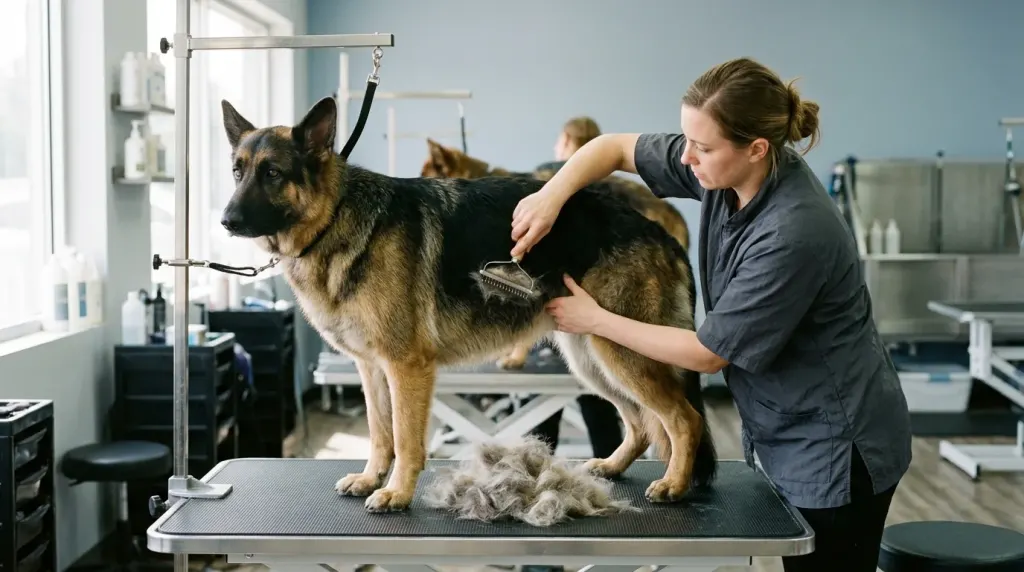
- Deshedding Tools: Use a long-toothed undercoat rake and a slicker brush down to the skin level several times weekly or according to individual coat shedding density. Removing dead undercoat allows air to circulate freely across the epidermis, preventing moisture retention and bacterial growth.
- Never Shave a German Shepherd: Shaving a double coat destroys the hair follicle growth cycle, damages thermal insulation against both heat and cold, and increases odor by trapping sweat, sebum, and dirt directly against exposed skin.
- Post-Water Drying: Always dry a German Shepherd thoroughly with a high-velocity pet dryer or microfiber towels after swimming, rainy walks, or bathing. Allowing a thick double coat to air dry slowly creates an optimal microenvironment for fungal and bacterial proliferation.
- Bedding Sanitation: Wash pet bedding weekly in hot water using an unscented, hypoallergenic enzymatic detergent to eliminate absorbed skin lipids and dander.
Caveat: If a German Shepherd’s odor is accompanied by localized skin redness, continuous head shaking, greasy ear discharge, hair loss, or rear-end scooting, consult a licensed veterinarian promptly to diagnose bacterial, fungal, or anal gland pathology before attempting home grooming remedies.
Frequently Asked Questions About Getting a German Shepherd
Where is the best place to get a German Shepherd puppy?
The best place to get a German Shepherd puppy is from an accredited preservation breeder registered with the German Shepherd Dog Club of America (GSDCA) or the American Kennel Club (AKC). Reputable breeders perform mandatory parental health screenings for hip and elbow dysplasia, conduct genetic testing for Degenerative Myelopathy, and provide lifetime take-back guarantees.
How much does it cost to adopt vs buy a German Shepherd?
Adopting a German Shepherd from a breed-specific rescue or municipal animal shelter typically costs between $150 and $500, which covers spay/neuter surgery, microchipping, and core veterinary vaccinations. Purchasing a purebred puppy from an ethical preservation breeder generally ranges from $1,500 to $3,500+, reflecting comprehensive parental health clearances and structured early puppy development protocols.
How can you tell if a German Shepherd breeder is reputable?
A reputable German Shepherd breeder readily supplies official Orthopedic Foundation for Animals (OFA) or PennHIP certificates with verifiable registry numbers for both parent dogs. They welcome on-site visits to observe the mother and whelping facilities, conduct thorough buyer interviews, and provide a legally binding contract guaranteeing lifetime support.
At what age do German Shepherd puppies stop biting?
German Shepherd puppies typically reduce their intense mouthing and nipping behaviors once adult teeth fully erupt, though individual timelines vary by dog and training consistency. Achieving this milestone depends on persistent bite inhibition training, chew toy redirection, and enforced crate rest cycles throughout the teething phase.



Leave a Reply