

Table of Contents
In 2026, a purebred German Shepherd puppy from a reputable, health-tested AKC breeder costs between $1,500 and $3,500, with top working or champion show lines reaching $3,500 to $7,000+. Adopting from a rescue averages $150 to $600, while first-year essential expenses (supplies, vet care, vaccinations, and food) require an additional $2,500 to $4,500.
- Reputable pet-quality German Shepherd puppies range from $1,500 to $3,500 with full genetic and OFA health clearances.
- Puppies from titled working lines (IGP/Schutzhund) or imported champion bloodlines command $3,500 to $7,000+.
- Adoption fees through breed-specific rescues range from $150 to $600 and typically include initial vaccinations and spay/neuter surgery.
- Upfront supplies and first-year medical care add $2,500 to $4,500 beyond the initial purchase price.
- Low-cost puppies under $1,000 often carry hidden health risks, potentially leading to thousands in orthopedic veterinary bills.
Average Cost of a German Shepherd Puppy in 2026
When prospective owners ask how much is a german shepherd puppy, the national average in 2026 settles around $2,000 for a healthy, pet-quality companion from an ethical breeder. Overall, standard market prices range from $1,500 to $3,500 for puppies bred from fully health-tested parents registered with the American Kennel Club (AKC).
Understanding how much does a german shepherd puppy cost requires looking beyond a single flat sticker price. Acquisition costs vary significantly depending on whether you adopt through a shelter or purchase through a specialized preservation breeder. While large working breeds demand substantial early investment, their upfront purchase price remains competitive when compared to smaller companion dogs like purebred Pug puppies or brachycephalic breeds that require specialized reproductive assistance. For instance, French Bulldog puppy prices frequently exceed those of working shepherd breeds due to costly artificial insemination and routine Cesarean sections.
Prospective owners must also recognize that the initial purchase price represents only the baseline entry fee. Factoring in early veterinary visits, equipment, and nutrition means that calculating how much for german shepherd puppy acquisition involves both immediate acquisition and ongoing maintenance. Planning ahead ensures your household is financially prepared for their entire ten to thirteen year lifespan.
The following table outlines the general price ranges and standard package inclusions across common acquisition sources in 2026:
| Acquisition Source | Typical Price Range | Standard Inclusions | Primary Considerations |
|---|---|---|---|
| Shelter & Breed Rescue | $150 – $600 | Core vaccines, microchip, spay/neuter | Variable genetic history, mixed lineage possible |
| Hobby / Pet-Quality Breeder | $800 – $1,500 | AKC limited papers, basic deworming, first shots | Limited parental orthopedic screening |
| Reputable AKC Breeder | $1,500 – $3,500 | OFA hip/elbow clearances, genetic health guarantee, microchip, puppy pack | Balanced temperament, verified companion lineage |
| Elite Working / Show Lines | $3,500 – $7,000+ | Full pedigrees, titled parents (IGP/Schutzhund), comprehensive health portfolio | High drive, requires experienced handler or sport home |
German Shepherd Puppy Price Breakdown by Breeder Tier & Lineage
The price of a German Shepherd puppy varies widely across four distinct breeding and acquisition tiers. Evaluating how much does it cost for a german shepherd puppy depends heavily on the breeder’s investment in genetic screening, parental titles, and the intended role of the dog.
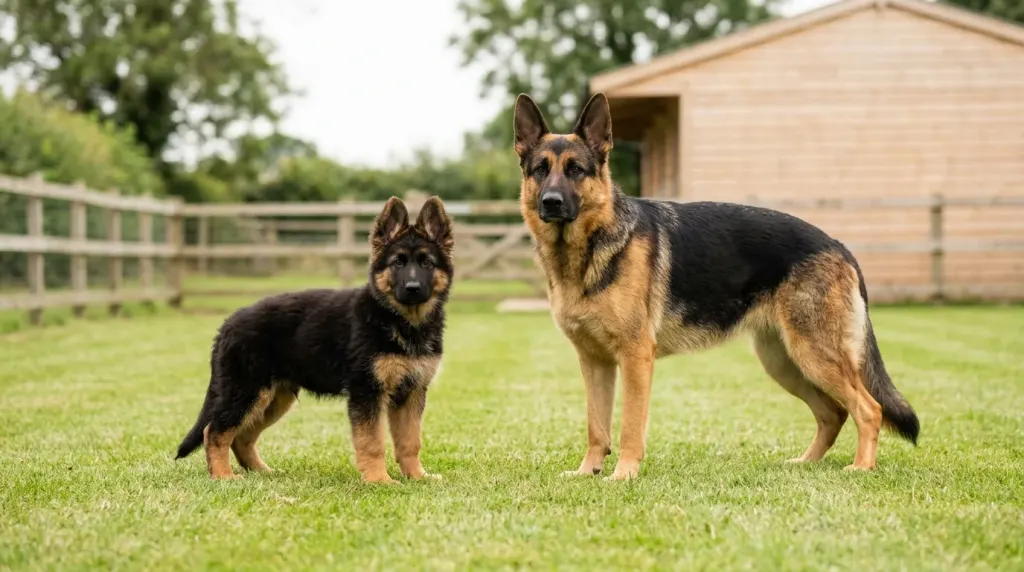
Shelter and Breed-Specific Rescue ($150 – $600)
Adopting a German Shepherd puppy through a rescue organization or municipal shelter provides an ethical and affordable pathway to dog ownership. Adoption fees generally range from $150 to $600, which directly reimburses the shelter for mandatory veterinary intake, age-appropriate DHPP vaccinations, deworming protocols, microchip implantation, and pediatric spay or neuter surgery. While rescue puppies rarely come with verified pedigree records or multi-generation orthopedic clearances, they offer wonderful companionship for families ready to provide dedicated training.
Hobby Breeders and Pet Lines ($800 – $1,500)
Hobby breeders produce family companions without actively campaigning their dogs in conformation or working dog trials. Puppies in this bracket typically cost between $800 and $1,500. While puppies often include AKC limited registration papers (non-breeding rights), these litters may lack comprehensive multi-generation radiographic screening for hip and elbow dysplasia. Buyers exploring this price band must carefully inspect veterinary records and request proof of parental health clearances.
Reputable Show and Companion Breeders ($1,500 – $3,500)
Responsible preservation breeders invest heavily in the physical soundness and stable temperament of their breeding stock. Puppies in this category cost between $1,500 and $3,500. Breeders at this level perform early neurological stimulation (ENS), follow structured Puppy Culture socialization protocols, and provide written genetic health guarantees lasting one to two years. Similar to the premium pricing structures seen in purebred felines such as Maine Coon kitten costs, purebred canine pricing reflects the substantial overhead of maintaining certified pedigree bloodlines. Whether examining registered working canines or Ragdoll cat prices, verified lineage and full genetic clearance contracts command a higher upfront purchase fee than unpapered litters.
Working Lines and Imported Champion Pedigrees ($3,500 – $7,000+)
At the top tier of the market, puppies bred from European working bloodlines (such as Czech or East German DDR lineages) or direct German SV imports command between $3,500 and $7,000+. These puppies descend from parents titled in competitive dog sports like IGP (formerly Schutzhund), tracking, or personal protection trials. Elite working puppies possess intense focus, exceptional ball drive, and robust bone density, making them ideal for law enforcement, search-and-rescue, or dedicated sport homes rather than casual pet households.
The comparison table below details how health testing, documentation, and pedigree influence costs across all four tiers:
| Breeder Tier | Price Range | Parental Health Testing | Pedigree Documentation | Best Suited For |
|---|---|---|---|---|
| Rescue / Shelter | $150 – $600 | Basic clinical exam | Rarely available | Active families, budget-conscious adopters |
| Hobby Breeder | $800 – $1,500 | Variable / basic vet checks | AKC Limited Registration | General companion homes |
| Reputable AKC Breeder | $1,500 – $3,500 | Certified OFA hips/elbows, DM DNA clear | AKC Full/Limited + 3-5 generation pedigree | Family companions, obedience, therapy work |
| Working & Show Imports | $3,500 – $7,000+ | Comprehensive OFA/SV clearances, DNA profiles | International FCI/SV working pedigrees & sport titles | Working handlers, IGP dog sport, show competition |
What Determines the Price of a German Shepherd Puppy?
When evaluating how much should a german shepherd puppy cost, prospective owners must understand the substantial operational expenses that ethical breeders incur before a single puppy is born. The final purchase price is shaped by five major factors:
Parental Health Testing and Genetic Screening
Orthopedic evaluations represent the largest pre-breeding medical expense for responsible German Shepherd breeders. Reputable breeders adhere to the OFA Canine Health Information Center (CHIC) requirements, which mandate certified radiographic evaluations for hip dysplasia and elbow dysplasia, alongside DNA testing for Degenerative Myelopathy (DM). Sedated X-rays, specialist veterinary radiologist evaluations, and laboratory genetic panels cost breeders between $800 and $1,500 per parent dog. Litters produced from parents with certified OFA “Good” or “Excellent” ratings carry a premium because they significantly lower the puppy’s risk of hereditary joint degeneration.
Pedigree Papers and Breed Verification
Official documentation provides legal verification of purebred status and ancestry. Breeders register litters with the American Kennel Club (AKC) or international registries such as the German Verein für Deutsche Schäferhunde (SV). Litters with multi-generation champion titles command higher prices due to demonstrated conformation and working soundness. Breeder overhead also depends heavily on reproductive yield; while German Shepherd dams typically deliver six to eight puppies per litter, smaller breeds with restricted yields such as French Bulldog litter sizes face higher per-puppy production expenses.
Coat Variations and Lineage Management
While traditional black-and-tan or black-and-red saddles remain standard, coat variations also influence market value. Solid black German Shepherds or rich dark sable working coats are highly sought after by enthusiasts. Specialty coats, such as long-stock coats (long coats with undercoats), often lead to specific price adjustments. Managing maternal health, progesterone timing, and prenatal ultrasound scans across standard canine gestation timelines requires substantial veterinary supervision that directly influences final puppy pricing.
Breeder Overhead, Socialization, and Veterinary Supervision
Raising an 8-week-old litter requires round-the-clock labor, premium nutritional weaning formulas, early deworming protocols, microchipping, and initial DHPP vaccinations. Ethical breeders introduce sensory stimulation exercises, crate familiarization, and noise desensitization protocols that require hundreds of dedicated hours. Higher upfront breeder pricing directly reflects preventative investments in parental health screening and pediatric care. Spending more initially for a puppy from OFA-certified parents drastically reduces the lifetime probability of hereditary joint disorders and costly corrective surgeries.
The Real Cost of “Bargain” German Shepherd Puppies
Puppies advertised online or in classified listings for under $1,000 frequently originate from commercial puppy mills or unvetted backyard breeders. While the initial sticker price appears attractive, cutting corners on parental screening transfers massive financial and emotional risks directly to the buyer.
Commercial breeders maximize profit margins by skipping essential orthopedic screenings, breeding uncertified dogs, and skimping on sanitary whelping management. In contrast to the rigorous standards seen in responsible canine breeding protocols, unregulated volume breeders frequently subject parent animals to back-to-back pregnancies without veterinary oversight. Buyers who purchase unvetted bargain puppies frequently face severe lifelong medical management, contrasting with the predictable wellness routines established through care for a French Bulldog and other purebred companions raised under proper health protocols.
The most catastrophic risk in low-cost German Shepherd puppies is congenital canine hip and elbow dysplasia. Large-breed dogs with severe bilateral hip dysplasia often require surgical intervention within their first two years of life. Femoral Head Ostectomy (FHO) or Total Hip Replacement (THR) procedures cost between $3,500 and $7,000 per hip joint, quickly turning an initial $700 purchase into an $8,000 to $15,000 veterinary nightmare.
The table below contrasts the financial and medical reality of purchasing a low-cost puppy versus investing in a reputable breeder:
| Factor | Bargain Puppy (< $1,000) | Reputable Breeder Puppy ($1,500 – $3,500) |
|---|---|---|
| Parental Health Clearances | None or unverified “vet check” | Certified OFA Hips/Elbows, DM DNA Clear |
| Health Guarantee | Verbal or 48-hour return window | 1-2 year written congenital health contract |
| Early Socialization | Minimal / kennel confinement | Puppy Culture / Early Neurological Stimulation |
| Lifetime Dysplasia Risk | High (untested genetic history) | Significantly reduced via multi-generation screening |
| Potential Year 1-3 Medical Outlay | $4,000 – $14,000 (corrective orthopedic surgery) | $700 – $1,500 (routine preventative care) |
First-Year Cost of Owning a German Shepherd Puppy
Bringing a German Shepherd puppy home involves essential one-time setup costs and recurring first-year living expenses. Nationwide cost studies show that raising a large-breed puppy through their first twelve months averages between $2,500 and $4,500, excluding the initial purchase fee.

One-Time Setup Costs ($500 – $1,000)
Preparing your living space for an energetic, fast-growing German Shepherd requires durable, large-breed equipment:
- Heavy-duty crate with divider panel (42-48 inch): $80 – $180
- Orthopedic puppy bed and washable covers: $50 – $120
- Heavy ceramic or stainless steel food and water bowls: $25 – $50
- Adjustable nylon collars, 6-foot training leashes, and harnesses: $40 – $90
- Durable chew toys (KONG, natural chews): $60 – $120
- Grooming essentials (undercoat rake, slicker brush, nail grinder): $45 – $90
- Cleaning supplies and enzymatic odor removers: $30 – $60
Setting up a quiet, structured resting area is essential during early development, as understanding how much sleep puppies need (typically 16 to 20 hours daily) prevents overtired behavioral regression and facilitates crate conditioning.
First-Year Veterinary Care ($700 – $1,500)
A puppy’s first year involves multiple scheduled clinical visits for core vaccinations and preventative wellness:
- Core puppy vaccine series (DHPP, Rabies, Bordetella, Leptospirosis): $150 – $350
- Fecal screenings and deworming treatments: $50 – $120
- Annual heartworm, flea, and tick preventative medication: $180 – $300
- Microchip registration fee: $30 – $60
- Elective spay or neuter surgery (usually at 12 to 18 months for large breeds): $250 – $600
Puppy Nutrition and Diet ($800 – $1,200)
German Shepherd puppies experience explosive skeletal growth and require nutrient-dense large-breed puppy kibble with controlled calcium and phosphorus ratios to prevent developmental orthopedic diseases. High-quality commercial large-breed puppy formulas cost approximately $70 to $100 per 30-pound bag, with a growing German Shepherd consuming 40 to 60 pounds of food per month by six to nine months of age.
Training and Socialization Classes ($300 – $800)
Because German Shepherds possess natural protective instincts and high intelligence, early group obedience classes are essential. Puppy socialization classes and basic manners courses cost $150 to $300 per 6-week session. Investing in positive reinforcement training aids and consistent scheduling based on proven potty training for puppies accelerates housebreaking and prevents costly property damage.
The table below summarizes the itemized first-year budget breakdown:
| Expense Category | Itemized Inclusions | Estimated First-Year Range |
|---|---|---|
| Initial Equipment & Setup | Crate, bedding, leashes, durable toys, grooming gear | $500 – $1,000 |
| Veterinary Care & Vaccines | Core shots, deworming, parasite prevention, spay/neuter | $700 – $1,500 |
| Large-Breed Puppy Nutrition | High-protein large-breed kibble (12-month supply) | $800 – $1,200 |
| Training & Socialization | Puppy kindergarten & foundational obedience classes | $300 – $800 |
| Pet Insurance (Optional / Recommended) | Accident & illness coverage ($45 – $75/month) | $540 – $900 |
| Total First-Year Ownership Budget | Essential Care & Equipment (Excluding Purchase Price) | $2,500 – $4,500 |
Long-Term Budgeting and Preventative Care for Growing Puppies
Budgeting for a German Shepherd puppy requires planning for the transition from rapid adolescent development into robust adulthood. Long-term care strategies safeguard your initial financial investment by minimizing preventable health complications.
Weight Management and Skeletal Protection
Maintaining lean body mass throughout the puppy’s growth phase is the single most effective way to protect developing hips and elbows. Monitoring body condition scores and measuring daily kibble portions prevents rapid adolescent weight gain, adopting structured canine weight management strategies to keep growing joints free from unnecessary mechanical strain. Excess weight during rapid growth windows accelerates cartilage breakdown and increases the severity of genetic joint laxity.
Exercise Regulation and Heat Safety
High-drive German Shepherd puppies require daily physical and mental stimulation, but repetitive high-impact exercise (such as forced running on asphalt or aggressive frisbee jumping) should be avoided until growth plates close at 14 to 18 months of age. During warm summer months, active puppies playing outdoors require constant access to shade and cool water, utilizing effective canine cooling techniques to prevent exertional heat distress during active training sessions.
Frequently Asked Questions About German Shepherd Puppy Costs
Why are German Shepherd puppies so expensive?
German Shepherd puppies from reputable breeders are expensive because responsible breeding requires extensive pre-breeding health testing (OFA hip/elbow X-rays, DM genetic testing), stud fees, prenatal care, high-quality nutrition, vaccinations, and hundreds of hours of early socialization and developmental training.
What is a fair price for a German Shepherd puppy?
A fair price for a family companion German Shepherd puppy with certified purebred registration and parental health guarantees is between $1,500 and $2,500 in today’s pet market.
How much does it cost to feed a German Shepherd puppy per month?
Feeding a German Shepherd puppy high-quality, large-breed puppy formula costs approximately $60 to $100 per month, increasing to $80 to $130 per month as they reach adolescent growth stages.
Is pet insurance worth it for a German Shepherd puppy?
Yes, pet insurance costing $45 to $80 per month is highly recommended for German Shepherd puppies to protect against breed-predisposed orthopedic injuries, bloat (GDV), and hip dysplasia before symptoms are classified as pre-existing conditions.


Leave a Reply