
Table of Contents
A pet-quality Maine Coon kitten from a reputable, registered breeder typically costs between $1,500 and $2,500. Show-quality kittens and those with breeding rights range from $2,500 to $4,000 or more. First-year supplies and veterinary setup add $800 to $1,500, while ongoing annual expenses average $1,200 to $2,000 for high-protein nutrition, oversized gear, grooming tools, and preventative healthcare.
- Pet-quality Maine Coon kittens from registered catteries cost $1,500 to $2,500 on average.
- Show-quality cats and breeding rights elevate prices to $2,500-$4,000+.
- Initial supplies and medical setup require an upfront budget of $800-$1,500.
- Annual food, litter, preventative veterinary care, and insurance average $1,200-$2,000.
- Health testing for hypertrophic cardiomyopathy (HCM) and genetic conditions accounts for higher breeder fees.
Average Price Range for Maine Coon Kittens
A pet-quality Maine Coon kitten from a certified breeder registered with recognized associations generally costs between $1,500 and $2,500. Show-quality kittens and individuals sold with full breeding rights command higher rates, frequently reaching $2,500 to $4,000+. Purebred adoption through specialized rescues represents an affordable alternative, with adoption fees typically falling between $150 and $400. In comparison to other large companion breeds, reviewing Ragdoll cat prices shows a comparable investment scale where pedigree standards and lineage dictate baseline adoption and purchase brackets.
| Acquisition Category | Typical Cost Range | Included Services & Documentation | Best Suited For |
|---|---|---|---|
| Breed Rescue / Shelter | $150 – $400 | Spay/neuter, baseline vaccines, basic vet check | Budget-conscious owners flexible on pedigree papers |
| Pet Quality (Registered Breeder) | $1,500 – $2,500 | Pedigree papers, initial shots, microchip, health guarantee | Families seeking a healthy purebred companion |
| Show Quality (Show Potential) | $2,500 – $3,500 | Conformation evaluation, full registration, champion lines | Cat show enthusiasts and conformation competitors |
| Breeding Rights (Top Pedigree) | $3,500 – $5,000+ | Full open registration, genetic clearance, breeding clearance | Established, registered catteries |
Prices significantly lower than $1,200 for a purported purebred kitten usually indicate backyard breeding, unverified lineage, or online deposit scams.
Pet Quality vs Show and Breeding Quality: How Pedigree Status Affects Price
The distinction between pet quality and show quality is the primary driver of purchase price. A pet-quality Maine Coon kitten is physically healthy and meets general breed parameters, but it may display minor cosmetic deviations from the official breed standard, such as slightly wide ear placement, a shorter tail profile, or asymmetric coat markings. Breeders sell pet-quality kittens under mandatory spay/neuter agreements, which keeps purchase costs lower than breeding stock.
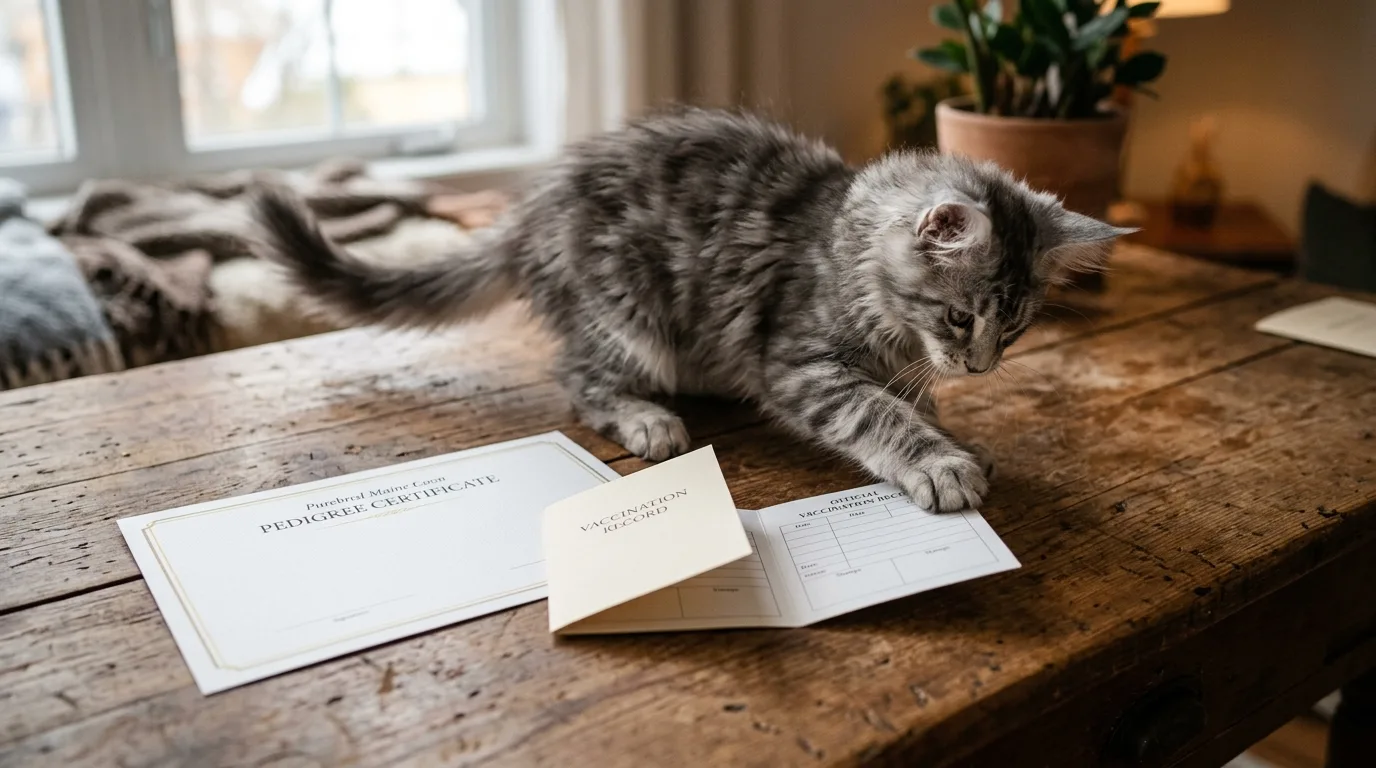
In comparison, show-quality kittens closely match the physical blueprint established by feline registries. They feature broad chests, square muzzles, substantial boning, high-set ears with prominent lynx tips, and flowing coats. Purebred pet pricing dynamics often reflect similar tiering seen across purebred dogs, where French Bulldog purchase costs illustrate how conformation potential and selective breeding rights dramatically increase baseline prices over standard family companions.
Breeding rights represent the highest pricing tier. When a cattery sells a kitten with full breeding rights, the contract grants permission to register future litters. This tier requires verified clean genetics and top-tier ancestral bloodlines to ensure the continuation of robust breed traits.
Key Factors Influencing Maine Coon Kitten Pricing and Availability
Multiple biological, logistical, and market variables shape how breeders price individual litters:
- Pedigree Lineage and Champion Bloodlines: Kittens descending from regional, national, or international show champions require higher investments. Breeders invest years of selective pairing and competition entry fees to establish recognized lines.
- Coat Color and Pattern Rarity: Traditional brown classic tabby is the most common and accessible color pattern. Rarer coat presentations, including solid white, high-grade silver shaded, black smoke, and intense red solid, often carry higher price tags due to strong buyer demand.
- Polydactyl Traits: Maine Coons with polydactyl paws (extra toes) represent an authentic historical trait of the breed. While accepted in select show divisions, breeders often place specialized pricing on polydactyl kittens due to their distinctive appearance.
- Breeder Location and Facility Overhead: Catteries operating in metropolitan areas face elevated veterinary, facility maintenance, and licensing costs compared to rural breeders.
- Litter Size and Seasonal Demand: Maine Coon litters average 4 to 6 kittens. High consumer waitlists combined with limited annual breeding cycles keep availability tight and prices firm.
When confirming authenticity, buyers must verify registration certificates issued by recognized registries such as The Cat Fanciers’ Association (CFA) or The International Cat Association (TICA). Similar to identifying pedigree Ragdoll cat traits, reviewing official lineage papers is the only dependable method to distinguish a genuine pedigree kitten from a domestic longhair mix.
Health Screening and Breeder Standards That Justify Higher Prices
The substantial purchase price of a well-bred Maine Coon directly reflects rigorous veterinary health protocols. Ethical breeders perform extensive parental screenings to eliminate hereditary diseases from their breeding programs.
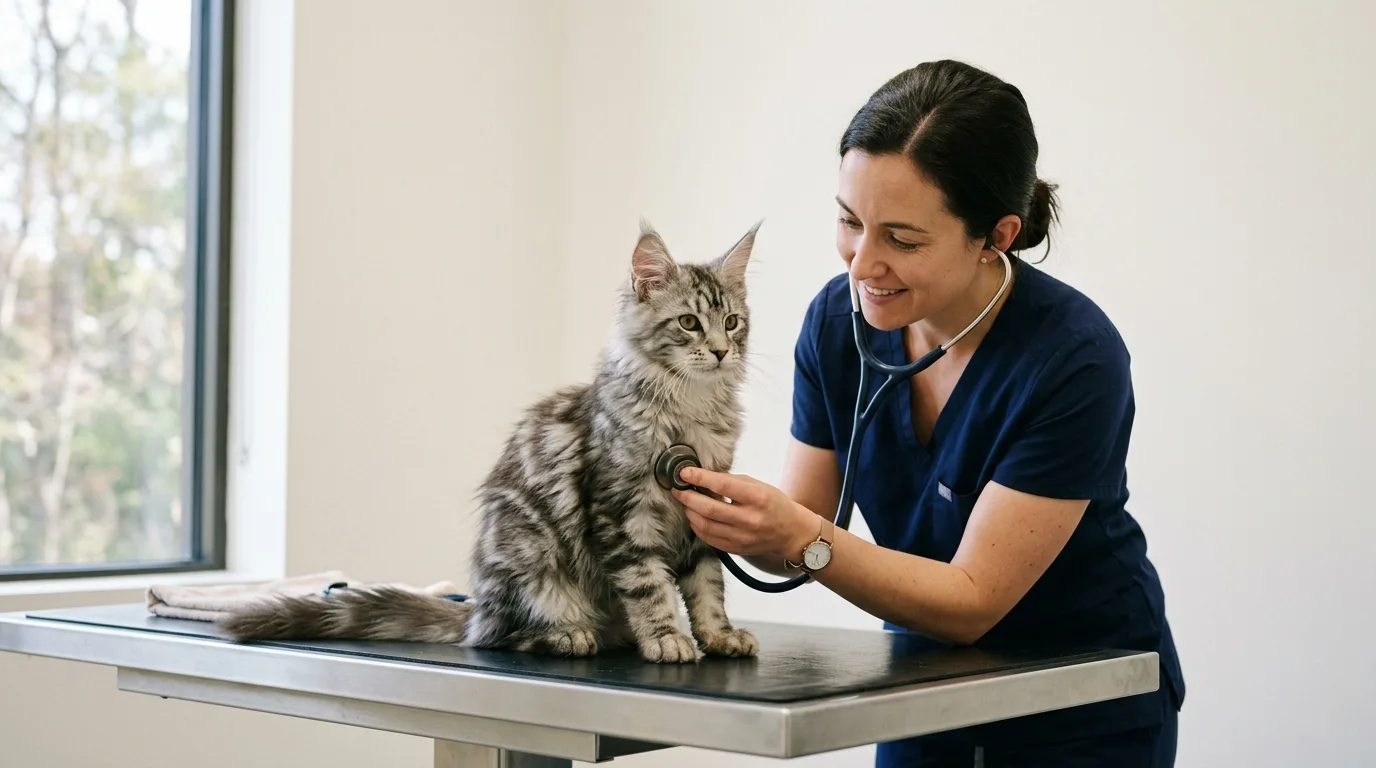
The most critical health screening involves Hypertrophic Cardiomyopathy (HCM), an inherited condition characterized by abnormal thickening of the heart muscle. As detailed in the Cornell Feline Health Center hypertrophic cardiomyopathy research, HCM represents the most common cardiac disease in felines, with Maine Coons exhibiting documented genetic susceptibility.
Comprehensive screening requires both DNA testing for the causative MYBPC3 gene mutation and regular echocardiograms performed by board-certified veterinary cardiologists. According to the Merck Veterinary Manual clinical review on feline cardiomyopathy, periodic echocardiographic evaluations are necessary to monitor heart wall thickness and left ventricular function because physical symptoms may remain undetectable during early development.
Furthermore, responsible catteries screen breeding adults for Spinal Muscular Atrophy (SMA), Polycystic Kidney Disease (PKD), and hip dysplasia. The International Cat Care breed health profile highlights that large-boned cats face elevated rates of joint and structural vulnerabilities when parental stock is not screened through radiography and genetic panels. Proactive breed screening matches the diagnostic diligence seen in routine French Bulldog care practices, where early identification of structural traits prevents severe chronic illness. Similarly, addressing breed-specific genetic risks is as crucial as monitoring Pug dog encephalitis screening to safeguard long-term health outcomes. A lower initial purchase price often correlates with bypassed parental echocardiograms and genetic screening, shifting substantial cardiovascular and orthopedic expenses directly to the owner later in life.
Annual echocardiograms, genetic testing panels, pre-breeding bloodwork, and specialized reproductive veterinary care cost reputable breeders thousands of dollars annually per breeding pair. These preventative expenditures ensure buyers receive resilient kittens with verifiable health guarantees.
Initial Setup and Ongoing Ownership Costs for a Maine Coon
Bringing home a Maine Coon involves initial supply investments and recurring monthly maintenance. Because adult males regularly reach 15 to 25 pounds and adult females weigh 10 to 15 pounds, standard commercial cat furniture and litter boxes are inadequate.
| Expense Category | First-Year Initial Outlay | Annual Recurring Cost | Notes & Specifications |
|---|---|---|---|
| Food & Nutrition | $600 – $900 | $700 – $1,200 | High-protein wet and dry formulas supporting muscle development |
| Litter & Jumbo Pans | $150 – $250 | $240 – $400 | Extra-large storage totes or specialized jumbo stainless boxes |
| Heavy-Duty Cat Tree & Scratchers | $200 – $450 | $50 – $100 | Solid wood base with thick sisal posts to support 20+ lb adults |
| Veterinary Wellness & Vaccines | $250 – $500 | $200 – $450 | Core immunizations, annual exams, fecal screenings |
| Parasite Prevention | $120 – $200 | $150 – $250 | Year-round prescription flea, tick, and heartworm protection |
| Grooming Equipment | $60 – $120 | $30 – $60 | Steel greyhound comb, undercoat rake, nail trimmers |
| Pet Health Insurance | $350 – $600 | $400 – $800 | Accident and illness coverage for cardiac and orthopedic risks |
| Total Estimated Expense | $1,730 – $3,020 | $1,770 – $3,260 | Excludes initial purchase/adoption fee |
According to the PDSA cat ownership cost breakdown, providing proper lifetime care for a companion cat involves significant financial planning, with large-breed cats tracking toward the upper expense tiers. Practical strategies outlined in the ASPCA guide to managing pet care expenses emphasize that routine preventative care and early microchip enrollment significantly reduce catastrophic veterinary expenditures.
Owners must prepare for steady physical growth across 3 to 5 years. Much like tracking Ragdoll cat growth and adult dimensions, Maine Coons mature slowly, requiring nutrient-dense feeding schedules throughout their extended adolescent development. Planning for a full Ragdoll cat life expectancy of 12 to 15 years ensures your household budget accommodates senior feline care, including bi-annual blood panels and dental cleanings.
Regional Price Variations and Where to Buy Near You
Geographic location creates noticeable pricing disparities for Maine Coon kittens. In major metropolitan areas with high living expenses, such as New York, California, and London, pet-quality kittens average $2,000 to $3,000. In Midwestern or southern regions of the United States, comparable kittens from reputable catteries range from $1,500 to $2,200.
European Maine Coons, recognized for their distinctively exaggerated feral features, large ear tufts, and pronounced muzzles, are frequently imported by North American breeders. Importing a kitten from reputable European bloodlines incurs international transport fees, health certificates, and customs clearance, adding $800 to $1,800 on top of the base purchase price.
Similar to evaluating Pug dog acquisition costs across diverse markets, purchasing a purebred animal locally eliminates interstate pet courier fees. When budgeting for a new pet, factoring in initial wellness consultations and general Pug dog healthcare protocols helps owners establish baseline expectations for ongoing vet expenses regardless of species. Registered catteries generally request a non-refundable deposit of $300 to $500 to secure a spot on a planned litter waitlist.
Adoption vs Buying from a Reputable Breeder: Spotting Scams and Red Flags
Choosing between breed rescue adoption and cattery purchase depends on your goals, budget, and willingness to navigate waitlists.
Adopting through specialized rescue organizations costs $150 to $400. Rescues typically provide complete veterinary exams, spay or neuter surgery, up-to-date vaccinations, and microchipping before placement. While pedigree paperwork is rarely available through shelters, adoption provides a loving home to a cat in need.
If buying from a breeder, buyers must navigate online listings cautiously. The popularity of Maine Coons has led to an increase in fraudulent websites and unscrupulous backyard operations. The CFA guidance on finding a pedigreed kitten advises that reputable catteries willingly provide registry registration numbers, display parental pedigrees, and welcome scheduled facility inspections.
Key warning signs of kitten scams and substandard breeders include:
- Prices Under $1,000 for “Purebred Registered” Kittens: Fraudulent sellers use low prices to lure buyers seeking discounts.
- Payment Demands via Untraceable Channels: Scammers insist on wire transfers, gift cards, or unregulated peer-to-peer apps.
- Refusal of Live Video Calls: Scammers rely on stolen stock photos and refuse real-time video verification of the litter and mother.
- Early Release Before 12 Weeks: The RSPCA kitten buying checklist stresses that kittens require a minimum of 12 to 14 weeks with their mother and littermates for immune development and behavioral socialization.
- No Written Health Contract: Reputable breeders provide contracts covering genetic health conditions for at least 1 to 2 years.
Just as young companion animals benefit from structured routines, understanding the sleep requirements for young puppies highlights the critical need for a calm, well-managed nursery environment during early development. Furthermore, establishing controlled portioning habits early aligns with daily Pug dog feeding guidelines, ensuring steady juvenile growth without placing excessive strain on developing joints.
Note: Legitimate breeders never ask for untraceable wire transfers or rush a transaction before providing verifiable veterinarian health records and pedigree documentation.
Frequently Asked Questions about Maine Coon Kitten Costs
Why are Maine Coon kittens so expensive?
Maine Coon kittens carry high purchase prices because ethical breeders invest heavily in pre-breeding genetic testing, annual echocardiograms for heart disease, high-quality nutrition, vaccinations, cattery registration fees, and hands-on socialization over a 12 to 14 week developmental period.
How much does it cost to feed a Maine Coon per month?
Feeding an adult Maine Coon costs between $60 and $100 per month. Due to their large frame and lean muscle mass, they consume more calories than standard domestic cats and require high-protein wet food complemented by premium dry kibble.
Can you find a purebred Maine Coon kitten for under $1,000?
Finding a healthy, registered purebred Maine Coon kitten from a reputable breeder for under $1,000 is exceptionally rare. Advertisements listing purebred kittens below this price point frequently represent online scams, backyard breeders skipping health screenings, or domestic longhair mixes without pedigree verification.
Are European Maine Coons more expensive than American Maine Coons?
European Maine Coons often cost $2,500 to $4,000+ in North America due to international importation expenses, flight courier logistics, and strong consumer demand for their exaggerated physical features, including larger ear tufts and pronounced muzzle contours.
Leave a Reply