
Table of Contents
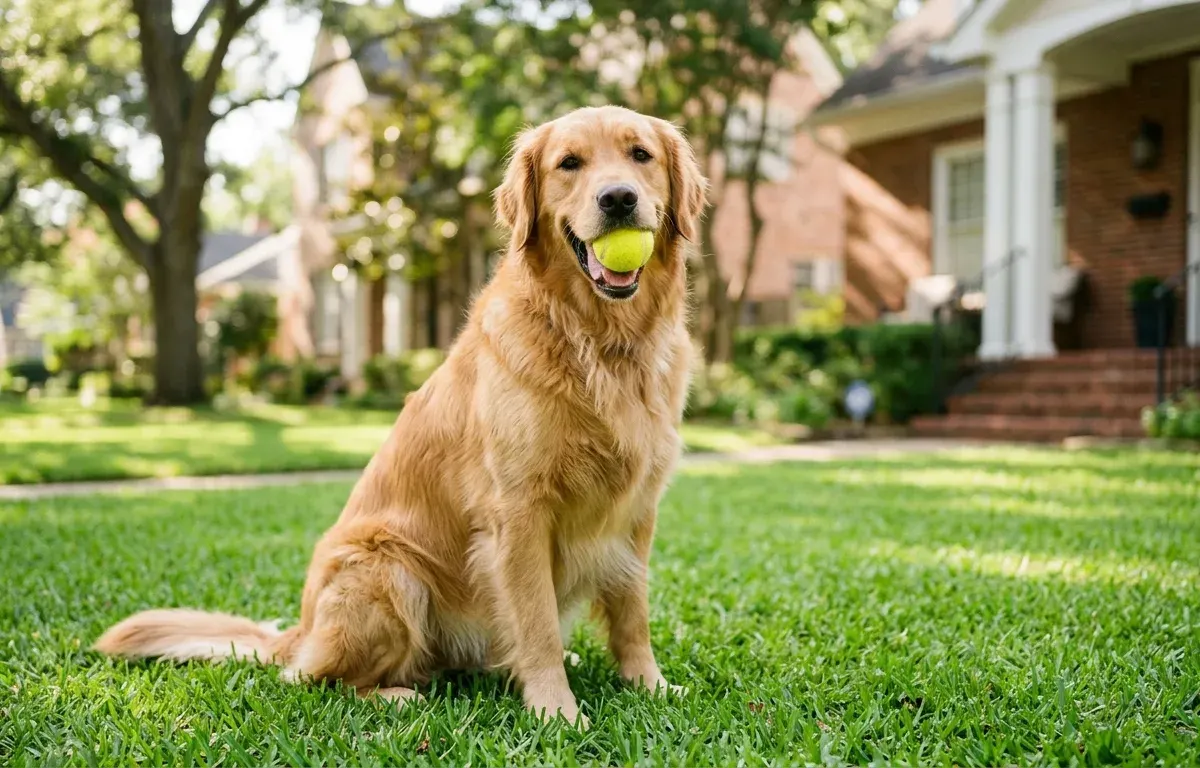
In daily life, how do Golden Retrievers act? They behave as enthusiastic, affectionate, and deeply social companions who thrive on human interaction, mental challenges, and vigorous daily exercise. Bred originally as Scottish waterfowl gundogs, they combine an eager-to-please working attitude with a gentle, patient disposition toward children and strangers. They often exhibit puppy-like exuberance until three or four years of age, carry objects softly in their mouths, and seek close physical contact through leaning and cuddling.
- Golden Retrievers possess a famously gentle, outgoing, and biddable temperament with virtually no innate guarding aggression.
- High working energy requires 60 to 90 minutes of daily physical exercise paired with structured retrieving or scent games.
- Prolonged puppyhood means mental maturity often arrives around age three or four rather than early adolescence.
- Strong social bonds make them affectionate leaners and cuddlers who struggle with prolonged isolation or neglect.
- Natural water love and retrieving instincts stem directly from their nineteenth-century Scottish gundog heritage.
Understanding how Golden Retrievers act in everyday life helps prospective and current dog owners create a home environment where this sporting breed can thrive. While their reputation as gentle family dogs is well deserved, their daily behavior reflects a blend of high physical stamina, keen intelligence, and intense attachment to human companions.
Understanding Golden Retriever Behavior
The daily demeanor of a Golden Retriever is defined by high sociability, optimism, and an instinctual drive to cooperate with people. According to the American Kennel Club breed standard, Goldens are outgoing, trustworthy, and eager to please, carrying an approachable confidence that makes them steady companions in busy family households. They rarely show aloofness or unprovoked hostility, greeting familiar friends and polite newcomers with enthusiastic tail wags and relaxed body language.
Their behavior is also shaped by their historical purpose as durable gundogs. Because they were bred to work closely with hunters over land and water, Goldens possess an innate desire to stay near their handlers and follow verbal direction. This biddability makes basic obedience training rewarding and rapid. While independent companion breeds often require specialized patience when learning house rules, such as methods used when training a French Bulldog, Golden Retrievers respond enthusiastically to positive reinforcement, praise, and interactive play.
| Behavioral Trait | Daily Manifestation | Management Strategy |
|---|---|---|
| Sociability | Greets guests eagerly; follows family from room to room | Early socialization to teach calm greetings without jumping |
| Mouthiness | Carries toys, socks, and sticks gently in jaws | Provide durable chew toys and structured fetch sessions |
| Energy Level | Needs vigorous running, swimming, and mental tasks | Minimum 60-90 minutes of daily combined exercise |
| Adolescent Play | Retains bouncy, puppy-like exuberance up to 3-4 years | Consistent reward-based training and scheduled rest periods |
Energy levels remain high through the first several years of life. Young Goldens frequently experience intense bursts of activity, alternating between athletic sprints and deep naps. While adult Goldens balance play with rest, young dogs have distinct rest cycles where puppy sleep requirements help regulate adolescent energy spikes. Providing structured routines prevents restless behaviors such as nuisance barking or destructive chewing. A Golden Retriever’s mouthiness is not aggression; it is an instinctual retrieval habit known as a soft mouth. Giving your dog a designated carry toy when entering the house satisfies this natural urge and prevents them from picking up shoes or household items.
Why Golden Retrievers Win Hearts
The universal appeal of Golden Retrievers extends beyond their friendly personality to distinct physical and behavioral traits that evoke instant human affection. Ethologists often note that Goldens retain neotenic features, meaning they keep youthful physical and emotional traits well into adulthood. Their warm, expressive brown eyes, slightly upturned lip corners that resemble a smile, and soft floppy ears trigger positive nurturing responses from people of all ages.
In addition to visual charm, their emotional expressiveness builds deep human bonds. A Golden Retriever actively monitors facial expressions and vocal tone, adjusting its posture to comfort an upset family member or match an enthusiastic play partner. They celebrate reunions with whole-body wiggles, soft whimpers of excitement, and gentle nudges with their noses.
| Physical & Behavioral Trait | Emotional Impact on Humans | Daily Care Consideration |
|---|---|---|
| Neotenic Facial Structure | Triggers protective, nurturing instincts in family members | Gentle face cleaning after meals and outdoor play |
| Expressive Gaze | Enhances mutual bonding and social communication | Regular eye checks during routine grooming |
| Soft Double Coat | Provides comforting tactile contact during relaxation | Daily brushing to manage seasonal shedding cycles |
| Drop Ears | Contributes to approachable, non-threatening appearance | Routine ear canal inspection to prevent moisture buildup |
Their luxurious double coat creates a soft, approachable appearance, requiring regular brushing similar to routines to groom a Maine Coon to manage heavy undercoat shedding. Furthermore, their long drop ears trap moisture after swimming, making ear hygiene just as vital as protocols for cleaning French Bulldog ears to prevent fungal and bacterial irritation. The combination of tactile softness, expressive gaze, and cheerful optimism explains why this breed consistently tops global popularity charts.
Do Golden Retrievers Enjoy Cuddling?
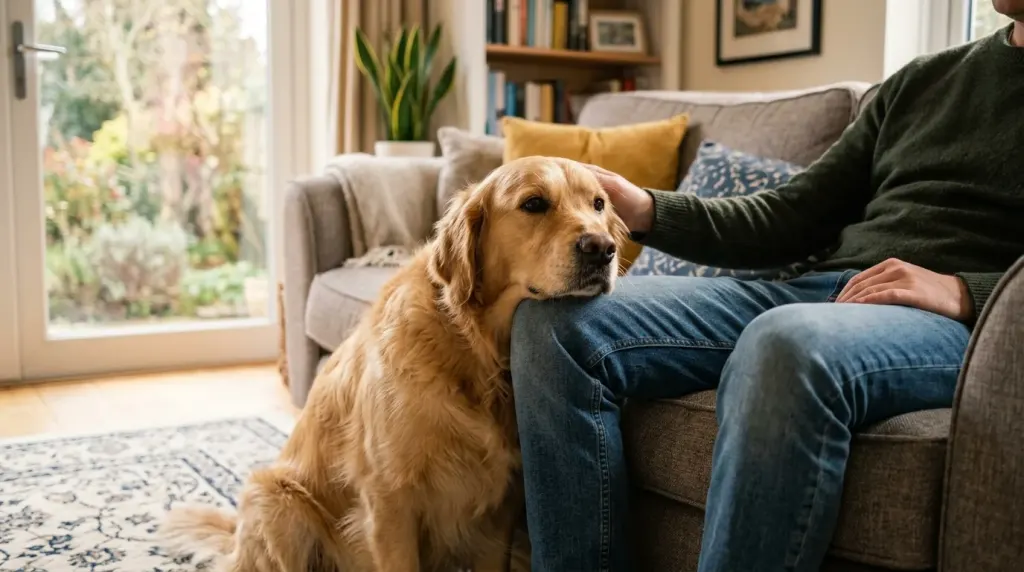
Most Golden Retrievers are avid cuddlers that actively seek physical closeness with their human pack. Rather than keeping a distant watch from a dog bed across the room, a Golden typically prefers lying directly across your feet, pressing its back against your calves, or resting its heavy head on your lap while you relax on the sofa.
This tactile behavior is often called the Golden lean. When greeting a trusted person, a Golden will often stand parallel to their legs and lean its entire body weight inward, signaling trust, affection, and a request for ear scratches or chest rubs. While smaller companion dogs frequently demand lap time as detailed in guides to care for a Pug, a sixty-pound Golden expresses affection through physical leaning and resting its muzzle on your knee.
| Affection Cue | What It Means | Recommended Owner Response |
|---|---|---|
| Body Leaning | Trust, comfort, and request for physical contact | Gentle petting on chest or shoulder |
| Head Resting | Seeking reassurance or quiet companionship | Calm vocal praise and gentle stroking |
| Pawing at Hand | Requesting continued attention or play | Acknowledge with a stroke, then redirect to a calm sit |
| Rolling on Back | Submissive comfort and request for belly rubs | Gentle belly rubs if dog displays soft, relaxed muscles |
Physical size also shapes how cuddling fits into household routines. Unlike compact companion dogs where understanding how big French Bulldogs get helps owners designate small sofa spots, an adult Golden requires substantial room to sprawl comfortably alongside family members.
While cuddliness is standard, individual dogs show varying preferences based on temperature and temperament. A thick double coat can cause a dog to overheat quickly on a warm sofa or under heavy blankets. If your dog moves from the bed to sleep on cool hardwood floors during the night, it is simply regulating its body temperature rather than rejecting affection. Always respect a dog’s boundaries by allowing it to step away when it desires personal space.
Note: True cuddling involves relaxed muscles, soft blinking eyes, and steady breathing. If a dog stiffens, turns its head away, or shows the whites of its eyes, it is feeling crowded and needs immediate physical space.
Activities Golden Retrievers Love
Golden Retrievers are working athletes by heritage, and their favorite activities tap directly into their natural stamina, scenting ability, and retrieval instincts. Without regular physical outlets, a bored retriever will invent its own entertainment, which often includes digging yard holes, shredding paper, or counter surfing for food.
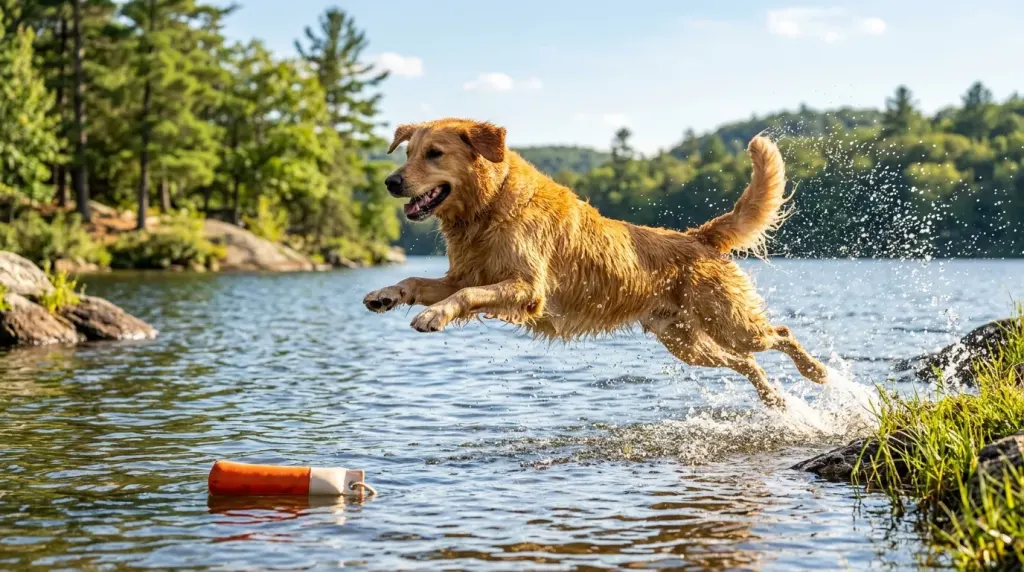
Water activities rank at the very top of what Goldens love to do. With water-repellent topcoats and webbed paws, they are natural swimmers that will dive enthusiastically into lakes, ocean waves, and backyard pools. During summer water games, retrievers love dock diving and swimming, though owners must monitor thermal limits just as one would when cooling down a French Bulldog after intense outdoor play.
Retrieving games provide both physical conditioning and mental satisfaction. A standard game of fetch can be elevated with distance bumpers, floating dummies, and hidden scent objects in tall grass. Introducing structured fetch at an early age provides clear boundaries, contrasting with the foundational focus work required when training a Pug Bulldog puppy for household manners.
| Activity Type | Best Exercises | Primary Benefits |
|---|---|---|
| Water Work | Lake retrieves, dock diving, river swimming | Low-impact cardiovascular workout; satisfies gundog instincts |
| Scent Enrichment | Hide-and-seek toys, nosework trails, snuffle mats | Mental fatigue; reduces adolescent restlessness and anxiety |
| Athletic Play | Long-distance fetch, frisbee, agility obstacle courses | Muscle conditioning, sprint endurance, and impulse control |
| Family Outings | Nature trail hikes, camping trips, park explorations | Environmental desensitization and social bonding |
Favorite Activities of Golden Retrievers
Beyond high-intensity outdoor sports, Golden Retrievers thrive on structured daily enrichment games that challenge their cognitive problem-solving abilities. Their working heritage makes them happiest when they have a clear job to perform alongside their owners.
Daily indoor enrichment can include food puzzle toys, frozen lick mats, and scent games where kibble or treats are concealed under cups or inside cardboard boxes. Structuring daily mental puzzles differs from the patient motivation needed when training a Pug dog, giving athletic retrievers an outlet for their working drive. When using training treats for mental games, owners should track calorie counts just as carefully as guidelines for daily Pug food portioning to prevent unwanted weight gain.
| Daily Activity | Setup and Execution | Frequency |
|---|---|---|
| Object Identification | Teach dog to retrieve specific toys by name (Find ball, Find duck) | 10 minutes, 3 times weekly |
| Scent Search | Hide high-value treats around the living room while dog waits in stay | 15 minutes, daily |
| Trick Training | Teach practical tasks like picking up dropped keys or closing cabinet doors | 5-10 minutes, twice daily |
| Decompression Walk | Long-line walk in a quiet park allowing free sniffing without pulling | 30-45 minutes, daily |
Teaching a Golden practical household jobs creates immense satisfaction. Many Goldens take great pride in carrying soft mail packets from the front door, collecting their own leash before a walk, or putting their scattered toys into a storage basket on cue. These focused tasks channel their natural desire to work and prevent nuisance behaviors indoors.
Popularity of Golden Retrievers
The Golden Retriever has maintained a top-five ranking among registered breeds with the American Kennel Club for decades. This enduring popularity stems from their remarkable versatility across family companionship, competitive dog sports, and professional working roles.
Historical breeding records show that the breed was developed in the Scottish Highlands between 1840 and 1890 by Dudley Marjoribanks, known as Lord Tweedmouth. By crossing a yellow retriever named Nous with a Tweed Water Spaniel named Belle, and later incorporating bloodhound and Irish setter lines, Tweedmouth created a sturdy dog capable of retrieving downed game from punishing cold waters and rugged heather. This selective breeding established the steady nerves and gentle mouth that define the breed today.
Across American households, Goldens consistently rival other top family favorites, including high-demand breeds where prospective owners often research French Bulldog puppy costs before deciding on a sporting companion. Their balance of athletic capability and domestic gentleness makes them uniquely adaptable to suburban homes, active rural properties, and attentive urban households with access to parks.
| Working Role | Core Breed Strengths Used |
|---|---|
| Guide & Assistance Dogs | High biddability, calm focus in public, and strong navigational memory |
| Therapy Animals | Deep empathy, tolerance for physical touch, and gentle greeting habits |
| Search & Rescue | Acute scenting capacity, athletic endurance, and willingness to work in rough terrain |
| Detection Work | Motivated play drive and focused persistence during search routines |
Maintaining healthy daily exercise prevents excess weight gain, an issue that also requires careful intervention when helping an overweight Pug lose weight through structured routines. For families willing to commit to regular brushing, daily exercise, and inclusive companionship, a Golden Retriever delivers unwavering loyalty and joyful daily affection.
Frequently Asked Questions About Golden Retriever Behavior
At what age do Golden Retrievers calm down?
Most Golden Retrievers begin settling into calmer adult behavioral patterns between three and four years of age. While physical growth concludes around twelve to fifteen months, neurological and social maturity takes longer. Consistent daily exercise, mental enrichment, and structured reward-based training help channel adolescent exuberance effectively during their energetic early years.
Do Golden Retrievers make good guard dogs?
Golden Retrievers are generally poor guard dogs because their natural instinct is to greet strangers with friendliness rather than suspicion. While many Goldens will bark an alert when a doorbell rings or a delivery truck approaches the driveway, they typically welcome visitors with wagging tails once the door opens. They should not be relied upon for personal or property protection.
How do Golden Retrievers behave around cats and other pets?
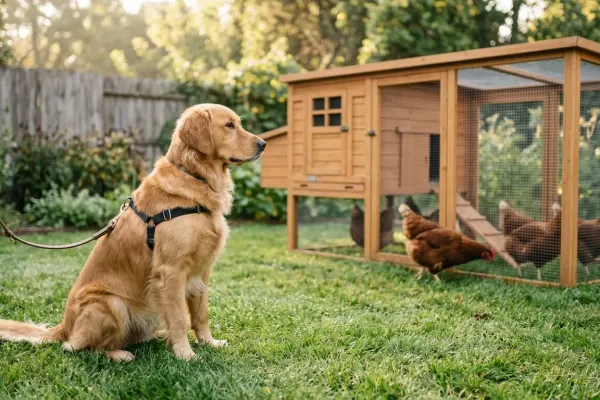
Golden Retrievers usually coexist peacefully with cats, other dogs, and small domestic pets when introduced properly during puppyhood. Their lack of territorial aggression makes them tolerant housemates. However, because they possess hunting instincts for feathered game, owners should supervise direct interactions with backyard poultry or pet birds.
Can Golden Retrievers be left alone during the workday?
Golden Retrievers are highly social pack animals and can develop separation anxiety or destructive habits if left isolated for extended periods exceeding six to eight hours. Adult Goldens cope best when provided with morning exercise, interactive puzzle toys during absences, or mid-day visits from dog walkers or family members.
Leave a Reply