
Table of Contents
When choosing a family pet, many people ask: are Pugs good dogs for home environments? Pugs are affectionate, gentle, and low-energy companions that make excellent pets for apartment dwellers, seniors, and families with children. Weighing between 14 and 18 pounds, they adapt easily to quiet households and do not require intense exercise. However, they are not hypoallergenic, shed heavily, and suffer from brachycephalic airway obstruction syndrome (BOAS), which can lead to breathing difficulties, snorting, and heat sensitivity requiring dedicated veterinary care.
- Pugs possess a friendly, even-tempered personality with minimal aggression toward humans, cats, or other dogs.
- They require modest physical activity (20 to 30 minutes of daily walking) and thrive in small living spaces.
- Flat-faced facial anatomy causes respiratory issues, snoring, and vulnerability to high temperatures.
- Dense double coats produce year-round shedding, making them unsuitable for people with severe pet allergies.
- Stubborn traits require patient, positive reinforcement training rather than forceful methods.
Are Pugs Friendly and Smart Enough to Make Good Pets?
Pugs are renowned for their even-tempered, loving disposition. Historically bred as companion animals for royal courts in ancient China, many owners agree that Pug dogs make good pets for peaceful home environments. They thrive on human attention, trailing family members from room to room and resting quietly on laps.
According to the American Kennel Club (AKC) breed standard, Pugs weigh between 14 and 18 pounds and are bred purely for companionship. Unlike high-drive working breeds, Pugs lack strong hunting instincts or territorial guarding aggression. Their calm demeanor makes them steady companions for households seeking a low-drama pet, as outlined in historical records of Pug breeding history.
| Trait | Pug Breed Characteristic |
|---|---|
| Weight Range | 14 to 18 pounds (6.3 to 8.1 kg) |
| Temperament | Affectionate, charming, playful, even-tempered |
| Energy Level | Low to moderate; prefers short walks and indoor play |
| Working Drive | Low; bred purely for companionship |
| Barking Tendency | Low to moderate; barks mainly to signal visitors |
Are Pugs Friendly and Easy to Train?
In working intelligence rankings, Pugs place in the middle range. They understand household routines quickly and learn basic commands, but they exhibit a stubborn streak. When asked to perform a task without a clear incentive, a Pug may simply sit and stare.
Training a Pug requires consistency, short sessions, and small food rewards. Harsh verbal scolding causes them to withdraw or display anxiety. Some owners mistake their stubbornness for lack of intelligence, but Pugs are skilled at manipulating owners for treats. For example, stress or frustration during rigid routines can trigger behavioral quirks such as excessive licking in Pugs, which resolves once training becomes positive and predictable.
Do Pugs Get Along with Children, Cats, and Other Dogs?
Pugs consistently rank among the safest small breeds for homes with young children. Their sturdy, square body structure allows them to handle moderate play without suffering easy injury, unlike fragile toy breeds. Furthermore, Pugs rarely display resource guarding or snapping behavior when handled gently.
Their social nature extends to other animals. Pugs readily share space with cats and coexist peacefully with resident dogs. Because they lack a high prey drive, they seldom chase small household pets. During early puppyhood, consistent socialization prevents minor issues like excitement urination, ensuring smooth integration into multi-pet households. The combination of a sturdy frame and low prey drive gives Pugs a significant safety advantage over delicate toy dogs when living with toddlers and small animals.
Note: Young children should always be supervised around Pugs to protect the dog’s prominent eyes from accidental poking during play.
Pug Health Considerations: BOAS Syndrome and Lifespan
While Pugs have delightful personalities, their physical structure presents serious health risks that every prospective owner must consider. The flat facial structure that gives them their expressive look is also responsible for structural airway restrictions.
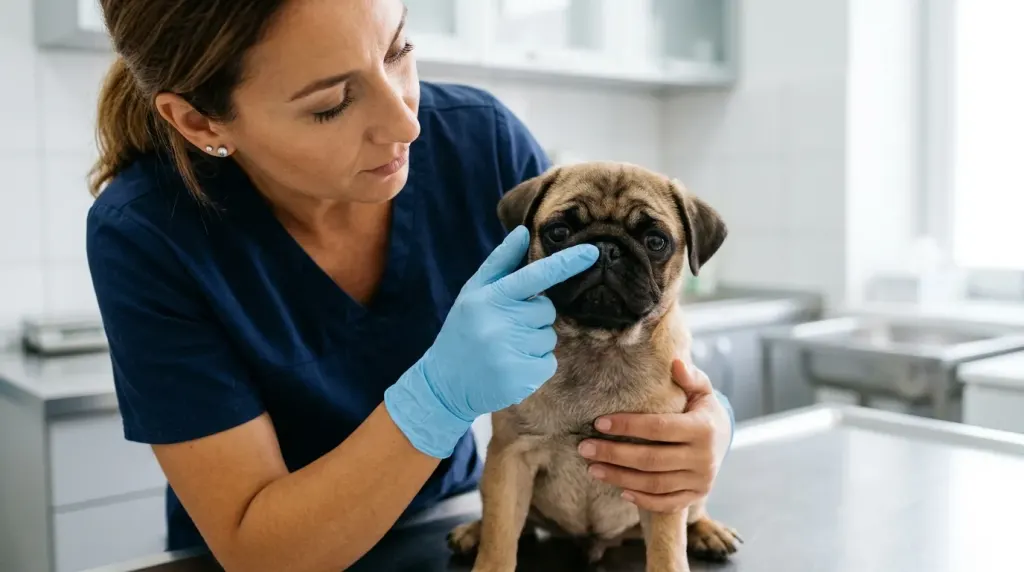
Veterinary research from the Royal Veterinary College (RVC) VetCompass program reveals that Pugs have a median lifespan of approximately 11.6 years. While this lifespan is reasonable for a small breed, their overall quality of life is heavily shaped by respiratory and anatomical challenges.
| Health Concern | Description & Clinical Management |
|---|---|
| Stenotic Nares | Abnormally narrow nostrils restricting airflow |
| Elongated Soft Palate | Excess tissue blocking the entrance to the trachea |
| Skin Fold Pyoderma | Bacterial infections inside facial wrinkle folds |
| Corneal Ulcers | Eye injuries caused by prominent, exposed eyeballs |
| Obesity | Weight gain aggravating joint stress and breathing |
How Does BOAS (Brachycephalic Airway Obstruction Syndrome) Affect Quality of Life?
According to UFAW BOAS research, Brachycephalic Airway Obstruction Syndrome (BOAS) is a combination of anatomical defects including narrowed nostrils, an elongated soft palate, and narrow windpipes. These physical traits force Pugs to exert extra effort simply to draw air into their lungs.
Symptoms of BOAS include persistent heavy breathing, exercise intolerance, gasping, and elevated risk of heatstroke. Environmental heat is dangerous for Pugs because dogs cool themselves primarily by panting; inefficient panting leads to rapid overheating. Respiratory turbulence manifests as distinct sound patterns, with specific triggers explaining Pug snorting causes. During sleep, obstructed airways frequently cause loud snoring habits. Severe cases of BOAS require corrective surgery to widen nostrils and trim excess palate tissue.
What Is the Average Lifespan of a Pug According to VetCompass Data?
Data collected across thousands of veterinary records in VetCompass research confirms that Pugs live an average of 11.6 years, which is shorter than non-brachycephalic breeds of similar size like the Miniature Poodle (14 years) or Border Terrier (13.3 years).
Dr. Dan O’Neill, Associate Professor of Companion Animal Epidemiology at the Royal Veterinary College, stated: “Pugs have a shortened overall life expectancy and elevated risk for health conditions directly related to their brachycephalic skull shape.”
Beyond breathing issues, Pugs suffer from folded skin infections, spinal malformations (hemivertebrae), and corneal ulcers. The skin folds above their nose collect moisture and debris, requiring daily cleaning with damp wipes. Owners must also manage ear cleanliness to prevent inflammation, making it vital to monitor Pug ear health and infection risks.
Are Pugs a Good Choice for Allergy Sufferers?
A common misconception among prospective owners is whether Pugs are good dogs for allergies and sensitive households. Pugs are frequently assumed to be low-shedding due to their smooth coats, but their dense undercoat produces substantial dander that can trigger allergic reactions.
Are Pugs Hypoallergenic? Shedding and Dander Realities
Pugs are not hypoallergenic. They possess a dense double coat consisting of a soft insulating undercoat and a smooth outer coat. Pugs shed continuously throughout the entire year, with heavy shedding periods during seasonal shifts in spring and autumn.
| Grooming & Allergy Factor | Reality for Pug Owners |
|---|---|
| Hypoallergenic Status | No; releases significant dander and saliva proteins |
| Coat Type | Dense double coat with heavy year-round shedding |
| Grooming Frequency | Brushing 2 to 3 times weekly; facial fold cleaning |
| Dander Control | Requires HEPA vacuuming and regular bathing |
Pet allergies are triggered by proteins found in a dog’s dander (dead skin flakes), saliva, and urine. Because Pugs shed high volumes of hair, dander attaches to falling fur and spreads across furniture, carpets, and clothing. Regular grooming with a rubber curry brush reduces loose hair, but it will not eliminate dander production. Homes with moderate to severe dog allergies should consider hypoallergenic breeds such as Poodles, Schnauzers, or Bichon Frises instead.
Are Pugs Good for Seniors and Apartment Dwellers?
Many retirees ask if Pugs are good dogs for seniors and apartment dwellers seeking a peaceful companion. Their modest size and calm indoor demeanor make them exceptionally well suited for urban apartments and older adults.
Exercise Needs and Grooming Demands Compared to Larger Breeds
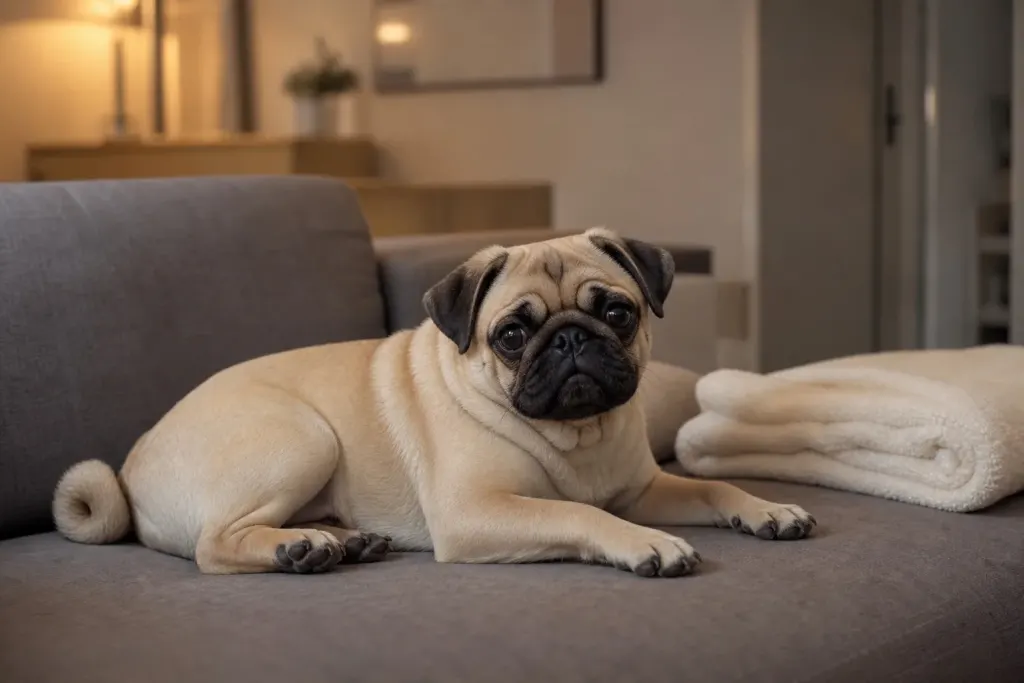
Pugs require minimal physical exercise compared to working or sporting dogs. Two short daily walks lasting 15 to 20 minutes, combined with gentle indoor play, are sufficient to keep a Pug healthy and prevent weight gain. Because they overheat easily, walks should occur during cooler morning or evening hours.
For senior citizens, a Pug offers warm companionship without demanding strenuous exercise or long runs. Their small stature makes them easy to manage on a leash. Maintaining an appropriate balance of nutrients through a proper Pug diet prevents obesity, which is crucial because excess weight exacerbates respiratory strain. As dogs age toward the senior Pug milestone age, activity levels decrease further, calling for soft bedding and easy home access. The low physical demands of Pugs fit apartment living exceptionally well, provided indoor climate control keeps temperatures comfortable year-round.
Note: Exercise routines must strictly avoid hot afternoons, as heat stress can escalate into a medical emergency within minutes for brachycephalic breeds.
Pros and Cons of Owning a Pug: Objective Summary
Evaluating whether Pugs are good dogs to have in your home requires balancing their affectionate nature against their health vulnerabilities and grooming needs.
| Advantages of Owning a Pug | Disadvantages & Challenges |
|---|---|
| Exceptional affection and devotion to family | High risk of BOAS respiratory issues |
| Excellent with children, cats, and other dogs | Heavy year-round shedding; not hypoallergenic |
| Low exercise needs suitable for apartment living | Prone to overheating, eye injuries, and obesity |
| Low barking tendency compared to other small breeds | Stubborn nature requires patient training methods |
| Compact size easily handled by senior owners | Elevated veterinary expenses over their lifetime |
Digestive sensitivities are another common consideration when deciding if Pugs are good dogs to own. Pugs are known to swallow air while eating rapidly due to their jaw structure, which frequently causes Pug flatulence. Additionally, while Pugs are not heavy droolers compared to Mastiffs, facial fold structure means some liquid discharge can occur around water bowls, making it helpful to evaluate overall Pug drooling tendencies.
Are Pugs the Best Dog Breed or Only Right for Specific Owners?
While enthusiastic owners often claim Pugs are the best dogs for companion living, calling any single breed universally superior is misleading. Suitability depends entirely on an owner’s lifestyle, budget, and home environment. Pugs are exceptional pets for people who want an affectionate lap dog and are prepared for regular veterinary care.
Community discussions on Reddit frequently explore whether Pugs are good dogs for everyday family life. Owners on Reddit often highlight the emotional joy of their quirky personalities alongside realistic warnings regarding medical bills for BOAS surgery and routine eye treatments.
Similarly, archived Q&A threads on Yahoo examine if Pugs are good dogs for first-time pet parents. Forum members on Yahoo note that while Pugs bring immense affection, prospective owners who expect an athletic running partner or a non-shedding dog will find them challenging.
| Prospective Owner Profile | Pug Suitability Verdict |
|---|---|
| Apartment dweller / Senior owner | Excellent fit; low exercise requirements |
| Family with young children | Great fit; sturdy and gentle temperament |
| Active runner / Outdoor hiker | Poor fit; high risk of overheating and exhaustion |
| Individual with dog allergies | Poor fit; heavy shedding and dander distribution |
| Budget-conscious owner | Caution; elevated potential for veterinary expenses |
How Do Pugs Compare to Hybrid Breeds Like the Pug-Chihuahua Mix (Chug)?
To bypass some health vulnerabilities while keeping a small size, some dog lovers look toward hybrid breeds. A popular alternative is the Pug Chihuahua mix, commonly referred to as a Chug.
Prospective owners often wonder if Chihuahua Pugs are good dogs for small living spaces compared to purebreds. Chugs blend the loving nature of a Pug with the alertness and longer snout of a Chihuahua. This crossbreeding can sometimes reduce the severity of facial flatlessness, resulting in improved breathing ability. However, Chugs may inherit the vocal, protective nature of the Chihuahua, making them more prone to barking than purebred Pugs.
Who Should (and Should Not) Own a Pug?
Pugs are delightful, loving companion dogs that bring immense joy to households seeking a peaceful, loyal pet. Their friendly temperament, low exercise requirements, and patience with children make them one of the most popular small breeds in the world.
However, Pugs are not suitable for every home. Prospective owners must be ready to manage heavy shedding, clean facial wrinkles daily, maintain air conditioning during summer heat, address behavioral quirks like excitement urination in Pugs, and budget for potential veterinary care associated with BOAS and ocular health. If you can provide a temperature-controlled home, consistent companionship, and attentive care, a Pug will reward you with unwavering devotion.
Frequently Asked Questions
Are Pugs bad dogs for first-time owners?
No, Pugs are not bad dogs for beginners. Their gentle, non-aggressive nature makes them easy to live with, though first-time owners must be educated on facial fold cleaning, weight control, and heat safety.
Why do some online sources call Pugs “bad dogs”?
Criticism usually stems from health concerns rather than behavior. Critics point out that breeding for extreme flat faces causes respiratory distress, leading some welfare advocates to advise against buying brachycephalic puppies.
Are Pugs good dogs for apartments?
Yes, Pugs are outstanding apartment dogs. They rarely bark without reason, require short daily walks, and spend most of their indoor time sleeping or lounging comfortably near their owners.
Are Pugs safe around toddlers?
Yes, Pugs are generally safe and tolerant around toddlers. Their sturdy build handles gentle play well, though children should be taught not to touch the dog’s eyes or disturb them while eating.

Leave a Reply