
Table of Contents
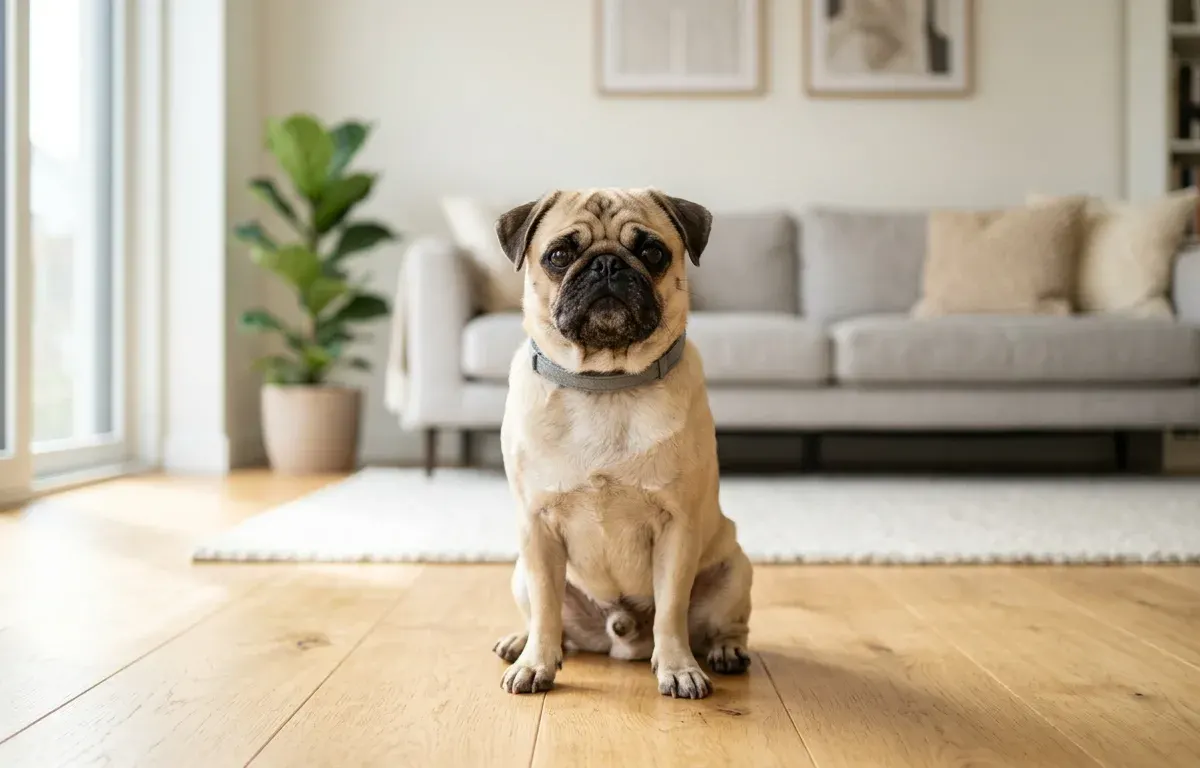
If you are wondering do pug dogs drool, the answer is yes, but they generally produce less slobber than larger brachycephalic breeds like Mastiffs or English Bulldogs. Their tight-lipped jaw structure helps keep saliva inside the mouth under normal conditions. Light drooling during meals, warm weather, or excitement is completely natural. However, sudden or heavy drooling (ptyalism) can indicate dental disease, digestive distress, heat stress, or an oral injury that requires veterinary evaluation.
- Pugs fall into a low-to-moderate drooling category compared to heavy-jowled dog breeds.
- Short facial structure (brachycephaly) forces open-mouth panting, which can increase temporary saliva secretion.
- Environmental heat, food anticipation, motion sickness, and anxiety are the most frequent non-medical drooling triggers.
- Saliva trapped inside deep facial wrinkles can lead to lip fold dermatitis unless the area is not kept clean and dry.
- Sudden, heavy, or foul-smelling drool accompanied by vomiting or lethargy is a medical warning sign.
How Much Do Pugs Actually Drool?
Pugs belong to the brachycephalic (flat-faced) breed category, but their saliva output is relatively modest compared to popular perception. Dog owners often group Pugs with heavy slobberers like Saint Bernards, Bloodhounds, or English Bulldogs. In reality, Pugs have shorter, tighter flews (lips) that trap saliva more effectively than breeds with pendulous, hanging jowls. Most healthy Pugs experience only mild, localized moisture around their mouths rather than continuous streams of slobber.
Veterinary professionals classify normal canine salivation (ptyalism) into physiological responses and pathological conditions. Physiological drooling occurs when salivary glands react to sensory stimuli such as smelling cooking food, anticipating a treat, or cooling down after play. According to PDSA canine drooling guidance, healthy dogs secrete extra saliva to lubricate food for swallowing and assist in temperature regulation. Understanding your dog’s baseline helps you distinguish between healthy daily saliva and abnormal fluid buildup tied to underlying health changes. Evaluating your pug’s facial structure provides helpful context on how lip shape and skull shape influence routine saliva containment.
| Breed Category | Average Drool Volume | Lip & Flew Anatomy | Typical Triggers |
|---|---|---|---|
| Pug | Low to Moderate | Short, relatively tight lips | Heat, food, excitement, mild stress |
| English Bulldog | Moderate to Heavy | Deep, hanging flews | Panting, drinking, heat, exercise |
| Saint Bernard | Heavy | Very loose, pendulous jowls | Continuous baseline, water drinking |
| Beagle / Small Hounds | Low | Medium, semi-tight lips | Scent trailing, food anticipation |
Why Pug Anatomy Affects Drooling
A Pug’s distinctive compressed skull structure plays a central role in how fluid and air move through the mouth and upper respiratory tract. Brachycephalic dogs have shortened nasal passages paired with soft tissue structures designed for a longer snout. This anatomical compression frequently leads to Brachycephalic Obstructive Airway Syndrome (BOAS), a condition where narrowed nostrils (stenotic nares) and an elongated soft palate obstruct normal nasal airflow.
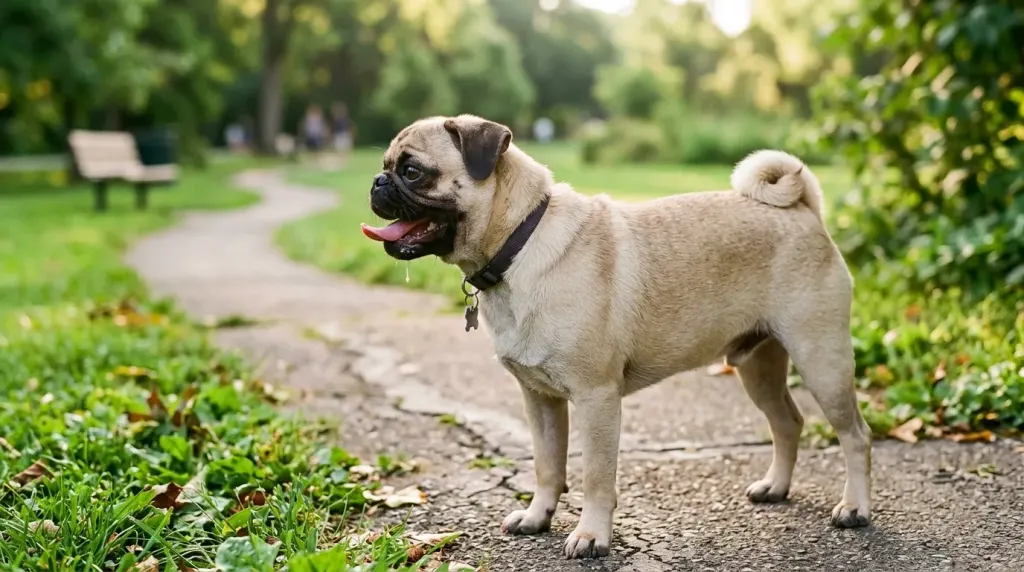
When nasal breathing becomes restricted, Pugs rely heavily on open-mouth breathing to exchange air. Open-mouth panting stimulates the salivary glands to produce extra fluid to keep the tongue and oral membranes moist. Peer-reviewed PMC research on brachycephalic airway syndrome notes that upper respiratory resistance forces dogs to exert greater effort during panting, which amplifies oral fluid production and air turbulence in the mouth. Understanding why pugs snort helps owners recognize how compressed airways create secondary physical reactions like clearing throat mucus and panting-induced slobber.
Does Snoring or Snorting Relate to Drooling?
Snoring, snorting, and drooling often occur together in Pugs because all three stem from the same underlying head structure. However, they remain distinct physiological processes. Snorting happens when air forces its way through narrow nasal passages, while snoring occurs when relaxed throat tissues vibrate during sleep. Drooling is the accumulation of liquid saliva in the oral cavity. A Pug can snort frequently without drooling excessively, but severe respiratory distress that triggers heavy open-mouth breathing will inevitably increase saliva discharge. Monitoring your dog’s pug snoring patterns helps you establish a clear health baseline for respiratory sound versus liquid buildup.
Common Situational Causes of Drooling in Pugs
Not all extra moisture signals a medical issue. Pugs frequently drool in response to everyday physical and emotional triggers:
- Overheating and Thermal Stress: Pugs pant heavily when environmental temperatures rise because their short airways cool air inefficiently. Body temperatures above 103°F indicate heat stress, while temperatures reaching 106°F represent a life-threatening heatstroke emergency accompanied by thick, ropey drool.
- Food Anticipation: Smelling meat, hearing a food bowl move, or watching family members eat triggers an automatic release of digestive enzymes from the parotid and submandibular salivary glands.
- Motion Sickness: Car rides frequently cause nausea in dogs due to inner ear vestibular disruption. Excessive drooling combined with frequent lip licking is a primary early warning sign of travel nausea.
- Excitement and Stress: Meeting new visitors, hearing loud noises, or experiencing separation anxiety stimulates the sympathetic nervous system, leading to temporary increases in heart rate and panting-related saliva. Assessing whether are pugs active dogs in your household helps tailor daily activity levels so your pet stays cool and calm.
High environmental temperatures increase open-mouth panting in brachycephalic dogs, accelerating saliva flow and elevating heatstroke risk.
When Drooling in Pugs Signals a Health Problem
A sudden increase in saliva volume, a change in saliva consistency, or foul odor indicates a potential medical concern. Pathological drooling (ptyalism) requires careful observation to identify the root cause before complications develop.
Primary medical causes of abnormal Pug drooling include:
- Periodontal Disease and Tooth Decay: Tartar buildup, inflamed gums (gingivitis), tooth root abscesses, and oral ulcers cause localized pain that prompts continuous salivation.
- Foreign Object Obstruction: Small bones, sticks, grass seeds, or fabric threads lodged between teeth, under the tongue, or against the roof of the mouth prevent normal swallowing.
- Gastrointestinal Nausea and Bloat: Stomach upset, gastritis, acid reflux, or dangerous stomach distension cause rapid saliva buildup as the body attempts to protect esophageal linings from stomach acid.
- Toxin Ingestion: Chewing toxic houseplants, licking cleaning chemicals, or consuming poisonous foods (such as chocolate or xylitol) causes sudden, profuse foaming or slobbering.
- Organ Dysfunction and Neurological Conditions: Kidney disease, liver shunts, or facial nerve paralysis disrupt normal swallowing reflexes and chemical balance.
| Normal Everyday Drooling | Warning Signs Requiring Veterinary Care |
|---|---|
| Occurs around food, treats, or play | Appears suddenly without an obvious trigger |
| Clear, thin fluid consistency | Thick, cloudy, bloody, or foul-smelling fluid |
| Stops once the dog cools down or calms down | Continuous drooling lasting more than a few hours |
| Dog remains energetic, alert, and hungry | Accompanied by lethargy, vomiting, or loss of appetite |
| Mouth tissues appear healthy and pink | Accompanied by swollen gums, pale lips, or facial swelling |
Note: Sudden onset of heavy slobber combined with lethargy, retching, or facial swelling is a medical emergency that warrants prompt professional evaluation.
Could My Pug’s Wrinkles Be Making Drooling Worse?
A Pug’s facial folds do not produce saliva, but deep skin creases around the nose and upper lips trap moisture that drips from the mouth. Constant dampness inside skin folds creates a warm, dark environment where bacteria and yeast thrive. Over time, trapped saliva breaks down skin lipids, leading to painful skin fold dermatitis (intertrigo), redness, foul odor, and secondary skin infections. Comparing skin care needs with general pug ear care and infection risk highlights how dark, moist anatomical crevices require consistent moisture control across the entire head.
How to Manage and Reduce Excessive Drooling
Managing Pug slobber centers on maintaining physical comfort, managing environmental heat, and preventing secondary skin issues.
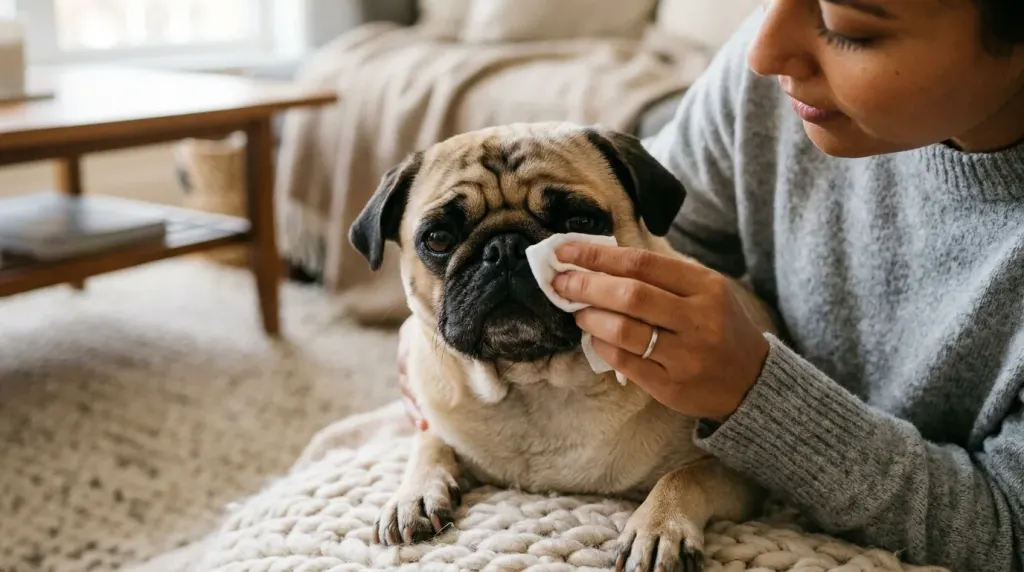
Follow this practical daily care routine:
- Maintain a Cool Environment: Keep your Pug indoors during peak summer heat, use air conditioning, and provide fresh cooling water at all times to minimize panting.
- Clean Facial Wrinkles Daily: Wipe lip folds and facial creases once or twice daily using a soft, damp cloth or specialized dog wipe, then pat the skin completely dry with a towel.
- Establish an Oral Hygiene Routine: Brush your Pug’s teeth several times per week with dog-safe toothpaste and schedule annual professional veterinary dental checks.
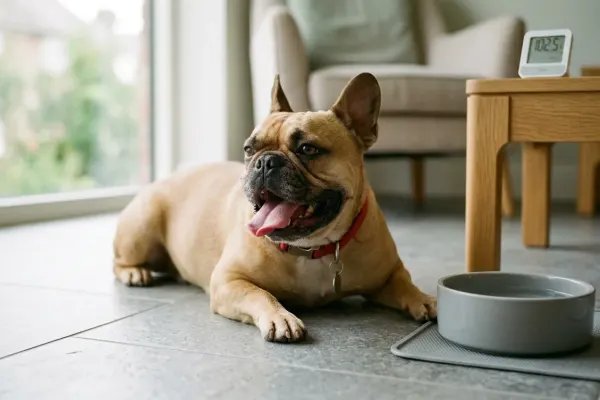
- Use Absorbent Matting Near Bowls: Place non-slip food and water mats under feeding stations to capture water drips and food-related drool before it reaches floors. Integrating these steps into a broader daily pug care routine keeps your dog clean, dry, and healthy.
Should You Talk to a Veterinarian About Your Pug’s Drooling?
If your Pug’s drooling develops suddenly, persists beyond 24 hours, or occurs alongside vomiting, pawing at the mouth, swelling, or behavioral changes, contact a veterinarian immediately. Early professional diagnosis prevents minor dental problems or swallowed foreign objects from escalating into severe health complications.
Frequently Asked Questions About Pug Drooling
Is it normal for pugs to drool a lot?
Pugs normally produce light to moderate drool around food, during exercise, or in warm weather. Heavy, continuous drooling is not typical for the breed and warrants a health check.
Why does my pug suddenly drool more?
Sudden increases in drooling usually stem from oral pain, a lodged foreign object, nausea, chemical toxicity, or acute heat stress.
Do pugs drool more than other dogs?
Pugs drool significantly less than large, loose-jowled breeds like Mastiffs or Bulldogs, but slightly more than long-muzzled dogs due to open-mouth panting.
How do I stop my pug from drooling on furniture?
You can reduce furniture slobber by keeping your dog cool, wiping their mouth after meals or walks, and using washable protective covers on dog beds and sofas.
Leave a Reply