
Table of Contents
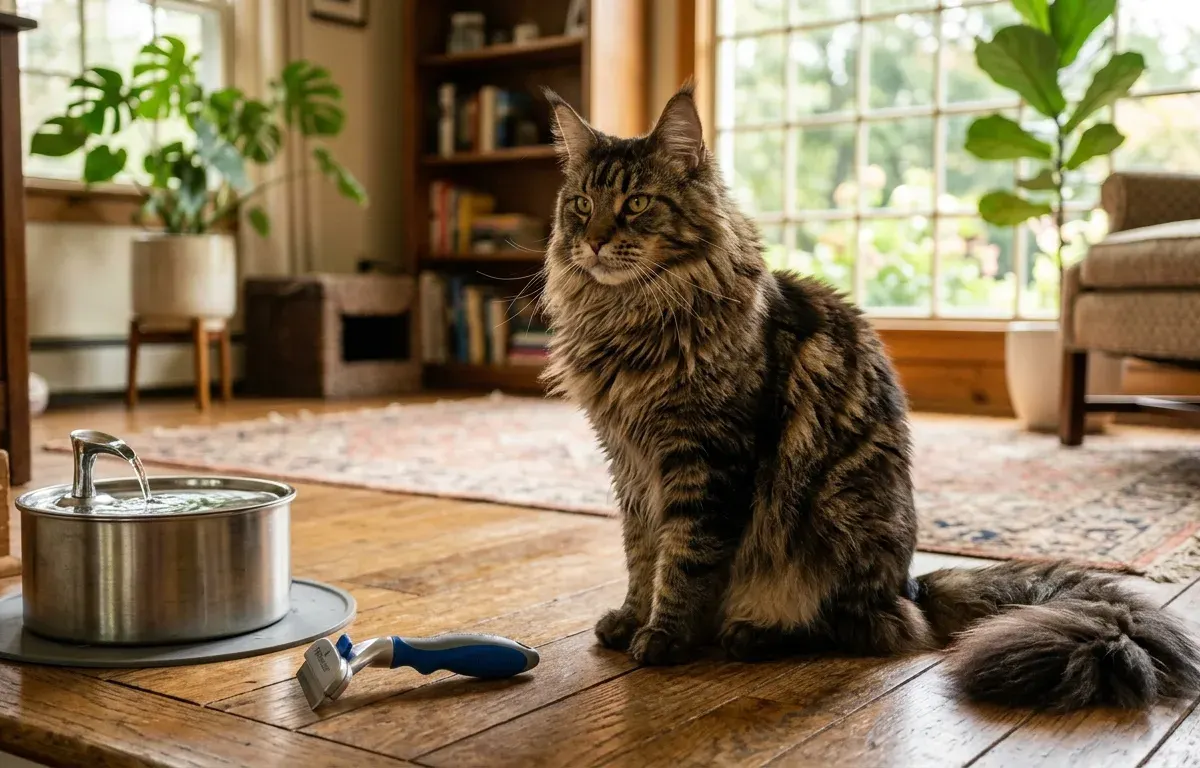
In terms of daily care, are Maine Coons high maintenance? Overall, they are moderately demanding cats that require 2 to 3 weekly brushing sessions, 20 to 30 minutes of daily interactive play, and oversized cat furniture due to their 10-25 lb frame, though their calm temperament makes daily handling straightforward. While they do not demand professional grooming if brushed consistently at home, their dense double coat, large appetite, and social nature require noticeably more daily care than an average domestic shorthair.
- Grooming requires 2-3 thorough brushing sessions per week with a slicker brush and undercoat rake to avoid painful matting.
- Social engagement is mandatory: Maine Coons are companion-oriented and need 2-3 interactive play sessions (10-15 minutes each) daily to prevent boredom.
- Giant equipment sizing is essential: Adult males (18-25 lbs) require jumbo litter boxes (≥24 inches) and heavy-base cat trees at least 6 feet high.
- Veterinary monitoring centers on genetic screening for Hypertrophic Cardiomyopathy (HCM) and joint support for hip dysplasia.
- Ongoing monthly maintenance averages $80 to $150 for high-protein food, litter, and preventative wellness care.
Grooming Demands: Coat Care, Shedding, and Mat Prevention
Maine Coons have a heavy, water-resistant double coat that requires brushing 2 to 3 times per week to prevent mats and control moderate-to-heavy seasonal shedding. Regular brushing takes approximately 10 to 15 minutes per session and eliminates the need for frequent professional shave-downs or baths. According to The Cat Fanciers’ Association (CFA) breed standard, the breed developed its dense, shaggy coat with a heavy undercoat to endure harsh winter climates.
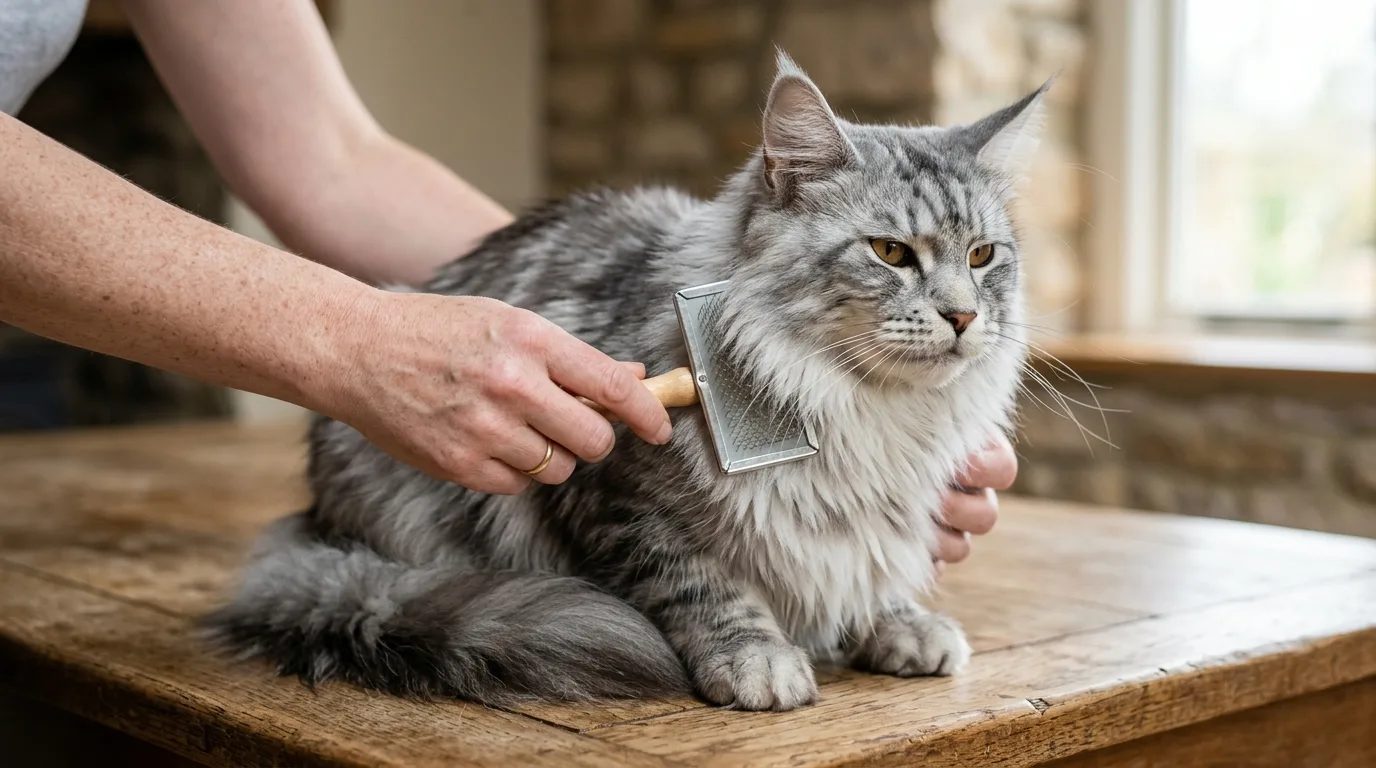
The coat consists of two distinct layers: a soft, insulating undercoat and longer, silky guard hairs that repel moisture. When loose hairs from the undercoat shed, they become trapped against the skin instead of falling away cleanly. If left unbrushed, friction quickly turns these loose hairs into dense felted mats. The most vulnerable friction zones include the armpits, the groin, the frontal neck ruff, and the long britches along the hind legs. Prospective pet owners concerned about fur and dander often compare longhaired felines and ask whether Ragdoll cats are hypoallergenic, but neither breed is allergen-free because the primary trigger is the Fel d 1 protein found in feline saliva and sebaceous glands. Similarly, families evaluating multi-pet households often discover that just as French Bulldogs are not hypoallergenic despite their short fur, maintaining an indoor environment free of excess allergens requires dedicated weekly grooming routines regardless of coat length.
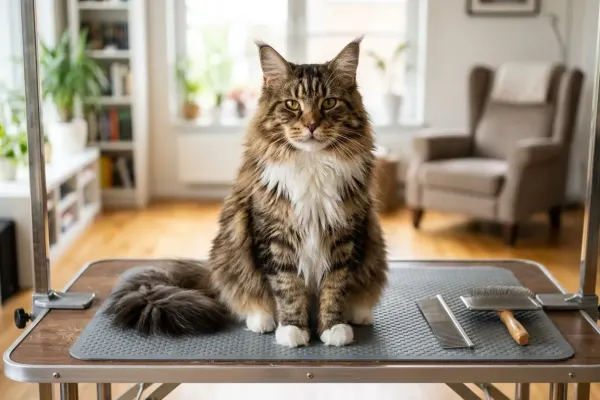
A dedicated home grooming toolkit keeps coat maintenance straightforward and stress-free:
| Tool Type | Primary Target Area | Recommended Frequency | Purpose |
|---|---|---|---|
| Stainless Steel Greyhound Comb | Full body, neck ruff, and tail | 2 to 3 times per week | Detects early tangles down to the skin surface |
| Fine-Wire Slicker Brush | Flanks, back, and shoulders | 2 to 3 times per week | Removes loose shedding hair from the topcoat |
| Undercoat De-Shedding Rake | Dense underbelly and britches | Once weekly (twice during spring shed) | Clears dead undercoat without cutting guard hairs |
Bathing is rarely needed on a strict schedule. Because their fur contains natural protective oils that repel water and dirt, a full bath is only necessary once every 2 to 3 months or when the coat feels greasy. During seasonal shedding cycles in spring and autumn, brief 5-minute daily brushing sessions prevent loose undercoat fur from spreading across home furniture.
Space, Equipment, and Physical Setup for Giant Cats
Accommodating a Maine Coon requires sizing up all standard feline supplies to handle adult males weighing up to 25 pounds and measuring up to 40 inches from nose to tail. Standard commercial litter boxes, small scratchers, and lightweight cat trees will quickly collapse or cause behavioral litter box avoidance. While compact companion animals like Pugs make good apartment dogs because of their smaller physical footprint, a 20-pound Maine Coon needs significant floor space and tall vertical climbing posts to navigate an indoor home comfortably.
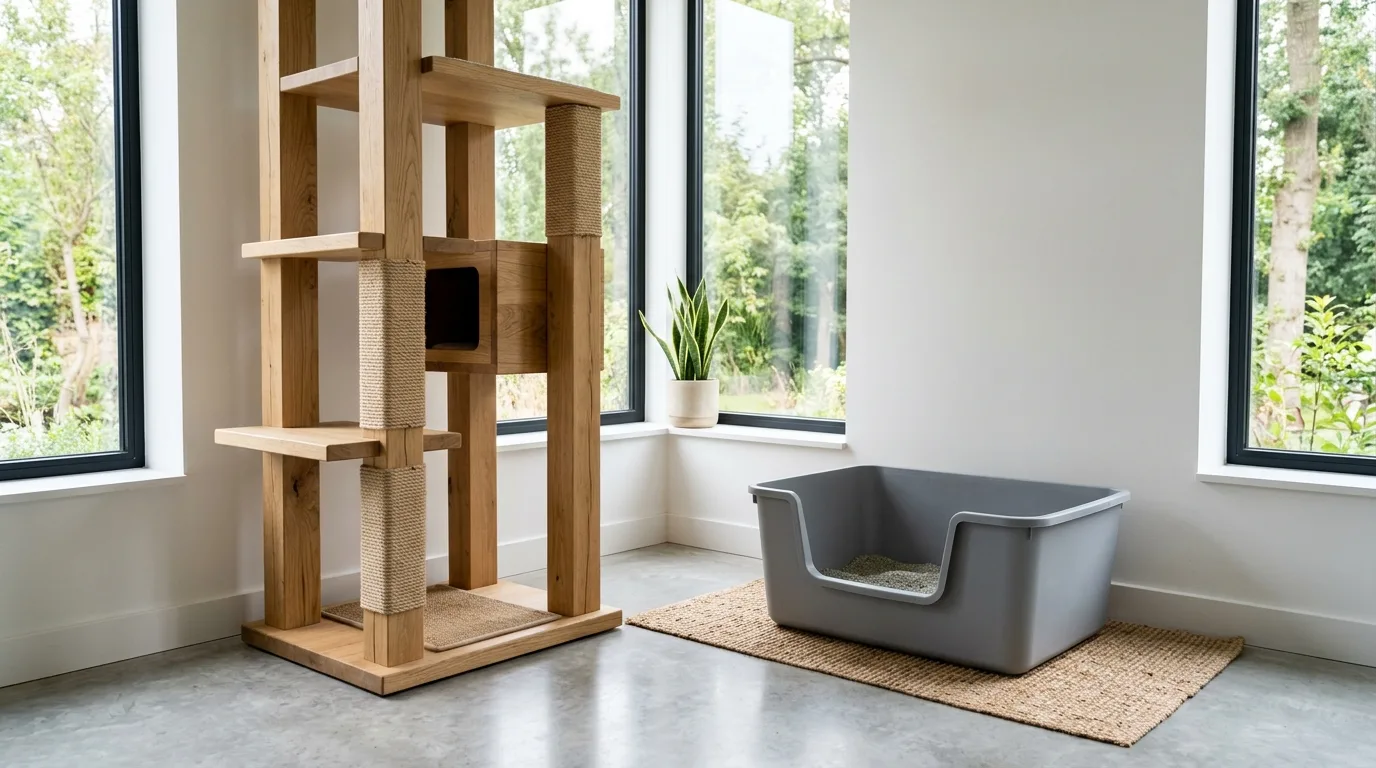
A standard 18-inch litter pan is inadequate for a cat whose body length often exceeds 30 inches. When confined to small boxes, giant cats accidentally step in waste or eliminate outside the box simply because their hindquarters hang over the rim. Open-top plastic storage totes measuring at least 24 by 18 inches provide the necessary turning radius. Space efficiency explains why French Bulldogs are so popular among urban apartment residents, but giant feline owners must compensate for limited room dimensions by installing heavy-duty climbing structures along walls.
Scratching posts and climbing towers require similar upgrades. A full-grown cat leaping onto a lightweight cat tree can easily topple the structure, creating physical injury and lasting fear. Cat trees designed for large breeds should feature heavy solid wood bases measuring at least 24 inches wide and vertical posts with a diameter of 4 inches or greater wrapped in thick sisal rope.
| Equipment Category | Standard Domestic Cat Setup | Maine Coon Giant Breed Requirement | Practical Reason |
|---|---|---|---|
| Litter Box | 18 x 14 inch commercial pan | ≥ 24 x 18 inch open-top jumbo tote | Allows complete body turning and prevents edge overhang |
| Climbing Tower | 4 to 5 feet, lightweight pressed board | ≥ 6 feet, reinforced base (≥ 24 in) | Withstands running jumps from 18-25 lb adults |
| Scratching Post | 22 to 28 inches tall | ≥ 36 inches solid post | Enables full body vertical stretch without tipping |
| Feeding Station | Standard narrow bowls | Wide, shallow ceramic or steel dishes | Prevents whisker fatigue on broad muzzles |
Feeding bowls also warrant special attention. Due to their broad facial structure and wide whisker span, Maine Coons often experience whisker fatigue when eating from deep, narrow dishes. Using wide, shallow ceramic or stainless steel platters allows comfortable access to food without continuous sensory irritation.
Social, Mental, and Exercise Requirements
Maine Coons possess a dog-like, highly social temperament that demands 20 to 30 minutes of direct human engagement each day to prevent anxiety and destructive behavior. Unlike aloof solitary breeds, they thrive on companionship, interactive play, and mental stimulation. They follow their owners from room to room, sit nearby during daily tasks, and actively seek verbal and physical interaction. This devoted, shadow-like loyalty closely mirrors why French Bulldogs are so clingy, as both companion animals thrive on continuous household presence and experience emotional distress when ignored.
Physical exercise should be divided into 2 to 3 short sessions of 10 to 15 minutes each day. Interactive wand toys, feather teasers, and oversized plush mice engage their natural hunting instincts. Because of their high intelligence, Maine Coons also excel at learning basic obedience cues, puzzle feeder games, and even retrieving small toys. Many individuals readily accept harness training for controlled outdoor exploration in quiet yards.
A balanced daily routine supports both physical conditioning and mental enrichment:
- Morning Activation (5-10 minutes): Interactive wand chase before breakfast to satisfy morning predatory drive.
- Daytime Enrichment (Independent): High window perches with outdoor bird views, treat puzzle mazes, and vertical scratching towers.
- Evening Social Play (15-20 minutes): Fetch routines, agility ground chasing, and interactive grooming rituals before winding down.
While Maine Coons are often labeled high maintenance due to their grooming and size, their easygoing, gentle personality significantly lowers their behavioral difficulty. They rarely display high-strung vocal reactivity or aggressive boundary testing, making their social upkeep joyful rather than stressful for attentive owners.
In shared households, a Maine Coon often forms harmonious bonds with other companion animals; their gentle, confident demeanor pairs smoothly with how Pugs are naturally friendly dogs, leading to collaborative play rather than territorial conflict. However, their companion-driven nature means they struggle in homes where they are left isolated for multiple consecutive days without human contact or animal companionship.
Nutritional Needs and Feeding Routine
Feeding a Maine Coon requires a high-protein, meat-first diet formulated to sustain their slow growth cycle, which typically lasts until 3 to 5 years of age. An adult Maine Coon consumes 250 to 350 calories per day, translating to higher food costs than standard domestic cats. Because these cats develop substantial bone mass and lean muscle over a prolonged maturation period, their diet must provide balanced amino acids without excess carbohydrates that could lead to obesity.
Daily caloric targets shift across developmental phases:
| Life Stage | Age Range | Daily Caloric Target | Primary Nutritional Focus |
|---|---|---|---|
| Early Growth Kitten | 0 to 12 months | 350 to 500 kcal / day | High animal protein and DHA for skeletal development |
| Young Adult Transition | 1 to 3 years | 300 to 400 kcal / day | Controlled calories to build lean muscle without joint fat |
| Mature Adult Maintenance | 3 to 10+ years | 250 to 350 kcal / day | High protein, moderate fat, and joint support supplements |
Maintaining adequate hydration is equally critical. Maine Coons are famously fascinated by running water and frequently paw at static bowls, splashing water onto surrounding floors. Providing a heavy, tip-resistant recirculating water fountain encourages voluntary water consumption, supporting kidney health and reducing urinary crystal formation. Monitoring daily activity levels is critical when calculating food portions, just as determining whether Pugs are active dogs or sedentary companions guides canine feeding plans to avoid excessive joint load.
Incorporating moisture-rich wet canned food alongside quality dry kibble ensures optimal hydration and urinary tract health. Monitoring your cat’s body condition score helps keep their frame lean, avoiding excess weight that places unnecessary stress on hips and knees.
Health Monitoring and Genetic Predispositions
Maine Coons are generally hardy, but their genetic profile predisposes them to Hypertrophic Cardiomyopathy (HCM), hip dysplasia, and juvenile gingivitis, requiring proactive veterinary screening. Preventive wellness care and choosing tested breeding lines substantially mitigate long-term veterinary crises.
Hypertrophic Cardiomyopathy is the most common cardiac condition affecting the breed, characterized by an abnormal thickening of the left ventricular heart muscle. Genetic testing can identify the MYBPC3 A31P gene mutation responsible for many hereditary cases. However, because non-genetic or unknown variant forms also occur, veterinary cardiologists recommend periodic echocardiogram screenings for breeding lines and mature adults.
Hip dysplasia occurs with higher prevalence in large-boned domestic cats. The mismatch between the femoral head and the pelvic acetabulum causes cartilage wear, stiffness, and chronic arthritis over time. Maintaining a lean body weight and providing omega-3 fatty acid supplements (EPA and DHA) helps preserve joint mobility. Because giant cats reach physical maturity later around age 3 to 5, their geriatric care timeline differs from smaller pets; for instance, recognizing when Pugs are considered senior dogs around age 7 or 8 helps owners structure age-appropriate wellness screening and mobility support.
| Health Condition | Primary Risk Factor | Recommended Diagnostic Screening | Monitoring Frequency |
|---|---|---|---|
| Hypertrophic Cardiomyopathy (HCM) | Hereditary MYBPC3 A31P mutation | DNA swab test and cardiac echocardiogram | DNA test once; cardiac ultrasound every 1-2 years |
| Feline Hip Dysplasia | Large skeletal frame and rapid growth | Orthopedic physical exam and pelvic radiographs | Annual physical exam; X-rays if stiffness appears |
| Juvenile Gingivitis & Periodontal Disease | Breed immune predisposition | Visual oral inspection and dental cleanings | Daily home brushing; annual professional dental check |
| Spinal Muscular Atrophy (SMA) | Autonomic recessive gene mutation | DNA genetic screening panel | Once prior to breeding or early adoption |
Dental hygiene represents another routine maintenance task. Starting tooth brushing during kittenhood prevents tartar accumulation and severe periodontal disease. Routine grooming also offers an ideal opportunity to inspect sensitive facial structures; just as pet owners learn why French Bulldogs develop red eyes from corneal irritation or environmental dust, Maine Coon owners should regularly examine ear tufts and eye corners for discharge or irritation.
Note: Genetic screening tests identify specific known mutations such as A31P, but an annual veterinary physical examination and cardiac auscultation remain essential for comprehensive feline health management.
True Cost of Monthly Ownership: Budget Breakdown
The ongoing cost of maintaining an adult Maine Coon ranges between $80 and $150 per month, excluding upfront purchase and initial gear costs. Higher food intake, premium litter volume, and breed-specific health insurance make them approximately 30% to 50% more expensive to maintain than average domestic shorthairs. Understanding these recurring expenses allows owners to budget realistically.
| Expense Category | Monthly Estimated Cost | Yearly Total Estimate | Details & Considerations |
|---|---|---|---|
| High-Protein Wet & Dry Nutrition | $45 – $75 | $540 – $900 | High-meat formulas, quality canned wet food |
| Clumping Cat Litter (Large Volume) | $20 – $35 | $240 – $420 | Requires 30-40 lbs/month due to jumbo box size |
| Preventative Parasite Care | $15 – $25 | $180 – $300 | Monthly topical flea, tick, and heartworm prevention |
| Pet Health Insurance (Recommended) | $30 – $60 | $360 – $720 | Covers hereditary cardiac and orthopedic conditions |
| Annual Veterinary & Dental Reserve | $15 – $35 | $200 – $400 | Annual bloodwork, vaccines, and dental maintenance |
| Total Estimated Ongoing Budget | $80 – $150 / month | $1,520 – $2,740 / year | Varies based on location and insurance coverage |
Initial acquisition costs also represent a significant investment. Purebred kittens from reputable breeders who perform comprehensive genetic and echocardiogram screenings typically cost between $1,500 and $3,000. Prospective pet parents exploring purebred adoption often review how much Ragdoll cats cost to compare initial investment ranges across longhaired feline breeds before committing to ongoing care budgets. Factoring in initial veterinary wellness exams, preventive vaccinations, and starter supplies mirrors the financial research required when determining how much Pug dogs cost during their first year of life.
The Maine Coon Upkeep Verdict: Who Is This Cat Best For?
A Maine Coon is best suited for households that have 15 to 20 minutes of daily grooming and play time, adequate living space for large cat furniture, and a stable budget for higher food and healthcare costs. If you want a hands-off, low-cost lap cat that requires zero coat brushing, a Maine Coon will feel overwhelming.
| Household Type & Lifestyle | Suitability Level | Primary Considerations & Match Factor |
|---|---|---|
| Active Families & Multi-Pet Homes | Excellent Match | Thrives with companion pets, gentle with children, highly interactive |
| Remote Workers & Work-From-Home | Excellent Match | Enjoys continuous presence and quiet companionable seating |
| Frequent Long-Distance Travelers | Moderate to Low | Requires dedicated daily pet sitting; dislikes prolonged solitary confinement |
| Tight Studio Apartments | Moderate Match | Needs creative vertical space, large cat trees, and oversized litter area |
| Owners Seeking Zero-Grooming Cats | Poor Match | High shedding and coat matting risk if regular brushing is neglected |
Comparing maintenance requirements across companion animals provides valuable perspective. For instance, while many families appreciate that Ragdoll cats are friendly and docile lap companions, a Maine Coon offers a more active, curious, and dog-like presence that seeks direct involvement in household chores. While their physical and dietary upkeep is moderately demanding, their relaxed, stable temperament makes them exceptionally rewarding companions for prepared homes.
Frequently Asked Questions About Maine Coon Maintenance
Are Maine Coons more work than normal cats?
Yes, Maine Coons require more daily maintenance than short-haired domestic cats due to regular coat brushing, larger food portions, and the necessity of oversized litter boxes and heavy scratching trees. However, their easygoing and adaptable temperament makes behavioral management much simpler than many high-energy exotic breeds.
Can a Maine Coon be left alone for 8 hours?
A Maine Coon can comfortably handle a standard 8-hour workday if provided with interactive toys, scratching towers, and clean water, but they should not be left isolated for extended periods. They are deeply companion-oriented and will develop stress-related behaviors if deprived of daily human interaction.
How often do Maine Coons need a bath?
Maine Coons rarely need scheduled full baths because their water-repellent double coat sheds dirt naturally. Most cats only require bathing when their fur becomes visibly soiled, greasy, or sticky from outdoor debris. Frequent bathing can strip protective skin oils, making routine comb-outs the primary method for coat cleanliness.
Do Maine Coons need professional grooming?
Most Maine Coons do not require professional grooming if owners maintain a consistent home brushing routine using a slicker brush and undercoat rake. Professional groomers are typically only needed for sanitary trims around the rear britches, severe mat extraction, or routine claw trims if a cat resists home handling.
Leave a Reply