
Table of Contents
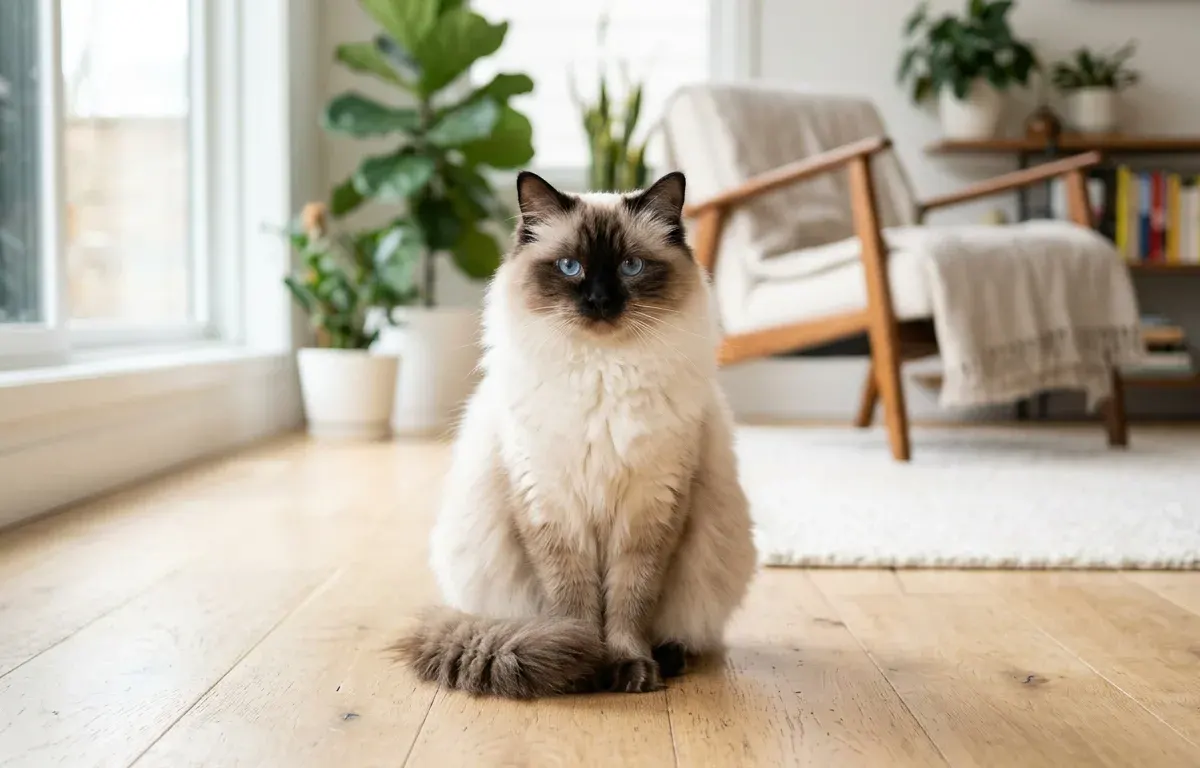
Many prospective owners ask: are Ragdoll cats hypoallergenic? The scientific answer is no. Like all domestic feline breeds, Ragdolls naturally produce the Fel d 1 protein in their saliva, skin secretions, and urine. Because hypoallergenic implies a reduced or non-existent allergic response, no recognized feline registry or allergy association classifies the Ragdoll as a hypoallergenic cat breed.
- Ragdoll cats produce standard levels of the primary feline allergen protein Fel d 1.
- Cat hair itself does not cause allergies; hair carries microscopic dander and dried saliva particles through the home.
- A single coat without a dense undercoat means Ragdolls shed less loose hair than double coated breeds, which can lower airborne dander spread.
- Neutering male cats, using high-efficiency particulate air (HEPA) filters, and feeding allergen-neutralizing diets help manage mild allergy symptoms.
What Does Hypoallergenic Actually Mean?
In popular usage, prospective owners often ask if Ragdolls are hypoallergenic cats, assuming the term means completely allergy-free. However, the prefix “hypo-” originates from Ancient Greek, meaning under, below, or less than normal. In medical terminology, a hypoallergenic pet would produce significantly lower allergen levels than average, rather than zero allergens.
According to the American Academy of Allergy, Asthma & Immunology (ACAAI), true allergy-free cat breeds do not exist. Every domestic cat releases proteins that trigger immune responses in sensitive individuals. While certain breeds might shed less fur or exhibit genetic variations in protein secretion, no cat is genuinely risk-free for someone with severe feline allergies.
The Real Cause of Cat Allergies (It Is Not Fur)
A common myth holds that cat hair triggers allergic sneezing, watery eyes, and skin hives. In reality, cat fur is simply the delivery vehicle for microscopic proteins. The primary culprit behind roughly 90% of cat allergies in humans is a glycoprotein known as Fel d 1.
Felines secrete Fel d 1 through their sebaceous glands in the skin and their salivary glands. When a cat grooms itself, saliva coats the fur. As the saliva dries, it forms microscopic flakes called dander. Because dander particles are microscopic and lightweight, they remain suspended in household air for hours and cling easily to carpets, furniture, and clothing. Research published by the Asthma and Allergy Foundation of America (AAFA) confirms that airborne cat dander is significantly smaller than pollen grains, allowing it to penetrate deep into human bronchial airways and trigger respiratory symptoms.
Why Many People Blame Cat Hair
Cat hair is visible to the naked eye, whereas dander and salivary proteins are invisible. When owners see shedding fur on couches or blankets, they naturally associate the hair with their allergic reactions. However, shaving a cat or choosing a hairless breed does not eliminate dander production, as skin glands continue releasing Fel d 1 into the environment.
Why Ragdolls Feel Allergy-Friendlier to Some Owners
Despite scientific consensus that no Ragdoll cat is hypoallergenic, some cat lovers report fewer allergic reactions around Ragdolls compared to other breeds. This phenomenon stems from specific physical and behavioral traits rather than lower protein toxicity.
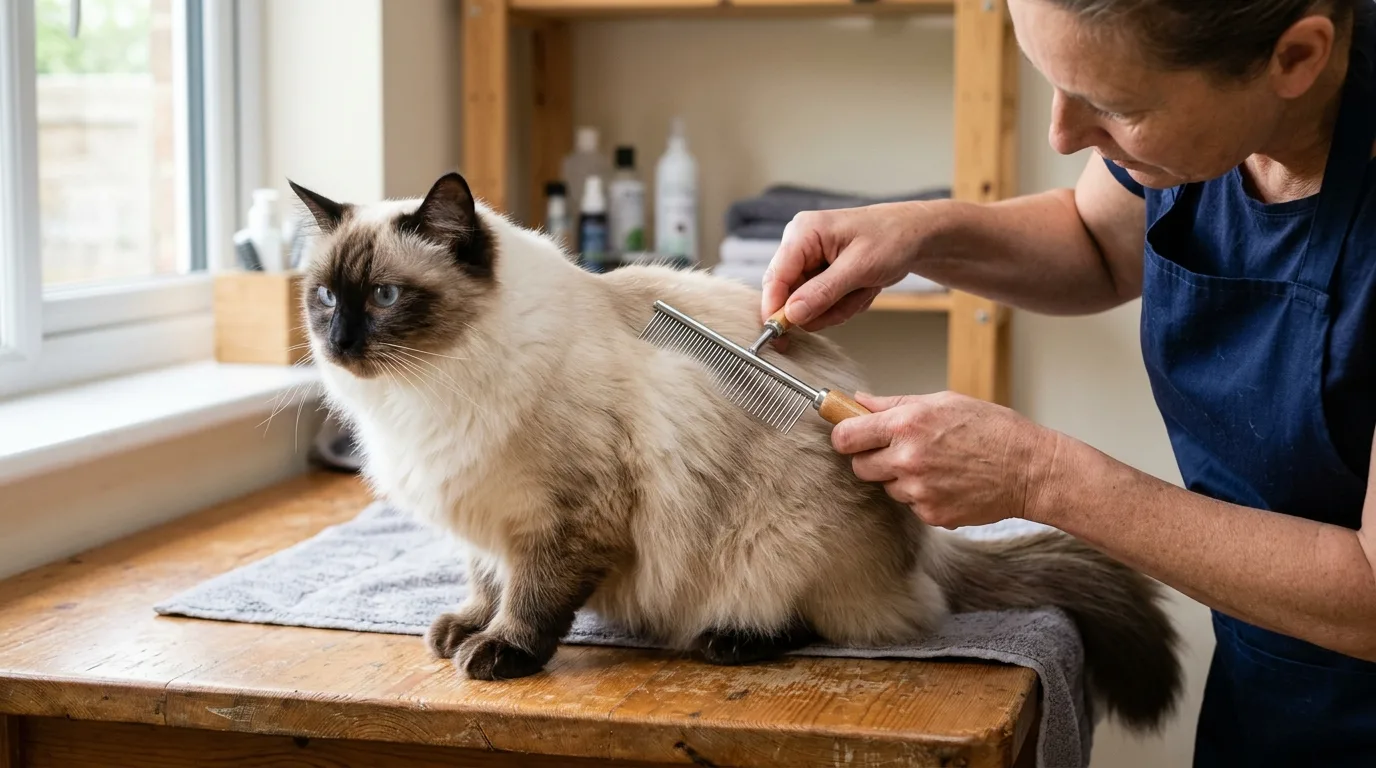
First, Ragdolls possess a single-layer coat consisting mostly of guard hairs, lacking a dense woolly undercoat. As a result, they shed far less loose fur than double-coated breeds like the Persian or Maine Coon. Routine grooming habits and proper caring for a Ragdoll cat’s coat prevent excessive matting and reduce the volume of dander shed around the house.
Second, the famously relaxed, indoor-oriented lifestyle and calm temperament of Ragdoll cats mean they spend less time frantically running or jumping across high furniture, which minimizes the mechanical dispersion of dander into high-velocity airflow.
Are Ragdoll Cats Suitable for People With Allergies?
Many pet lovers wonder if Ragdoll cats are good for people with allergies before bringing one home. While no cat is completely allergy-free, Ragdolls can be a good option for individuals with mild feline sensitivities if proper household allergen controls are implemented.
Living With Mild Cat Allergies
Individuals with mild sensitivity (occasional sneezing or light eye itching) can often live comfortably with a Ragdoll cat. Success requires establishing clear environmental boundaries, such as keeping the cat out of the bedroom, utilizing air purifiers, and washing hands after petting sessions.
Moderate to Severe Cat Allergies
For individuals with moderate to severe asthma or acute allergic reactions, living with a Ragdoll cat carries a high risk of chronic symptoms. Because Ragdolls shed dander continuously, air purification alone cannot prevent allergen accumulation. Before making a financial commitment or evaluating the adoption costs for a Ragdoll cat, prospective owners with strong allergic responses must proceed with caution. Furthermore, owners evaluating broader health considerations should review potential Ragdoll cat health issues before bringing a kitten home.
Note: Severe cat allergies can escalate into allergic asthma or chronic sinus inflammation. Always consult a board-certified allergist for medical testing before introducing any feline into your household.
Cat Breeds With Lower Allergen Impact for Comparison
If you are exploring pets for an allergic household, comparing feline and canine options provides helpful perspective. While no cat is 100% hypoallergenic, certain feline breeds like the Balinese and Siberian are observed to produce lower baseline concentrations of Fel d 1 protein in their saliva. However, large-scale peer-reviewed studies confirming consistent breed-wide reduction remain limited.
For households open to other companion animals, questioning whether French Bulldogs are hypoallergenic reveals that dogs produce distinct allergen proteins (Can f 1 and Can f 2). While French Bulldogs shed short hair, they still shed dander. Comparing how French Bulldogs as family pets interact in allergy-conscious homes illustrates that environmental hygiene is vital regardless of whether you choose a cat or a dog.
How to Reduce Allergen Exposure With a Ragdoll
If you are determined to bring a Ragdoll into your life, combining multiple reduction strategies yields the best clinical outcome:
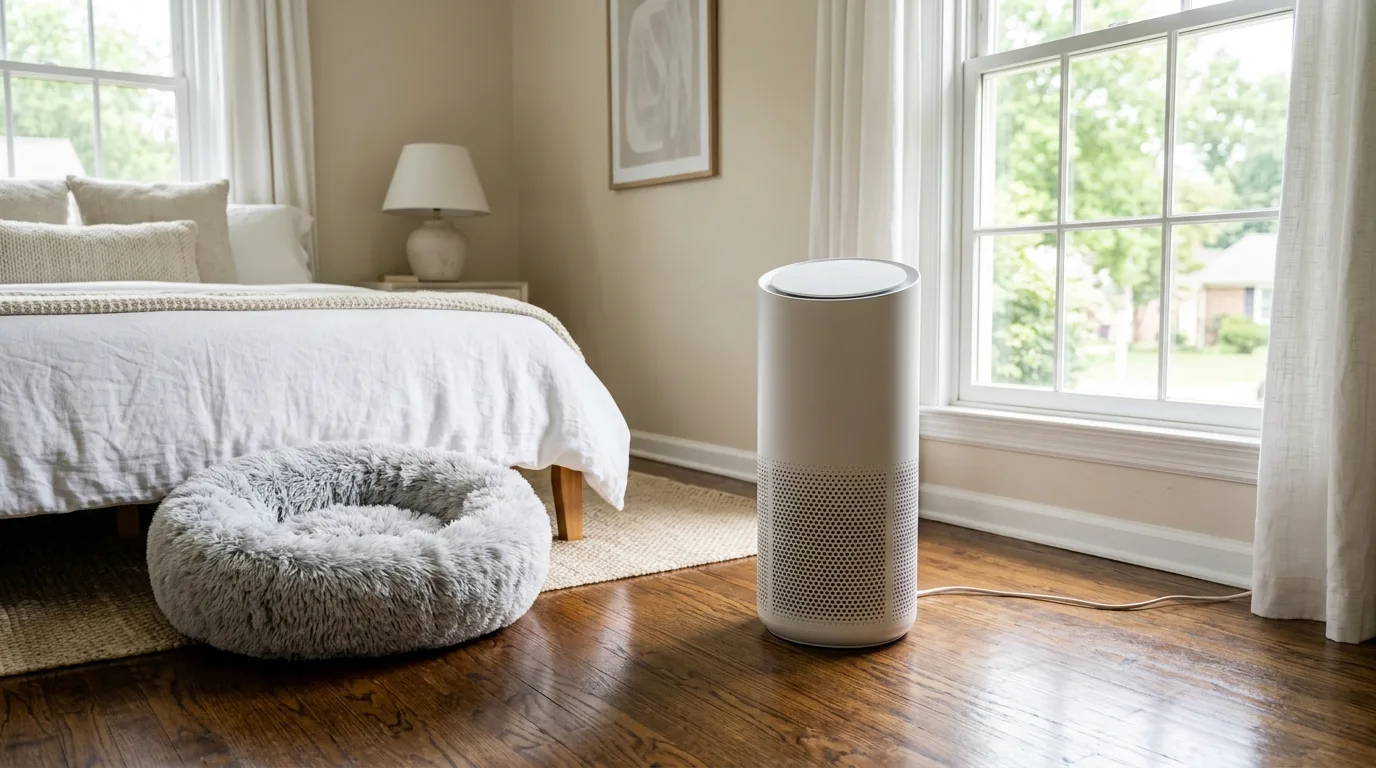
- Deploy High-Efficiency Air Filtration: Place HEPA air purifiers in main living areas and bedrooms. HEPA filters trap airborne particles down to 0.3 microns, capturing floating cat dander.
- Implement an Allergen-Neutralizing Diet: Feed your cat diets containing egg-derived IgY antibodies, such as Purina Pro Plan LiveClear. Clinical studies published by the Purina Institute show this diet neutralizes active Fel d 1 in feline saliva, reducing active dander allergens by an average of 47% after three weeks of daily feeding.
- Establish Feline-Free Sanctuary Zones: Keep bedroom doors strictly closed at all times. Sleeping in an allergen-free environment gives your respiratory system eight hours of recovery each night.
- Regular Grooming and Hard Surface Cleaning: Vacuum upholstered furniture weekly using a HEPA-sealed vacuum cleaner, and wipe down hard surfaces with damp cloths.
When designing a clean living routine for sensitive households, looking at how other popular breeds thrive, such as Pugs as indoor pets, demonstrates that consistent vacuuming and washable bedding benefit every home environment.
Key Considerations Before Adopting a Ragdoll
Before adopting a Ragdoll cat, arrange multiple trial visits with an adult cat of the same breed. Spending 60 to 90 minutes in a closed room with a Ragdoll allows you to gauge your personal immune reaction before making a long-term commitment.
Additionally, considering long-term care, overall commitment, and Ragdoll cat lifespan and health ensures your household is fully prepared for a 12 to 15 year journey together.
Frequently Asked Questions
Do Ragdoll cats shed a lot of hair?
Ragdoll cats shed a moderate amount of hair. Because they lack a dense undercoat, they shed significantly less hair than double-coated breeds, but they still require weekly brushing to remove loose guard hairs.
Are male or female Ragdoll cats less allergic?
Intact male cats secrete the highest levels of Fel d 1 protein due to testosterone stimulation. Neutered males and female cats produce significantly lower allergen levels, making neutered Ragdolls a better choice for allergic owners.
Can you build immunity to Ragdoll cat allergens?
Some owners report developing natural tolerance over months of exposure to a specific pet, but medical science does not guarantee this outcome. Immunotherapy (allergy shots or sublingual drops prescribed by an allergist) is the only proven clinical method to build long-term immunity to cat allergens.
Leave a Reply