
Table of Contents
Caring for a Maine Coon requires a consistent weekly grooming schedule, a protein-rich moisture-dense diet, heavy-duty environmental furniture, and regular preventative veterinary monitoring. Because Maine Coons are a slow-maturing giant breed that grows until 3 to 5 years of age, their husbandry demands large-scale litter boxes, 2 to 3 weekly combing sessions to prevent painful mats in their triple-layered coat, and proactive screening for breed-specific genetic conditions such as Hypertrophic Cardiomyopathy (HCM) and hip dysplasia.
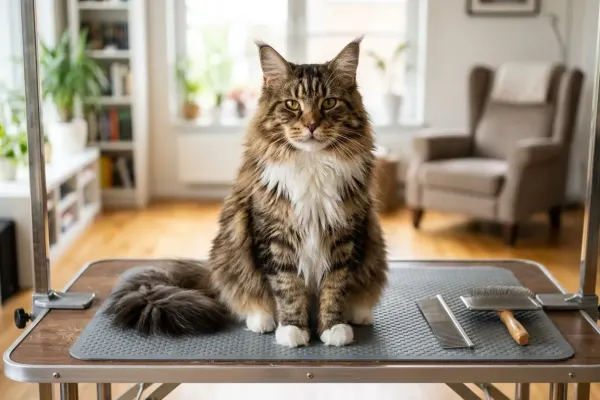
- Comb the semi-long, water-resistant coat 2 to 3 times weekly using a wide-toothed metal comb and slicker brush to manage undercoat mats.
- Feed a high-protein, species-appropriate diet with controlled portions and abundant fresh water to protect kidney function and prevent joint-straining obesity.
- Provide heavy, reinforced cat trees and jumbo litter boxes measuring at least 1.5 times your cat's body length.
- Schedule annual veterinary wellness visits with echocardiogram screening and dental checkups to monitor for hereditary cardiac and orthopedic issues.
- Dedicate 20 to 30 minutes daily to interactive play, puzzle feeders, and climbing activities to satisfy their high intelligence and social drive.
How to Care for Maine Coon
Maine Coons are renowned for their rugged build, tufted paws, and gentle, dog-like temperaments. As one of the largest domesticated feline breeds, their daily care routine combines standard feline husbandry with specific management practices tailored to their substantial size and heavy, semi-long coat.
Setting Up the Living Environment: Space, Scratching Posts, and Daily Routine
Because an adult Maine Coon can reach lengths of 30 to 40 inches from nose to tail tip, standard commercial cat furniture often proves unstable or undersized. Creating a safe indoor territory requires robust, heavy-duty structures that support cats weighing up to 25 pounds without wobbling.
Key environmental setup requirements include:
- Heavy-Duty Climbing Trees: Select cat trees constructed from solid wood or thick PVC with broad baseplates (at least 24 by 24 inches). Perches must measure at least 18 by 22 inches so your cat can sprawl comfortably without hanging off the edges.
- Tall Scratching Posts: Maine Coons stretch fully while marking territory and conditioning their claws. Install sturdy vertical sisal posts at least 32 to 36 inches high, or provide durable horizontal wooden scratchers.
- Elevated Lounging Areas: Position wide window hammocks or wall-mounted shelving secured directly into wall studs. Maine Coons enjoy surveying their household from a secure, elevated vantage point.
- Predictable Daily Schedules: Establish fixed times for morning feeding, mid-day social interaction, evening grooming, and nighttime play to reduce stress and prevent attention-seeking vocalizations.
When organizing home pet care routines and environmental setups, consulting structural design frameworks from Michigan State University provides a disciplined model for categorizing daily and weekly animal husbandry protocols.
Grooming Routine and Managing Seasonal Shedding
The Maine Coon sports a distinctive three-layer, all-weather coat consisting of a soft undercoat, a slightly coarser mid-coat, and long, glossy guard hairs. While their fur is naturally silky and less prone to severe matting than a Persian coat, neglecting routine brushing quickly leads to painful tangles in high-friction friction zones: the armpits, groin, belly, rear britches, and behind the ears.
Follow this systematic grooming protocol 2 to 3 times per week:
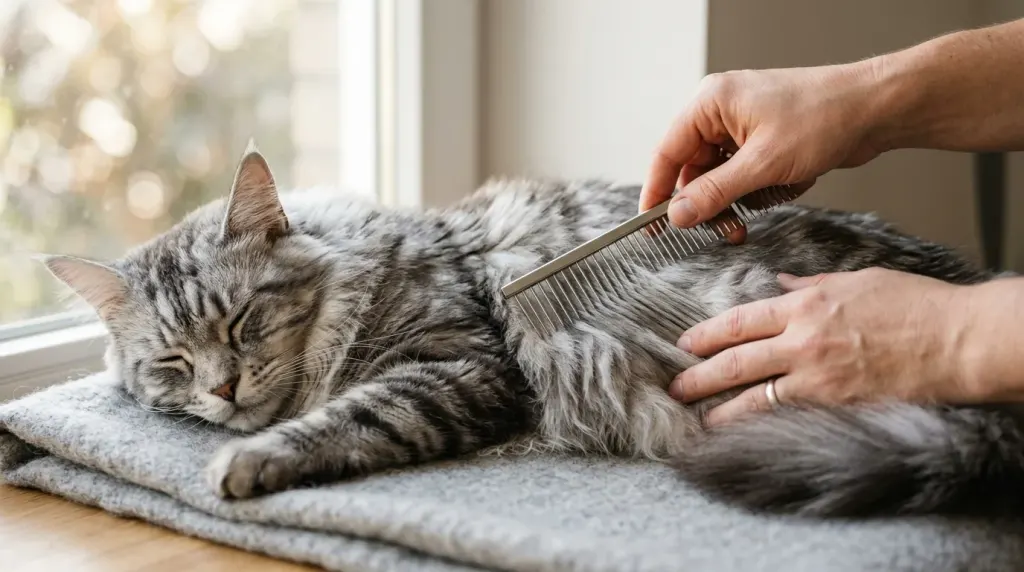
- Step 1: Line Combing with a Wide-Toothed Metal Comb: Part the fur in sections and gently comb from the skin outward. A stainless steel greyhound comb with rounded teeth penetrates the dense undercoat without scratching the skin.
- Step 2: Loose Undercoat Removal: Use a gentle slicker brush across the back, flanks, and ruff to lift dead hair before your cat ingests it during self-grooming, significantly reducing hairball formation.
- Step 3: Seasonal Molt Management: During major shedding shifts in spring and autumn, increase combing sessions to 4 to 5 times weekly. An undercoat de-shedding rake used with light, even pressure helps clear loose seasonal fur without damaging the protective topcoat.
While longhaired cats rely heavily on dry line-combing rather than frequent water immersion, reviewing bathing frequency for French Bulldogs illustrates how coat textures dictate wildly different grooming routines across companion animals. Never shave a healthy Maine Coon down to the skin unless severe, untreatable matting presents a medical emergency. Their multi-layered coat acts as a natural thermoregulatory barrier against both cold drafts and ambient heat, while shielding sensitive skin from mechanical friction and ultraviolet exposure.
Bathing and Hygiene Care: Ears, Teeth, and Nails
Most Maine Coons have an innate curiosity about water, making bathing more manageable than with many other breeds. However, routine full-body baths are only necessary every 8 to 12 weeks, or when the coat feels excessively greasy or accumulates debris.
- Bathing Technique: Dilute a cat-specific degreasing or conditioning shampoo in warm water. Work the lather thoroughly through the water-repellent outer coat down to the undercoat. Rinse completely, as shampoo residue causes dry, itchy skin. Gently towel dry and allow the cat to rest in a warm, draft-free room until fully dry.
- Ear Inspection and Cleaning: Check the ear canals weekly for excessive dark wax, odor, or redness. Clean the outer ear flap using a damp cotton pad moistened with a veterinary ear-cleansing solution. When inspecting the inner ear canal for debris or ear mites, adopting established ear sanitation methods for French Bulldogs with veterinarian-approved topical cleansers keeps delicate tissue free of infection. Never insert cotton swabs directly into the ear canal.
- Dental Hygiene: Maine Coons can be predisposed to gingivitis and periodontal inflammation. Brush teeth 2 to 3 times weekly using a soft finger brush and enzymatic feline toothpaste. Never use human toothpaste, which contains toxic foaming agents and artificial sweeteners like xylitol.
- Nail Trimming: Clip the sharp translucent tips of the claws every 2 to 3 weeks using specialized feline claw trimmers, being careful to avoid the pink vascular quick inside the nail base.
Nutrition, Hydration, and Weight Management
Maine Coons possess a prolonged growth phase, frequently taking up to five full years to reach their ultimate muscular frame. Meeting their nutritional demands requires balanced caloric density without overloading developing skeletal joints.
| Nutritional Component | Recommended Target | Purpose for Maine Coons |
|---|---|---|
| Crude Protein | ≥40% to 50% Dry Matter Basis | Supports extensive lean muscle mass and structural growth |
| Crude Fat | 15% to 20% Dry Matter Basis | Provides concentrated energy and essential fatty acids |
| Omega-3 Fatty Acids (EPA/DHA) | High (marine fish oil sources) | Promotes dense coat gloss, reduces skin flaking, and supports joint cartilage |
| Moisture Content | ≥70% (Wet Food / Pouch Diet) | Protects feline renal function and prevents lower urinary tract crystallization |
| Carbohydrates | <10% to 15% Dry Matter Basis | Prevents insulin resistance, excess abdominal fat, and hepatic lipidosis |
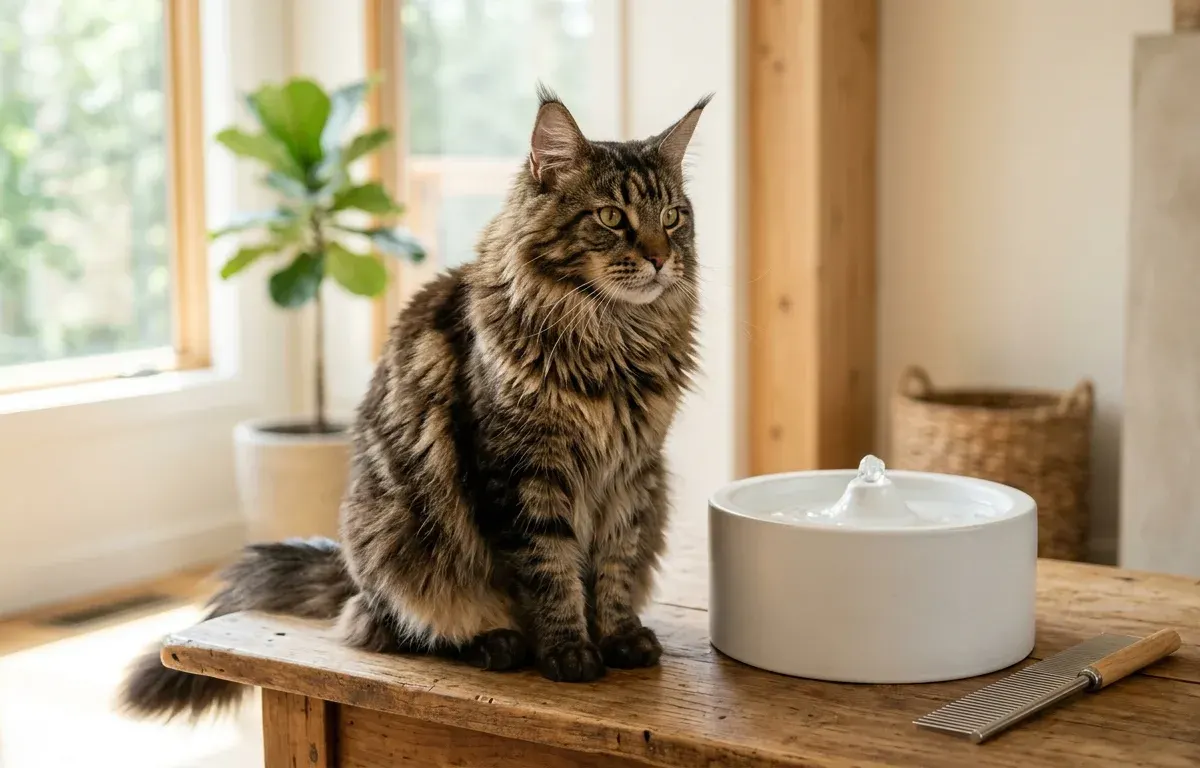
Because domestic cats possess a low natural thirst drive, encourage daily water intake by placing wide ceramic or stainless steel pet fountains throughout the home. Flowing water appeals to a Maine Coon’s natural playfulness and helps safeguard long-term kidney and bladder health.
Physical Exercise and Mental Stimulation
Despite their imposing size, Maine Coons maintain an energetic, playful spirit well into their senior years. Without adequate physical outlets, bored cats may develop destructive scratching habits or excessive nighttime vocalization.
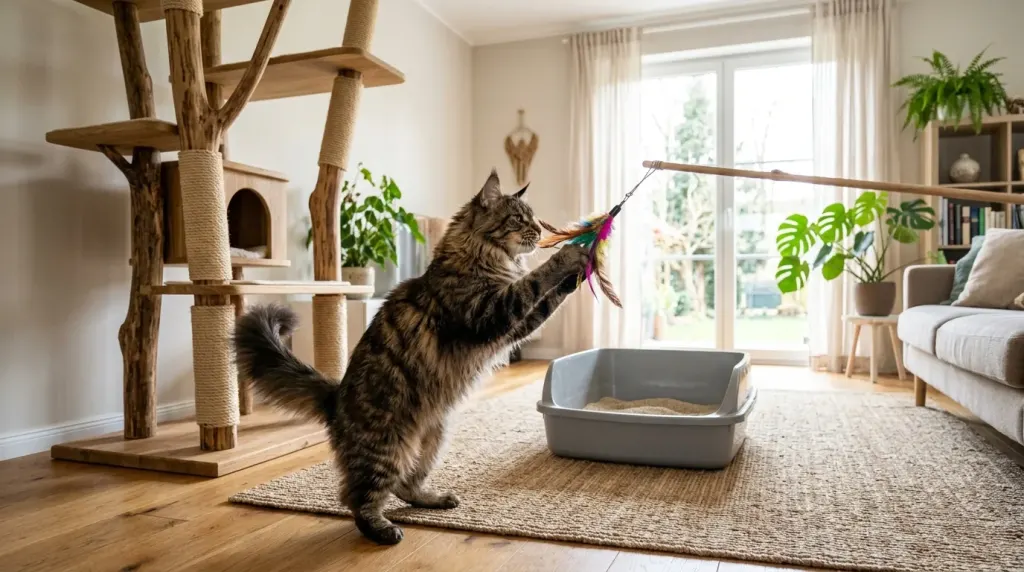
- Interactive Play: Schedule two 10 to 15-minute interactive play sessions daily using feather wands, laser pointers, and motorized chaser toys to simulate hunting behaviors.
- Puzzle Feeders and Foraging Mats: Serve dry kibble or freeze-dried meat treats inside sliding puzzle boards or rolling treat dispensers to engage their sharp problem-solving instincts.
- Leash Training and Outdoor Enclosures: Many Maine Coons take readily to walking on a secure, chest-style feline harness. A fully enclosed outdoor catio provides fresh air and visual enrichment while protecting your cat from traffic, predators, and infectious pathogens.
Preventative Veterinary Care and Health Monitoring
Proactive veterinary care forms the cornerstone of a long, comfortable life for large felines. Schedule comprehensive physical examinations annually until age seven, transitioning to bi-annual wellness checks for senior cats.
Key clinical screening targets include:
- Echocardiogram Screening for Hypertrophic Cardiomyopathy (HCM): An ultrasound of the heart performed by a board-certified veterinary cardiologist assesses left ventricular wall thickness and blood flow. Breeding lines should also be genetically tested for the MYBPC3 A31P mutation.
- Orthopedic Evaluations for Hip Dysplasia: Due to their heavy frame, Maine Coons can develop joint laxity and secondary osteoarthritis. Early radiographic evaluations assist in developing targeted joint-support regimens before mobility declines.
- Spinal Muscular Atrophy (SMA) Testing: A simple DNA cheek swab detects this inherited neuromuscular disorder affecting lower motor neurons in the spinal cord.
- Routine Laboratory Work: Annual baseline blood chemistry panels, complete blood counts (CBC), and urinalysis detect early renal insufficiency or metabolic shifts before clinical symptoms manifest.
Note: If your Maine Coon displays sudden exercise intolerance, open-mouth breathing, persistent coughing, or sudden weakness in the hind limbs, seek urgent veterinary medical care. These symptoms can signal acute cardiovascular decompensation or aortic thromboembolism.
How to Take Care of Maine Coon
Structuring your care routine into predictable intervals ensures that vital health checks, coat maintenance, and environmental hygiene occur smoothly throughout your cat’s life.
| Interval | Core Care Responsibilities | Estimated Duration |
|---|---|---|
| Daily | Measured feeding, fresh water fountain refill, litter scooping, 2-minute underarm comb-through | 10-15 minutes |
| Weekly | Full-body line combing, ear/eye hygiene check, dental brushing, feeding station sanitization | 25-35 minutes |
| Monthly | Digital weight check, claw clipping, complete litter box disinfection, bedding wash | 45-60 minutes |
Daily Care Checklist
A consistent 10-minute daily checklist keeps your Maine Coon healthy and catches minor issues before they escalate:
- Portion-Controlled Feeding: Divide total daily caloric intake into 2 to 3 measured meals rather than free-feeding dry food, helping prevent excess weight gain.
- Fresh Hydration: Clean and refill water bowls and inspect pet fountain filters for hair accumulation.
- Litter Box Maintenance: Scoop solid waste and wet clumps at least twice daily to maintain hygiene for large cats.
- Targeted 2-Minute Comb-Through: Run a metal comb quickly through the high-friction friction zones (underarms and groin) to prevent emerging knots from turning into felted mats.
- Behavioral Observation: Monitor appetite, energy levels, litter box habits, and vocalization patterns for subtle shifts.
Implementing consistent information workflows, as detailed in educational publications from the Iowa State University CALS team, ensures critical health checks and hydration routines are systematically completed each day.
Weekly and Monthly Maintenance Schedules
Complement your daily routine with structured weekly and monthly tasks:
- Weekly Tasks:
- Perform a thorough 20-minute line-combing session across the entire body.
- Inspect inner ear canals, clean any visible outer debris, and wipe tear stains from the eye corners with a damp cloth.
- Brush teeth with feline enzymatic toothpaste.
- Wash food dishes and sanitize the main feeding station.
- Monthly Tasks:
- Perform regular weight tracking on a digital pet scale to identify unexpected fluctuations. If monthly weigh-ins reveal steady weight creep, adopting disciplined calorie restriction plans for Pug dogs and companion pets protects vital joint cartilage from excess mechanical strain.
- Clip all claws on front and rear paws.
- Completely empty, disinfect, and refill all litter boxes with fresh unscented litter.
- Launder pet bedding and vacuum upholstered cat tree perches to remove dander and shed fur.
Life Stage Transitions: Kitten, Adult, and Senior Care
A Maine Coon’s physiological requirements shift significantly as they progress from energetic youth to their mature and senior years:
| Life Stage | Primary Focus | Nutrition & Veterinary Strategy |
|---|---|---|
| Kittenhood (0-12 Months) | Skeletal growth & socialization | High-protein/calorie kitten diet with DHA; habituate to handling, bathing, and carriers |
| Junior (1-3 Years) | Frame development & lean muscle | High-protein adult maintenance diet; active play to prevent juvenile weight gain |
| Mature Adult (3-7 Years) | Weight control & organ health | Controlled calorie intake; annual wellness checks with cardiac auscultation/echocardiogram |
| Senior (8+ Years) | Joint mobility & renal support | Senior moisture-dense diet with joint supplements; bi-annual blood chemistry & blood pressure checks |
- Kittenhood (0 to 12 Months): Feed a nutrient-dense, high-calorie growth formula rich in DHA for neurological development. Young kittens require 16 to 20 hours of restorative rest per day, a developmental pattern closely mirroring the developmental sleep needs of puppies during rapid physical growth stages. Socialize kittens to carrier transport, claw clippers, water exposure, and handling of paws and ears.
- Junior Development (1 to 3 Years): Transition gradually to a balanced adult formula once skeletal growth stabilizes. Maintain vigorous interactive play to build lean muscle mass while monitoring body condition score to prevent juvenile obesity.
- Mature Adulthood (3 to 7 Years): Focus on weight maintenance, preventative dental care, and baseline genetic and cardiac health screenings.
- Senior Years (8+ Years): Transition to easily digestible, joint-supporting senior diets containing glucosamine, chondroitin, and omega-3 fatty acids. Senior wellness strategies focus heavily on renal preservation and mobility support to optimize longevity. Provide low-sided litter boxes and ramps to favorite climbing spots to accommodate arthritic joints.
How to Care for Maine Coon Cats
Caring for giant domestic cats involves managing unique behavioral traits, specific litter box ergonomics, and social dynamics that set them apart from standard domestic shorthairs.
Litter Box Setup and Hygiene for Giant Cats
Standard commercial litter boxes measure roughly 18 by 14 inches, which is far too cramped for an adult Maine Coon measuring up to 3 feet long. When a litter box is too small, cats may accidentally eliminate over the sides or develop litter box aversion due to discomfort.
Implement these best practices for litter box management:
- Box Sizing: Provide jumbo commercial open litter pans measuring at least 24 by 30 inches, or repurpose smooth-sided heavy plastic storage totes by cutting a low entry door (5 to 6 inches high) on one side.
- Box Count Rule: Follow the standard feline formula of one litter box per cat plus one extra (for example, three boxes for a two-cat home), placed on different levels of the house.
- Litter Selection: Use fine-grained, unscented clumping clay or soft natural wood litters. Avoid harsh artificial fragrances or crystal litters that feel sharp on large paws.
- Box Placement: Position boxes in quiet, low-traffic areas with clear sightlines so your cat feels secure and cannot be trapped by other pets. Establishing dedicated elimination stations is just as crucial for giant felines as housebreaking routines are when establishing a daily care routine for a Pug dog in indoor living spaces.
Indoor Enrichment and Preventing Behavioral Stress
Maine Coons are highly social, interactive cats that thrive on companionship. While they adapt well to indoor living, prolonged isolation can lead to behavioral distress or depression.
- Interactive Social Dynamics: Maine Coons often follow their human companions from room to room, trilling and chirping rather than meowing loudly. Their outgoing, affable personality makes them naturally suited for multi-pet environments, harmonizing seamlessly with families already caring for a French Bulldog through calm, supervised introductions.
- Visual Enrichment: Position sturdy perches near outdoor bird feeders or sunny windows to provide stimulating visual interaction throughout the day.
- Multiple Territory Zones: In multi-pet households, provide separate feeding stations, water sources, and resting spots to prevent territorial competition and maintain calm social harmony.
Reproductive Health and Spay/Neuter Considerations
Discuss the timing of spay or neuter procedures with your veterinarian. Because Maine Coons mature slowly, some veterinarians recommend performing gonadectomy between 6 and 12 months of age to support optimal growth plate closure, while ensuring surgery occurs before sexual maturity triggers territorial urine marking or unwanted behavioral cycles.
Are Maine Coons Hard to Take Care Of?
Prospective owners often wonder whether a Maine Coon’s impressive stature and thick coat translate to an overwhelming care burden. The realistic answer depends on your willingness to commit regular time and financial resources to their daily maintenance.
The Main Care Challenges: Grooming, Diet, and Genetic Health
While Maine Coons possess calm, easygoing personalities, three primary factors elevate their maintenance requirements above those of a typical domestic shorthair:
- Mandatory Coat Commitment: You cannot skip brushing for weeks without consequences. Neglected fur quickly forms dense mats that pull on delicate skin, requiring professional dematting or veterinary intervention.
- Higher Food and Supply Expenses: An active 20-pound cat consumes substantially more high-quality protein than an 8-pound cat, resulting in larger monthly expenditures for premium wet food, litter, and oversized furniture. Prospective owners comparing giant feline care requirements often evaluate physical proportions alongside the size expectations for Ragdoll cats before selecting a breed.
- Potential Genetic Health Risks: Hereditary conditions like HCM and hip dysplasia necessitate proactive veterinary screening budgets, pet insurance coverage, and careful health monitoring over their lifetime.
When compared to other longhaired breeds, Maine Coons are often easier to groom than Persians due to their silkier, less woolly undercoat. However, both giant longhaired breeds require dedicated weekly brushing, generous indoor space, and attentive dietary management to thrive.
Practical Commitment: Time, Budget, and Living Space
Before welcoming a Maine Coon into your home, evaluate whether your lifestyle aligns with their ongoing care needs:
| Care Dimension | Typical Resource Commitment | Practical Management Tips |
|---|---|---|
| Grooming Time | 15 to 25 minutes, 3 times weekly | Keep greyhound combs and slicker brushes accessible in living areas |
| Daily Interaction | 30 to 45 minutes daily | Combine grooming, interactive wand play, and puzzle feeding |
| Monthly Budget | $120 to $220 per month | Covers premium high-protein food, litter, treats, and wellness reserves |
| Veterinary & Insurance | $50 to $100 per month | Invest in comprehensive pet insurance early before pre-existing conditions arise |
| Living Space | Adaptable to apartments if vertical space is optimized | Install sturdy wall shelves and tall climbing trees to maximize vertical territory |
Monthly food, premium clumping litter, and routine preventative wellness expenditures regularly total $120 to $220, aligning closely with typical maintenance expenses and the initial cost breakdown for a Ragdoll cat or other medium-maintenance companion animals.
Who Is Best Suited for a Maine Coon?
Maine Coons make exceptional companions for individuals and families who appreciate a friendly, communicative, and involved pet. They are ideal for owners who enjoy hands-on grooming, have sufficient room for large litter boxes and climbing furniture, and spend adequate time at home each day. Owners prepared for the financial responsibility of routine cardiac screenings and premium nutrition will find the investment rewarded by an affectionate, loyal companion. Conversely, individuals seeking a low-maintenance, self-sufficient cat that requires minimal grooming and small food portions may find a domestic shorthair better suited to their lifestyle.
Frequently Asked Questions About How to Care for a Maine Coon
How much daily time does grooming a Maine Coon take?
On average, a basic maintenance session takes 5 to 10 minutes per day, or roughly 20 to 25 minutes during a dedicated session 2 to 3 times per week. Consistent, brief daily comb-throughs of high-friction areas like the armpits and rear britches prevent stubborn mats, saving time and keeping the experience pleasant for your cat.
What are the earliest warning signs of Hypertrophic Cardiomyopathy in Maine Coons?
Early-stage HCM is frequently silent and asymptomatic, which is why annual veterinary auscultation and periodic echocardiograms are crucial. As the condition advances, potential clinical signs include lethargy, decreased appetite, rapid or labored breathing at rest (greater than 30 breaths per minute), exercise intolerance, coughing, or sudden weakness in the rear limbs.
How often should an indoor Maine Coon be bathed?
Most indoor Maine Coons only require a full bath every 2 to 3 months. Frequent brushing removes the majority of shed hair, dirt, and dander. Bathing is typically reserved for occasions when the coat feels oily, accumulates litter debris, or when managing heavy seasonal molting cycles.
Can Maine Coons be left alone during standard workdays?
Maine Coons can comfortably manage standard 8-hour workdays provided their indoor environment is enriched with puzzle feeders, scratching posts, fresh water fountains, and window perches. However, because they are deeply social animals that bond closely with their human family, they should not be left alone for multiple days without dedicated daily pet-sitting and interactive companionship.
Leave a Reply