
Table of Contents
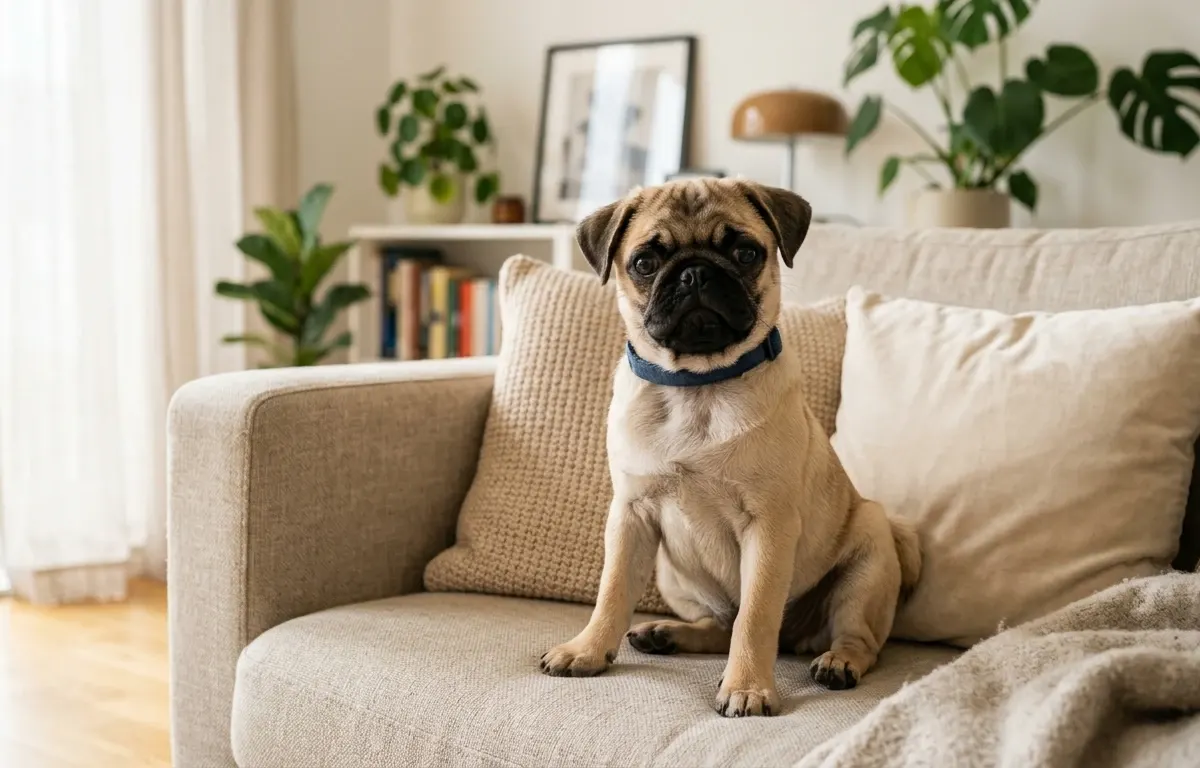
When prospective pet owners ask, "are pugs friendly dogs?", the answer is a clear yes. Pugs are exceptionally friendly, gentle, and affectionate companion dogs. Developed over centuries specifically for human companionship, they form deep bonds with families, show minimal aggression toward strangers, and get along naturally with children and other pets when provided with basic socialization.
- Pugs possess a naturally gentle and social temperament shaped by centuries of selective breeding as companion lap dogs.
- They adapt easily to family life, getting along well with children and other household animals.
- Pugs make poor guard dogs because their instinctive reaction to newcomers is curiosity and warmth rather than suspicion.
- Their strong attachment to owners means they require regular companionship to prevent separation anxiety and clinginess.
- Discomfort from skin, ear, or respiratory issues can affect mood, making regular veterinary care essential for a happy demeanor.
Pug Temperament Overview
The Pug is widely recognized for its cheerful, affectionate, and even-tempered personality. Unlike working breeds developed for hunting, guarding, or herding, the Pug was bred exclusively to provide warm human companionship. This distinct purpose has shaped a dog that thrives on social contact and actively seeks to be part of daily household activities.
When prospective owners ask if pugs are nice dogs for indoor living, breed historians point to their ancient origins in China around 400 BC, where they lived as cherished companions to emperors and Buddhist monks. Because aggressive or highly reactive traits were selectively avoided over generations, modern pugs are sweet dogs that display a remarkably low tendency toward territorial defense or unprovoked snapping.
Canine authorities confirm this gentle nature. According to official breed documentation from The Kennel Club, pugs are defined by an even-tempered, happy, and lively disposition, showing great charm, dignity, and intelligence. The standard captures this compact yet substantial companion temperament with the traditional phrase multum in parvo, describing a steady, affectionate personality shaped by generations of dedicated domestic living.
This background makes them especially appealing for owners looking into pugs as dedicated lap dogs that prefer curling up next to family members over vigorous outdoor tasks. Their balanced disposition allows them to settle calmly into domestic routines, providing steady companionship throughout the day. Exploring a complete Pug dog breed guide helps prospective owners understand how their friendly personality aligns with daily grooming, nutrition, and exercise routines.
How Pugs Interact with People
Pugs are famously people-oriented animals. They do not merely tolerate human interaction; they depend on it for their emotional well-being. For anyone wondering if pugs are affectionate dogs, the answer is immediately apparent to anyone who shares a home with one. They frequently follow their owners from room to room, earning the nickname “velcro dogs.”
Their physical affection is equally pronounced. Pugs are cuddly dogs that enjoy sleeping at your feet, resting their chin on your lap, or curling up beneath a blanket on the sofa. Because they are deeply loving dogs, they respond best to soft verbal cues and positive encouragement. Harsh corrections can cause sensitive individuals to withdraw emotionally.
Pugs with Children and Other Pets
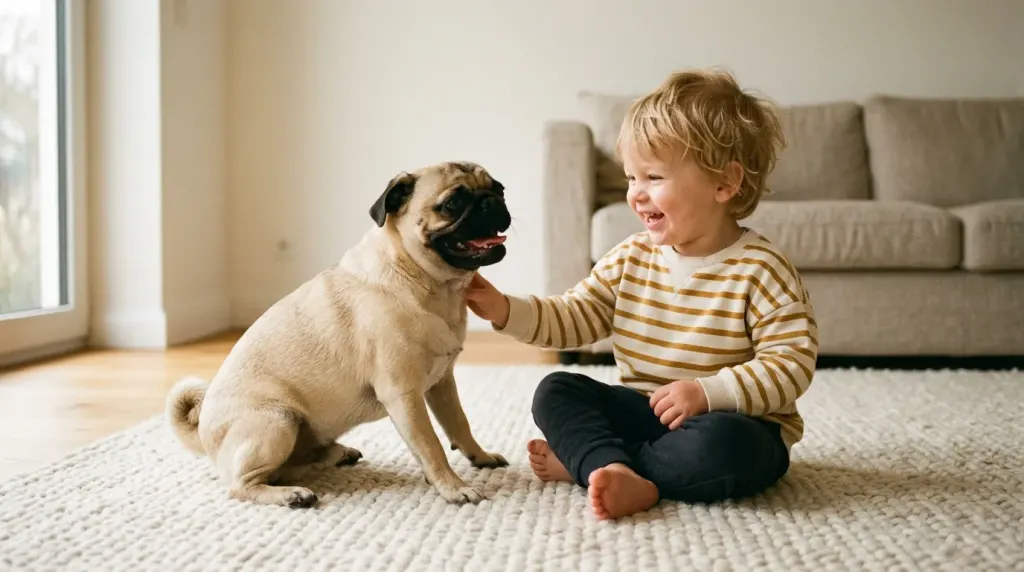
Pugs generally excel as family companions in households with children. Their sturdy, heavy-boned body structure allows them to tolerate the occasional clumsy movement of younger kids better than fragile toy breeds. Furthermore, their low prey drive means they rarely chase smaller household animals.
According to the PDSA breed guide, pugs thrive in family settings and tolerate respectful handling well, though children must be taught to protect the dog’s prominent eyes during playtime. Because their shallow eye sockets leave the cornea vulnerable to accidental scratches, rough play should always be redirected into gentle petting and supervised games.
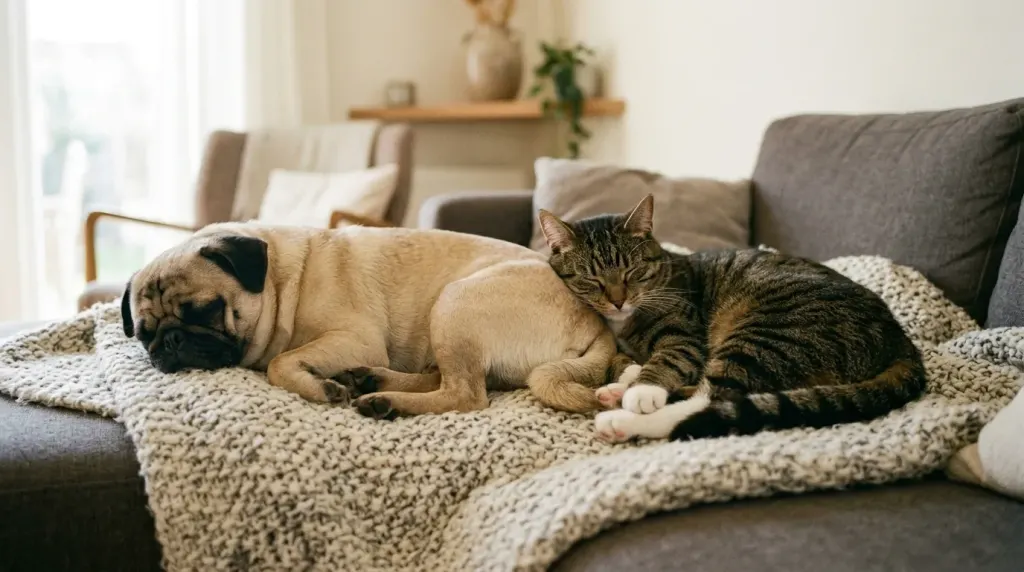
Families evaluating pugs as good family dogs will appreciate their natural ability to share living quarters with cats, rabbits, and other dogs. In multi-pet homes, pugs often seek out fellow animals as nap companions rather than attempting to establish dominance.
Training, Socialization, and Boundaries
While pugs possess an innate inclination toward friendliness, early socialization remains essential to ensure a confident, well-adjusted adult dog. Between 3 and 16 weeks of age, exposing puppies to a variety of safe sounds, different walking surfaces, and diverse visitors prevents fearful hesitation in unfamiliar environments.
Reward-based training works best with this breed. Because pugs are food-motivated and eager to please, positive reinforcement techniques using small training treats accelerate basic obedience while preserving their cheerful attitude. Establishing clear boundaries early prevents unwanted habits such as persistent begging or jumping during greetings.
Common Myths About Pug Friendliness
Despite their well-documented companion traits, several misconceptions exist regarding pug sociability and behavior:
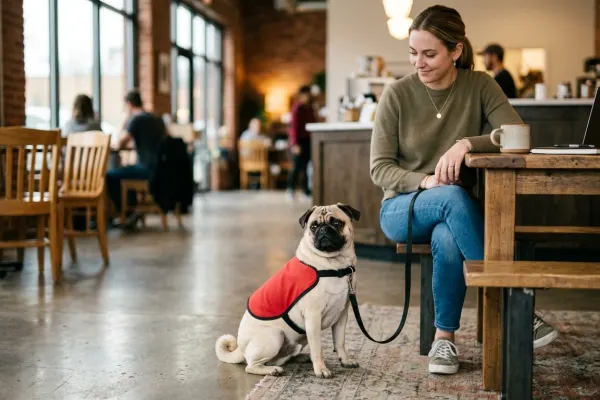
- Myth 1: Pugs make effective guard dogs. In reality, pugs are notoriously poor protection animals. While they may bark to announce a knock at the front door, their natural reaction upon meeting a newcomer is enthusiastic curiosity. Evaluating pugs as guard dogs quickly reveals that their instinct is to seek affection rather than defend territory.
- Myth 2: All pugs are completely passive couch potatoes. While adult pugs enjoy lounging, puppies and young adults frequently experience energetic bursts of play and benefit from daily playtime.
- Myth 3: Pugs never experience mood changes or behavioral friction. While genuine hostility is rare, fear or pain can cause protective reactions. Understanding pug aggression risks confirms that sudden snapping is almost always an indicator of distress, resource guarding, or physical discomfort rather than inherent malice.
Health, Comfort, and Mood
A dog’s physical comfort directly influences its social behavior. Pugs are a brachycephalic (flat-faced) breed, meaning their shortened facial structure can make breathing more challenging in warm or humid conditions. When a pug feels overheated or physically fatigued, it may seek a quiet, cool spot away from energetic family activities.
Canine behavioral research published in peer-reviewed journals available on PubMed indicates that brachycephalic companion dogs frequently score higher in human-directed sociability and lower in defensive reactivity compared to dolichocephalic working breeds. However, their physical vulnerability requires owners to monitor them carefully during play to avoid heat stress. Physical discomfort is the most common reason for unexpected irritability in normally sweet toy breeds. Because pugs have narrow ear canals and facial skin folds, untreated inflammation can lead to mood changes and withdrawal.
Note: Schedule a veterinary evaluation if a previously cuddly pug suddenly resists head petting or exhibits unusual lethargy.
Real-Life Examples and Anecdotes
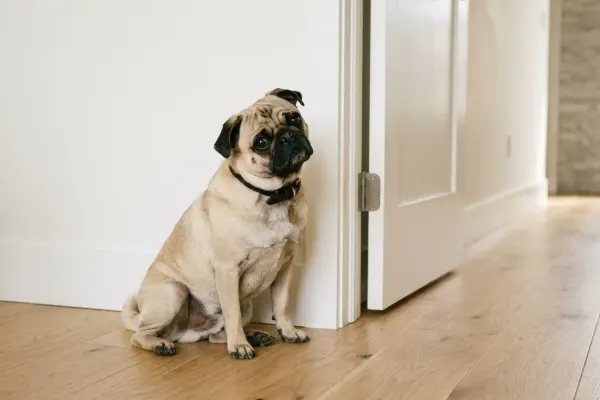
In everyday household life, a pug’s friendly temperament manifests through comical gestures, attentive head tilts, and a constant desire for physical proximity. Owners often describe their dogs resting a chin on their feet while they work at a desk or quietly shadowing them through compact living spaces. These quiet indoor habits make pugs as apartment dogs a beloved choice for urban dwellers seeking an affectionate, low-commotion companion.
Their welcoming demeanor extends to visitors. Unlike aloof or protective breeds that watch newcomers with suspicion, a healthy, socialized pug typically greets guests with a wagging tail and an open, relaxed posture. In some highly enthusiastic young dogs, joyful greetings can momentarily overwhelm bladder control. Recognizing why pugs peeing when excited happens allows owners to manage arrival moments with low-key greetings instead of scolding. For many long-time toy breed enthusiasts, these endearing qualities explain why pugs are considered among the most loving dogs available for companion living.
Practical Tips for Fostering Friendliness
To ensure pugs remain happy dogs throughout their lives, caretakers should establish consistent daily care routines that support both emotional security and physical well-being:
- Maintain a daily walking routine: Two short walks of 15 to 20 minutes during the cooler parts of the day provide mental stimulation without stressing the respiratory system. Balancing these outings with real pug activity levels ensures that energetic young adults expend excess energy safely without overheating.
- Provide interactive enrichment: Puzzle toys, lick mats, and gentle hide-and-seek games keep their minds active and reduce boredom-related distress.
- Clean facial wrinkles and ears regularly: Daily wiping of facial skin folds and routine ear inspections prevent painful moisture buildup that could cause discomfort.
- Practice positive handling exercises: Gently touching paws, ears, and teeth from puppyhood prepares the dog for stress-free veterinary and grooming visits.
- Support physical comfort across life stages: Older companions require orthopedic bedding, accessible water dishes, and gentle handling. Addressing changing mobility needs during aging in senior pugs helps older dogs maintain a relaxed, friendly temperament.
Quick Start for New Pug Owners
New owners can set up a supportive, friendly environment from day one by following three foundational steps:
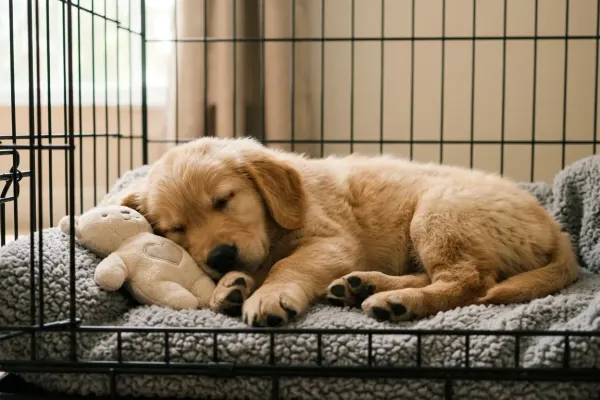
- Establish a quiet resting zone: Set up a supportive dog bed in a central living area where the puppy can rest while still feeling included in household life.
- Introduce controlled social experiences: Arrange brief, positive meetings with calm, vaccinated dogs and friendly visitors in neutral, low-stress environments.
- Implement predictable feeding and play schedules: Consistent daily routines reduce anxiety, build trust, and encourage stable, cooperative behavior.
Frequently Asked Questions About Pug Friendliness
Are pugs aggressive towards strangers?
No, pugs are rarely aggressive towards strangers. Their default disposition is curious and welcoming, making them far more likely to solicit attention and ear scratches from visitors than to display protective or territorial behavior.
Do pugs get jealous of other pets or babies?
Pugs may seek extra attention if they feel left out of daily routines, but genuine jealousy accompanied by aggression is uncommon. Involving the dog in calm family activities and rewarding polite behavior around new babies or pets prevents attention-seeking distress.
How do you calm down an over-excited pug?
You can calm an over-excited pug by redirecting its energy with a food puzzle or chew toy, asking for a calm trained cue such as “sit” or “down,” and speaking in a low, soothing tone. Avoiding high-pitched vocal responses helps the dog settle quickly.
Leave a Reply