
Table of Contents
Prospective owners asking where can I buy a Maine Coon cat can purchase directly through registered catteries verified by official feline registries such as the Cat Fanciers' Association (CFA), or adopt through specialized feline rescue networks and shelter databases. Expect to pay between $1,500 and $4,000 for a healthy pet-quality kitten from an ethical breeder who provides parental cardiac ultrasounds, complete genetic panels, age-appropriate vaccinations, and an enforceable written health contract.
- Reputable breeders maintain active registrations with established cat registries and openly share pedigree lineage.
- Ethical catteries perform annual echocardiograms for hypertrophic cardiomyopathy (HCM) and DNA screens for spinal muscular atrophy.
- Pet-quality kittens cost $1,500 to $4,000, whereas rescue adoptions typically range from $150 to $400.
- Never send deposits through irreversible payment apps before completing an interview and verifying the cattery through live video.
- Prepare your home with large-scale scratching posts, protein-rich nutrition, and secure travel carriers before bringing your kitten home.
Where to Buy a Maine Coon Cat: Certified Breeders and Official Registries
Finding a purebred Maine Coon cat begins with locating an ethical, registered breeder. Legitimate catteries register their business prefix and litters with established feline registries. According to The Cat Fanciers’ Association (CFA), the Cat Fanciers’ Association recognizes the Maine Coon with distinct physical standards including a solid rectangular body, large tufted ears, and long flowing coat.
Registry directories provide a secure starting point for prospective buyers seeking where to get a maine coon cat. When browsing breeder listings on official registry websites, verify that the cattery actively registers litters under its declared name. Membership confirms that the breeder agrees to adhere to record-keeping standards and ethical husbandry guidelines, though prospective buyers must still conduct thorough personal screening of the facility.
Pedigree registries also document color genetics and physical conformation across recognized breeds. While some purebred felines have strict color limits, such as how Ragdoll cat color genetics and black coats are defined by pointed coat genetics that exclude solid black coats, Maine Coons are recognized in a broad spectrum of colors ranging from solid black and brown classic tabby to silver shaded and calico.
Another reliable avenue to connect with certified breeders when deciding where to find maine coon cats is attending licensed cat shows. Cat shows allow you to observe Maine Coons in person, examine physical traits such as ear tufting and bone structure, and speak directly with multiple cattery owners about their breeding philosophies, kitten socialization protocols, and upcoming litter plans.
How to Screen Maine Coon Catteries: Health Testing and Ethical Standards
Because Maine Coons are a large, slow-maturing breed, responsible breeders place health testing at the center of their breeding programs. According to the Cornell Feline Health Center, hypertrophic cardiomyopathy is the most common heart disease in cats, characterized by thickening of the heart muscle walls.
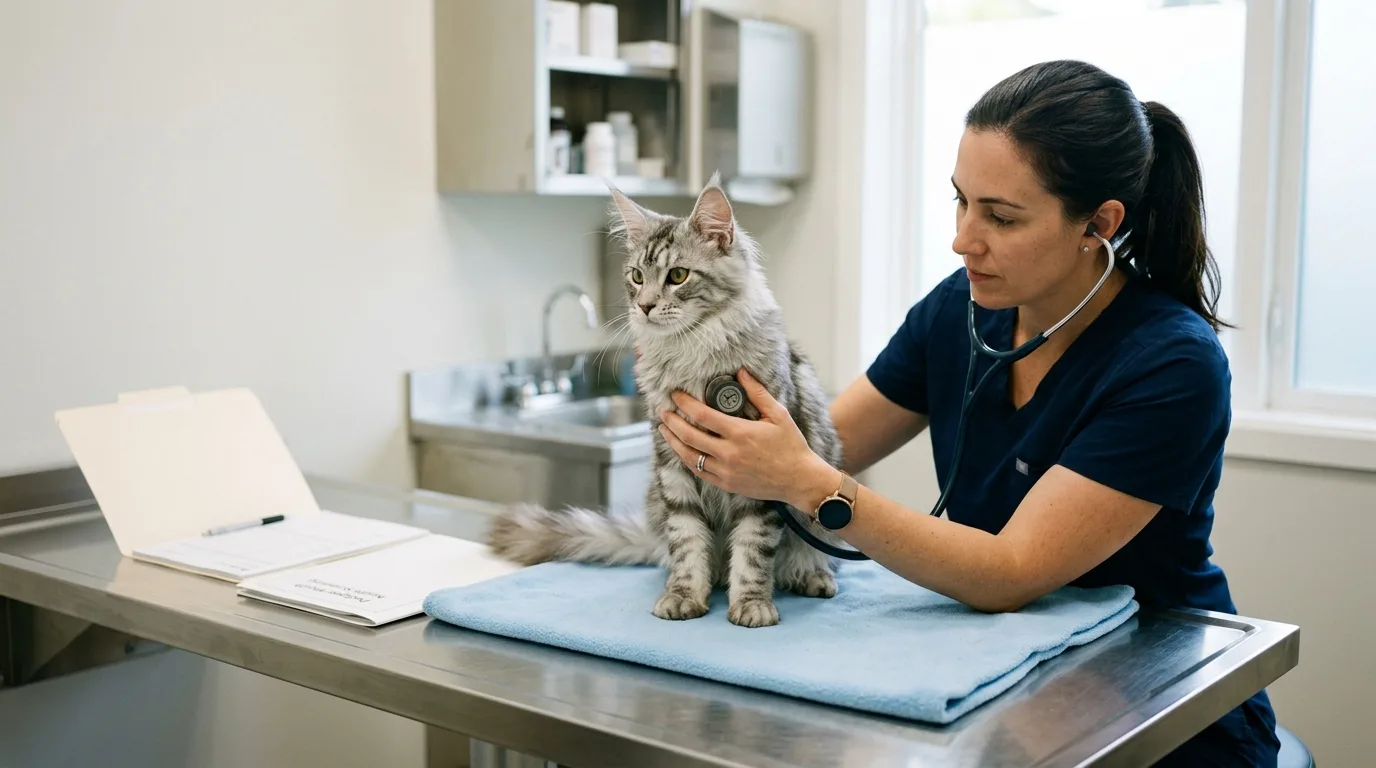
Ethical breeders use a two-part screening protocol for heart health. First, they test breeding adults for known genetic mutations, including the MYBPC3 gene mutation. Second, because genetic tests do not detect all variants of the disease, reputable catteries conduct routine echocardiograms performed by board-certified veterinary cardiologists to clear adult cats before breeding.
In addition to cardiac screening, comprehensive health evaluations include DNA testing for Spinal Muscular Atrophy (SMA), Pyruvate Kinase Deficiency (PKDef), and radiographic screening for hip dysplasia. Conformation standards emphasize substantial bone structure and strong rectangular bodies, making joint soundness an essential focus of breeding management.
Nutrition also plays a pivotal role in maternal health and kitten development. Breeders often supplement high-protein feline diets with essential fatty acids, such as introducing omega-3 rich cooked salmon for pets to support coat luster and cellular integrity across growing litters. A cattery that provides clear copies of parental echocardiograms, genetic panel results, and a multi-year written guarantee against congenital defects demonstrates verifiable transparency. If a seller refuses to provide veterinary proof of parental testing, walk away immediately.
Where to Find Maine Coon Cats for Adoption and Rescue
Adopting a Maine Coon through a shelter or rescue organization is a compassionate alternative for owners exploring where to find a maine coon cat. While purebred kittens with pedigree papers rarely appear in municipal shelters, adult Maine Coons and distinctive Maine Coon mixes regularly enter foster programs and rescue networks.
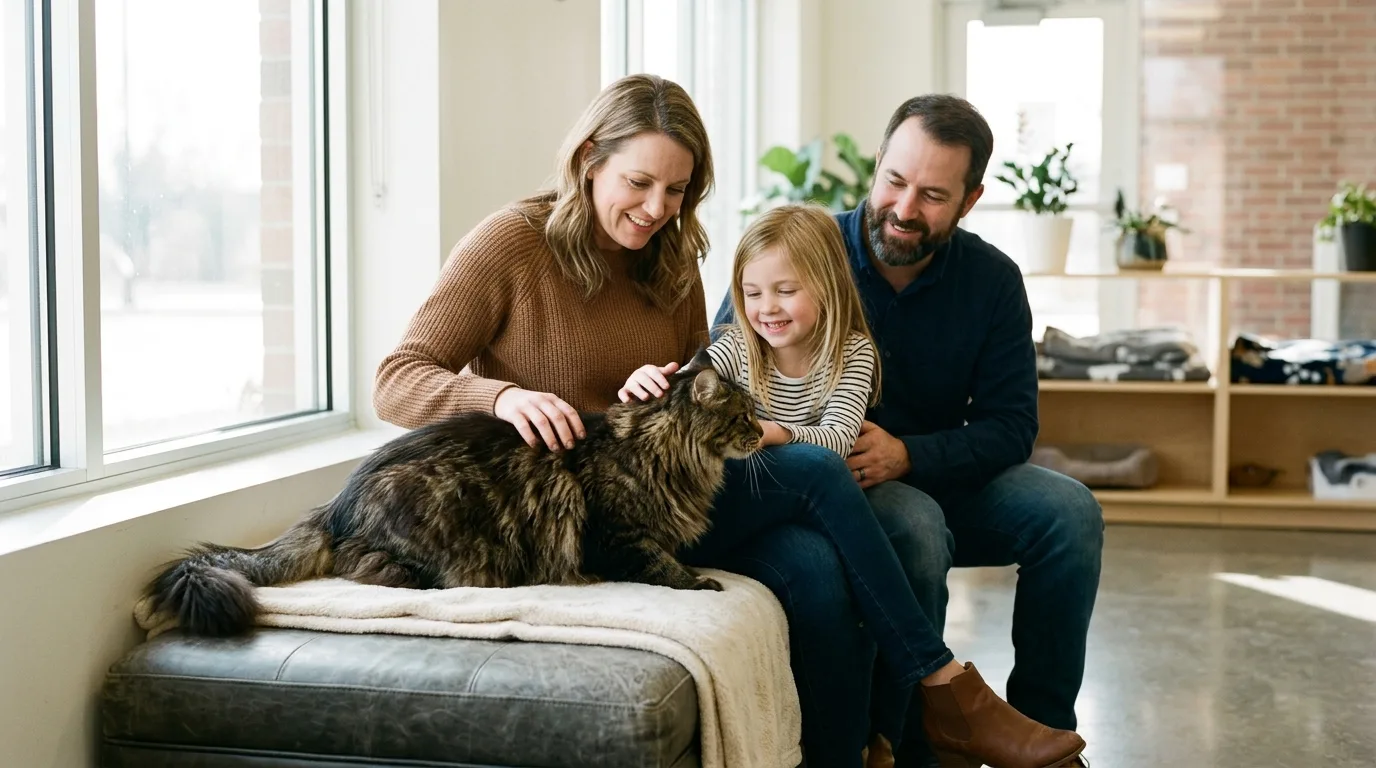
Specialized nonprofit organizations, including Only Maine Coons Rescue (OMC!) and regional feline rescue networks, focus specifically on rehabilitating and rehoming long-haired cats. Centralized rescue databases such as Petfinder and Adopt-a-Pet allow prospective adopters to set geographic alerts for Maine Coons and long-haired mixes entering local animal shelters.
Rescue groups evaluate temperament and social compatibility carefully. In multi-pet homes, understanding behavioral traits is vital; cats with confident, gentle dispositions adapt well alongside service and companion animals in family settings when introductions proceed gradually.
Adoption fees for rescue cats typically range from $150 to $400. This fee covers comprehensive veterinary care, including spay or neuter surgery, core vaccinations, microchip implantation, and viral blood screening.
Prospective adopters should also consider household safety around water features. Maine Coons possess water-repellent double coats and often show fascination with dripping faucets, sinks, and bathtubs. Basic household safeguards, similar to guidelines for swimming safety for household companion pets, ensure that open water basins and deep containers remain inaccessible to curious cats.
How to Get a Maine Coon: Application Process, Waiting Lists, and Contracts
Securing a kitten from an ethical cattery is a structured process that requires patience when learning how to get a maine coon. Most reputable breeders do not keep kittens in stock for immediate impulse purchasing; instead, they maintain managed waiting lists that open before or shortly after litters are confirmed.
The acquisition process follows distinct operational milestones for buyers learning how do i get a maine coon:
- Initial Questionnaire and Application: The breeder evaluates your living arrangement, household members, experience with pets, and commitment to veterinary care.
- Interview and Verification: A telephone or live video conversation where you discuss breed expectations and view the cattery environment.
- Deposit and Reservation: Once approved, you place a deposit (typically $300 to $500) to reserve your spot on the litter waiting list.
- Growth Updates and Socialization: Reputable breeders share regular photo or video updates while kittens undergo early socialization, litter box training, and gradual weaning.
- Veterinary Clearance and Release: Kittens remain with their mother until they are fully weaned and cleared by a veterinarian, completing their initial core vaccination series, deworming, and microchipping before placement.
If you must travel to pick up your kitten from an out-of-state cattery, plan logistics carefully. Reputable breeders insist on in-person pickup at their cattery, a nearby airport, or via a certified flight nanny. Familiarize yourself with regulations for flying in-cabin with pets on commercial airlines, which include booking an approved soft-sided carrier and securing a current Certificate of Veterinary Inspection.
During travel days, packing safe hydration and light snacks helps keep companion animals settled, including offering small snacks like apple snacks for companion dogs and pets to support a calm transit routine.
Maine Coon Price Breakdown and Scam Warning Signs
Understanding standard pricing structures helps buyers understand how to buy a maine coon safely and steer clear of sophisticated online pet scams. The cost of a purebred Maine Coon kitten reflects significant breeder investments in genetic testing, cardiology clearances, high-grade nutrition, veterinary delivery care, and registry administration.
| Purchase Category | Expected Price Range | Inclusions and Characteristics |
|---|---|---|
| Pet-Quality Kitten | $1,500 – $4,000 | Purebred registration papers, spay/neuter agreement, microchip, age-appropriate vaccines, health warranty |
| Show/Breeding Prospect | $4,000 – $8,500+ | Full breeding rights, show-quality conformation, complete pedigree documentation, advanced genetic profile |
| Breed Rescue / Shelter | $150 – $400 | Sterilized adult cat or mix, core vaccinations, microchip, viral blood tests, health intake record |
| Fraudulent Listings (Scams) | $400 – $900 | Stolen photos, non-existent health testing, fake shipping demands, pressure for immediate wire payment |
Online scammers frequently target prospective Maine Coon buyers by setting up polished websites with stolen cattery photos and advertising luxury kittens at bargain prices ($500 to $800). Once an inquiry is submitted, scammers demand instant payment via peer-to-peer apps, followed by fraudulent demands for temperature-controlled shipping crates or delivery insurance fees.
When planning your initial kitten budget alongside ongoing supplies, comparing routine household expenses with bulk items like steamed carrot snacks for dogs and simple home foods highlights how predictable maintenance costs can be managed effectively. Providing wholesome home-cooked additions such as plain cooked turkey breast without seasonings offers nutritious meal enrichment without overspending on synthetic treats.
Note: Never send non-refundable funds through Western Union, MoneyGram, Zelle, or gift cards to an unverified seller. Legitimate catteries accept traceable payment methods, provide signed contracts before accepting deposits, and welcome live video calls to showcase their kittens.
Preparing Your Home for a Maine Coon: Heavy-Duty Supplies and Diet
Bringing a Maine Coon into your home requires tailored environmental preparation to accommodate their substantial size and energetic play style. An adult male Maine Coon can reach 15 to 25 pounds, while females typically weigh between 10 and 15 pounds. Standard cat furniture and small litter boxes are inadequate for their long frames.
Essential home preparation items include:
- Heavy-Duty Scratching Posts: Invest in solid wood cat trees with wide bases and sisal rope posts that stand at least 36 inches tall to allow full body stretching.
- Extra-Large Litter Trays: Use high-sided storage totes or oversized commercial litter boxes that measure at least 22 inches in length.
- Ergonomic Food and Water Bowls: Wide stainless steel or ceramic dishes prevent whisker fatigue, and heavy gravity water fountains satisfy their instinct to play with moving water.
- Grooming Tools: A stainless steel comb, undercoat rake, and slicker brush are essential for managing their dense, water-resistant coat on a regular routine to prevent matting.
Dietary management must focus on high-protein, meat-first recipes that support lean mass without promoting rapid weight gain during their extended growth phase. Incorporating clean whole foods such as plain cooked chicken for dogs and cats offers easily digestible protein that supports active muscle recovery.
In households with multiple pets, ensure food boundaries remain strictly managed. Reviewing guidelines on safe human foods for household pets helps all family members understand which human ingredients are safe for occasional sharing and which items, including onions, garlic, grapes, and chocolate, must remain strictly out of reach.
Frequently Asked Questions About Buying a Maine Coon Cat
How much does a purebred Maine Coon kitten cost from a reputable breeder?
A purebred Maine Coon kitten from a reputable, health-tested cattery typically costs between $1,500 and $4,000 for a companion pet. Kittens with show potential or breeding rights can range from $4,000 to $8,500 or more, depending on lineage and pedigree titles.
How do I verify if a Maine Coon cattery is registered with CFA?
You can verify a breeder by checking the official breeder directory on the CFA website. You can also ask the breeder for their official cattery registration certificate and litter registration numbers, then confirm those details directly with the registry office.
Can I adopt a purebred Maine Coon cat from a shelter or rescue group?
Yes, purebred adult Maine Coons and long-haired mixes occasionally become available through breed-specific rescues such as Only Maine Coons Rescue and on platforms like Petfinder. While purebred kittens with pedigree papers are uncommon in rescues, adults seeking new homes make wonderful companions for an adoption fee of $150 to $400.
What health screening should Maine Coon breeding parents receive?
Ethical breeders test parent cats for Hypertrophic Cardiomyopathy (HCM) using annual echocardiograms performed by a veterinary cardiologist, alongside DNA testing for the MYBPC3 mutation. Responsible breeders also screen for Spinal Muscular Atrophy (SMA), Pyruvate Kinase Deficiency (PKDef), and hip dysplasia.
How long is the typical waiting list when reserving a Maine Coon kitten?
Waiting periods vary depending on cattery breeding schedules, planned litters, and seasonal demand. Because ethical breeders prioritize queen health and limit annual breeding cycles, prospective buyers typically wait several months to reserve an upcoming kitten rather than finding immediate availability.
Leave a Reply