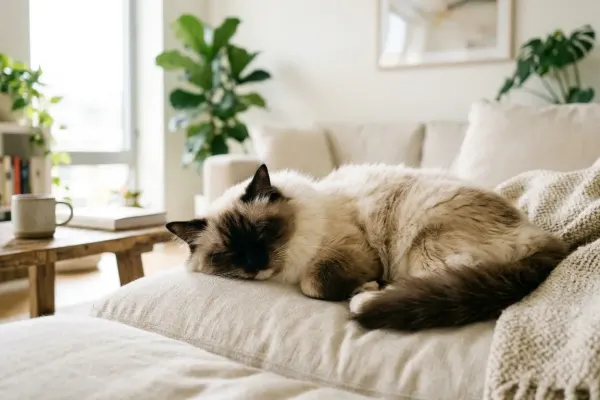
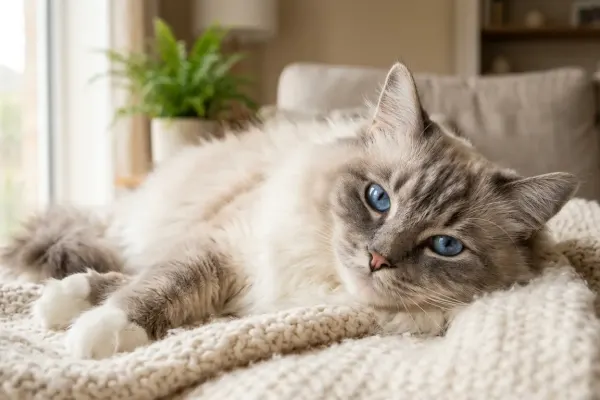
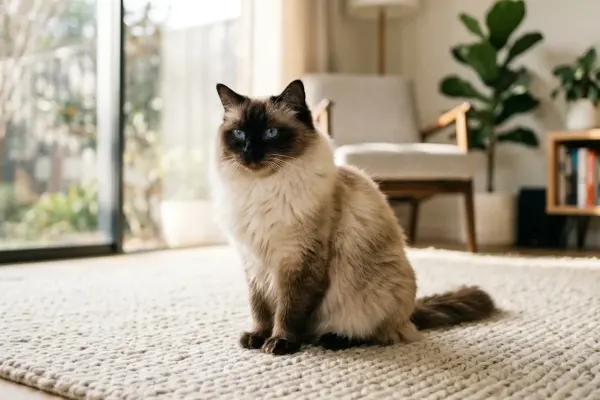
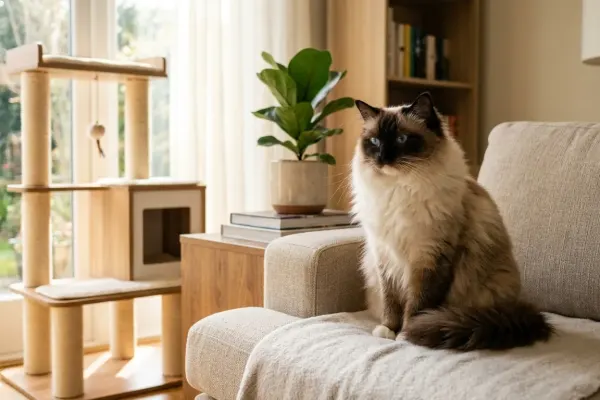
For owners asking how long do ragdoll cats live, the largest breed-specific study to date by Royal Veterinary College VetCompass found a median lifespan of 12.85 years, with some individuals living past 21 years of age. Half died younger and half older. While informal breed overviews often suggest lifespans extending well into the teens, this 12.85-year median reflects typical outcomes for purebred cats overall. An individual cat's longevity depends heavily on inherited genetics, lifelong body condition, comprehensive dental care, and maintaining a safe indoor environment.
August 24, 2026
By ShowDogsWest Editor
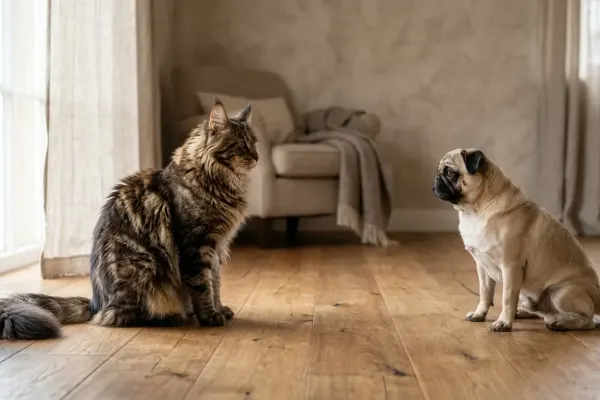
Understand the risks when a Maine Coon and dog share a home, with a readiness checklist and safer introduction planning.
August 24, 2026
By ShowDogsWest Editor
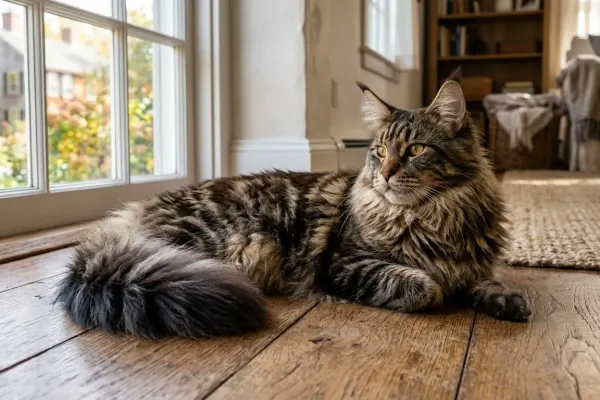
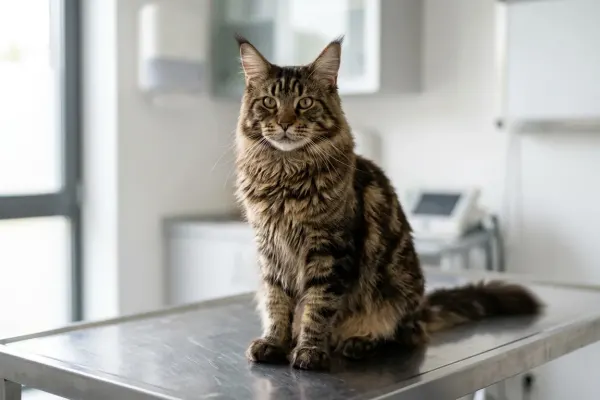
When asking what's a Maine Coon cat, the answer is a large, rugged native North American longhaired cat breed that originated in the state of Maine. Famous for their friendly "gentle giant" disposition, tufted lynx-like ears, and bushy plumed tails, they are one of the largest domesticated feline breeds in the world. Adult males typically weigh between 18 and 22 pounds, while females range from 12 to 15 pounds. Unlike average domestic cats that finish growing around their first year, Maine Coons develop slowly over several years before reaching full physical maturity.
August 24, 2026
By ShowDogsWest Editor
Prospective owners asking where can I buy a Maine Coon cat can purchase directly through registered catteries verified by official feline registries such as the Cat Fanciers' Association (CFA), or adopt through specialized feline rescue networks and shelter databases. Expect to pay between $1,500 and $4,000 for a healthy pet-quality kitten from an ethical breeder who provides parental cardiac ultrasounds, complete genetic panels, age-appropriate vaccinations, and an enforceable written health contract.
August 24, 2026
By ShowDogsWest Editor
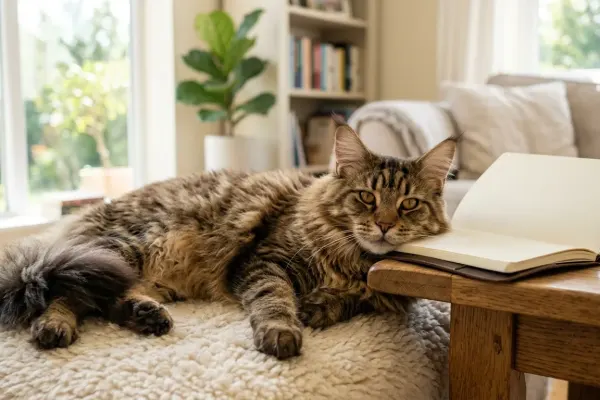
Maine Coon cats are not naturally aggressive. Renowned across the feline fancy as "gentle giants," the breed is celebrated for its friendly, laid-back, and highly social temperament. When an individual Maine Coon displays aggressive behaviors such as hissing, biting, or scratching, the reaction is almost always driven by acute medical pain, environmental fear, territorial stress, petting overstimulation, or redirected frustration rather than an inherent genetic trait.
August 24, 2026
By ShowDogsWest Editor
Do Maine Coon cats have health issues? While they are generally hardy and sturdy companion animals with a long life expectancy, they carry genetic predispositions to specific inherited conditions. The most notable conditions include hypertrophic cardiomyopathy (HCM), feline hip dysplasia (HD), spinal muscular atrophy (SMA), and pyruvate kinase deficiency (PKDef). Responsible breeding screenings, routine veterinary echocardiograms, joint monitoring, and disciplined weight management significantly reduce health risks and ensure a high quality of life.
August 24, 2026
By ShowDogsWest Editor
A pet-quality Maine Coon kitten from a reputable, registered breeder typically costs between $1,500 and $2,500. Show-quality kittens and those with breeding rights range from $2,500 to $4,000 or more. First-year supplies and veterinary setup add $800 to $1,500, while ongoing annual expenses average $1,200 to $2,000 for high-protein nutrition, oversized gear, grooming tools, and preventative healthcare.
August 24, 2026
By ShowDogsWest Editor
For prospective owners asking, "Do Ragdoll cats have health problems?" the answer is that while Ragdolls are generally robust companion cats with sound overall longevity, they carry documented hereditary risks for hypertrophic cardiomyopathy (HCM) and polycystic kidney disease (PKD). Epidemiological findings show that routine conditions such as dental disease, gastrointestinal upset, and obesity are far more frequent in clinical practice than severe genetic disorders. Genetic DNA screening and regular veterinary checkups manage most risks effectively.
August 18, 2026
By ShowDogsWest Editor
For prospective owners asking is it hard to take care of a Ragdoll cat, daily maintenance requires moderate, consistent effort overall. While their silky single coat does not mat as easily as a Persian's, they require weekly brushing, strict dietary control to prevent obesity, and frequent companionship because they crave human attention. Routine veterinary screening for genetic heart and kidney conditions is essential.
August 13, 2026
By ShowDogsWest Editor
For prospective pet owners asking how much are Ragdoll cats, a purebred Ragdoll cat from a reputable breeder typically costs between $1,000 and $2,800 for a pet-quality kitten. Show-quality Ragdolls and cats sold with breeding rights range from $3,000 to over $5,000. Alternatively, adopting a Ragdoll from a rescue organization or rehoming a retired breeding adult generally costs between $75 and $900.
August 13, 2026
By ShowDogsWest Editor