
Table of Contents
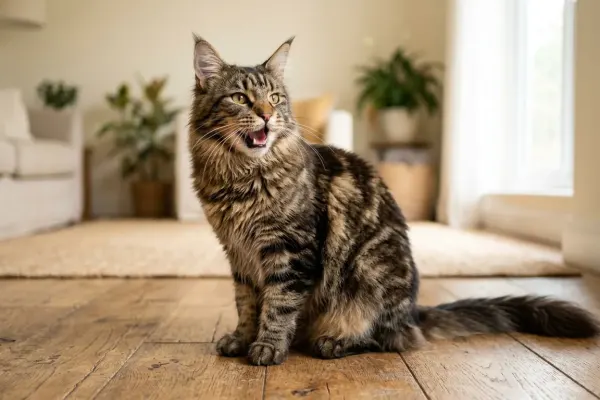
Maine Coon cats are not naturally aggressive. Renowned across the feline fancy as "gentle giants," the breed is celebrated for its friendly, laid-back, and highly social temperament. When an individual Maine Coon displays aggressive behaviors such as hissing, biting, or scratching, the reaction is almost always driven by acute medical pain, environmental fear, territorial stress, petting overstimulation, or redirected frustration rather than an inherent genetic trait.
- Maine Coons possess a gentle, highly social disposition and rank among the least aggressive domestic cat breeds.
- Sudden feline aggression is a primary clinical indicator of hidden physical pain, dental disease, or arthritis.
- Overstimulation from prolonged petting or rough play can trigger defensive biting if subtle body language is ignored.
- Redirected frustration occurs when a cat spots an outdoor animal and lashes out at nearby pets or owners.
- Environmental enrichment, dedicated vertical territory, and positive reinforcement resolve most behavioral issues effectively.
Behavior Traits of Maine Coon Cats
The Maine Coon is widely recognized as one of the most docile and affectionate domestic cat breeds in the world. Originally developed as a rugged working mouser in the northeastern United States, the breed evolved a balanced, patient personality alongside its substantial physical size. Adult males routinely weigh between 15 and 25 pounds, while females typically range from 10 to 15 pounds. Despite their formidable stature, tufted paws, and lynx-tipped ears, their typical temperament stands in stark contrast to their wild appearance.
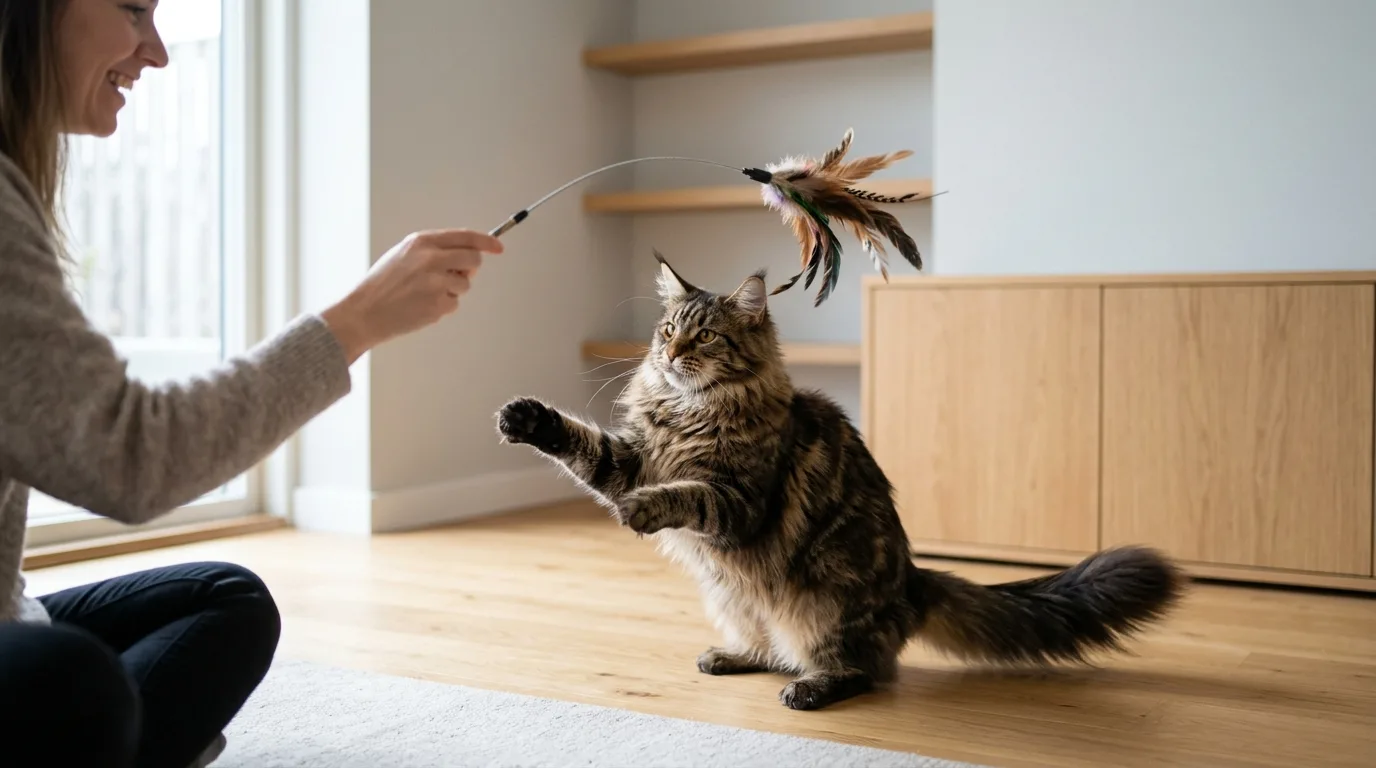
According to official breed documentation published by The Cat Fanciers’ Association, the Maine Coon is celebrated for its amiable disposition and easy-going nature. These cats are known to follow their human companions from room to room, offering quiet companionship through soft chirps and trills rather than demanding vocalizations. Much like the gentle, friendly temperament of Ragdoll cats, Maine Coons thrive on close household companionship while maintaining an independent, calm demeanor.
A large-scale behavioral study published in Scientific Reports analyzed heritable behavior traits across 5,726 cats representing 19 pedigree breeds. The researchers determined that feline personality traits possess moderate heritability ranging between 0.40 and 0.53. In broad breed comparisons, the Maine Coon consistently clustered among the breeds with high sociability toward humans and lower tendencies toward unprovoked aggression. Their patience and sociability make them as easygoing in family environments as friendly dog breeds like Pugs, creating a peaceful atmosphere at home. While individual genetics establish a baseline temperament, early socialization between 2 and 7 weeks of age fundamentally shapes how a cat interacts with humans. A well-socialized Maine Coon raised in an enriched home environment demonstrates the stable, gentle behavior typical of the breed standard.
Factors Influencing Aggression in Maine Coon Cats
While inherent aggression is contrary to the breed standard, any cat can exhibit defensive or reactive hostility under specific physical or psychological pressures. When evaluating why a Maine Coon might bite, hiss, or swipe, it is essential to distinguish between natural play gestures and genuine defensive aggression.
Clinical behavioral research from the Cornell University College of Veterinary Medicine categorizes feline aggression into distinct diagnostic groups. Identifying the root trigger is the first step in resolving the behavior safely. Environmental stressors can provoke defensive reactions across different domestic species, just as handling unfamiliar aggression triggers in French Bulldogs requires recognizing subtle discomfort.
| Aggression Type | Primary Trigger | Key Behavioral Signs | Recommended Owner Action |
|---|---|---|---|
| Pain-Induced Aggression | Arthritis, dental infection, hip dysplasia, injury | Sudden hissing when touched, growling, hiding, limping | Schedule a veterinary exam immediately; pause handling painful areas. |
| Petting-Induced Overstimulation | Repetitive stroking, sensory threshold exceeded | Twitching tail tip, flattened ears, sudden skin rippling, quick nip | Stop stroking immediately; limit petting to head and chin areas. |
| Play Aggression | Boredom, lack of predatory outlets, hand-wrestling | Stalking feet, pouncing on ankles, biting during play | Redirect to wand toys; never use bare hands as play targets. |
| Fear-Induced Aggression | Loud noises, unfamiliar guests, trapped sensation | Dilated pupils, arched back, flattened ears, spitting | Provide high perches and quiet hiding spots; never corner the cat. |
| Redirected Aggression | Sighting outdoor stray cats or wildlife through windows | Intense agitation, sudden lunging at nearby pets or owners | Block window views; separate animals calmly using a thick blanket or barrier. |
| Territorial Friction | Introduction of a new pet, competition for resources | Staring contests, blocking doorways, swatting at litter boxes | Implement phased scent swapping; multiply litter boxes and feeding stations. |
Petting-induced overstimulation is a frequent source of confusion for owners. In clinical observations, cats possess highly sensitive hair follicle receptors, especially along the dorsal ridge and tail base. While a cat may initially solicit affection, repetitive full-body strokes quickly overwhelm these neural pathways. A cat communicating overstimulation will show subtle warning signs: the tail tip begins twitching, the skin along the spine ripples, and the ears rotate outward before the cat turns to deliver an inhibitive warning nip. Similarly, recognizing aggression signs in Pugs underscores how pain or boundary confusion can cause even normally docile animals to snap defensively.
Medical Triggers and Pain-Induced Reactivity
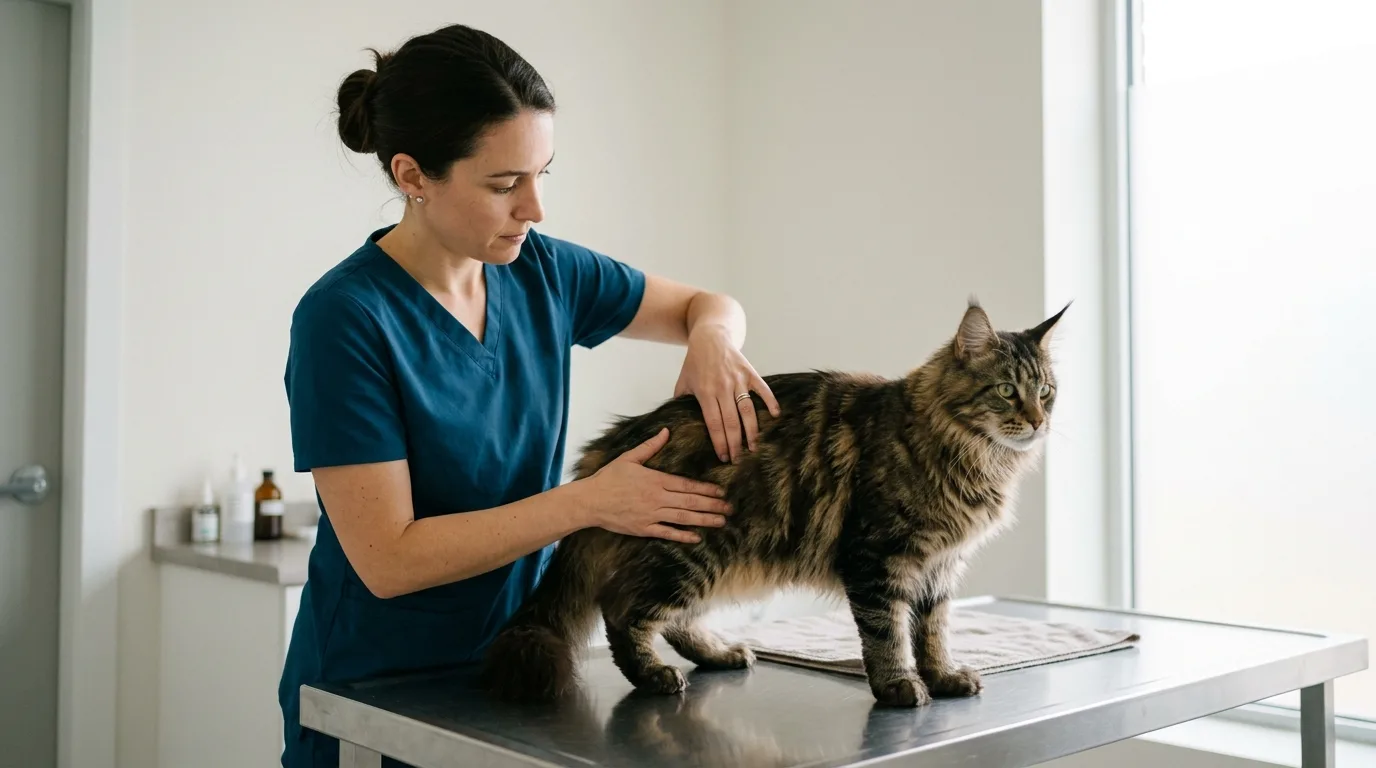
Physical discomfort represents the leading cause of sudden behavioral shifts in mature cats. Because Maine Coons are a large-bodied breed, they carry an elevated risk for orthopedic conditions such as hip dysplasia and osteoarthritis as they age. A cat experiencing joint inflammation or spinal soreness may growl or snap when lifted or brushed across the lower back. Dental resorptive lesions and feline lower urinary tract disease also generate substantial pain that lowers a cat’s patience threshold.
In feline veterinary consultations, sudden irritability often manifests during specific physical movements, such as hesitating before jumping onto elevated surfaces or flinching when grooming the hindquarters. While a Maine Coon shadows its humans without demanding constant lap contact, confusion can arise when distinguishing independent loyalty from the more clingy French Bulldog behaviors common in companion canines. When an independent cat suddenly becomes irritable or reclusive, medical discomfort is frequently the primary root cause.
Note: Any sudden change in temperament, especially in a previously calm adult cat, warrants a comprehensive veterinary examination including orthopedic palpation and blood work before assuming the problem is purely behavioral.
As large cats reach older age, their vulnerability to degenerative joint issues mirrors the orthopedic management seen in senior Pug care needs, where gentle physical handling prevents pain-induced snapping. Addressing chronic inflammation early preserves comfort and prevents defensive reactivity.
How to Manage and Reduce Aggression in Maine Coon Cats
Managing and preventing aggressive episodes in Maine Coons relies on structured environmental enrichment, respectful handling, and clear communication. Modifying feline behavior requires patience and positive reinforcement, as harsh verbal or physical discipline increases fear and worsens defensive hostility.
Guidelines compiled by the ASPCA guidelines on feline aggression emphasize environmental modification as the foundation of behavior management. Applying structured daily routines restores security and channels natural predatory drives constructively. Providing generous vertical climbing structures allows these massive cats to thrive even in compact floor plans, much like configuring indoor spaces for apartment living for Pugs to reduce territorial stress.
Follow these proven steps to maintain harmony and address reactive behaviors:
- Conduct a Thorough Medical Evaluation: Rule out underlying orthopedic conditions, dental disease, or metabolic issues with your veterinarian. Managing chronic joint discomfort with veterinary-prescribed therapeutics often resolves irritability completely.
- Expand Vertical and Horizontal Territory: Due to their substantial body size, standard cat trees are often too cramped for Maine Coons. Install heavy-duty, wide-platform cat towers and sturdy wall shelves. Vertical perches allow cats to survey their environment safely, reducing territorial anxiety.
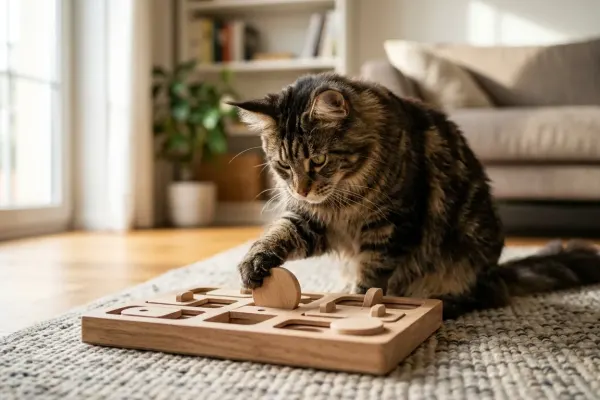
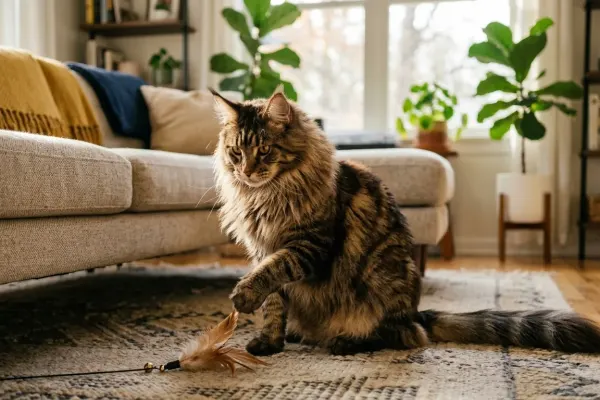
- Engage in Daily Structured Play: Schedule two 15-minute play sessions each day using long wand toys, feather teasers, or laser pointers. Allow the cat to stalk, chase, and capture the toy, concluding each session with a high-protein meal to complete the predatory cycle. Never use bare hands or feet as play objects.
- Learn and Respect Feline Body Language: Watch for early cues of irritation, including a twitching tail, shifting ears, dilated pupils, and stiff posture. Cease handling immediately when these signs appear, giving the cat space to decompress.
- Optimize Resource Distribution: In multi-pet households, adhere to the plus-one rule for essential resources. Provide one litter box, feeding station, and water bowl per cat, plus one additional station in separate rooms to eliminate resource guarding.
- Desensitize and Counter-Condition: For cats exhibiting fear toward specific triggers like grooming tools or carrier crates, pair gradual exposure with high-value treats to create positive emotional associations.
Routine grooming also prevents painful pelt matting that triggers defensive swiping, a routine that pairs well with understanding coat maintenance and hypoallergenic traits in Ragdoll cats for sensitive homes.
Integrating Maine Coons into Multi-Pet Homes
Maine Coons are exceptionally adaptable and possess an innate curiosity that allows them to live harmoniously alongside other animals. However, introducing a large cat to existing pets requires a deliberate, structured approach to avoid territorial conflicts and anxiety-driven aggression.
When introducing a Maine Coon to other household pets, implement a gradual scent-swapping protocol. Keep the newcomer in a dedicated sanctuary room equipped with its own litter box, food, water, and scratching post for the first five to seven days. Exchange bedding between pets daily so they become familiar with each other’s scents before any visual contact occurs.
Once both animals show calm behavior near the door separating them, transition to controlled visual introductions using a baby gate or cracked door during meal times. Pairing the visual sight of the other animal with high-value food creates positive associations. Structured introductions ensure peaceful multi-species living, allowing Maine Coons to share space successfully with canine companions, often noted when keeping French Bulldogs as good family pets.
Frequently Asked Questions About Maine Coon Aggression
Are male Maine Coons more aggressive than females?
There is no clinical evidence that neutered male Maine Coons are more aggressive than spayed females. Both sexes exhibit the calm, affectionate temperament characteristic of the breed standard. Intact males may display increased territorial marking, roaming instincts, and inter-male sparring, while intact females can show maternal defensiveness. Neutering and spaying before social maturity minimizes hormone-driven territorial behaviors.
Why is my Maine Coon suddenly biting or scratching?
A sudden onset of biting or scratching in a previously gentle Maine Coon strongly indicates physical pain, acute illness, or redirected aggression. Large cats frequently suffer from hidden musculoskeletal discomfort, hip dysplasia, or dental fractures that make touch painful. If medical causes are ruled out by a veterinarian, investigate recent environmental changes, such as outdoor neighborhood cats visible through windows, which commonly trigger redirected frustration.
Are Maine Coon cats aggressive toward dogs and other pets?
Maine Coons are exceptionally social and generally show minimal hostility toward household dogs and other cats. Their confident, easy-going disposition prevents them from viewing calm companion animals as immediate threats. However, successful cohabitation requires a gradual introduction process over several weeks using scent swapping and visual barriers to establish mutual trust.
Leave a Reply