
Table of Contents
Do Maine Coon cats have health issues? While they are generally hardy and sturdy companion animals with a long life expectancy, they carry genetic predispositions to specific inherited conditions. The most notable conditions include hypertrophic cardiomyopathy (HCM), feline hip dysplasia (HD), spinal muscular atrophy (SMA), and pyruvate kinase deficiency (PKDef). Responsible breeding screenings, routine veterinary echocardiograms, joint monitoring, and disciplined weight management significantly reduce health risks and ensure a high quality of life.
- Hypertrophic cardiomyopathy (HCM) represents the most significant inherited cardiac disease in the breed, linked to the MYBPC3-A31P mutation.
- Feline hip dysplasia affects a notable proportion of evaluated Maine Coons due to their heavy bone structure and polygenic inheritance.
- Inherited conditions such as spinal muscular atrophy (SMA) and pyruvate kinase deficiency (PKDef) are detectable via commercial DNA testing.
- Large body size requires strict weight control to minimize mechanical stress on joints and avoid metabolic complications.
- Annual checkups, screening echocardiograms for breeding lines, and monitoring resting respiratory rates allow early clinical intervention.
Common Health Issues and Genetic Conditions in Maine Coons
Maine Coons are admired worldwide for their impressive stature, affectionate temperament, and luxurious coats. However, prospective and current owners frequently wonder whether these gentle giants face unique medical vulnerabilities. When evaluating Maine Coon health, veterinary clinical data confirms that while the breed is fundamentally sturdy, selective breeding and distinctive morphology create distinct predispositions. Understanding these conditions, their warning signs, and proactive care strategies helps owners protect their cats throughout every life stage.
Inherited Cardiac and Neuromuscular Disorders
Genetic disorders represent the primary category of breed-specific health concerns in Maine Coons. Selective breeding over generations has concentrated particular mutations that responsible breeders actively work to eliminate through DNA testing.
- Hypertrophic Cardiomyopathy (HCM): According to the Cornell University College of Veterinary Medicine, hypertrophic cardiomyopathy is the most common heart disease in cats, characterized by an abnormal thickening of the muscular walls of the left ventricle. In Maine Coons, research identifies the breed-specific MYBPC3-A31P mutation. This thickening decreases the internal volume of the left ventricle, impairing the heart’s ability to relax and pump oxygenated blood efficiently. While cats with a single copy of the mutation may show variable penetrance, homozygous cats face an elevated risk of progressive cardiac failure.
- Spinal Muscular Atrophy (SMA): Research by the UC Davis Veterinary Genetics Laboratory confirms that spinal muscular atrophy is an autosomal recessive neuromuscular condition caused by a deletion in the LIX1 gene affecting lower motor neurons. Caused by a deletion in the LIX1 gene, SMA leads to progressive muscle weakness and muscle wasting (atrophy) in the hind limbs. Kittens typically exhibit symptoms between 3 and 4 months of age, developing a sway-backed posture, an unsteady, wobbly gait, and difficulty jumping. SMA is not painful and does not affect the cat’s cognitive functions, but affected felines require a safe, single-level living environment.
- Pyruvate Kinase Deficiency (PKDef): Pyruvate kinase deficiency is an inherited hemolytic anemia caused by a deficiency in the pyruvate kinase regulatory enzyme, documented in several domestic breeds including the Maine Coon. Pyruvate kinase is a key regulatory enzyme required for energy production in red blood cells. A deficiency in this enzyme leads to premature red blood cell destruction, resulting in chronic or intermittent hemolytic anemia. Affected Maine Coons may show lethargy, pale gums, exercise intolerance, and progressive weight loss. Symptoms often manifest between 3 and 5 years of age.
Genetic testing panels have transformed feline preventive medicine. Because mutations like MYBPC3-A31P and LIX1 follow predictable inheritance patterns, acquiring kittens from registered breeders who provide verified negative parentage DNA certificates substantially reduces the risk of hereditary illness.
Joint and Musculoskeletal Conditions
Because Maine Coons are among the largest domestic cat breeds, their joints bear substantial mechanical loads throughout life. Orthopedic vulnerabilities represent a frequent clinical consideration.
- Feline Hip Dysplasia (HD): Feline hip dysplasia is a developmental orthopedic condition occurring with notable frequency in large-frame pedigree cats, causing coxofemoral joint laxity and progressive secondary osteoarthritis. The disorder involves a malformation of the coxofemoral (hip) joint where the femoral head does not fit snugly into the acetabulum (socket). Over time, persistent joint laxity leads to cartilage erosion, chronic inflammation, and degenerative joint disease. While dogs often develop overt lameness similar to general French Bulldog health problems, cats usually mask pain by reducing activity, hesitating before leaping onto furniture, or adopting a stiff, bunny-hopping gait.
- Patellar Luxation: Patellar luxation occurs when the kneecap temporarily slips out of its normal groove in the femur. In Maine Coons, this condition is often secondary to shallow femoral grooves or conformational misalignment. Cats with mild luxation may periodically hold up a hind leg for several steps or make a faint clicking sound when extending the stifle joint.
- Pedigree Comparisons: In pedigree breeding, managing polygenic musculoskeletal vulnerabilities and hereditary heart risks parallels the health protocols required for health problems in Ragdoll cats, where cardiac and kidney screenings remain essential priorities.
Structural, Respiratory, and Morphological Vulnerabilities
The physical size and rectangular conformation of Maine Coons distinguish them from other pedigree breeds, creating unique anatomical considerations that influence daily wellness.
Craniofacial Structure and Airway Function
Unlike brachycephalic animals with shortened skull structures, Maine Coons possess a well-developed, square muzzle and broad nasal bridges. Consequently, they do not suffer from congenital upper-airway obstructions.
Unlike the anatomical upper-airway obstruction causing chronic breathing difficulties in brachycephalic French Bulldogs, Maine Coon respiratory issues typically stem from lower airway inflammation such as feline asthma or pulmonary edema secondary to heart disease. In cats, open-mouth breathing or panting is never normal after mild activity. While dogs pant to dissipate heat, feline open-mouth breathing signals acute respiratory distress or cardiovascular decompensation requiring immediate veterinary intervention.
Spinal Alignment and Tail Morphology
Maine Coons feature an elongated, muscular torso supported by dense bone structure. Their long, heavily plumed tail acts as an essential dynamic counterbalance during high-speed turns and agile climbing.
Contrasting structural morphology highlights how conformation influences skeletal wear; whereas canine spinal deformities frequently associate with screw tail anatomy in French Bulldogs, Maine Coon spinal vulnerabilities relate to heavy body mass rather than congenital vertebral malformations. Maintaining proper muscular tone along the lumbar spine through controlled play prevents premature disc strain as large cats age.
Renal Health and Ocular Conditions
- Polycystic Kidney Disease (PKD): While polycystic kidney disease is widespread in Persian and related breeds, it is exceedingly rare in Maine Coons. Renal cysts observed in Maine Coons are almost always unrelated to the classic Persian PKD1 gene mutation. Ultrasonic kidney screening provides an accurate structural assessment for older cats.
- Entropion: Entropion is an ocular condition where the eyelid margin rolls inward, causing eyelashes and hair to constantly abrade the sensitive corneal surface. In Maine Coons, this condition is often linked to their deep-set eye placement and substantial facial musculature. Symptoms include squinting (blepharospasm), excessive tearing (epiphora), conjunctival redness, and corneal ulceration. Surgical correction permanently relieves the irritation.
Key Risk Factors: Genetics, Lineage, and Developmental Stages
Understanding the biological and environmental drivers of these health conditions enables owners to build targeted prevention strategies.
Breeding Selection and Hereditary Tracking
The gene pool of purebred cats depends heavily on selective breeding practices. When breeders prioritize exaggerated physical traits such as extreme body size or oversized ear tufts without health testing, harmful recessive genes can spread quickly.
According to VCA Animal Hospitals, hypertrophic cardiomyopathy is the most common form of cardiomyopathy in cats, demonstrating why routine clinical auscultation and Doppler echocardiograms are indispensable for pedigree lines. Pedigree genetics govern distinct physical and health traits across companion animals, just as breed registries monitor whether all Ragdoll cats have blue eyes alongside strict requirements for genetic cardiac testing.
Developmental Milestones and Litter Considerations
Maine Coons are slow-maturing felines, taking between 3 and 5 years to achieve full skeletal and muscular development. Monitoring must adjust according to each growth phase:
Maine Coon queens typically whelp natural litters averaging 3 to 5 kittens that mature gradually over several years, contrasting with the surgical delivery requirements and typical litter sizes for French Bulldogs. Early kitten assessments focus on developmental milestones, verifying steady weight gains, checking for gait abnormalities indicative of SMA, and screening for congenital heart murmurs.
Progressive Life Stages: From Kitten to Senior
- Kittens (0 to 12 months): Focus on skeletal development, core vaccination series, parasite prevention, and baseline wellness checks.
- Young Adults (1 to 6 years): Annual physical exams, baseline blood chemistry panels, routine dental checkups, and screening echocardiograms for cats in active breeding programs.
- Mature and Senior Cats (7+ years): Biannual physical examinations, blood pressure measurements, complete blood counts, comprehensive metabolic chemistry, urinalysis, thyroid (Total T4) screenings, and orthopedic assessments for osteoarthritis.
Dietary Management, Caloric Control, and Safe Nutrition
Managing nutrition and caloric intake represents the most effective daily intervention for protecting a Maine Coon’s heart, kidneys, and joints.
Nutritional Requirements for Large-Breed Carnivores
Adult male Maine Coons typically weigh between 15 and 25 pounds (6.8 to 11.3 kg), while females generally range from 10 to 15 pounds (4.5 to 6.8 kg). Because of their substantial size, their nutritional profile must prioritize lean muscle preservation.
Cats are strict obligate carnivores requiring animal-derived proteins that supply essential amino acids including taurine, arginine, and arachidonic acid. While dog owners can safely offer safe cucumber snacks for French Bulldogs to add low-calorie volume during weight management, felines require strictly animal-derived proteins to meet essential metabolic needs.
Caloric Excess and Carbohydrate Restrictions
Because dense, long coats easily disguise emerging fat deposits, owners should evaluate body condition score (BCS) through hands-on palpation of the ribs and spine rather than visual appraisal alone.
Cats lack the hepatic enzyme pathways necessary to process carbohydrate-dense rewards like fresh peach slices fed to French Bulldogs, meaning surplus calories from non-meat sources quickly increase the risk of joint degeneration and hepatic lipidosis. Free-feeding dry kibble often results in overconsumption, placing unnecessary mechanical stress on weight-bearing joints.
Note: Establish daily food portions based on objective body condition scoring rather than generic packaging guidelines, adjusting for age, activity level, and neuter status.
Monitoring, Prevention, and Proactive Veterinary Care
While genetic predispositions cannot be altered after a cat is born, proactive environmental management, routine diagnostics, and careful daily observation ensure early detection and successful disease management.
At-Home Observation Checklist
Implementing a simple, consistent at-home monitoring routine allows owners to detect subtle behavioral and physical shifts before clinical emergencies develop:
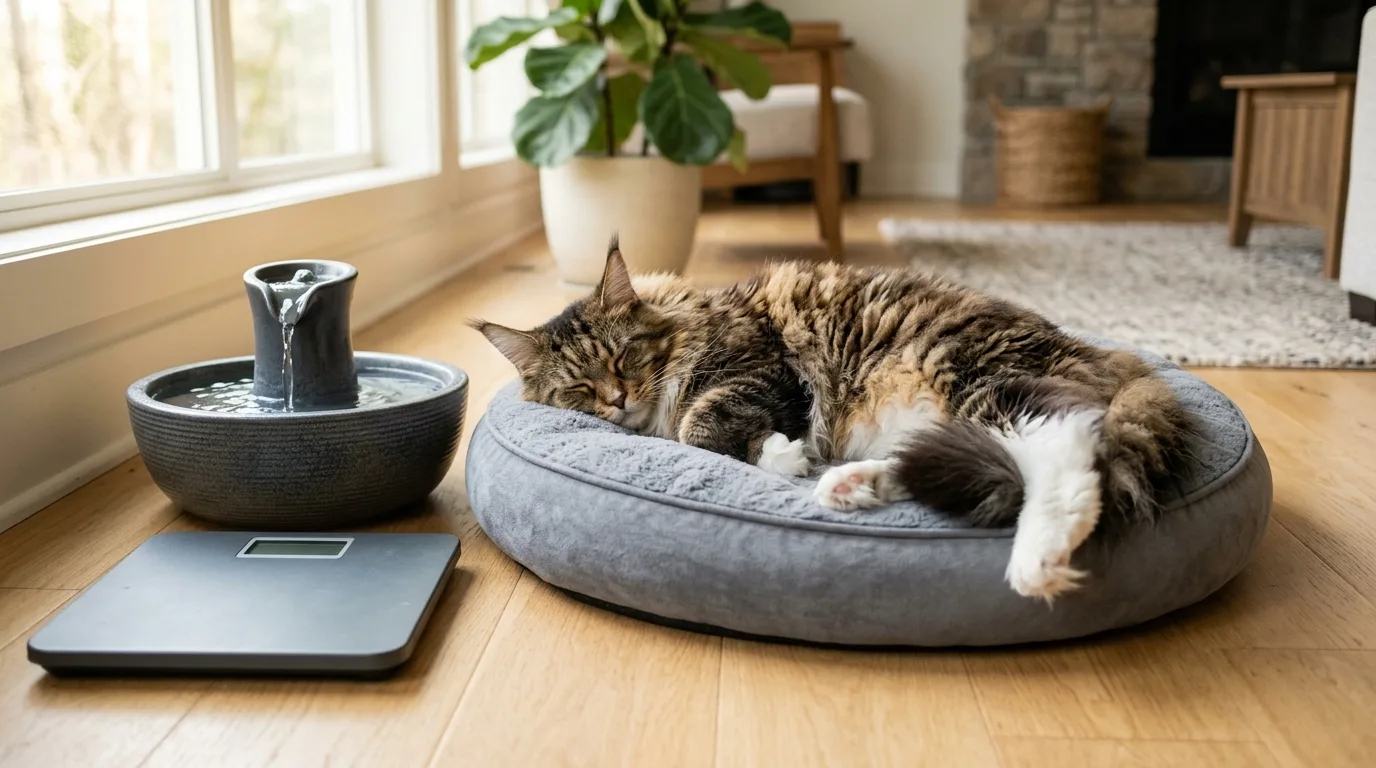
- Weekly Weight Tracking: Weigh your cat weekly using a digital pet scale. Gradual, unexplained weight loss is often the earliest indicator of chronic renal disease, diabetes, or metabolic illness.
- Sleeping Respiratory Rate: Count breaths when your cat is in a deep, uninterrupted sleep. One breath equals one chest rise and fall. Normal feline sleeping respiratory rate is 15 to 30 breaths per minute. Elevated resting rates point toward lower airway disease or cardiovascular congestion.
- Litter Box Habits: Check daily for changes in urine volume or frequency. Increased urination (polyuria) paired with increased thirst (polydipsia) points toward kidney dysfunction or diabetes.
- Coat and Grooming Condition: Notice if matting develops along the lower back, hips, or hind legs. When large cats experience spinal or hip joint discomfort, they often stop grooming difficult-to-reach areas.
- Activity and Mobility: Observe how your Maine Coon navigates vertical spaces. Hesitation before jumping onto a favorite chair or taking smaller, cautious steps indicates joint inflammation.
Routine Diagnostics and Dental Care
Proactive diagnostic protocols tailored to large-breed felines catch subclinical changes early:
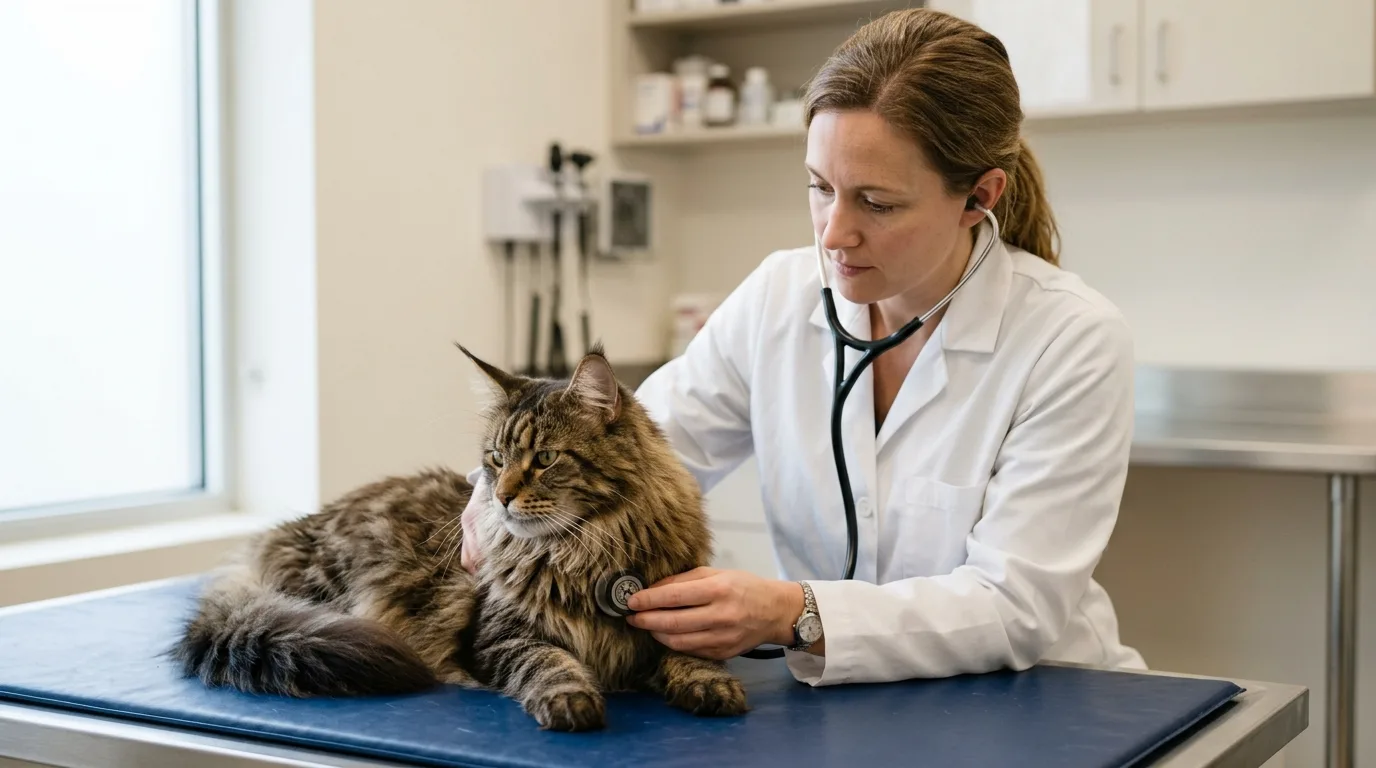
- Annual Physical Examination: Comprehensive evaluation including cardiac auscultation, thoracic palpation, joint range-of-motion testing, and oral cavity inspection.
- Dental Health Assessment: Veterinary oral examinations inspect gingival margins for feline juvenile stomatitis, which differs fundamentally from the crowded dental anatomy and 42 adult teeth in French Bulldogs where malocclusion drives severe tartar accumulation.
- Routine Blood Chemistry and Urinalysis: Baseline panels starting at age 3, progressing to comprehensive geriatric panels with Total T4 testing annually after age 7.
- Cardiovascular Screening: If a veterinarian detects a heart murmur, an arrhythmia, or an abnormal gallop rhythm, Doppler echocardiography is indicated to measure ventricular wall thickness and left atrial dimensions.
Environmental Support and Hydration Protocols
- Accessible Environmental Design: Provide sturdy cat trees with wide platforms and gentle stepped ramps so aging cats can access high resting spots without high-impact landings.
- Hydration Management: Place multiple wide water bowls or stainless-steel fountain units away from litter boxes and food bowls. Feline urinary and renal health depends on constant access to fresh, running water, as cats cannot rely on moisture-rich dietary treats like hydrating cantaloupe snacks for French Bulldogs to maintain optimal hydration.
- Joint Support Supplements: Under veterinary guidance, supplementing diets with high-purity omega-3 fatty acids (EPA and DHA), glucosamine, and chondroitin supports cartilage integrity and dampens systemic joint inflammation.
Clinical Red Flags and Emergency Protocols
Recognizing the severity of clinical symptoms allows owners to respond appropriately without panicking over minor behaviors.
| Clinical Presentation | Severity Level | Immediate Action Protocol |
|---|---|---|
| Isolated hairball or occasional single sneeze with normal appetite | Low | Monitor at home for 24 to 48 hours; maintain regular hydration and grooming. |
| Gradual reluctance to jump, mild morning stiffness, minor tartar buildup | Moderate | Schedule a non-urgent veterinary exam within 1 to 2 weeks for orthopedic or dental review. |
| Inappetence exceeding 24 hours, persistent vomiting, progressive weight loss | High | Contact your veterinary clinic for a diagnostic appointment within 24 hours. |
| Open-mouth breathing, sudden hind limb paralysis, extreme vocalization, collapse | Emergency | Transport immediately to the nearest 24-hour veterinary emergency hospital. |
Frequently Asked Questions About Maine Coon Health Issues
Are Maine Coon cats generally healthy?
Maine Coons are generally healthy, sturdy felines with a long life expectancy when provided with proper nutrition and veterinary care. While they have documented genetic predispositions to hypertrophic cardiomyopathy, hip dysplasia, spinal muscular atrophy, and pyruvate kinase deficiency, these risks are minimized through reputable breeder screening and routine wellness care.
What are the earliest symptoms of heart disease in Maine Coons?
The earliest signs of heart disease are often subtle because cats naturally conceal weakness. Key early indicators include an elevated sleeping respiratory rate exceeding 30 breaths per minute, mild lethargy after play, and sudden reluctance to engage in physical activity. A veterinarian may detect a subclinical heart murmur during a routine wellness exam before visible symptoms appear.
How can owners tell if a Maine Coon is experiencing joint pain?
Cats rarely limp or whimper when experiencing joint pain. Instead, they demonstrate behavioral modifications such as hesitating before jumping onto furniture, using intermediate objects to step down gradually, grooming less frequently along their lower back and hindquarters, and showing irritability when touched near the hips.
At what age do genetic conditions typically appear in Maine Coons?
Congenital conditions like spinal muscular atrophy typically appear during early kittenhood as motor coordination develops. Hereditary hypertrophic cardiomyopathy commonly manifests during early to mid-adulthood, although late-onset forms can emerge in senior cats. Joint conditions such as hip dysplasia and osteoarthritis become increasingly apparent as the cat attains full physical maturity and advances into adulthood.
Leave a Reply