
Table of Contents
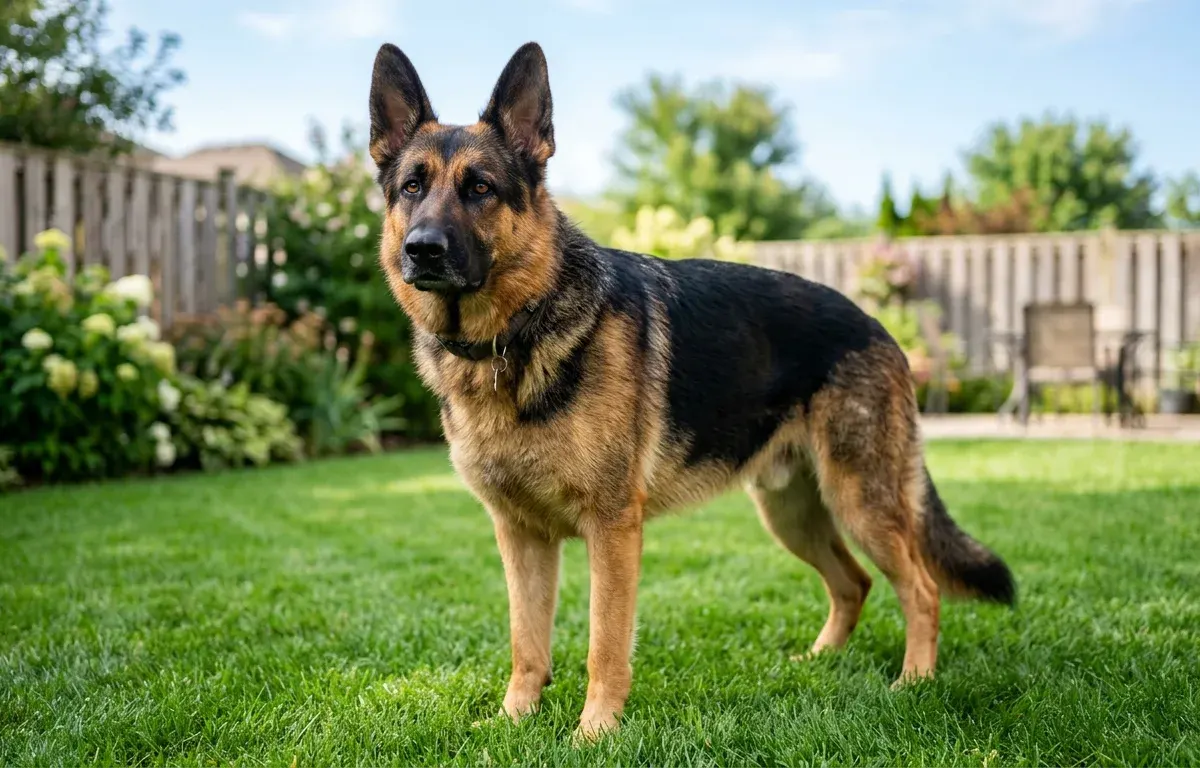
When defining what is a German Shepherd, it is best described as a large, versatile working dog breed originating in Germany in 1899, classified within the Herding Group by major kennel registries. Standing 22 to 26 inches tall at the withers and weighing between 50 and 90 pounds, the breed is recognized worldwide for exceptional intelligence, physical agility, steadfast loyalty, and protective instincts. German Shepherds thrive in active homes and working roles, requiring at least 60 to 90 minutes of daily vigorous exercise, early structured socialization, and consistent mental stimulation.
- Large, athletic Herding breed weighing 50 to 90 pounds (23 to 41 kg) with an average life expectancy of seven to ten years.
- Developed in 1899 by Max von Stephanitz as an all-around pastoral and utility working canine.
- Highly intelligent and trainable, excelling as family guardians, police K-9s, search-and-rescue dogs, and service animals.
- Dense double coat sheds continuously, with heavy seasonal shedding that requires regular brushing.
- High energy levels demand substantial daily exercise and purposeful mental engagement to prevent behavioral issues.
- Primary health considerations include hip and elbow dysplasia, degenerative myelopathy, and bloat (gastric dilatation-volvulus).
What Is a German Shepherd Dog?
The German Shepherd Dog, also known as the Alsatian in parts of Europe or commonly abbreviated as GSD, is one of the most recognizable and popular purebred canines in the world. Originally bred to herd and protect sheep in rural Germany, the modern German Shepherd has evolved into a multi-talented utility dog capable of performing demanding tasks ranging from family protection to military assistance.
A German Shepherd is a medium-to-large canine that balances muscular strength with refined agility. The breed exhibits calm confidence and an observant nature around strangers, combined with profound affection and devotion toward immediate family members. Unlike specialized companion dogs that require minimal physical activity, such as understanding what type of dog is a Pug in the companion toy grouping, a German Shepherd is a working dog that possesses high physical stamina and rapid problem-solving abilities.
Understanding what defines the breed involves examining its ancestral lineage, physical standards, behavioral predispositions, and daily maintenance requirements. While small lap dogs often trace back to court companion traditions, such as researching what dogs make a Pug to see ancient Asian breeding roots, the German Shepherd was engineered through selective working crosses for pastoral endurance and field utility. Prospective owners must recognize that a German Shepherd is not a passive household pet, but an active partner that requires continuous engagement, clear guidance, and dedicated daily care.
Breed Origins and Historical Working Purpose
The development of the German Shepherd began in late 19th-century Germany under the vision of Captain Max von Stephanitz, an ex-cavalry officer who sought to standardize regional herding dogs into a single superior working breed. In 1899, von Stephanitz purchased a dog named Hektor Linksrhein (later renamed Horand von Grafrath), who became the founding stud of the Verein für Deutsche Schäferhunde (SV), the first official breed club. Von Stephanitz adopted the core breeding motto “utility and intelligence,” prioritizing functional working capability and sound temperament above mere aesthetic appearance.
As industrialization reduced the reliance on sheep herding across central Europe, von Stephanitz and early breeders adapted the German Shepherd for civic and government roles. The breed quickly demonstrated unmatched aptitude for police work, tracking, border patrol, and military dispatch duties during World War I and World War II. Its keen olfactory senses, courage under pressure, and steadfast obedience made it the global blueprint for modern working K-9 units.
This functional working heritage contrasts sharply with toy and companion breeds developed primarily for indoor lap life. For instance, when looking at historical development, understanding what French Bulldogs were bred for highlights a transition toward urban companionship for textile artisans, just as examining what Pug dogs were bred for reflects centuries of imperial lap luxury in Asian palaces. In contrast, every physical and psychological attribute of the German Shepherd was engineered for outdoor endurance, physical protection, and complex task execution.
Physical Characteristics and Breed Standards
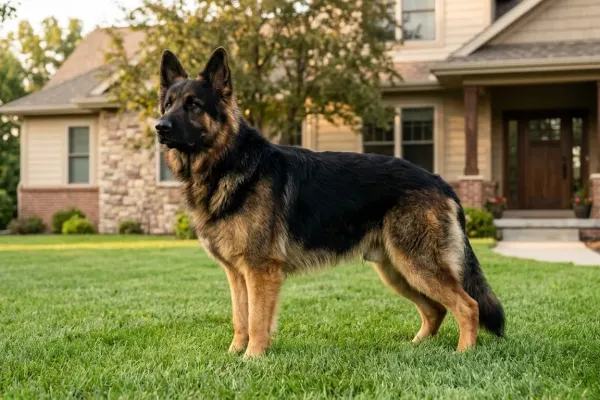
The German Shepherd presents a noble, strong, and well-proportioned silhouette. The body is slightly elongated relative to its height, with a deep chest, firm loin, and a strong topline that slopes gently from the withers toward the croup. The head is clean-cut and proportionate, featuring erect, forward-facing ears, a long wedge-shaped muzzle, and dark, almond-shaped eyes that express alert intelligence.
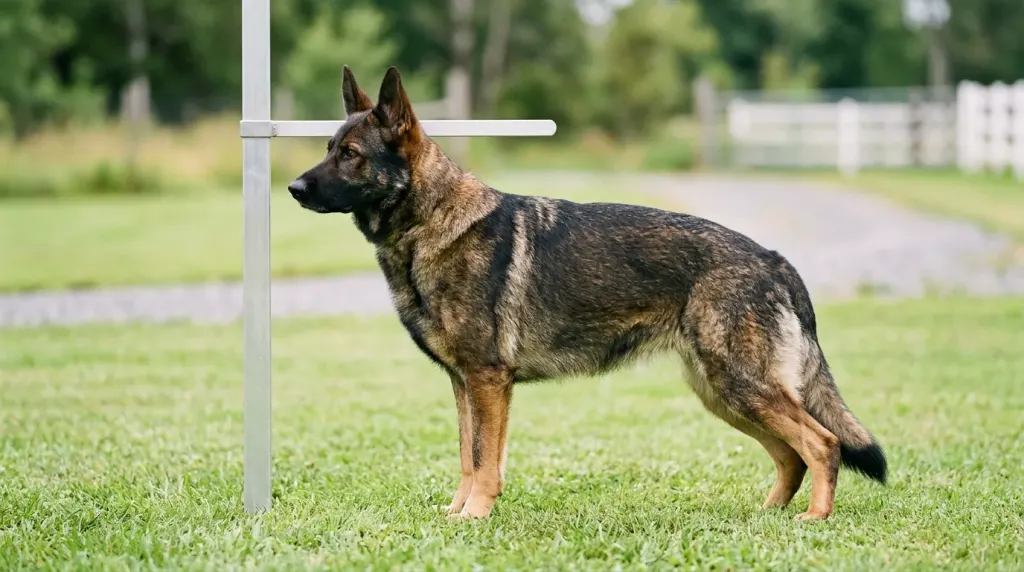
According to the official American Kennel Club German Shepherd Dog breed standard, the ideal physical measurements and conformational requirements include:
| Physical Trait | Official AKC Standard for German Shepherds |
|---|---|
| AKC Breed Group | Herding Group |
| Male Height | 24 to 26 inches (61 to 66 cm) at the withers |
| Female Height | 22 to 24 inches (56 to 61 cm) at the withers |
| Male Weight | 65 to 90 pounds (29 to 41 kg) |
| Female Weight | 50 to 70 pounds (23 to 32 kg) |
| Coat Type | Medium-length, straight double coat with dense undercoat |
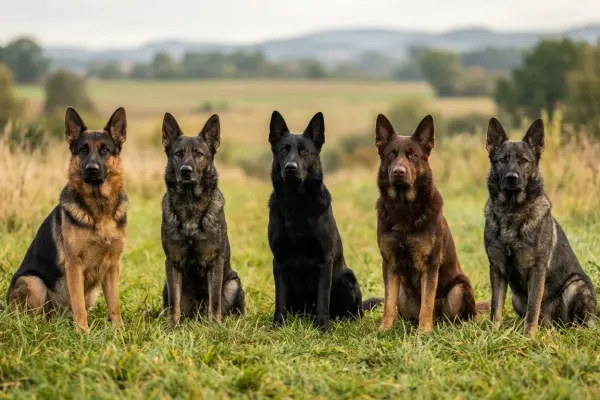
| Standard Colors | Black and tan, sable, bi-color, solid black |
| Average Lifespan | 7 to 10 years |
| Build and Conformation | Athletic, muscular, slightly elongated (10:8.5 length-to-height ratio) |
The breed possesses a dense double coat composed of a harsh, flat outer coat and a soft, weather-resistant undercoat. While black and tan is the most classic color pattern, sable (banded hair shafts creating varied shading) and solid black are also recognized and valued in working lines. Long-coated varieties also occur, featuring longer, feathered fur on the ears, chest, and tail.
When comparing canine morphology, large working breeds display vastly different proportions than brachycephalic companion canines. For example, evaluating what a French Bulldog looks like demonstrates a compact, heavy-boned build with a short muzzle and bat-like ears, while reviewing what a Pug dog looks like shows a square frame with deep facial wrinkles and a tightly curled tail. The German Shepherd features an aerodynamic, long-muzzled structure built for high-speed pursuit and sustained trotting over vast distances.
Temperament and Behavioral Characteristics
The temperament of a well-bred German Shepherd is characterized by self-confidence, courage, loyalty, and an eager willingness to work. These dogs form deep attachments to their human handlers and will instinctively watch over home and family. They tend to be polite but reserved toward unfamiliar people, assessing new situations before offering their trust.
Key behavioral traits of the German Shepherd include:
- High Trainability: Ranked among the top three most intelligent dog breeds, German Shepherds learn new commands rapidly and excel in complex, multi-step tasks.
- Protective Instincts: The breed has a natural drive to guard territory and family members, making early socialization essential to ensure confidence rather than unwarranted suspicion.
- Loyal Companionship: German Shepherds thrive on continuous human contact and often follow their owners closely from room to room.
- Strong Prey and Herding Drive: Unmanaged instincts can manifest as chasing small animals, nipping at heels, or vocal alerting if not channeled through constructive training.
Canine body language in German Shepherds is clear and expressive. Understanding subtle postural signals, such as what it means when dogs pull their ears back, helps owners identify whether their dog is expressing friendly submission, acute stress, or vigilant focus during daily interactions. A German Shepherd’s protective nature must be shaped through proactive socialization from early puppyhood. Exposing a puppy to diverse environments, sounds, and neutral people teaches the dog to distinguish between normal daily events and genuine threats.
Essential Care: Exercise, Grooming, and Nutrition
Maintaining a German Shepherd in peak physical and mental condition requires daily commitment across exercise, coat grooming, and dietary management.
Exercise and Mental Stimulation
A German Shepherd requires a minimum of 60 to 90 minutes of vigorous physical activity every day. Plain leash walks around the neighborhood are rarely sufficient on their own. The breed benefits immensely from high-energy activities such as fetch, agility obstacle courses, tracking games, swimming, and structured obedience drills.
Without adequate physical exertion and mental challenges, a German Shepherd will often channel pent-up energy into destructive habits, including excessive barking, digging, or chewing household items. Providing puzzle toys and regular scent-work exercises keeps their sharp minds engaged.
Grooming and Coat Care
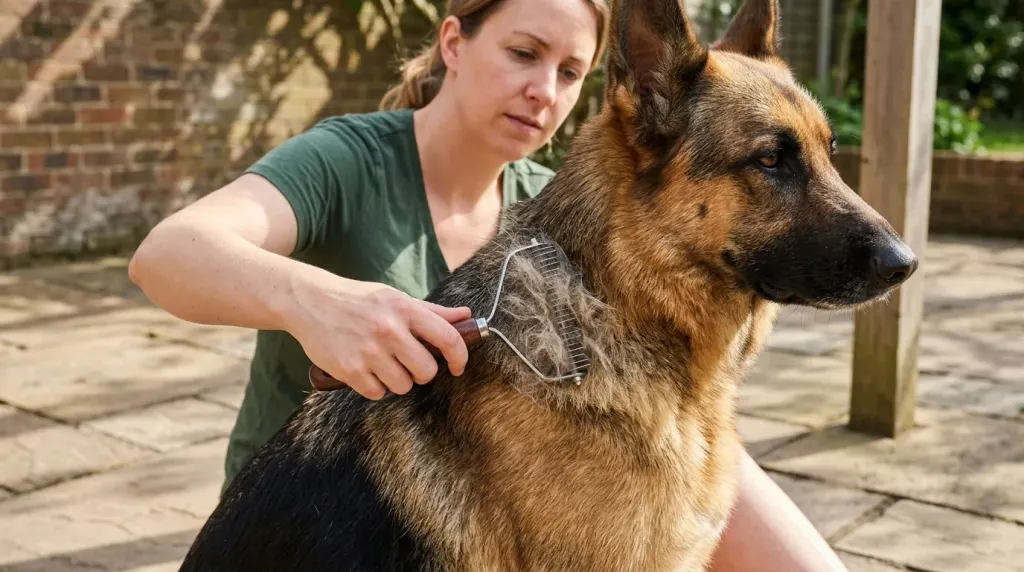
German Shepherds are affectionately nicknamed “German Shedders” due to their heavy, year-round coat shedding. The breed undergoes two major coat blowouts each year, typically in spring and autumn, during which the entire undercoat is shed over several weeks.
- Brushing Schedule: Brush the coat several times weekly using an undercoat rake and a slicker brush to remove loose fur and prevent matting. During seasonal blowouts in spring and autumn, daily brushing helps keep shedding under control.
- Bathing: Bathe the dog occasionally when soiled, typically every couple of months. Over-bathing can strip essential natural oils from the skin and coat.
- Nails and Teeth: Trim nails regularly to prevent split paws and postural strain, and brush teeth several times weekly to maintain dental health.
Nutrition and Space Management
Adult German Shepherds need a high-quality diet formulated for large working breeds, with appropriate protein and fat ratios to sustain their muscular frame. Caloric intake must be adjusted based on the dog’s daily activity level and age.
Owners managing multi-dog households should remember that dietary guidelines and nutritional tolerances vary widely across breeds. For example, reviewing what French Bulldogs can eat illustrates how digestive sensitivities and calorie requirements differ significantly between small companion breeds and high-output working dogs.
Furthermore, crate training provides a secure sanctuary and aids in behavioral management. While selecting what size crate for a French Bulldog involves compact dimensions (typically 24 to 30 inches), an adult German Shepherd requires a heavy-duty crate measuring 42 to 48 inches in length to allow comfortable standing, stretching, and turning.
Common Health Considerations in German Shepherds
While generally robust and athletic, German Shepherds are genetically predisposed to several significant musculoskeletal, neurological, and digestive disorders. Responsible breeding programs conduct rigorous health screenings on parent stock before mating.
Note: This guide offers educational breed information and does not replace professional veterinary consultation. Always consult a licensed veterinarian for formal orthopedic evaluations, diagnostic screenings, and personalized treatment plans.
According to general veterinary consensus, proactive orthopedic monitoring and routine digestive care are vital for supporting the German Shepherd’s active working lifestyle throughout every life stage.
Primary health conditions seen in the breed include:
- Hip and Elbow Dysplasia: Developmental malformations of the hip or elbow joints where the ball and socket do not fit snugly, leading to progressive cartilage wear, pain, and secondary osteoarthritis. The Orthopedic Foundation for Animals (OFA) and PennHIP provide diagnostic scoring for breeding dogs.
- Degenerative Myelopathy (DM): A progressive, painless neurological disease of the spinal cord that causes gradual weakness and loss of coordination in the hind limbs, typically appearing in middle-aged to older dogs. DNA testing can identify carrier and at-risk genetic status.
- Gastric Dilatation-Volvulus (GDV / Bloat): A life-threatening emergency common in deep-chested breeds where the stomach fills with gas and twists on its axis, cutting off blood supply. Preventive measures include feeding smaller meals, avoiding strenuous exercise immediately after eating, and discussing preventive gastropexy surgery with a veterinarian.
- Exocrine Pancreatic Insufficiency (EPI): A condition where the pancreas fails to produce adequate digestive enzymes, resulting in chronic weight loss and loose stools despite a ravenous appetite. It is managed with lifelong enzyme supplementation.
When contrasting spinal and joint conditions across breeds, canine owners often compare large-breed dysplasia with conditions such as what IVDD is in French Bulldogs, recognizing that both large athletic dogs and compact chondrodystrophic breeds require attentive joint and spinal preservation. Similarly, managing mobility and hygiene in aging canines requires tailored equipment, such as determining what size dog diaper for a Pug when addressing senior incontinence in smaller companion pets compared to specialized large-breed harnesses.
What to Know About German Shepherds Before Adopting
Bringing a German Shepherd into your home is a major long-term commitment that requires considerable time, energy, and leadership. Their intelligence and protective instincts make them extraordinary companions when properly trained, but challenging pets if neglected.
A German Shepherd is likely a strong match for your home if:
- You lead an active outdoor lifestyle and want a dedicated companion for hiking, running, or training sports.
- You have the time to invest at least one to two hours daily into physical exercise and mental engagement.
- You are committed to consistent obedience training using positive reinforcement methods.
- You do not mind frequent vacuuming and regular grooming to manage heavy shedding.
Conversely, the breed may not suit owners who work long hours away from home, individuals seeking a low-maintenance pet, or families living in cramped quarters without access to outdoor exercise areas. For apartment dwellers seeking a low-energy companion, learning what is a French Bulldog or researching other small companion profiles may offer a better lifestyle match.
Frequently Asked Questions About German Shepherds
Are German Shepherds good family pets?
Yes, German Shepherds can make outstanding family pets when they receive early socialization, consistent obedience training, and ample daily exercise. They are gentle and protective with household children, though their large size and enthusiastic play style require supervision around small toddlers.
How much daily exercise does a German Shepherd need?
An adult German Shepherd requires between 60 and 90 minutes of daily physical exercise, combining brisk walks, off-leash running in secure areas, interactive games like fetch, and structured mental challenges such as obedience or scent work.
Do German Shepherds shed heavily?
Yes, German Shepherds shed continuously throughout the year and experience heavy seasonal shedding twice annually during coat blowouts. Regular brushing several times a week helps remove loose fur and keeps the double coat healthy.
How long do German Shepherds live?
The average lifespan of a German Shepherd is seven to ten years. Proper nutrition, joint support, preventive veterinary care, and maintaining a lean body weight support longevity and quality of life.
Can German Shepherds live comfortably in an apartment?
While German Shepherds can adapt to apartment living if their exercise needs are rigorously met, they thrive best in homes with a fenced yard where they can move freely and expend energy throughout the day.
Leave a Reply