
Table of Contents
How long do Maine Coon cats live depends on inherited genetics, living conditions, and routine veterinary care, with healthy indoor individuals commonly reaching 12 to 15 years. Breed registries typically cite a 12 to 15 year benchmark, though clinical studies reveal meaningful variation. UK VetCompass primary care records show a birth median of 9.71 years due to early congenital conditions like hypertrophic cardiomyopathy (HCM), while Swedish Agria insurance data indicates that 54% of insured Maine Coons survived to 12.5 years or older. Longevity varies by individual health profile, preventative cardiac screening, and daily lifestyle care.
- Most breed registries report a typical 12 to 15 year lifespan, though individual longevity varies based on genetics and lifestyle.
- A 2024 UK VetCompass study recorded a median lifespan of 9.71 years across 69 primary care deaths, reflecting early mortality from genetic risks.
- Swedish Agria pet insurance data showed 54% of insured Maine Coons survived to 12.5 years or older.
- Maine Coon mix cats often reach 12 to 15+ years, benefiting from genetic diversity while remaining susceptible to shared physical traits.
- Hypertrophic cardiomyopathy (HCM), hip dysplasia, and spinal muscular atrophy (SMA) represent the primary genetic conditions affecting longevity.
- Maine Coons mature slowly over 3 to 5 years, requiring age-appropriate preventative care aligned with AAHA/AAFP feline life stage guidelines.
Understanding how long do Maine Coon cats live requires looking past single-number averages. Longevity in this gentle giant breed is a dynamic outcome shaped by inherited genetics, routine diagnostic screenings, indoor protection, and weight management across distinct life stages.
Average Lifespan: What Veterinary Studies Reveal
When evaluating how long maine coon cats live, owners often encounter conflicting numbers. Most cat fancy associations and general breed books list the expected lifespan at 12 to 15 years. However, formal veterinary cohort studies offer a more detailed, population-level perspective on how long do maine coons cats live in real-world clinical settings.
In 2024, researchers published a comprehensive feline life table analysis in the Journal of Feline Medicine and Surgery using data from the UK VetCompass programme. Led by Teng and colleagues, the study analyzed 7,936 confirmed cat deaths in primary veterinary clinics. Within this dataset, the Maine Coon cohort (comprising 69 recorded deaths) had a median life expectancy at birth of 9.71 years, with a 95% confidence interval of 8.42 to 11.00 years. Similar primary care epidemiological studies across companion animals highlight how breed morphology influences life expectancy, such as clinical research documenting the average lifespan of French Bulldogs and other popular domestic breeds.
This statistical finding does not mean an individual cat is destined to pass away before age 10. Population median figures at birth account for all causes of mortality across an entire registry, including early losses from severe congenital heart defects or infectious illnesses. Crucially, life expectancy increases as a cat survives early vulnerabilities. A healthy 8-year-old Maine Coon has already passed early developmental risks, meaning its remaining life expectancy cannot be calculated by simply subtracting eight from the birth median.
To provide a broader geographic context, a long-term Swedish mortality study published in the Journal of Veterinary Internal Medicine examined Agria pet insurance records across purebred populations. In that Swedish cohort, 54% of insured Maine Coons lived to 12.5 years or older, while 38% died before 10 years of age. These findings highlight that with proper breeding practices and veterinary oversight, reaching 12 to 15 years remains a realistic expectation. Because certified catteries invest heavily in genetic screenings to reduce early mortality, evaluating Maine Coon kitten acquisition costs helps prospective owners identify responsible breeders dedicated to lifelong wellness. For further background on feline health trends across breeds, explore our general feline health resources.
| Study / Source | Reported Lifespan Benchmark | Cohort Scope & Key Takeaway |
|---|---|---|
| General Breed Consensus | 12-15 years | Broad veterinary consensus for indoor, healthy domestic purebreds. |
| VetCompass UK (Teng et al., 2024) | 9.71 years median at birth (95% CI: 8.42-11.00) | Primary care cohort (69 deaths) reflecting all-cause mortality, including early cardiac deaths. |
| Swedish Agria Insurance (Egenvall et al., 2009) | 54% survived to 12.5+ years | Insured population demonstrating strong survival into senior years under routine veterinary care. |
How Long Do Maine Coon Mix Cats Live?
Crossbred cats with Maine Coon ancestry frequently enjoy a life expectancy of 12 to 15 years or longer, with many individuals thriving into their late teens (16 to 18 years).
The longevity of a Maine Coon mix is often enhanced by heterosis, commonly known as hybrid vigor. By introducing broader genetic diversity from domestic shorthair or other feline lineages, the likelihood of inheriting two copies of recessive genetic mutations is substantially reduced. Nevertheless, a mix can still inherit distinct physical traits, ranging from unique characteristics like how many toes Maine Coon cats have to heavy bone frames or inherited cardiac mutations if one parent passed down the variant. Providing proactive wellness care ensures that mix cats maximize their natural longevity potential. For owners comparing longevity across other popular domestic cat varieties, see our analysis of how long Ragdoll cats live under similar indoor home environments.
Key Health Factors That Affect Maine Coon Longevity
Several specific medical conditions directly influence how long do maine coon cats live. Because Maine Coons possess a distinct genetic background and a substantial physical size, owners and veterinarians must monitor several key organ systems throughout the cat’s life.
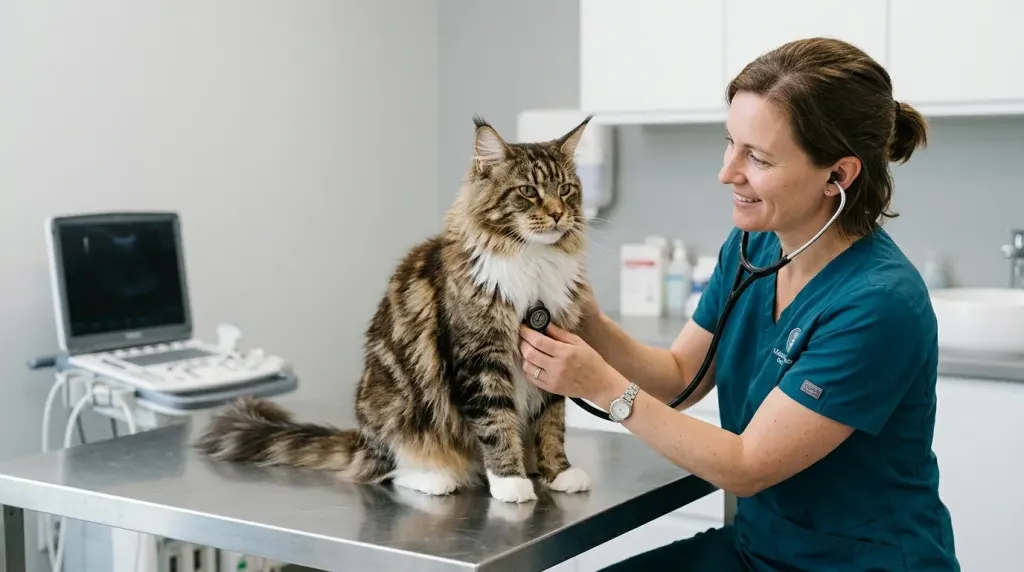
The most critical health concern in the breed is Hypertrophic Cardiomyopathy (HCM), a genetic condition characterized by an abnormal thickening of the muscular walls of the heart’s left ventricle. This thickening impairs the heart’s ability to pump blood efficiently, potentially leading to congestive heart failure, pulmonary edema, or aortic thromboembolism (blood clots). HCM can develop silently in young or middle-aged cats, making routine cardiac auscultation and periodic diagnostic imaging indispensable.
Beyond heart disease, Maine Coons are predisposed to:
- Hip Dysplasia: A malformation of the ball-and-socket hip joint that leads to osteoarthritis, chronic pain, and reduced mobility. Their heavy skeletal build places additional mechanical stress on joints, making weight management essential.
- Spinal Muscular Atrophy (SMA): A genetic motor neuron disorder causing muscle weakness and wasting in the hind limbs, typically appearing within the first few months of life.
- Periodontal Disease: Chronic oral inflammation that, if left untreated, allows bacteria to enter the bloodstream and compromise renal and cardiac health. Understanding oral structures is vital for preventative wellness; just as monitoring teeth development in French Bulldogs guides proactive canine dental care, regular feline oral inspections prevent systemic complications.
Note: Genetic screening and veterinary examinations provide critical risk indicators, but they do not replace direct, hands-on clinical care from a licensed veterinarian if your cat shows signs of illness.
Regular echocardiographic screening remains essential because cats lacking known genetic mutations can still develop cardiomyopathy through alternate hereditary pathways.
Maintaining healthy body mass directly protects both the heart and large joints. You can learn more about assessing healthy development by tracking adult Maine Coon weight.
Genetic DNA Tests vs. Cardiac Ultrasound: What Each Tool Tells You
Prospective and current owners often ask whether a clear DNA test guarantees lifelong cardiac health. The short answer is no. Understanding the distinct purpose of each diagnostic tool is vital for effective health tracking.
As documented by the UC Davis Veterinary Genetics Laboratory, genetic testing for Maine Coon HCM identifies a specific mutation known as A31P in the MYBPC3 gene. While testing breeding stock helps reduce the frequency of this specific mutation across bloodlines, HCM in cats is genetically heterogeneous. A cat that tests negative for the A31P mutation can still develop cardiomyopathy caused by other, currently unidentified genetic mutations or secondary health factors.
| Diagnostic Tool | What It Measures | Clinical Benefit | Limitation |
|---|---|---|---|
| Genetic DNA Test (A31P Variant) | Identifies presence of one specific mutation in the MYBPC3 gene. | Non-invasive cheek swab; guides responsible breeding pairs. | Does not evaluate actual heart structure; cannot detect other HCM mutations. |
| Cardiac Ultrasound (Echocardiogram) | Measures actual ventricular wall thickness and blood flow dynamics in real time. | Gold standard for clinical diagnosis and staging heart function. | Captures heart condition only at the time of examination; requires periodic repeat scans. |
Maine Coon Life Stages and What to Expect
Maine Coons develop along a significantly slower growth curve than standard domestic cat breeds. While typical domestic cats reach full physical and skeletal size around 12 to 18 months, a Maine Coon often requires 3 to 5 full years to complete bone, muscle, and coat development. Extended maturation curves also occur in other large domestic cat breeds, as detailed in our guide examining how big Ragdoll cats get across developmental stages.
Structuring your cat’s preventative healthcare around the 2021 AAHA/AAFP Feline Life Stage Guidelines ensures that medical interventions match physiological changes. These guidelines divide a cat’s lifespan into four foundational stages:
- Kitten (Birth to 1 Year): Rapid skeletal growth and immune system development. Primary care focuses on core vaccinations, parasite prevention, baseline microchipping, and initial genetic screening.
- Young Adult (1 to 6 Years): Slow consolidation of skeletal frame and muscular bulk. Care focuses on annual wellness exams, baseline bloodwork, dental monitoring, and cardiac screening for breeding cats. Compare your cat’s growth against full-grown Maine Coon size benchmarks to ensure steady, healthy development.
- Mature Adult (7 to 10 Years): Peak physical maturity transitioning toward early senior physiology. Metabolic rates begin to shift, requiring careful calorie adjustments, annual chemistry panels, blood pressure checks, and proactive joint assessments.
- Senior (10+ Years): Increased susceptibility to chronic renal disease, degenerative joint disease, hyperthyroidism, and cardiac changes. Preventative care shifts to biannual (every 6 months) veterinary checkups, comprehensive geriatric blood panels, urinalysis, and mobility support.
| Life Stage (AAHA/AAFP) | Chronological Age | Key Physical Milestone | Primary Veterinary Focus |
|---|---|---|---|
| Kitten | Birth to 1 year | Rapid frame expansion and immune priming | Core vaccines, parasite prevention, genetic health baseline |
| Young Adult | 1 to 6 years | Gradual muscular filling and bone density (up to age 5) | Annual physicals, dental charting, baseline echocardiograms |
| Mature Adult | 7 to 10 years | Metabolic plateau and early mobility shifts | Annual blood chemistry, blood pressure, renal monitoring |
| Senior | 10+ years | Geriatric maintenance and chronic disease management | Biannual exams, full geriatric panels, arthritis management |
Evidence-Based Ways to Help Your Maine Coon Live Longer
While genetics establish baseline health tendencies, everyday management decisions heavily determine how long do maine coon live in a home setting. Implementing evidence-based care routines significantly improves both lifespan and quality of life.
Maintain an Exclusively Indoor Lifestyle
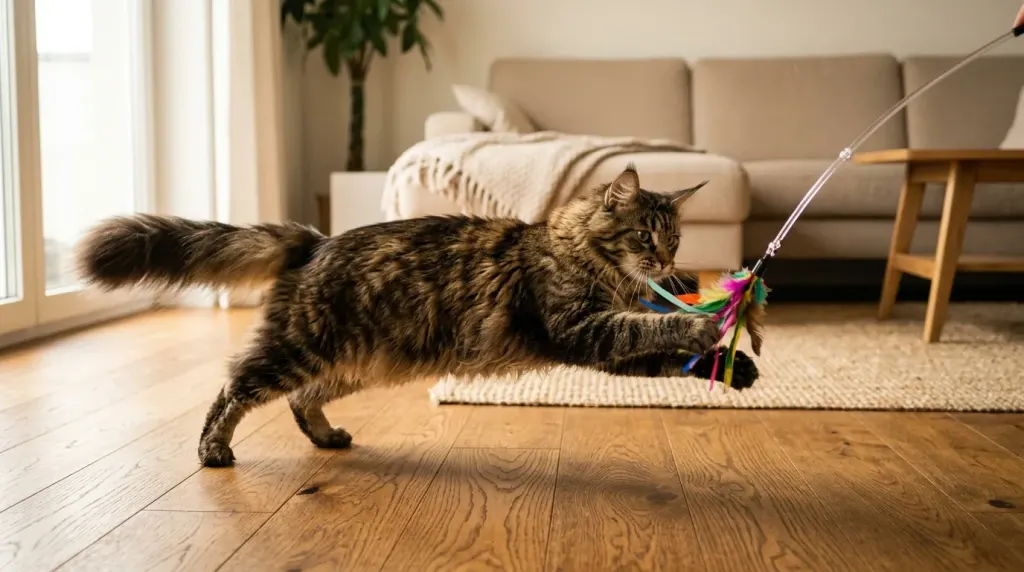
Indoor living is one of the single most impactful factors in feline longevity. Keeping cats indoors shields them from major outdoor hazards, including vehicular trauma, predator attacks, and fatal communicable infections such as Feline Leukemia Virus (FeLV) and Feline Immunodeficiency Virus (FIV). However, indoor cats still require proactive protection against indoor hazards. According to the Cornell Feline Health Center, common household risks include toxic plants (particularly lilies), human medications, and cleaning chemicals. To satisfy their natural hunting and climbing instincts safely indoors, provide sturdy multi-level cat trees, puzzle feeders, and daily interactive play sessions.
Proactive Weight Management and Lean Body Condition
Because Maine Coons possess large physical frames, owners frequently mistake excess body fat for normal breed size. Excess weight strains the cardiovascular system and accelerates cartilage breakdown in hip and elbow joints. Work with your veterinarian to assess your cat’s Body Condition Score (BCS) on a 1-to-9 scale, aiming for a lean score of 4 or 5 where ribs are easily felt without excess fat padding.
Professional Dental Hygiene and At-Home Brushing
Oral health directly impacts systemic longevity. Bacteria from advanced periodontal disease enter the bloodstream through inflamed gingival tissue, placing chronic stress on the kidneys and heart valves. Introduce daily or weekly tooth brushing using pet-safe enzymatic toothpaste early in life, and schedule professional veterinary dental cleanings under anesthesia when tartar accumulates.
Hydration and Renal Support
Cats have an evolutionarily low thirst drive, which can contribute to concentrated urine and long-term renal strain. Support continuous hydration by providing circulating water fountains, keeping water dishes clean and separate from food bowls, and incorporating moisture-rich wet or canned food into daily meal rations.
Regular Coat Care and Grooming Routine
A dense, water-resistant semi-long double coat requires ongoing maintenance to prevent severe matting. Unmanaged mats pull tightly on sensitive skin, causing painful sores, restricted movement, and localized infections that distress aging felines. Establishing a regular Maine Coon coat care routine and learning how to manage seasonal Maine Coon shedding keeps your cat comfortable throughout every season.
Practical Veterinary & Record-Review Checklist for Owners
Rather than relying on general life expectancy claims, maintaining an organized medical file empowers you to advocate effectively for your cat’s individual health needs. Tracking baseline measurements and comparing developmental milestones, similar to evaluating adult size benchmarks for French Bulldogs across growth phases, helps owners detect subtle physiological changes early. For breeding lines, documenting queen health alongside reproductive benchmarks such as gestation timelines for French Bulldogs provides essential comparative context for veterinary teams.
| Clinical Category | What to Document | Clinical Purpose | Question for Your Veterinarian |
|---|---|---|---|
| Pedigree & Genetic Data | A31P DNA test status, SMA test status, and parental health clearances. | Establishes baseline genetic risk profile for inherited conditions. | Based on these genetic records, what specific screening schedule do you recommend? |
| Cardiovascular Records | Stethoscope auscultation notes, NT-proBNP biomarker results, echocardiogram reports. | Tracks cardiac wall thickness and detects early heart murmur development. | Did you detect any murmur or gallop rhythm during today’s cardiac exam? |
| Laboratory Baselines | Annual complete blood count (CBC), serum chemistry panel (BUN, Creatinine, SDMA), urinalysis. | Establishes individual baseline values to identify subtle renal or metabolic shifts early. | How do today’s kidney and liver values compare to my cat’s baseline from last year? |
| Weight & Mobility Logs | Monthly home weight measurements, subtle changes in jumping height or grooming habits. | Detects gradual weight loss or early osteoarthritis before severe mobility loss occurs. | Are my cat’s weight trends and joint mobility appropriate for its current life stage? |
Frequently Asked Questions
How old do Maine Coon cats live on average?
Most cat registries cite an expected lifespan of 12 to 15 years for domestic indoor cats, though individual longevity depends heavily on genetic health and preventative care. Clinical studies such as the UK VetCompass research report a lower birth median of 9.71 years due to early hereditary heart conditions, but cats that stay healthy past early adulthood frequently thrive well into their teens under regular veterinary oversight.
Can a Maine Coon cat live to be 20 years old?
Yes, individual Maine Coons can reach 18 to 20 years, though living to two full decades remains rare across the breed. Reaching advanced senior age requires genetics free from cardiomyopathy, protected indoor housing, sustained weight control, and consistent senior veterinary monitoring.
Why do some veterinary studies show a shorter lifespan for Maine Coons?
Veterinary mortality studies based on primary care databases record all feline deaths across a clinic cohort, including kittens and young cats that succumb early to hereditary heart disease or severe acute illnesses. These early losses pull down the overall median life expectancy calculated at birth compared to the remaining lifespan of an adult cat that has already navigated early health risks.
Do Maine Coon mix cats live longer than purebreds?
Maine Coon mix cats often reach 12 to 15 years or older, frequently benefiting from greater genetic diversity than purebred cats. This potential advantage, known as hybrid vigor, broadens the gene pool and lowers the risk of inheriting two copies of breed-specific recessive health mutations, provided they receive regular wellness care.
Leave a Reply