

Table of Contents
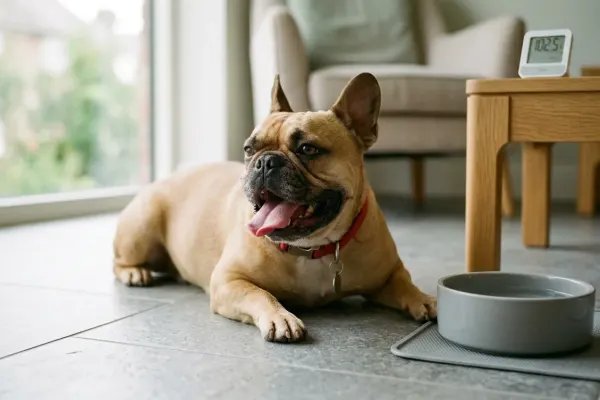
If you wonder do French Bulldogs have breathing problems, the answer is yes. French Bulldogs frequently suffer from respiratory difficulties caused by their flat-faced anatomy, a condition known as Brachycephalic Obstructive Airway Syndrome (BOAS). Selective breeding for a shortened skull leaves soft tissue crowding the upper airway, resulting in narrowed nostrils, an elongated soft palate, and restricted airflow. While mild cases cause snoring and snorting, severe obstruction requires medical management or surgical correction.
- Most French Bulldogs inherit some degree of airway compromise due to their brachycephalic skull structure.
- Snorting and noisy breathing stem from narrowed nostrils (stenotic nares) and excess tissue in the throat.
- Blueish gums, collapse, or severe panting during light activity indicate a medical emergency needing immediate vet attention.
- Corrective BOAS surgery generally costs between $1,500 to $6,000 depending on the procedure's complexity.
- Weight management, harness use, and heat protection help reduce respiratory strain without surgery.
What Is BOAS and Why French Bulldogs Are Prone to It
Brachycephalic Obstructive Airway Syndrome (BOAS) describes a combination of upper respiratory abnormalities found in short-muzzled dog breeds. French Bulldogs feature a high cephalic index, meaning their skull is notably wide relative to its length. Over generations, selective breeding shortened the facial bones without reducing the underlying soft tissue proportionally. Consequently, the same volume of tissue must fit inside a compressed nasal cavity and pharynx.
According to veterinary specialists at the Cornell Riney Canine Health Center, this anatomical compression causes obstruction at multiple points along the upper respiratory tract. The principal anatomical defects involved in BOAS include:
- Stenotic nares: Pinched or abnormally narrow nostrils that restrict air entry through the nose.
- Elongated soft palate: A palate that extends too far into the back of the throat, partially blocking the opening of the windpipe (trachea).
- Everted laryngeal saccules: Pouches of tissue near the vocal cords that turn outward into the airway due to chronic increased suction effort.
- Hypoplastic trachea: An abnormally narrow windpipe diameter that increases resistance during breathing.
Because of these structural limitations, many French Bulldogs have trouble breathing when exposed to routine physical exertion or elevated temperatures. Understanding these underlying physical traits also provides helpful context when evaluating broader French Bulldog breed characteristics.
How Common Are Breathing Problems in French Bulldogs?
Airway obstruction affects a significant majority of the French Bulldog population. Clinical studies confirm that flat-faced breeds show high rates of respiratory effort even during rest. Research published by Poncet et al. in PubMed revealed that over 93% of brachycephalic dogs evaluated for respiratory issues also presented concurrent gastrointestinal signs, such as regurgitation or vomiting, caused by extreme chest pressures generated during labored breathing.
Large-scale epidemiology data from the Royal Veterinary College (RVC) and the UK Royal Kennel Club Respiratory Function Grading Scheme show that more than half of French Bulldogs assessed exhibit noticeable clinical signs of BOAS. Veterinary epidemiology studies consistently conclude that heavy selection for aesthetic flat-faced features has led to widespread respiratory compromise across flat-faced dog populations.
Recognizing Signs: From Normal Snorting to Medical Emergencies
Identifying airway compromise early allows owners to adjust daily care before severe distress occurs. French Bulldogs produce a wide variety of respiratory sounds, some of which are common to the breed while others signal worsening airway collapse.

Understanding why French Bulldogs snort helps owners distinguish between typical anatomical noises and active distress. Snorting occurs when inhaled air passes through narrowed nostrils or vibrates against excess soft tissue in the palate. While light snorting during excitement or sniffing is common, persistent loud rasping indicates obstructed airflow.
Common signs of mild to moderate airway strain include:
- Loud snoring while sleeping or resting.
- Frequent snorting, grunting, or reverse sneezing during mild activity.
- Heavy mouth breathing and excessive panting after short walks.
- Foamy saliva buildup around the mouth after exercise.
In contrast, severe airway blockage creates life-threatening distress. When a dog cannot intake sufficient oxygen or cool its body through panting, respiratory collapse occurs rapidly. Seeking immediate emergency veterinary care is critical if you observe any of the following warning signs:
- Blue, purple, or pale gums and tongue (cyanosis indicating low oxygen).
- Sudden collapse, fainting, or inability to stand.
- High-pitched squeaking or stridor sounds during inhalation.
- Uncontrollable overheating with body temperatures exceeding 104°F (40°C).
- Severe chest contractions where the abdomen heaves dramatically with each breath.
Respiratory distress places intense psychological and physical stress on a dog. Owners sometimes misinterpret anxious clinging or frantic pacing as attention-seeking behavior, when the dog is actually seeking air or cooling relief. Reviewing clingy behavior in French Bulldogs helps differentiate emotional attachment from physical discomfort.
Note: A French Bulldog experiencing acute respiratory failure must be kept cool and calm during transit to an emergency clinic. Avoid handling the neck area, and apply cool water to the paws and belly to reduce body temperature safely.
When to Take Your Frenchie to the Vet Immediately
Do not wait for a scheduled appointment if your dog exhibits cyanosis, collapse, or continuous gasping. Emergency oxygen therapy and intravenous cooling are often necessary to stabilize a dog in respiratory crisis before diagnostic evaluations can begin.
Diagnosing and Treating BOAS in French Bulldogs
Veterinary diagnosis of BOAS begins with a thorough physical examination, exercise tolerance testing, and chest radiography. However, evaluating the soft palate and laryngeal saccules requires airway endoscopy under light anesthesia.

Treatment options depend on the severity of the obstruction. Mild cases respond well to lifestyle adjustments, while moderate to severe cases benefit significantly from surgical correction. According to Dr. Jane Ladlow, a European Specialist in Small Animal Surgery at the University of Cambridge, evaluating dogs while active is vital because resting breathing sounds rarely reveal the full impact of airway obstruction during daily exercise.
The primary surgical interventions for BOAS include:
| Procedure | Target Anatomical Defect | Surgical Objective |
|---|---|---|
| Rhinoplasty (Alarplasty) | Stenotic Nares | Trims a wedge of tissue from the nostrils to widen the nasal opening. |
| Staphylectomy | Elongated Soft Palate | Resects excess palate tissue so it no longer blocks the entrance to the larynx. |
| Sacculectomy | Everted Laryngeal Saccules | Removes everted tissue pouches near the vocal cords to clear the airway path. |
Performing corrective surgery early, ideally before two to three years of age, prevents secondary airway changes such as laryngeal collapse caused by chronic negative pressure. Managing stress and keeping dogs calm before and after surgical procedures is also crucial for airway safety. Utilizing positive reinforcement through French Bulldog intelligence and training helps owners implement effective calm-handling techniques during clinical visits and post-operative recovery.
How Much Is BOAS Surgery for a French Bulldog?
Cost is a major consideration for owners evaluating surgical treatment options. Owners frequently ask how much is BOAS surgery for a French Bulldog before deciding on a treatment plan. Overall costs vary based on geographic location, clinic accreditation, and whether the dog requires single or multiple surgical procedures.
Cross-referenced data from veterinary cost trackers show that comprehensive BOAS surgery for a French Bulldog generally costs between $1,500 to $6,000 in the United States:
| Procedure Scope | Estimated Cost Range (USD) | Included Services |
|---|---|---|
| Nares Correction Only (Rhinoplasty) | $800 to $2,500 | Outpatient nostril widening, local anesthesia, basic follow-up. |
| Combined Nares & Soft Palate Surgery | $2,000 to $4,500 | Anesthesia, soft palate resection, nares widening, routine recovery monitoring. |
| Full BOAS Repair (Nares, Palate & Saccules) | $3,500 to $6,000+ | Endoscopy, multi-procedure repair, overnight ICU oxygen monitoring. |
Owners should also budget for pre-surgical bloodwork, chest X-rays, and potential emergency stabilization fees if the dog arrives in severe distress.
Daily Care and Long-Term Prevention for Owners
Non-surgical management focuses on reducing physical strain and environmental triggers that exacerbate airway restriction. Implementing consistent daily precautions helps French Bulldogs maintain good life quality:
- Weight control: Excess body fat places direct pressure on the chest and neck, narrowing the airway further. Maintaining a lean body condition is the single most effective non-surgical management tool.
- Harness use: Never attach a leash to a collar for walking. A chest harness distributes pull forces across the shoulders rather than compressing the windpipe.
- Temperature management: French Bulldogs cannot regulate body temperature efficiently through panting. Keep dogs indoors in air-conditioned environments when ambient temperatures exceed 75°F (24°C).
- Exercise moderation: Limit walks to cool morning or evening hours, avoiding vigorous games during warm weather.
- Crate environment: Provide a spacious, well-ventilated resting space to prevent overheating during sleep. Choosing proper crate sizing for French Bulldogs ensures adequate airflow around your pet.
Understanding these daily care requirements is essential when evaluating whether French Bulldogs as household pets fit your household lifestyle and regional climate.
How to Select a Puppy with Better Breathing Potential
Prospective buyers can take proactive steps to select healthier puppies. Look for breeders participating in official health screening initiatives, such as the Respiratory Function Grading Scheme developed by the Kennel Club and the University of Cambridge.
When visiting a litter, observe the parents and puppies closely:
- Choose puppies with open, wide nostrils rather than tight slits.
- Listen for quiet nasal breathing while resting, avoiding puppies that snore continuously at a young age.
- Ask the breeder for health certificates and breathing grade scores of both parent dogs.
Implementing calm reinforcement methods and consistent routines also helps keep stress levels low during puppyhood.
Frequently Asked Questions About French Bulldog Breathing
Is it normal for a French Bulldog to breathe heavily while resting?
Heavy or noisy breathing at rest is common in flat-faced dogs, but it is not healthy. It indicates that structural obstruction is forcing the dog to exert extra muscular effort even when relaxed.
Can a French Bulldog live a normal life with BOAS?
Many French Bulldogs live happy, comfortable lives with mild BOAS when owners manage their weight, avoid heat exposure, and use a harness. Moderate to severe cases require surgical evaluation to ensure good life quality.
Can French Bulldogs fly on commercial airplanes?
Most commercial airlines ban French Bulldogs and other flat-faced breeds from cargo holds due to high risks of fatal respiratory failure and heatstroke. Some airlines permit small Frenchies in the passenger cabin if they fit beneath the seat.


Leave a Reply