
Table of Contents
If you are asking are there Miniature German Shepherds, the official answer from major kennel registries is no. Neither the American Kennel Club (AKC) nor international registries recognize a purebred "Miniature German Shepherd." Dogs marketed under this name are either intentional crossbreeds (such as a German Shepherd crossed with a Corgi, Border Collie, or Poodle) or standard purebred German Shepherds suffering from pituitary dwarfism, an inherited genetic disorder caused by an LHX3 gene mutation. Standard German Shepherds naturally stand 22 to 26 inches tall and weigh 50 to 90 pounds.
- The American Kennel Club does not recognize any miniature variation of the German Shepherd Dog.
- Dogs advertised as "Mini GSDs" are either designer mixed breeds, litters from undersized runts, or dogs with genetic dwarfism.
- Pituitary dwarfism in German Shepherds is a severe genetic condition (LHX3 mutation) that causes stunted growth, hair loss, and shortened lifespan.
- Designer crosses such as the Corman Shepherd (GSD x Corgi) typically weigh 30 to 50 pounds with variable traits.
- Officially recognized breeds like the Miniature American Shepherd offer high intelligence and athletic ability in a compact size.
The Reality: Do Miniature German Shepherds Truly Exist?
The straightforward answer is that purebred Miniature German Shepherds do not exist as an official breed. Neither the American Kennel Club (AKC), the United Kennel Club (UKC), nor the Federation Cynologique Internationale (FCI) recognizes any miniature, toy, or pocket variety of the German Shepherd Dog. When breeders or classified advertisements claim to sell “100% purebred mini German Shepherds,” they are using an unauthorized marketing label rather than describing an established, pedigree breed.
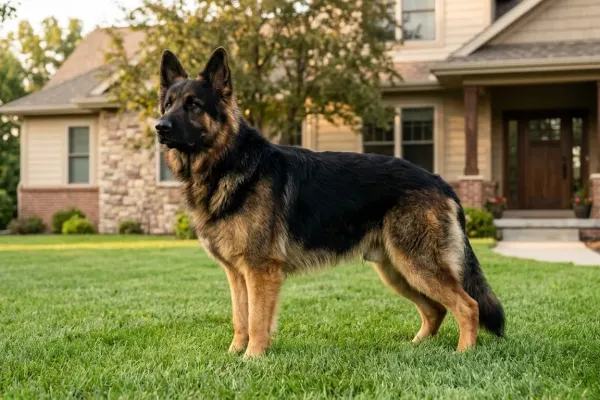
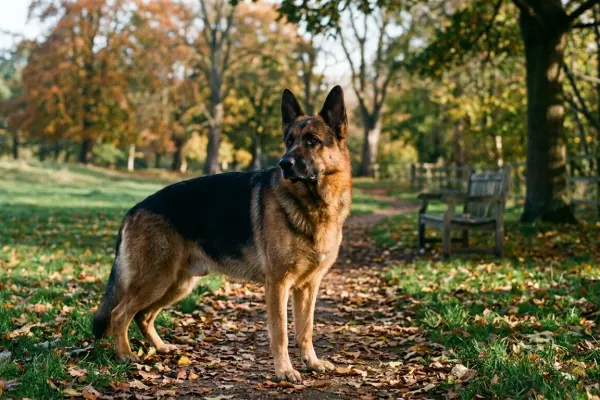
According to the official German Shepherd Dog breed standard from the American Kennel Club, a standard male German Shepherd stands 24 to 26 inches tall at the shoulder and weighs between 65 and 90 pounds. Females stand 22 to 24 inches tall and weigh between 50 and 70 pounds. The breed was developed specifically by Captain Max von Stephanitz in late 19th-century Germany as a large, sturdy working pastoral dog capable of herding livestock, protecting property, and performing demanding police tasks. Miniaturizing the breed runs counter to the fundamental physical requirements established for the shepherd’s working utility.
While large pastoral shepherds excel at perimeter security, prospective owners seeking lower-maintenance companion animals often evaluate whether Pugs make capable guard dogs or alert watchdogs before choosing a home guardian. Buyers who realize a working shepherd does not fit a quiet suburban lifestyle frequently discover that French Bulldogs serve as affectionate family pets without demanding acres of running space.
| Characteristic | Official AKC German Shepherd | Marketed “Miniature GSD” Cross | Purebred GSD with Dwarfism |
|---|---|---|---|
| Height at Withers | Males: 24 to 26 in; Females: 22 to 24 in | Typically 15 to 20 in | Typically 12 to 18 in |
| Adult Weight | 50 to 90 lbs | 30 to 50 lbs | 15 to 35 lbs |
| Registry Recognition | Fully recognized (AKC, UKC, FCI) | Not recognized as a purebred | Registered as standard (defective) |
| Genetic Basis | Standard polygenic canine growth | Multi-breed hybrid genetics | LHX3 gene mutation (recessive) |
| Expected Lifespan | 12 to 14 years | 11 to 14 years | 3 to 5 years (untreated) |
| Health Profile | Standard large-breed screening | Variable hybrid health | Chronic panhypopituitarism |
Understanding this distinction is vital for prospective puppy buyers. If a dog looks like a German Shepherd but stands significantly below the standard height, that dog is either a mixed breed or afflicted with an endocrine disorder.
The 3 Ways ‘Mini German Shepherds’ Are Produced: Crossbreeds, Runts, and Genetic Dwarfism
When you encounter a dog that presents the distinctive black-and-tan saddle, pointed ears, and alert expression of a shepherd in a compact frame, that dog was produced through one of three specific pathways. Each method carries distinct implications for the dog’s temperament, health, and veterinary care requirements.
-
Designer Crossbreeding: The most common and ethical method involves crossing a standard German Shepherd with a smaller purebred dog, such as a Pembroke Welsh Corgi, Miniature Poodle, Border Collie, or Australian Cattle Dog. The resulting offspring often inherit the coloration and facial structure of the shepherd combined with the reduced stature of the smaller parent. These crossbred dogs are companion hybrids, not miniature purebreds.
-
Selective Inbreeding of Undersized Runts: Some commercial breeders repeatedly pair the smallest, most underdeveloped puppies (runts) from standard German Shepherd litters across multiple generations. This practice frequently concentrates harmful recessive traits, weakens the immune system, and results in dogs with fragile bone density and poor structural conformation.
-
Genetic Pituitary Dwarfism: In purebred litters where both parents carry a specific recessive genetic mutation, puppies can be born with congenital growth hormone deficiency. While these dogs remain puppy-sized throughout their lives, they suffer from complex endocrine abnormalities rather than healthy miniaturization.
Daily exercise requirements differ substantially between high-drive shepherd mixes and low-energy toy breeds, as seen in how active Pug dogs remain during indoor play compared to working pastoral hybrids that need hours of structured running. The surge in consumer demand for compact canines also explains why French Bulldogs are so popular across urban households looking for small companion animals.
Common ‘Mini GSD’ Crossbreeds: Size, Temperament, and Appearance
The vast majority of healthy, active small dogs that resemble German Shepherds belong to deliberate first-generation (F1) or multi-generation designer crosses. Because these dogs inherit genetic material from two distinct breeds, their size, coat type, and working drive vary based on the specific cross.
The Corman Shepherd (German Shepherd x Corgi)
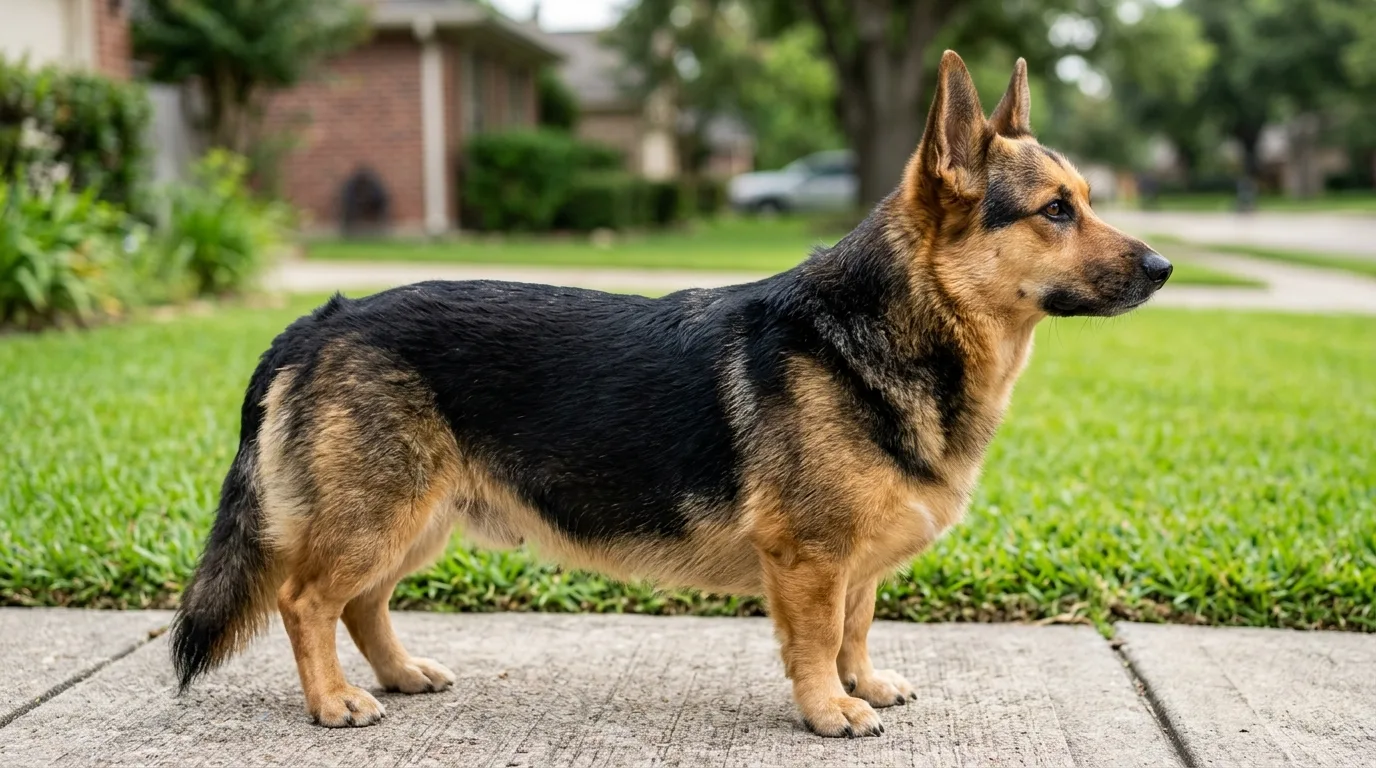
The Corman Shepherd is created by crossing a German Shepherd with a Pembroke Welsh Corgi or Cardigan Welsh Corgi. These dogs typically inherit the elongated torso, short legs (achondroplasia), and fox-like face of the Corgi alongside the dark mask and saddle markings of the German Shepherd. Adult Corman Shepherds generally stand 12 to 15 inches tall and weigh between 20 and 50 pounds. They are energetic, loyal, and possess a strong herding instinct that may lead them to nip at heels during play if not properly trained.
The Shepadoodle (German Shepherd x Miniature Poodle)
Crossing a German Shepherd with a Miniature or Moyen Poodle produces a Shepadoodle. These dogs stand 15 to 22 inches tall and weigh between 35 and 55 pounds. Breeders often create this mix to achieve a lower-shedding coat for allergy-sensitive households. Shepadoodles tend to be exceptionally intelligent, eager to please, and social, though their coat requires regular professional grooming and brushing to prevent painful matting.
The Shollie (German Shepherd x Border Collie)
The Shollie combines the working drives of two of the world’s most intelligent pastoral breeds: the German Shepherd and the Border Collie. Shollies usually weigh between 30 and 50 pounds and stand 15 to 20 inches tall. They possess remarkable agility, sharp problem-solving abilities, and an intense desire to work. This cross is best suited for experienced dog owners who can provide several hours of daily exercise and mental enrichment.
German Shepherd x Australian Shepherd Mix
Often referred to as an Aussie German Shepherd or Miniature German Australian Shepherd when crossed with smaller lines, this hybrid stands 16 to 20 inches tall and weighs 35 to 55 pounds. They frequently display striking coat patterns, including blue merle or tricolor, with high stamina and protective instincts.
| Crossbreed Name | Parent Breeds | Average Height | Average Weight | Coat & Grooming Needs | Primary Energy Level |
|---|---|---|---|---|---|
| Corman Shepherd | GSD x Corgi | 12 to 15 in | 20 to 50 lbs | Dense double coat; heavy seasonal shedding | Moderate to High |
| Shepadoodle (Mini) | GSD x Mini Poodle | 15 to 22 in | 35 to 55 lbs | Wavy or curly; low shedding, needs clipping | High |
| Shollie | GSD x Border Collie | 15 to 20 in | 30 to 50 lbs | Medium length; moderate regular shedding | Very High |
| Aussie Shepherd Mix | GSD x Australian Shepherd | 16 to 20 in | 35 to 55 lbs | Medium double coat; high seasonal shedding | Very High |
Training receptivity varies widely across small companion breeds; for instance, assessing French Bulldog intelligence and problem-solving skills reveals a stubborn companion mindset rather than the biddable work ethic of a pastoral herder. When introducing a puppy into a household with young children, looking at how Pugs behave as gentle family dogs highlights the contrast between calm toy companions and reactive herding crosses. While crossbreeding standard German Shepherds with smaller breeds can produce affectionate, healthy companions that benefit from hybrid vigor, prospective buyers must understand that genetics in mixed litters are unpredictable. A puppy might inherit the larger body frame of the shepherd parent with the short legs of a Corgi, or develop high prey drive without the instinctive biddability of a purebred working dog.
Genetic Pituitary Dwarfism: When Small Size Means Severe Illness
The most critical issue surrounding miniature German Shepherds involves congenital pituitary dwarfism (juvenile-onset panhypopituitarism). This is not an intentional miniaturization breeding program; it is a debilitating, hereditary endocrine disorder.
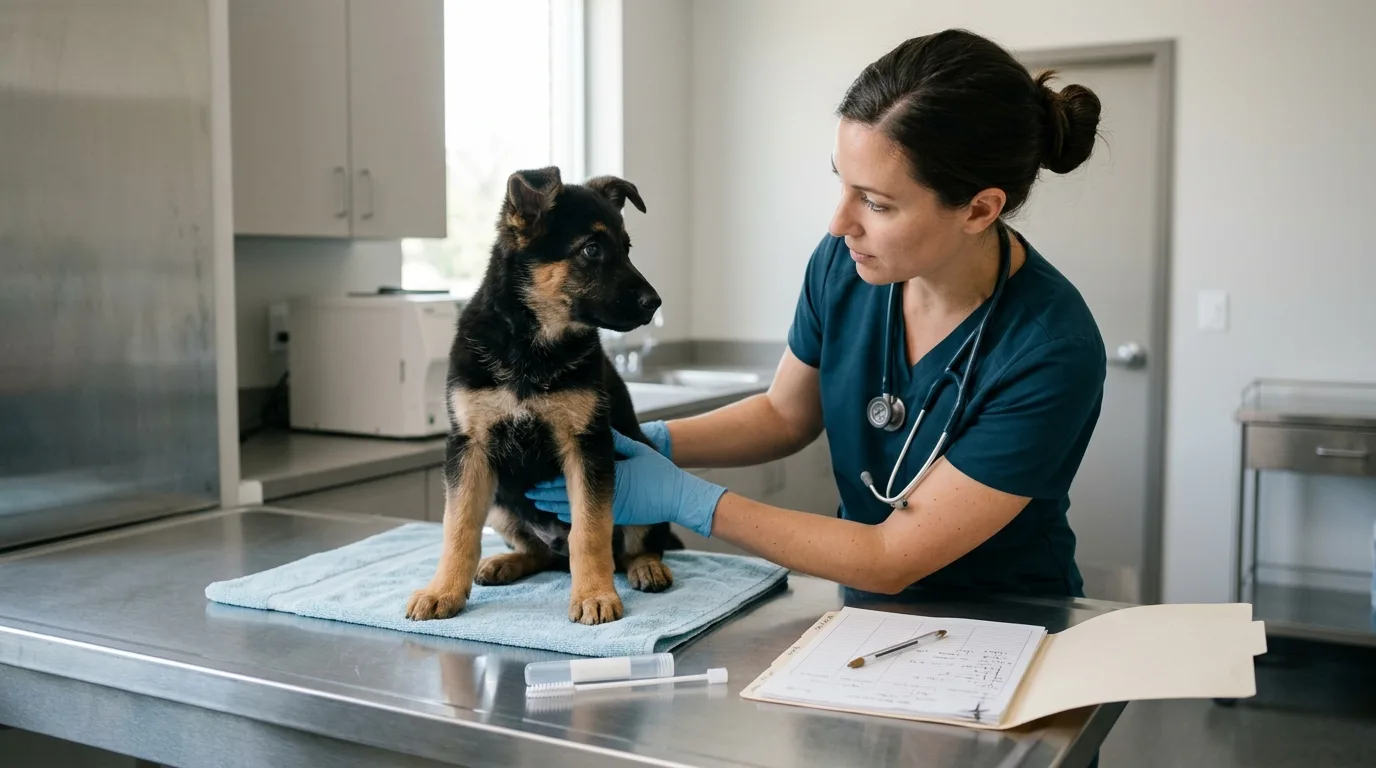
According to veterinary endocrinology research published in the MSD Veterinary Manual, pituitary dwarfism in German Shepherds is transmitted as an autosomal recessive trait caused by a mutation in the LHX3 gene. This gene is responsible for directing the embryonic differentiation of the pituitary gland’s anterior lobe (adenohypophysis). In affected puppies carrying two copies of the mutated gene, the anterior lobe fails to develop fully and instead forms expanding Rathke’s cleft cysts.
As a consequence of this structural failure, the dog’s body cannot produce adequate amounts of critical hormones, including:
- Growth Hormone (GH), leading to stunted skeletal and muscular development.
- Thyroid-Stimulating Hormone (TSH), causing secondary hypothyroidism and lethargy.
- Adrenocorticotropic Hormone (ACTH), leading to impaired adrenal function.
- Prolactin and gonadotropins, resulting in underdeveloped reproductive organs.
Clinical Progression and Symptoms
Puppies with pituitary dwarfism appear normal at birth because maternal hormones and early colostrum support initial development. However, as puppies develop over their first few months of life, distinct physical abnormalities gradually emerge:
- Stunted Skeletal Growth: The puppy grows at a substantially slower rate than littermates, maintaining a proportionate miniature stature with an adult weight rarely exceeding 20 to 35 pounds.
- Persistent Puppy Coat: Affected dogs retain their soft, woolly puppy lanugo coat and fail to develop coarse adult guard hairs.
- Progressive Alopecia: Over time, the dog suffers widespread, bilateral symmetrical hair loss across the neck, flank, and rump, eventually becoming largely bald except for tufts on the head and lower paws.
- Hyperpigmentation and Skin Infections: The exposed skin turns dark grey or black (hyperpigmentation), becomes dry and scaly, and frequently develops bacterial and fungal infections due to a compromised cutaneous barrier.
- Delayed Dental Development: Baby teeth fail to shed on schedule, and adult teeth erupt late or remain impacted.
- Renal and Systemic Failure: Chronic hormone deficiencies impair kidney development, causing chronic renal failure, subnormal core body temperature, and extreme lethargy.
Endocrine dysfunction also impairs immune barriers, making skin and ocular tissues vulnerable to inflammation, similar to how owners must address clinical reasons for red eyes in French Bulldogs to prevent secondary corneal damage. While standard purebred canines reach geriatric milestones around eight to nine years, as documented in when Pugs become senior dogs, canines suffering from untreated pituitary dwarfism rarely survive past early adulthood.
Lifespan and Medical Management
Without continuous medical intervention, dogs with pituitary dwarfism face a severely shortened life expectancy, with many succumbing to secondary renal failure, systemic infection, or cardiovascular collapse before reaching mature adulthood.
Managing a dwarf German Shepherd requires lifelong veterinary therapy. Treatment typically involves daily administration of synthetic thyroid hormone (levothyroxine) to treat secondary hypothyroidism, alongside human or porcine growth hormone injections when available. Regular blood biochemistry panels and urinalysis are necessary to monitor kidney function.
Fortunately, modern veterinary genetics offers a clear solution to eliminate this condition. Organizations such as the Orthopedic Foundation for Animals (OFA) and university veterinary laboratories provide reliable DNA tests for the LHX3 mutation. Responsible breeders test their breeding stock before mating. If a carrier dog (one mutated allele) is identified, it is never bred to another carrier, completely preventing the birth of affected dwarf puppies.
Original Analysis: The Real Cost and Ethics of Buying a “Miniature GSD”
The commercial market for so-called “miniature German Shepherds” frequently preys on well-meaning dog lovers who want the appearance of a shepherd in a compact size suitable for apartments or smaller vehicles. However, prospective buyers should carefully evaluate both the financial realities and the ethical implications of this purchase.
Financial Reality: The Designer Markup Scam
Commercial breeders often charge between $1,500 and $3,500 for puppies marketed as “rare miniature German Shepherds.” In reality, these puppies are either crossbred dogs that cost significantly less to produce than certified pedigree lines or, in worse cases, puppies from lines carrying untreated dwarfism traits.
| Expense Category | Marketed “Mini GSD” Cross | Purebred GSD with Dwarfism | Standard Rescued GSD Mix |
|---|---|---|---|
| Initial Purchase or Adoption | $1,500 to $3,500 | $1,500 to $3,000 | $150 to $400 |
| Initial Veterinary Setup & DNA Test | $300 to $600 | $600 to $1,200 | $100 to $250 (often included) |
| Annual Routine Healthcare & Diet | $800 to $1,500 | $1,200 to $2,000 | $800 to $1,400 |
| Annual Endocrine & Hormone Therapy | $0 | $2,500 to $5,000+ | $0 |
| Specialized Bloodwork & Monitoring | $0 | $800 to $1,500 | $0 |
| Estimated 10-Year Lifetime Cost | $10,500 to $19,500 | $25,000 to $45,000+ (5-yr) | $9,000 to $16,000 |
Ethical acquisition budgets should reflect verified veterinary screening rather than marketing gimmicks, as shown in standard breeder price guides for how much French Bulldogs cost from health-tested parents. Unscrupulous sellers mark up undocumented mixed puppies to thousands of dollars, far exceeding the standard investment for purebred Pug puppy prices from certified national breed club members.
Ethical Considerations in Canine Breeding
From an ethical standpoint, marketing crossbred dogs as “purebred miniatures” is deceptive. Worse still, intentionally breeding runts or failing to screen for the LHX3 mutation causes unnecessary animal suffering. High-volume commercial breeders who exploit trendy descriptors often bypass mandatory health clearances, including hip and elbow evaluations, cardiac checks, and eye certifications.
Caution: Never purchase a puppy marketed as a rare purebred mini German Shepherd without receiving certified parent DNA test results confirming that both the mother and father are clear of the LHX3 pituitary dwarfism mutation.
Healthy, Recognized Alternatives to the Miniature German Shepherd
If you love the intelligence, loyalty, erect ears, and athletic drive of the German Shepherd but require a medium-sized or compact dog, several officially recognized breeds offer the exact qualities you desire without the ethical risks or health complications of unvetted crosses.
Miniature American Shepherd
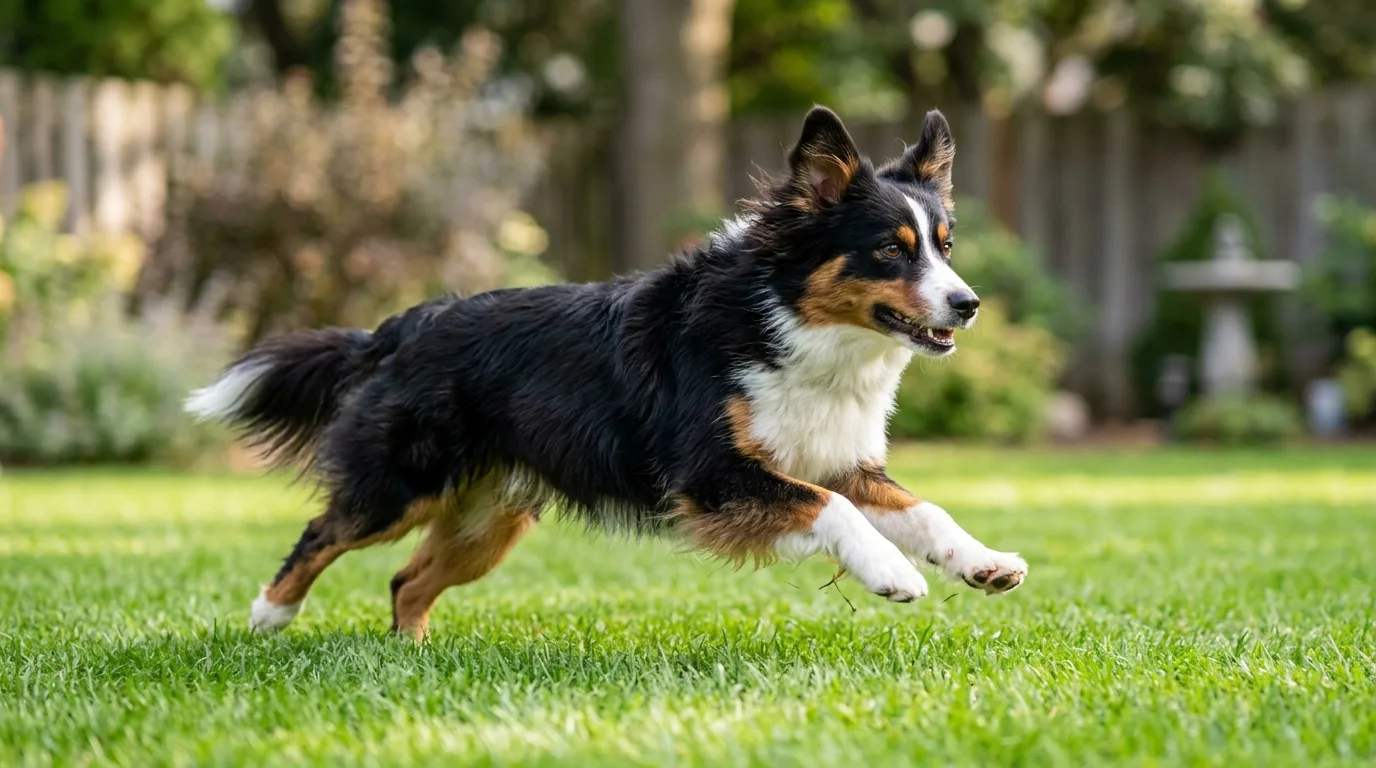
The Miniature American Shepherd is a fully recognized AKC breed within the Herding Group. Developed in the United States, these dogs stand 13 to 18 inches tall and weigh between 20 and 40 pounds. They possess all the intelligence, biddability, and agility of larger herding breeds, making them fantastic partners for agility, obedience, and active family life.
Swedish Vallhund
Known as the “Viking dog,” the Swedish Vallhund is an ancient, sturdy herding breed standing 11.5 to 13.5 inches tall and weighing 20 to 35 pounds. They feature upright ears, a wolf-sable double coat, and a loyal, alert temperament. They offer a striking visual resemblance to a miniature pastoral dog while maintaining robust physical health.
Belgian Tervuren or Malinois (Smaller Working Lines)
For dog owners seeking intense working focus, smaller female lines of Belgian Shepherds (Malinois or Tervuren) often weigh between 40 and 55 pounds. While they require dedicated training and high physical activity, they are officially recognized breeds with rigorous health screening programs.
German Pinscher
The German Pinscher is an alert, muscular German breed standing 17 to 20 inches tall and weighing 25 to 45 pounds. They share the intelligence, guarding capability, and devotion of the German Shepherd within a manageable, medium-sized frame and a low-maintenance short coat.
Urban dwellers seeking manageable indoor companions often find that Pugs adapt smoothly to apartment living without developing destructive stress behaviors from confined quarters. Prospective owners wanting an empathetic, docile companion can review how Pugs succeed as certified therapy dogs in hospital and community settings.
Buyer’s Due Diligence: Questions to Ask Before Adopting
Before acquiring any dog advertised as a small German Shepherd mix, follow this vetting process to ensure you are supporting ethical breeding and bringing home a healthy companion.
-
Verify Breed Composition via Certified DNA Testing: If a breeder claims to sell a mixed cross, ask for parent DNA verification through Embark or Wisdom Panel. If they claim the puppy is a purebred shepherd, demand AKC registration certificates.
-
Request OFA Clearances for Hereditary Disorders: Confirm that both parents have certified clearances from the Orthopedic Foundation for Animals for hips, elbows, and degenerative myelopathy (DM), along with DNA test results for the LHX3 mutation.
-
Inspect the Mother Dog and Living Environment: Always visit the breeding premises in person or request a live video tour. Observe the mother dog’s physical condition, temperament, and interaction with her puppies.
-
Review Written Health Guarantees: Ensure the breeder provides a written contract guaranteeing against congenital and hereditary genetic disorders for at least two years.
-
Consider Breed Rescue Adoption: Reach out to local German Shepherd rescues and animal shelters. Many wonderful shepherd mixes in need of loving homes are already medium-sized adults with known temperaments and baseline health evaluations.
Frequently Asked Questions About Miniature German Shepherds
Are miniature German Shepherds real?
No, purebred miniature German Shepherds are not a real, recognized breed. The American Kennel Club, United Kennel Club, and international kennel registries recognize only standard German Shepherds. Dogs sold as mini GSDs are either designer crossbreeds or standard shepherds with genetic pituitary dwarfism.
How big does a mini German Shepherd get?
Most crossbred mini German Shepherds reach an adult height of 15 to 20 inches at the shoulder and weigh between 30 and 50 pounds. Their final size depends on the non-GSD parent breed used in the cross, such as a Corgi, Poodle, or Border Collie.
What breeds make up a miniature German Shepherd?
Breeders typically create small shepherd mixes by crossing a standard German Shepherd with smaller companion or herding breeds, including the Pembroke Welsh Corgi, Miniature Poodle, Border Collie, or Australian Cattle Dog.
Can a purebred German Shepherd have dwarfism?
Yes, a purebred German Shepherd can be born with pituitary dwarfism if both parents carry the autosomal recessive LHX3 gene mutation. Affected dogs remain small but suffer from chronic growth hormone deficiency, hair loss, thyroid issues, and shortened lifespans.
How long do miniature German Shepherds live?
The lifespan of a miniature German Shepherd depends on its genetics and general health. Healthy crossbreed mixes generally enjoy a typical companion dog life expectancy comparable to standard medium-sized breeds when provided with quality nutrition, daily exercise, and regular veterinary checkups. In contrast, purebred German Shepherds suffering from untreated congenital pituitary dwarfism face severe systemic complications and rarely survive beyond early adulthood.
Leave a Reply