
Table of Contents
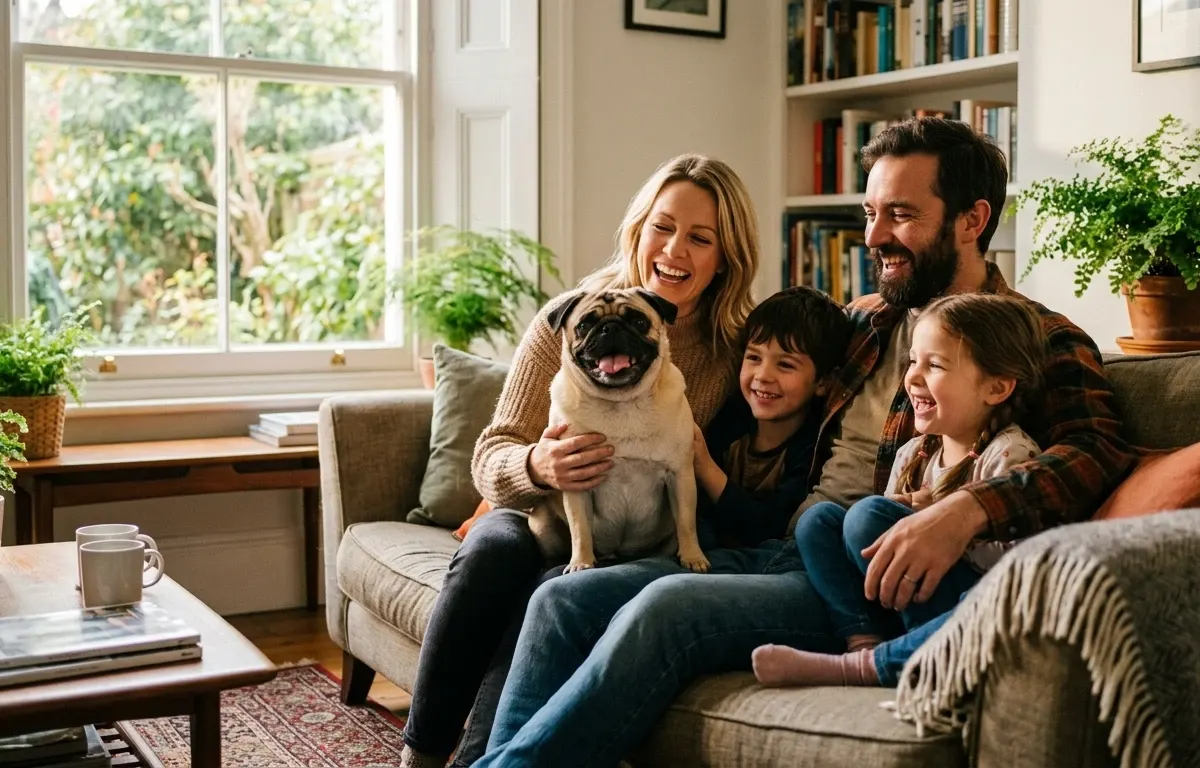
In short, are pugs good family dogs? Yes, pugs make devoted, gentle family pets because of their affectionate temperament, compact size, and low aggression rates toward humans and other animals. They adapt readily to household routines and bond closely with children. However, prospective families must prepare for specific care responsibilities, including respiratory vulnerability from Brachycephalic Obstructive Airway Syndrome (BOAS), regular facial skin fold hygiene, strict weight management, and sensitivity to hot weather.
- Pugs exhibit significantly lower odds of aggression (aOR 0.31, 95% CI: 0.21-0.47) compared to non-Pug breeds in veterinary epidemiological research.
- Their sturdy 14-18 pound build tolerates supervised play with children better than fragile toy breeds.
- Pugs thrive in apartment settings due to modest daily exercise needs of 20-30 minutes.
- Brachycephalic anatomy requires climate control, chest harnesses instead of neck collars, and dedicated eye protection.
- Social attachment is strong; Pugs can develop separation anxiety if left isolated for more than 4-6 hours daily.
Evaluating whether a dog breed fits your household requires looking at temperament, daily routine demands, and medical responsibilities. For generations, families have looked to the Pug as an affectionate indoor companion. Understanding both their charming personality and their specific physical requirements ensures that your home provides a safe, nurturing environment for this historic companion breed.
Are Pugs Good Family Dogs? Core Temperament and Family Fit
When prospective owners ask whether pugs are good dogs for a family, the answer begins with their evolutionary background. Unlike working, herding, or sporting breeds that retain strong drives to chase, guard, or herd, Pugs were bred exclusively for human companionship. This heritage produces an affectionate Pug lap dog disposition that prioritizes social bonding above all else.
In daily home life, this translates into a companion that shadows family members from room to room, participates quietly in domestic activities, and settles comfortably on the sofa during quiet hours. Their sociable nature means they welcome houseguests warmly rather than treating unfamiliar visitors with territorial suspicion. A dog’s breed history shapes its baseline reactivity. Because Pugs lack high prey drive and territorial guarding instincts, they present minimal conflict risks in busy, multi-generational homes.
The friendly Pug temperament also extends to multi-pet environments. Pugs generally cohabitate peacefully with domestic cats and other dogs, provided proper initial introductions occur. Their non-competitive social attitude reduces resource guarding and dominance disputes around food bowls or resting spots.
Pug Temperament and Family Dynamics
Pugs are celebrated for their comedic and empathetic nature. They read human emotions with surprising accuracy, offering quiet comfort when family members are resting or joining enthusiastically in mild indoor games. When exploring whether pugs are family dogs that fit active routines, families find that while they enjoy playful interaction, they do not demand strenuous physical outlets to remain content.
However, their deep social attachment brings a specific behavioral consideration: separation anxiety. Pugs thrive in households where someone is present throughout part of the day. Leaving a Pug alone for extended periods exceeding 4 to 6 hours regularly can lead to distress vocalizations, destructive chewing, or house soiling. Families with long daily work hours away from home should plan for dog walking support or mid-day check-ins.
Grooming, Health, and Daily Routine Detail
Integrating a Pug into your daily family schedule requires establishing consistent care habits. Although their smooth, short double coat appears low-maintenance, Pugs shed steadily throughout the year. A quick weekly brushing routine with a rubber curry brush controls loose hair effectively.
Daily hygiene must focus on facial skin folds. Moisture and food debris can collect within the deep nasal wrinkles, creating a breeding ground for bacterial and yeast infections. Wiping these folds with a damp cotton pad or pet-safe antiseptic wipe, followed by thorough drying, prevents painful irritation.
| Routine Task | Recommended Frequency | Primary Purpose |
|---|---|---|
| Facial wrinkle cleaning | 2 to 3 times weekly | Prevents bacterial and fungal skin fold dermatitis |
| Coat brushing | 1 to 2 times weekly | Manages moderate seasonal shedding and distributes skin oils |
| Nail trimming | Every 3 to 4 weeks | Maintains proper paw alignment and prevents joint strain |
| Ear cleaning | Bi-weekly | Reduces yeast and wax buildup in folded drop ears |
| Weight check | Monthly | Prevents subtle weight gains that compromise breathing |
Are Pugs Good for Families with Kids? Practical Considerations
Child safety is a primary consideration for parents evaluating new pets. When families evaluate whether pug dogs make good family pets, physical durability and bite risk are essential factors. Extremely small toy breeds weighing under 8 pounds can be accidentally injured by enthusiastic toddlers, while large energetic breeds might unintentionally knock small children over.
Pugs occupy a practical middle ground. Weighing between 14 and 18 pounds with a stocky, muscular build, they are sturdy enough to participate in supervised children’s games without being fragile. Their low reactivity and patient disposition mean they rarely snap when startled by sudden household noises.
Children and Pug Safety Guidelines:
- Supervise all interactions between toddlers and dogs.
- Teach children never to touch the dog’s prominent eyes or squeeze the throat.
- Establish a quiet retreat zone (such as a crate or bed) where the dog is never disturbed.
- Use open-palm petting along the back rather than poking the facial wrinkles.
Parents often notice excitement urination in young Pugs when greeting children returning from school. This involuntary response stems from emotional arousal rather than housebreaking failure, and it subsides as the dog matures and greeting routines become calmer.
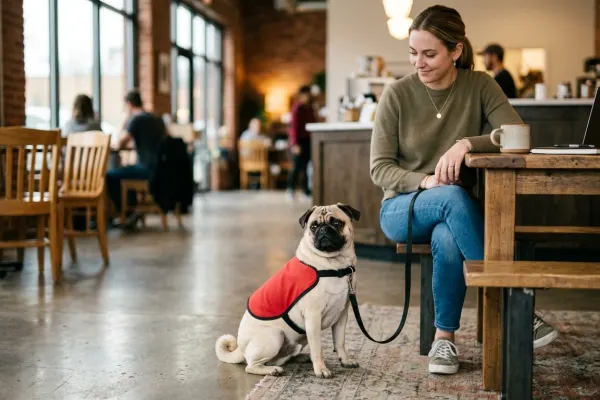
Because of their steady emotional stability, many well-socialized Pugs demonstrate the qualities of gentle Pug therapy dog temperament, providing comforting companionship for children with sensory sensitivities or developmental challenges.
Training and Socialization for Family Settings
Canine behavioral specialists frequently note that pugs are good beginner dogs for households learning how to train a pet. They respond best to positive reinforcement techniques using small training treats, enthusiastic verbal praise, and short 5-minute sessions.
Harsh verbal reprimands or physical corrections are counterproductive; sensitive companion breeds shut down emotionally or show stubborn resistance when handled roughly. Consistent, rewards-based guidance establishes house rules quickly and preserves the dog’s trusting nature.
Housebreaking requires patience and a predictable schedule. Due to a small bladder capacity in puppyhood, full bathroom reliability typically takes 4 to 6 months of structured outdoor trips following meals, naps, and play sessions.
Common Pitfalls and Myths
Several persistent misconceptions surround this ancient breed:
- Bulldog lineage myth: Adopters frequently ask whether pugs belong to the bulldog family due to their wrinkled faces. In reality, according to the AKC Pug breed standard, pugs are a distinct Toy Group breed originating in ancient China over 2,000 years ago, completely separate from European bull-baiting bulldogs.
- Hypoallergenic coat myth: No dog is fully hypoallergenic. Pugs produce standard canine dander and shed double-coat hair, making them unsuitable for individuals with severe dog allergies.
- Aggression myth: Pugs rank among the least aggressive domestic breeds, making unprovoked bite incidents exceptionally rare in well-socialized dogs.
Health Considerations and How They Affect Family Life
While the Pug excels in temperament, prospective owners must understand the medical management associated with their brachycephalic (flat-faced) anatomy. Ensuring high quality of life requires proactive preventive healthcare and environmental management.

Essential Health Safeguards:
- Always walk a Pug on a Y-shaped chest harness, never a neck collar.
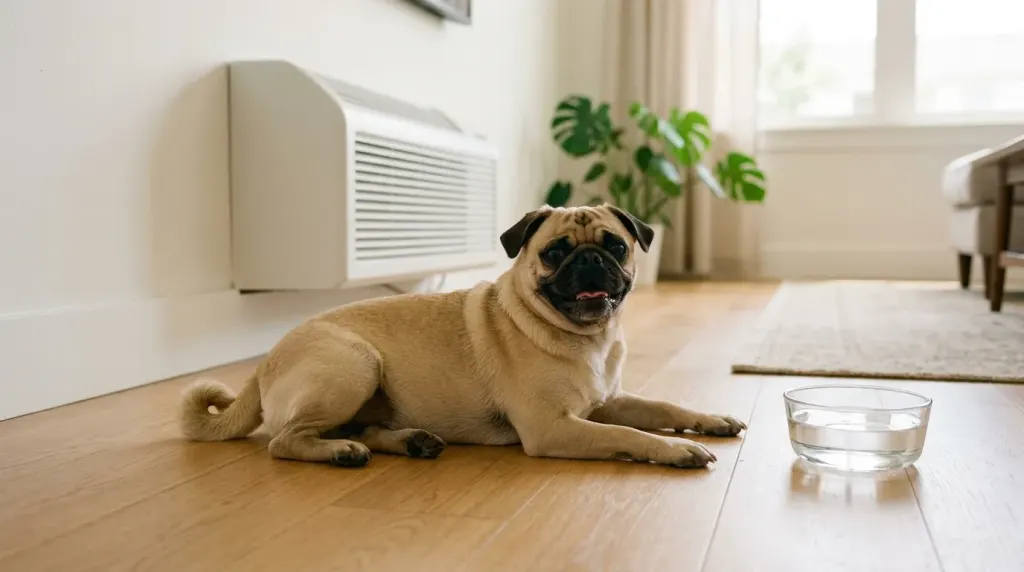
- Keep indoor spaces air-conditioned when ambient temperatures exceed 75°F (24°C).
- Monitor eye clarity daily for scratches, corneal ulcers, or cloudiness.
- Measure food portions precisely using a kitchen scale or standard measuring cup.
Brachycephalic Obstructive Airway Syndrome (BOAS) is the most significant health factor affecting the breed. Shortened cranial bones compress the soft tissues of the upper respiratory tract, resulting in narrowed nostrils (stenotic nares) and an elongated soft palate. This structural compression restricts airflow, generating characteristic snorting sounds and reducing the dog’s ability to cool itself through panting.
Note: Because Pugs cannot dissipate heat efficiently through panting, hot and humid weather presents a genuine risk of heat exhaustion. Limit summer outdoor activity to brief bathroom breaks during early morning and late evening hours.
Routine care also involves monitoring Pug ear anatomy and infection risks. Their folded ear flaps trap moisture, requiring regular inspection to keep the ear canals dry and clean.
Daily Care and Lifestyle Alignment
A structured daily Pug care routine keeps a family pet healthy and content without overwhelming busy household schedules.
Sample Daily Family Schedule: 07:00 AM – Morning bathroom break and 10-minute leisurely walk on a harness. 07:30 AM – Measured breakfast and clean water refresh; quick facial fold wipe. 12:30 PM – Mid-day bathroom break and short interactive puzzle game. 05:30 PM – Measured dinner; quiet resting period during family dinner. 06:30 PM – Evening 15-minute neighborhood walk in cool temperatures. 08:30 PM – Gentle coat brushing, cuddle time on the sofa, and final night outing.
Pug Diet and Weight Management
Weight management is essential for brachycephalic breeds. Pugs have enthusiastic appetites and lower metabolic caloric requirements than working dogs. Carrying even 2 pounds of excess body weight adds severe mechanical strain to their compressed airway, making breathing significantly more labored and increasing joint stress.
An adult Pug weighing 16 pounds typically requires between 400 and 550 kilocalories daily, depending on age, spay or neuter status, and activity level. Treats should account for less than 10% of total daily caloric intake, with crunchy baby carrots or green beans offering healthy, low-calorie alternatives to commercial biscuits.
Pugs in Apartment Life and Family Homes
Living space flexibility is one of the breed’s strongest assets. Pugs adapt smoothly to studio apartments, suburban houses, and multi-story residences. They do not require a private fenced yard as long as they receive consistent daily outdoor walking opportunities.
Indoor noise levels remain manageable because Pugs are infrequent nuisance barkers. When considering apartment suitability for Pugs, their quiet indoor presence ensures peaceful relations with neighbors in shared-wall buildings.
Exercise Needs and Realistic Expectations
Clarifying the daily exercise needs of Pugs helps families maintain realistic expectations. Pugs are companion lap dogs rather than jogging or hiking partners. Two moderate walks of 10 to 15 minutes each, paired with indoor play, fulfill their physical needs completely.
During walks, allow your Pug to explore and sniff at a relaxed pace. Mental stimulation through scent exploration provides satisfying enrichment without causing physical exhaustion or respiratory distress.
Guard vs. Family Companion Distinction
Homeowners sometimes wonder whether a Pug provides property security. While Pugs may emit a brief alert bark when a delivery arrives at the front door, they function strictly as companion animals. Their natural curiosity and friendliness mean their watchdog alerting behavior quickly gives way to wagging tails once a visitor enters the home.
Expert Perspectives and Caveats
Veterinary epidemiological research provides valuable guidance for families considering this breed. In a comprehensive breed study published by the Royal Veterinary College (VetCompass) in Canine Medicine and Genetics, researchers analyzed clinical data across thousands of dogs to evaluate breed predispositions.
The study confirmed that Pugs have exceptionally low rates of aggressive behavior, demonstrating an adjusted odds ratio of 0.31 (95% CI: 0.21-0.47) compared to non-Pug breeds. This epidemiological finding reinforces their clinical reputation as gentle household pets when evaluating Pug aggression risk profiles.
However, researchers emphasize the necessity of balancing temperament benefits with health awareness. Dr. Dan G. O’Neill, Associate Professor in Companion Animal Epidemiology at the Royal Veterinary College, notes: “While Pugs exhibit remarkably low aggression odds compared to other breeds, prospective owners must recognize their substantial health burdens, particularly airway obstruction and ocular vulnerabilities, before bringing one into a home with children.”
Prospective owners must also account for the financial costs of raising a Pug, including high-quality veterinary care, routine dental cleanings, and potential surgical interventions for airway or eye conditions.
| Family Life Aspect | Pug Suitability Score | Key Considerations for Prospective Owners |
|---|---|---|
| Compatibility with children | High | Gentle and patient; requires child supervision to protect eyes and neck |
| First-time owner ease | High | Eager to please and forgiving; housebreaking requires structured consistency |
| Apartment living | High | Quiet indoor habits and low exercise demands suit compact spaces |
| Grooming maintenance | Moderate | Daily facial wrinkle care and steady shedding management required |
| Climate tolerance | Low | High sensitivity to hot and humid weather requires air-conditioned living |
| Healthcare vigilance | High | Prone to BOAS, corneal scratches, and weight gain; requires dedicated veterinary care |
Frequently Asked Questions About Pugs as Family Dogs
Do Pugs bark a lot around children or visitors?
Pugs are generally quiet dogs that bark much less than terrier or herding breeds. They may offer a single alert bark when someone knocks on the front door, but they quickly greet visitors with friendly curiosity rather than prolonged barking.
Can Pugs be left alone while the family is at work or school?
Pugs can manage routine periods of 4 to 6 hours alone if provided with a secure, comfortable space and access to water. However, because they form deep bonds with family members, leaving them alone for 8 to 10 hours daily can trigger separation anxiety. Mid-day dog walking support is recommended for full-time working households.
Are Pugs high-maintenance pets for busy families?
Pugs have low exercise demands but require moderate health and grooming attention. Daily facial wrinkle cleaning, routine eye checks, temperature monitoring in warm weather, and precise portion control are essential daily tasks.
Are Pugs good with other household pets like cats?
Yes. Pugs possess minimal prey drive and generally share living spaces peacefully with cats, other dogs, and small companion pets when introduced gradually with positive reinforcement.
Are Pugs good first dogs for new pet owners?
Pugs are widely considered excellent beginner companions because of their forgiving, sociable nature and low exercise demands. Novice owners must simply commit to learning proper brachycephalic care protocols, including using chest harnesses and preventing excess weight gain.
Leave a Reply