
Table of Contents
Pugs can make wonderful therapy dogs when they possess the right individual temperament, sound basic obedience, and good respiratory health. Their gentle nature, compact size, and natural love for human companionship make them excellent visitors in calm settings such as nursing homes, libraries, and assisted living centers. However, their brachycephalic airway structure requires handlers to manage temperature, visit length, and physical exertion carefully.
- Pugs thrive in therapy roles that value calm physical affection, gentle lap sitting, and quiet social interaction.
- Individual temperament matters more than breed alone: a candidate pug must remain unfazed by medical equipment, sudden noises, and unfamiliar handling.
- Health screenings and temperature management are essential to ensure the safety of brachycephalic dogs during volunteer assignments.
- Official certification requires passing a recognized temperament evaluation, basic obedience testing, and veterinary health clearance.
- Pugs are not hypoallergenic because their double coat sheds continually, requiring appropriate grooming protocols before visiting sensitive facilities.
Pug temperament and suitability for therapy work
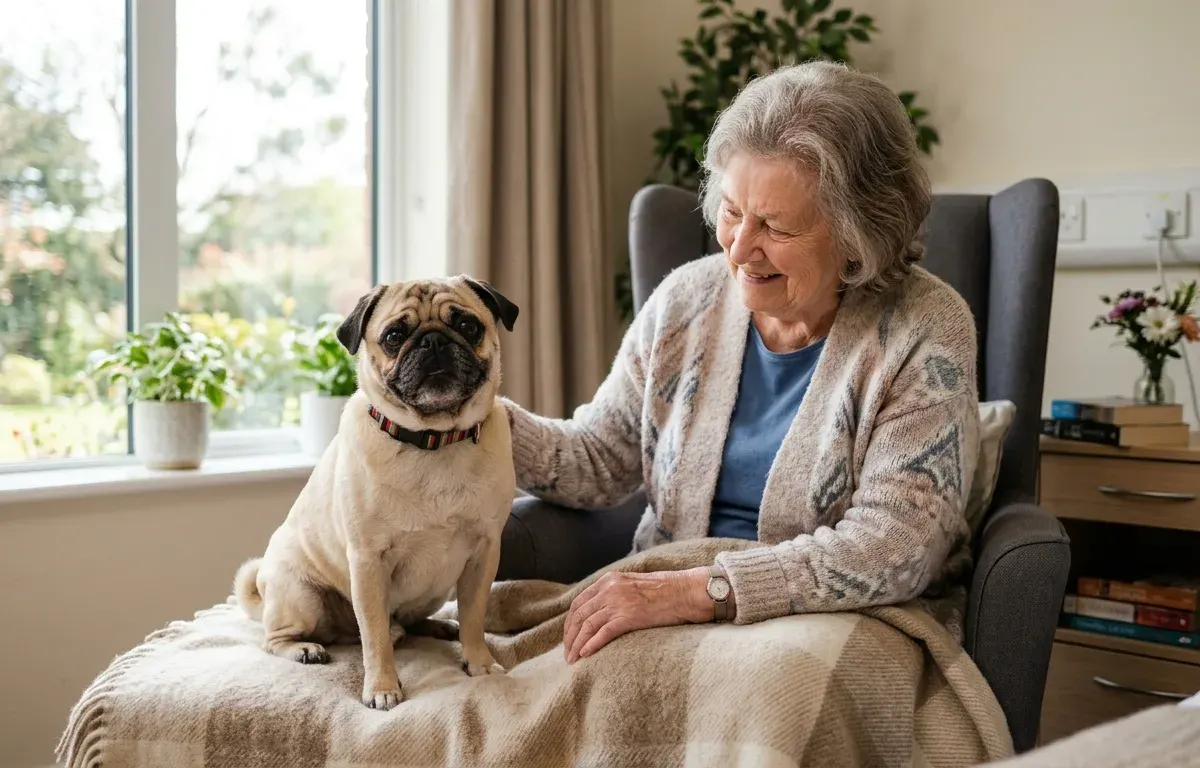
When prospective handlers ask whether pugs make good therapy dogs, the short answer depends heavily on the individual dog’s personality and physical comfort. Historically bred as companion animals for Chinese emperors and European royalty, pugs are wired to seek close human contact. This natural affinity gives them an immediate advantage in environments where quiet connection and gentle presence provide emotional comfort.
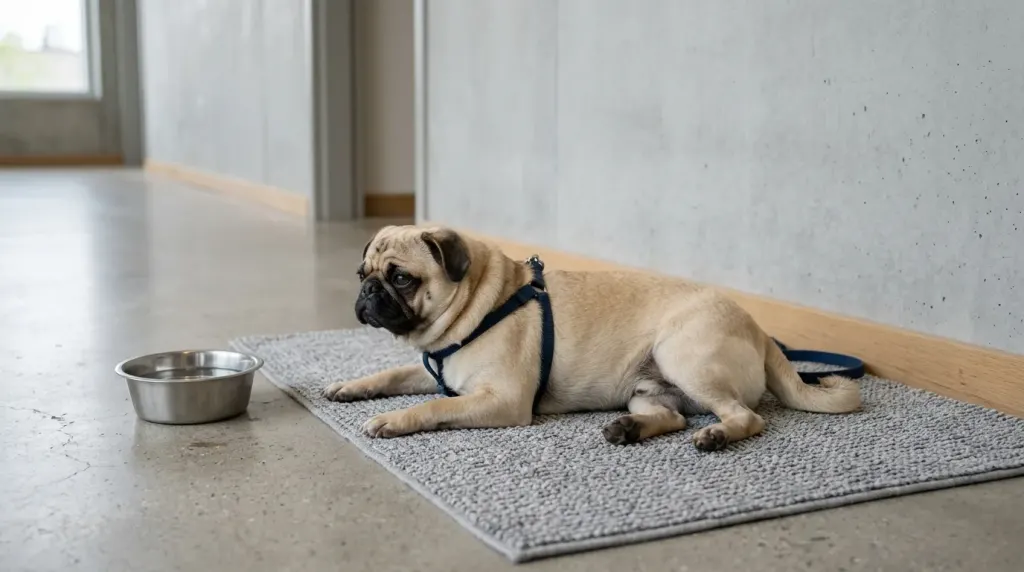
Unlike working breeds that demand high physical drives or complex tasks, a pug often focuses entirely on the person beside them. Their social curiosity and fondness for physical closeness align well with the core mission of animal-assisted therapy. In many settings, the friendly nature of pugs allows them to greet strangers with calm interest rather than aloofness or suspicion. Their moderate size and approachable facial structure help put nervous individuals at ease, particularly children and elderly residents who might feel intimidated by larger dogs. Therapy dog work is distinct from service dog duties. While service dogs perform specific disability-mitigation tasks under public access laws, therapy dogs are family pets trained and certified to visit designated facilities to offer comfort, affection, and social interaction.
A major asset of the breed is its physical adaptability to quiet indoor settings. Many pugs are happiest when nestled beside a person on a sofa or resting their chin on a knee. This natural inclination means that pug lap dog tendencies serve a therapeutic function, allowing patients with limited mobility to stroke and hold the dog comfortably. Furthermore, stable pugs rarely display reactive behaviors; true aggression is uncommon in well-socialized individuals, making them predictable companions in public spaces.
Health considerations for therapy work
While their affectionate disposition is a strong plus, physical health is the most critical screening hurdle for any pug entering therapy work. Pugs are a brachycephalic breed, meaning their shortened facial bones and compressed upper respiratory tract can restrict airflow. Environments that are hot, poorly ventilated, or emotionally stressful can cause rapid breathing and physical distress.
Before starting any therapy training program, handlers must arrange a thorough veterinary exam to evaluate airway health, joint stability, and cardiovascular endurance. Proper preventative healthcare and routine daily care ensure that facial skin folds remain clean and free from infection, eyes remain lubricated, and nails are trimmed smooth to avoid scratching fragile skin during facility visits.
Handlers must also consider age-related changes in physical stamina. While adult pugs between two and seven years often possess the ideal balance of maturity and energy, older dogs require adjustments in visit frequency to accommodate slower movement, joint stiffness, and reduced heat tolerance.
Exercise and stress management for pugs in therapy
Visiting hospitals, classrooms, and retirement communities requires sustained mental focus. For a brachycephalic dog, emotional excitement can trigger increased panting and elevated core body temperature. Managing baseline physical energy and excitement before and during therapy sessions is vital to keep the animal calm and physically safe.
To maintain optimum performance and safety during assignments, handlers should follow these practical management rules:
- Pre-visit preparation: Allow the dog twenty minutes of quiet sniffing and bathroom relief before entering a facility, avoiding strenuous running that could cause early fatigue.
- Environmental monitoring: Keep therapy sessions indoors with functioning climate control; never conduct extended visits in warm outdoor spaces.
- Hydration access: Carry a portable water bowl and offer clean, cool water at regular intervals throughout the visit.
- Duration limits: Cap initial visits at thirty to forty-five minutes, gradually extending to no more than one to two hours based on the dog’s stamina.
- Stress cue recognition: Watch for warning signs such as excessive panting, tongue hanging wide, yawning, lip licking, or pulling toward exits, ending the session immediately if any occur.
Training and certifications for therapy-dog work
No pug can enter therapy work on personality alone. Credible therapy programs require formal evaluation, rigorous training, and official registration to ensure public safety and animal welfare. The process begins with solid foundation training in basic obedience and canine social manners.
While the natural intelligence of pugs allows them to learn commands quickly, they can show independent streaks that require patient, reward-based motivation. A candidate dog must master loose-leash walking, reliable sit and stay cues, polite greetings without jumping, and an immediate leave-it response when encountering dropped medication or discarded food on facility floors.
Handlers must also address physiological reactions to excitement. Some young dogs suffer from minor incontinence when overstimulated, so resolving issues like excitement urination in pugs is a necessary prerequisite before enrolling in testing.
Official therapy work in the United States typically proceeds through established national and regional bodies:
- The American Kennel Club (AKC): Through the AKC Therapy Dog program, dogs earn recognized titles (such as Novice, Advanced, or Excellent) by completing verified volunteer visits after obtaining certification from an approved therapy organization.
- Alliance of Therapy Dogs (ATD): The Alliance of Therapy Dogs tests dog and handler teams in practical obedience, handling tolerance, and real-world facility visits, providing registration and primary liability insurance for active teams.
- Pet Partners: As one of the largest national registers, Pet Partners conducts standardized team evaluations assessing handler competence, animal behavior around medical equipment, and willingness to accept awkward physical contact.
Note: Therapy dog certification is not a lifetime license. Most organizations require biennial or annual renewals, updated veterinary health screenings, and proof of rabies vaccination to maintain active status.
Do pug hypoallergenic considerations affect suitability?
A common question among facility coordinators and therapy volunteers is whether pugs fit into environments with strict allergen controls. The biological reality is clear: pugs are not hypoallergenic dogs. They possess a dense, double coat that sheds hair and distributes dander throughout the entire year.
Dog allergies are triggered primarily by Can f 1 and Can f 2 proteins found in canine saliva, dander, and urine, rather than hair alone. Because pugs produce normal levels of these proteins and shed continuously, they can trigger allergic reactions in sensitive individuals. In therapy work, this means handlers must take active steps to minimize environmental contamination in care facilities.
Managing allergies in therapy settings
To ensure that therapy visits remain safe and comfortable for allergy-sensitive residents and healthcare staff, volunteer teams should implement strict hygiene protocols:
- Bathing schedule: Bathe and thoroughly brush the pug within twenty-four hours before every scheduled facility visit to remove loose dander and surface allergens.
- Coat wipe-down: Use pet-safe grooming wipes across the coat and facial folds immediately prior to entering the building.
- Barrier towels: Place a clean, washable towel or blanket on the lap or bed of any person wishing to hold or pet the dog, preventing direct dander transfer to clothing and linens.
- Pre-visit communication: Coordinate with facility activity directors to identify residents with known animal allergies, ensuring visits remain strictly voluntary.
These hygiene practices ensure that well-maintained pugs, celebrated as adaptable companions and devoted family pets, make a positive contribution to communal healthcare settings without compromising air quality.
Case and evidence review: what the data say
Scientific literature on animal-assisted interventions (AAI) consistently demonstrates meaningful psychological and physiological benefits for human participants. Studies documented across clinical healthcare demonstrate that interacting with a calm, friendly dog can reduce subjective anxiety, lower salivary cortisol concentrations, and promote spontaneous social interaction in pediatric and geriatric populations. Clinical research indicates that low behavioral reactivity is critical in healthcare environments; behavioral evaluations confirm that aggression in pug dogs is exceptionally rare, ensuring calm and reliable patient interactions.
Authoritative bodies such as the American Veterinary Medical Association (AVMA) have published detailed animal-assisted intervention guidelines highlighting the importance of handler education, animal welfare, and objective stress evaluation. The AVMA emphasizes that successful intervention outcomes depend on team preparation and mutual enjoyment between animal and human, rather than breed prestige.
In observational assessments of therapy dog teams, small companion breeds often excel in one-on-one bedside visits and reading education programs (such as R.E.A.D.). A pug sitting quietly while an elementary school student reads aloud provides non-judgmental comfort that encourages confidence. Similarly, in memory care units, observing senior pug life stages shows that mature, calm pugs frequently trigger spontaneous recall and positive conversation among residents experiencing cognitive decline.
Practical considerations for owners and programs
Before embarking on the journey to certify your pug as a therapy dog, a realistic self-assessment is necessary. Handlers must invest consistent time in socialization, advanced handling classes, and volunteer coordination. In addition, establishing thorough routine care for pug dogs is essential to maintain optimal coat hygiene, facial fold cleanliness, and smooth nail trimming before every scheduled visit.
Use the following checklist to determine whether your pug is ready for therapy work:
- Social interest: Does your dog genuinely enjoy being touched by strangers, or do they merely tolerate physical contact?
- Noise and equipment stability: Does your dog remain calm around rolling walkers, wheelchairs, metallic noises, and sudden voices?
- Handling tolerance: Is your dog comfortable having their paws, ears, tail, and muzzle gently handled by unfamiliar hands?
- Physical stamina: Can your dog walk through a carpeted facility for thirty minutes without exhibiting respiratory strain or fatigue?
- Handler commitment: Are you prepared to commit to regular volunteer schedules, ongoing veterinary checks, and organizational paperwork?
When paired with a dedicated handler, pugs as good family dogs easily translate their domestic warmth into purposeful community service, brightening hospital wards and residential homes one gentle visit at a time.
Frequently asked questions about pug therapy dogs
What qualifies a pug as a therapy dog?
A pug qualifies as a therapy dog by demonstrating a calm and friendly temperament, solid basic obedience skills, comfort around medical equipment, and passing a formal evaluation administered by a recognized therapy animal organization. The dog must also receive full veterinary medical clearance confirming good physical health and up-to-date vaccinations.
Do therapy dogs need certification?
Yes. Legitimate healthcare facilities, schools, and care homes require therapy dog teams to be certified and registered through recognized organizations such as Pet Partners, Alliance of Therapy Dogs, or Therapy Dogs International. Certification provides standardized behavioral testing and comprehensive liability insurance coverage during visits.
Are pugs suitable for hospital therapy roles?
Pugs can be well-suited for hospital visits provided they are fully mature, reliably house-trained, and comfortable around intensive medical equipment like IV poles and monitors. Because hospitals maintain strict temperature control, indoor clinical visits are often ideal for brachycephalic dogs, provided visit lengths are moderated to prevent fatigue.
Can pugs handle the travel required for therapy visits?
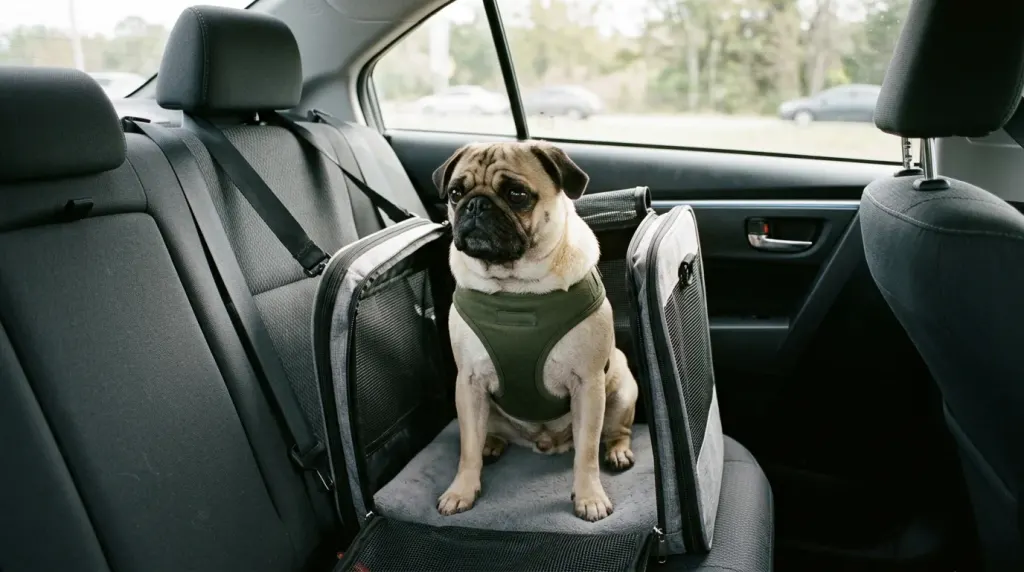
Most pugs handle short vehicle trips comfortably when secured in a crash-tested harness or crate inside a temperature-regulated car. Handlers should avoid traveling during extreme summer midday heat to prevent respiratory distress before reaching the destination facility.

Leave a Reply