
Table of Contents
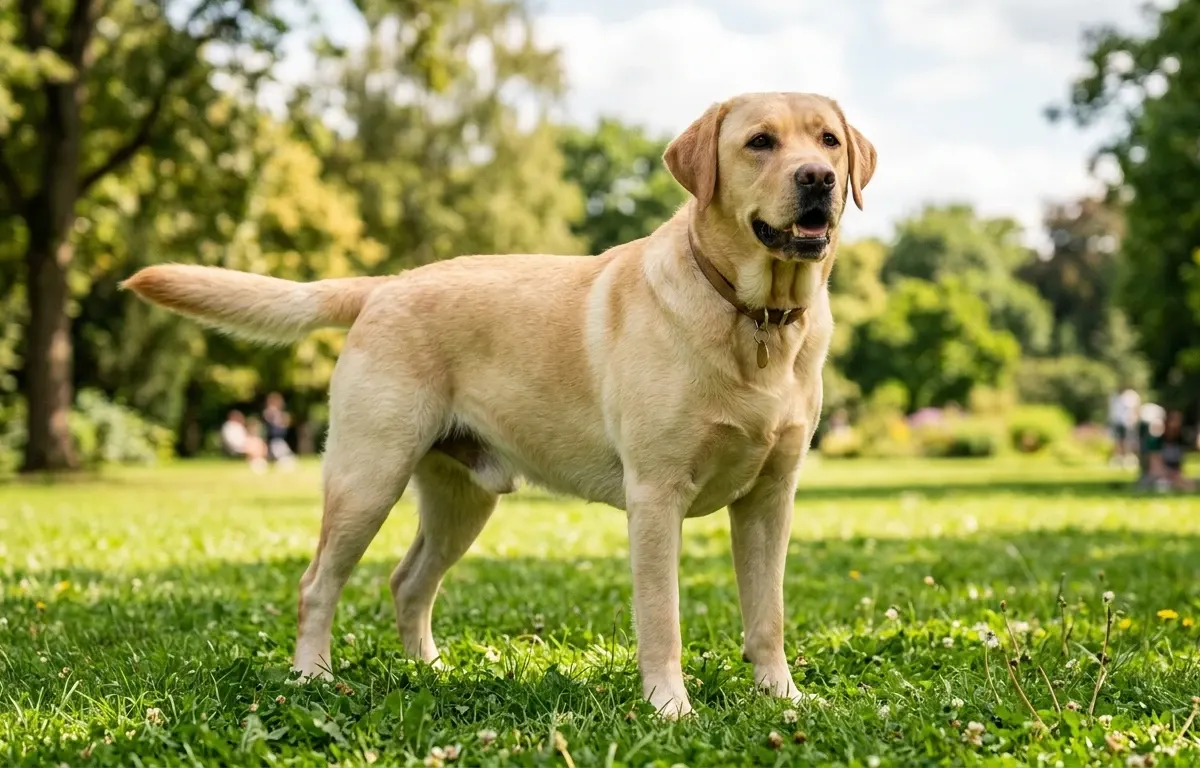
The Labrador Retriever dog breed is a versatile, medium-to-large sporting dog originally developed in Newfoundland and refined in Great Britain. Known for balanced athletic conformation, a water-resistant double coat, and a gentle disposition, adult males stand 22.5 to 24.5 inches tall and weigh 65 to 80 pounds, while females measure 21.5 to 23.5 inches and weigh 55 to 70 pounds. Labradors require daily physical exercise, structured obedience training, and diligent dietary monitoring to prevent obesity.
- Adult males stand 22.5 to 24.5 inches tall; females stand 21.5 to 23.5 inches tall.
- The breed standard recognizes three solid coat colors: black, yellow, and chocolate.
- Average overall lifespan is 13.1 years, though chocolate varieties average 10.7 years.
- Around 25 percent of pet Labradors carry a POMC gene deletion causing continuous appetite.
- Daily exercise needs include active retrieval, structured walks, or swimming.
Appearance and Varieties
The Labrador Retriever is an athletic, short-coupled sporting dog built for endurance in rough terrain and cold water. Balanced physical proportions allow smooth movement in field trials and waterfowl hunting.
| Parameter | Male Standard | Female Standard |
|---|---|---|
| Height at Withers | 22.5 to 24.5 inches (57-62 cm) | 21.5 to 23.5 inches (55-60 cm) |
| Weight Range | 65 to 80 pounds (29-36 kg) | 55 to 70 pounds (25-32 kg) |
| Coat Type | Dense, short, water-repellent | Dense, short, water-repellent |
| Tail Style | Otter tail, thick at base | Otter tail, thick at base |
Size, Color, and Coat
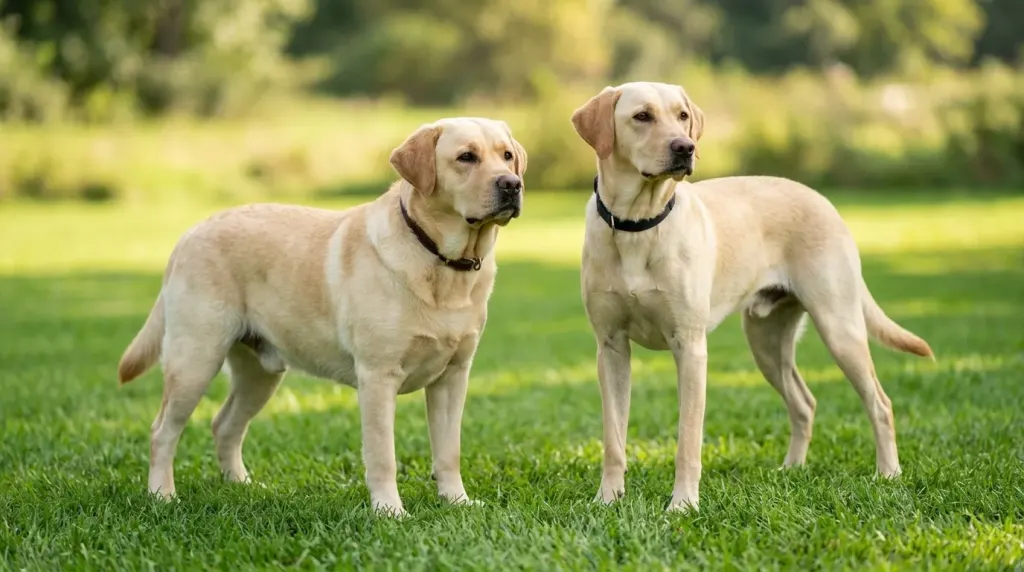
Official breed standards published by the American Kennel Club mandate precise dimensions. Males weigh between 65 and 80 pounds with heights between 22.5 and 24.5 inches. Females weigh between 55 and 70 pounds with heights between 21.5 and 23.5 inches.
Breed registries recognize three official coat colors:
- Black: Solid black throughout, though a small white patch on the chest is permissible.
- Yellow: Ranges from pale cream to deep fox-red, with dark eye rims and black nose pigment.
- Chocolate: Varies from light milk chocolate to dark bittersweet brown.
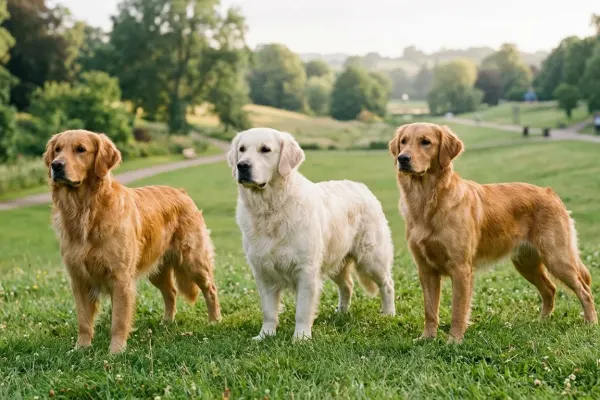
Coats marketed as silver, charcoal, or champagne carry a recessive dilute gene (dd) and are not recognized as standalone colors by parent breed clubs. For owners comparing retriever lines with other hunting companions, the Golden Retriever dog breed offers a related sporting profile with a longer, feathered double coat featuring a dense water-repellent undercoat.
Build, Movement, and Conformation
The Labrador features a clean skull, strong muzzle, moderate stop, and friendly hazel or brown eyes. The signature otter tail is thick at the base and tapers toward the tip, covered evenly in short, dense fur without feathering. This structure acts as a powerful rudder during open-water swims.
The gait is free and effortless, showing powerful drive from the hindquarters and clean forward reach. This balanced conformation contrasts sharply with low-slung, chondrodystrophic hunting structures seen in the Dachshund dog breed. English show lines (conformation) feature heavier bone structure, broader skulls, and shorter legs, whereas American field lines exhibit leaner bodies, longer legs, and higher working drive for competitive hunting tests.
- English Show Line: Heavy bone, broad barrel chest, calm indoor demeanor.
- American Field Line: Slender build, fine muzzle, intense retrieving focus.
Temperament and Suitability
The defining quality of the Labrador Retriever is an outgoing, even-tempered, and tractable personality. The breed demonstrates virtually no sharp aggression, making it one of the most reliable family companions and service animals worldwide.
| Breed Strengths | Management Realities |
|---|---|
| High trainability and eagerness to please | Prolonged puppyhood and high play drive |
| Exceptional patience with children | Heavy seasonal coat shedding |
| Calm sociability with other household pets | Strong food-seeking motivation |
| Natural swimming and retrieval drive | Demands consistent daily physical activity |
Labradors thrive in active homes where they participate in daily outings. Their high sociability means they do not make effective protection guard dogs, though they will alert bark at unfamiliar visitors. For households seeking lower-energy indoor lap companions with minimal exercise demands, the Pug dog breed presents a quiet alternative. Similarly, families living in small urban apartments without private yard access might evaluate the compact French Bulldog dog breed.
Temperament Across Life Stages
Labrador puppies and young adolescents exhibit intense physical exuberance. During early development, growing dogs require consistent boundary training to manage high excitement and prevent boisterous jumping on guests. As they mature into adulthood, Labradors develop steady focus, serving capably as guide dogs, search-and-rescue partners, or waterfowl retrievers depending on individual drive and handler consistency. Senior dogs gradually moderate their pace, enjoying gentler strolls while retaining deep emotional attachment to their handlers.
Dr. Jerry Klein, Chief Veterinary Officer at the American Kennel Club, noted that while field and conformation strains differ in physical build, both lines preserve the core breed hallmarks of social stability, trainability, and deep human bonding.
Note: Adolescent Labradors lacking regular physical outlets frequently develop oral destructive habits, including chewing furniture or digging in gardens.
Health and Longevity
The Labrador Retriever is generally robust, but purebred lineages carry specific genetic predispositions that require proactive veterinary management.
| Health Condition | Primary Risk Factor | Screening / Management |
|---|---|---|
| Hip Dysplasia | Polygenic inheritance | OFA / PennHIP radiographs |
| Elbow Dysplasia | Joint incongruity | OFA elbow grading |
| Progressive Retinal Atrophy (PRA) | Autosomal recessive | DNA testing (prcd-PRA) |
| POMC Gene Hyperphagia | Exon 3 deletion | Measured feeding by weight |
| Otitis Externa | Moisture in ear canal | Drying cleanser post-swim |
Common Health Issues and Screening
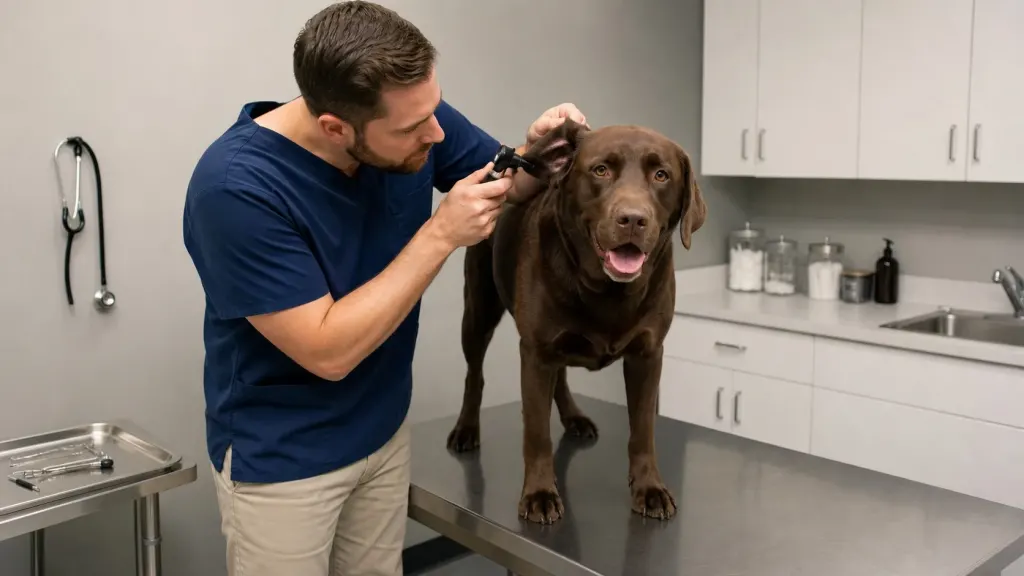
According to large-scale epidemiological data compiled by the Royal Veterinary College VetCompass, the overall median lifespan of Labrador Retrievers is 13.1 years. However, a related study published by the RVC VetCompass team determined that chocolate Labradors live a shorter median lifespan of 10.7 years and experience higher rates of pyo-traumatic dermatitis (hot spots) and ear canal infections.
Orthopedic health remains a top priority. Abnormal formation of the hip and elbow joints leads to early-onset osteoarthritis. Orthopedic evaluations published by dvm360 OFA confirm that selective breeding from certified parents substantially lowers dysplasia rates across generations. Similar joint screenings are standard practice in other large working breeds like the German Shepherd dog breed.
Obesity and Nutrition Management
Canine genetics research published in Cell Metabolism on the canine POMC gene identified a specific 14-base-pair deletion in exon 3 that prevents the production of appetite-suppressing neuropeptides. Approximately 25 percent of all pet Labradors carry this mutation, causing permanent physiological hunger and lowering resting metabolic rate by roughly 25 percent.
Dr. Eleanor Raffan, veterinary surgeon and geneticist at the University of Cambridge who led the POMC study, stated: “When we studied Labrador Retrievers, we found that a deletion in the POMC gene changes how brain signals regulate appetite, making affected dogs feel constantly hungry regardless of energy intake.”
Portion control guidelines:
- Weigh daily rations using a digital gram scale rather than volumetric scoops.
- Deduct treat calories from total daily energy allowance (max 10% treat intake).
- Substitute high-fat commercial biscuits with crunchy raw carrots or green beans.
Note: Canine obesity accelerates joint cartilage wear and shortens life expectancy by up to two years. Never allow free-choice feeding with this breed.
Exercise, Training, and Nutrition
Meeting a Labrador’s working drive prevents behavioral frustration and maintains cardiovascular health. Adult dogs thrive with substantial daily structured activity, combining active leash walks, retrieving sessions, and mental stimulation.
| Activity Type | Recommended Approach |
|---|---|
| Leash Walking | Brisk neighborhood walking tailored to age and stamina |
| Swimming / Fetch | Active retrieve work in controlled water or open fields |
| Mental Enrichment | Nosework exercises, puzzle toys, and obedience drills |
Training Milestones and Techniques
Labradors respond best to positive reinforcement techniques utilizing food rewards, toys, and praise. Harsh physical corrections cause confusion and damage the handler-dog working bond. Because of their fast learning speed, Labradors learn commands quickly when compared to other highly intelligent sporting lines such as the Poodle dog breed.
Key developmental training stages include:
- Early Puppyhood: Crate habituation, bite inhibition, and gentle exposure to household sounds, grooming tools, and varied footing.
- Juvenile Foundation: Loose-leash walking habits, reliable recall cues, and impulse control around food bowls.
- Adolescent Proofing: Reinforcing basic obedience around distractions, practicing duration stays, and introducing structured retrieval drills.
- Mature Adulthood: Advanced obedience, scent work titles, agility, or therapy dog certification based on handler goals.
Grooming and Care
The weather-resistant double coat of the Labrador consists of a soft, insulating undercoat protected by a harsh, straight outer guard layer.
| Grooming Task | Recommended Approach | Key Objective |
|---|---|---|
| Undercoat Brushing | Routine weekly brushing; daily during seasonal sheds | Removes loose undercoat hair |
| Full Bathing | As needed when soiled | Preserves natural protective lipid barrier |
| Ear Cleansing | Regular inspection and post-swim care | Prevents fungal and bacterial otitis |
| Nail Trimming | Routine trimming as needed | Maintains proper paw footfall |
Coat Care and Shedding Management
Labradors shed continuously throughout the year and experience heavy seasonal shedding in spring and autumn. Regular grooming with a slicker brush and undercoat rake collects loose hair before it settles on furniture. Multi-pet households handling grooming routines across both canines and felines can read care strategies for the long-haired Ragdoll cat breed.
Bathing should occur only as needed when the coat becomes soiled or muddy. Frequent washing with harsh shampoos strips the natural protective oils that keep the coat water-repellent. Because the floppy ear leather traps humidity, handlers must dry ear canals thoroughly and apply a veterinary drying solution after every swim to prevent otitis externa. Using high-velocity blow dryers during seasonal shedding cycles dislodges trapped undercoat hair efficiently without abrading sensitive skin surfaces.
Breeding and Ethical Considerations
Preserving the working utility and genetic health of the Labrador Retriever requires strict adherence to ethical breeding practices. According to historical documentation from The Labrador Retriever Club, the breed’s foundational purpose focused on water endurance and gentle game delivery.
| Ethical Standard | Requirement |
|---|---|
| Orthopedic Certifications | OFA Hip and Elbow clearances past 24 months |
| Ophthalmic Screening | Annual CAER / CERF eye examinations |
| Genetic DNA Panels | EIC, PRA-prcd, CNM, and HNPK clear tests |
| Temperament Evaluation | Absence of unprovoked human or dog aggression |
Breeding Best Practices
Responsible breeders perform complete health screenings before pairing parent dogs. Hip and elbow evaluations must be completed after 24 months of age when bone growth plates have fully fused. DNA screening for Exercise-Induced Collapse (EIC), Centronuclear Myopathy (CNM), and Progressive Retinal Atrophy (PRA) prevents hereditary disabilities in litters.
Unlike breeds requiring surgical delivery or artificial reproductive interventions, such as those described in the veterinary overview on how to breed French Bulldogs, Labradors generally whelp naturally without complications. Understanding how ancestral working lines shaped modern canines can also be explored when studying what breeds make a French Bulldog.
- 1991 to 2021: Held #1 rank as America’s most registered dog breed for 31 consecutive years.
- 2022 to Present: Ranks #2 following the French Bulldog, maintaining top popularity globally.
Official registration reports from the AKC press release show that while the French Bulldog ended the Labrador’s 31-year reign at number one in 2022, the Labrador remains the most versatile family and working sporting dog across North America and Europe.
Frequently Asked Questions
What is the origin of the Labrador Retriever?
The Labrador Retriever descended from the St. John’s water dog in Newfoundland, Canada, where it assisted fishermen in retrieving nets and escaped fish. British noblemen imported these dogs in the 19th century, refining them into modern sporting retrievers officially recognized by The Kennel Club in 1903 and the AKC in 1917.
How much exercise does an adult Labrador Retriever need daily?
An adult Labrador Retriever requires substantial daily physical and mental exercise. This should include brisk leash walks, off-leash fetch, swimming, and interactive puzzle toys or obedience training to prevent destructive chewing.
What causes excessive hunger and obesity in Labradors?
Roughly 25 percent of pet Labradors possess a 14-base-pair deletion in the POMC gene. This mutation disrupts the brain’s appetite regulation signals and reduces resting metabolic rate, causing affected dogs to feel persistent hunger and gain weight quickly without strict portion control.
How often should a Labrador Retriever be groomed?
Labradors require regular brushing with a slicker brush or undercoat rake, with daily sessions recommended during seasonal shedding periods when the undercoat blows. Bathing is best kept to an as-needed basis when the coat is muddy or soiled to protect natural water-repellent oils, while ear canals should be dried thoroughly after swimming.
What health screenings should parent Labradors undergo?
Parent Labradors should have certified OFA or PennHIP hip and elbow radiographs completed after 24 months of age, annual CAER eye exams, and genetic DNA clearances for PRA-prcd, Exercise-Induced Collapse (EIC), and Centronuclear Myopathy (CNM).


Leave a Reply