
Table of Contents
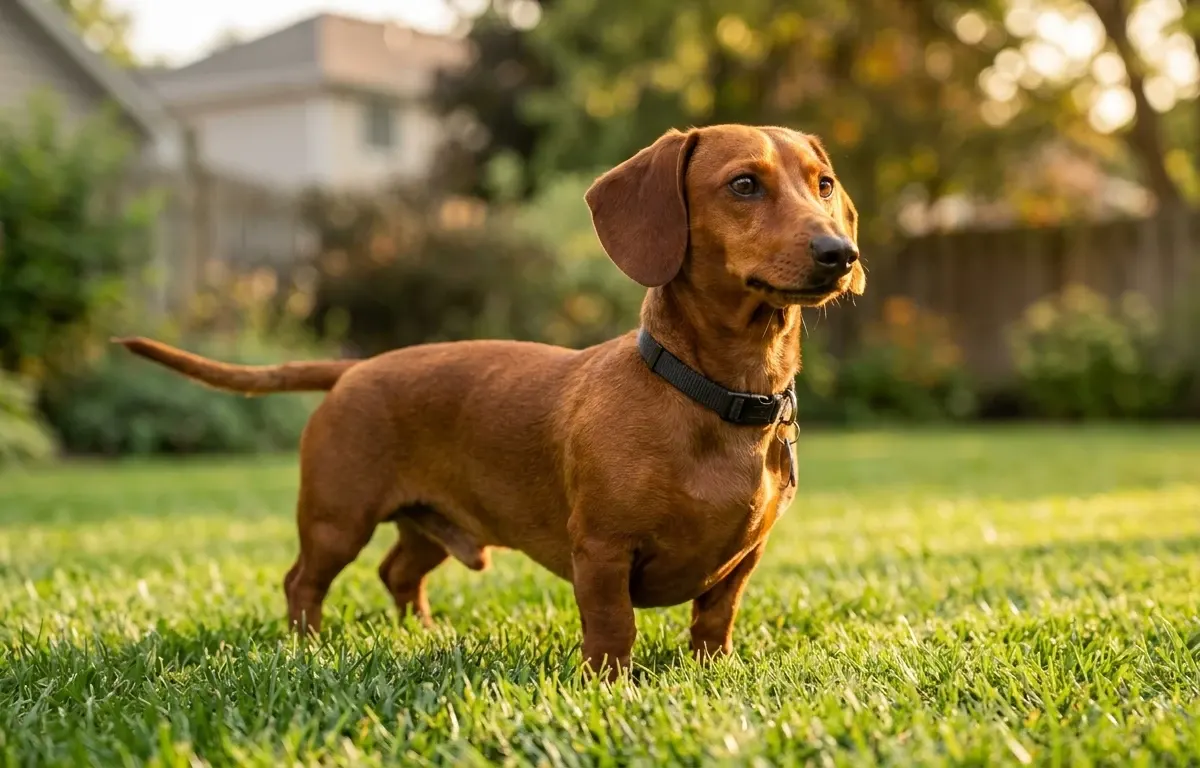
The dachshund dog breed is a short-legged, long-bodied German hound bred to hunt badgers, recognized by the AKC in three coat types and two sizes. They are known for a bold, affectionate temperament and a lifespan of roughly 12 to 16 years, but they are predisposed to spinal disc disease due to their unique build.
- Developed in Germany for burrowing and badger hunting
- Available in Standard (16-32 lb) and Miniature (11 lb and under) sizes
- Three coat types: Smooth, long-haired, and wire-haired
- A genetic mutation makes them prone to Intervertebral Disc Disease (IVDD)
- Require moderate, low-impact exercise and strict weight management
Dachshund History and Origin
Dachshunds, which translates to “badger dogs” in German, were developed in Germany by the 18th and 19th centuries. Breeders selectively developed their short legs and long bodies specifically for tunneling into badger and rabbit burrows. The modern breed, sometimes referred to as the Dackel or Teckel in Germany, retains this hunting heritage. Miniature dachshunds were later developed specifically for hunting smaller prey like rabbits. The American Kennel Club officially recognized the breed in 1885, and they have remained popular worldwide for both their distinctive appearance and their spirited nature.
Physical Characteristics and Breed Standard
The AKC breed standard describes the dachshund as low to the ground, long-bodied, and short-legged, with robust muscular development. The breed comes in two recognized sizes: standard and miniature. They are bred with three distinct coat types: smooth, long-haired, and wire-haired. Common coat colors include red, black-and-tan, chocolate-and-tan, cream, and wild boar.
| Size Class | Weight | Height |
|---|---|---|
| Standard | 16-32 lb | 8-9 inches |
| Miniature | 11 lb and under | 5-6 inches |
While some companion breeds have complex ancestries, such as those detailed when examining what breeds make a French bulldog, the dachshund’s distinctive physical characteristics are the result of centuries of focused breeding for a very specific hunting function.
Standard vs. Miniature Dachshund
Standard dachshunds typically weigh 16 to 32 pounds, while miniatures weigh 11 pounds or less at maturity. Both share identical conformation and temperament. The size distinction is defined entirely by weight and height rather than a separate breed classification.
Dachshund Temperament and Personality
Dachshunds are bold, curious, and remarkably loyal to their families. Because of their history as solo burrow hunters, they retain a strong prey drive, a tendency to dig, and alertness that makes them excellent watchdogs. They can also be independent-minded and stubborn, which requires patience during training.
Unlike the pug’s laid-back lap-dog temperament, a dachshund is energetic and driven by its hound instincts.
Dachshund Health: Key Risks and Concerns
Dachshunds carry a chondrodystrophy (CDDY) gene mutation linked to the FGF4 retrogene. This mutation causes premature calcification of the spinal discs, giving them roughly a 19 to 25 percent lifetime risk of developing intervertebral disc disease (IVDD). This is the breed’s most significant health concern. Additional health risks include obesity, patellar luxation, and progressive retinal atrophy (PRA), which is more common in miniatures.
Understanding genetic risks is a critical part of breeding. Just as those learning how to breed French bulldogs must test for brachycephalic and airway issues, responsible dachshund breeders must screen for patellar luxation and hereditary eye diseases.
What Is Intervertebral Disc Disease (IVDD) in Dachshunds?
IVDD occurs when a dachshund’s spinal discs, weakened by premature calcification from the CDDY mutation, bulge, herniate, or rupture into the spinal canal. This compresses the spinal cord, causing pain, weakness, or in severe cases, paralysis. Roughly one in four dachshunds is affected by an IVDD episode during their lifetime.
Recognizing and Reducing IVDD Risk
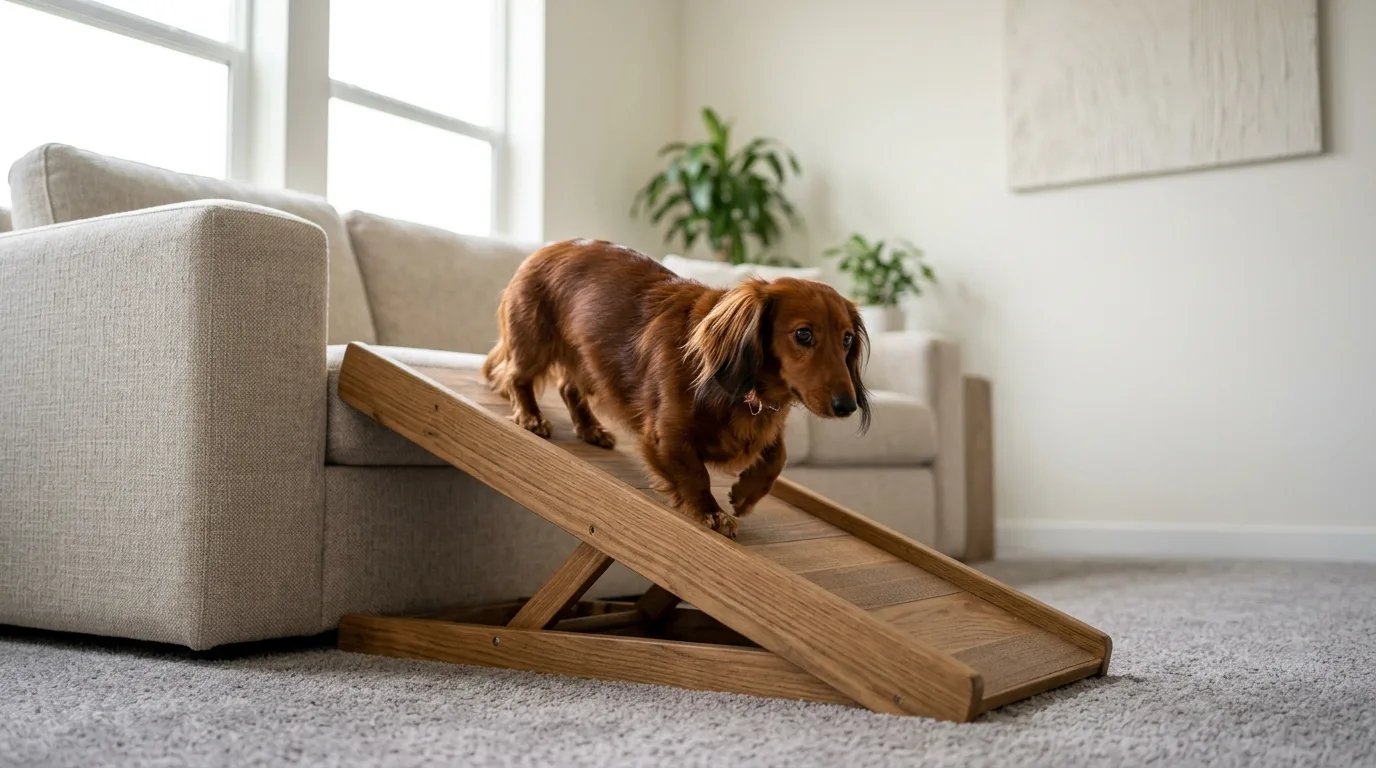
Warning signs of a spinal injury include reluctance to jump, a hunched back, yelping when touched, or hind-limb weakness. Any of these symptoms warrants a same-day veterinary evaluation. While the genetic mutation cannot be changed, owners can reduce modifiable risks by maintaining a lean body condition, using ramps instead of stairs, and supporting the chest and hindquarters simultaneously when lifting the dog.
Dachshund Lifespan
Most veterinary and breed sources place the average dachshund lifespan between 12 and 16 years. Data from the UK VetCompass cohort shows a median lifespan around 12 to 14 years, with standard-size dogs slightly outliving miniatures in some datasets. Individual longevity varies significantly based on weight management, spinal health, and routine veterinary care.
Grooming and Coat Care by Variety
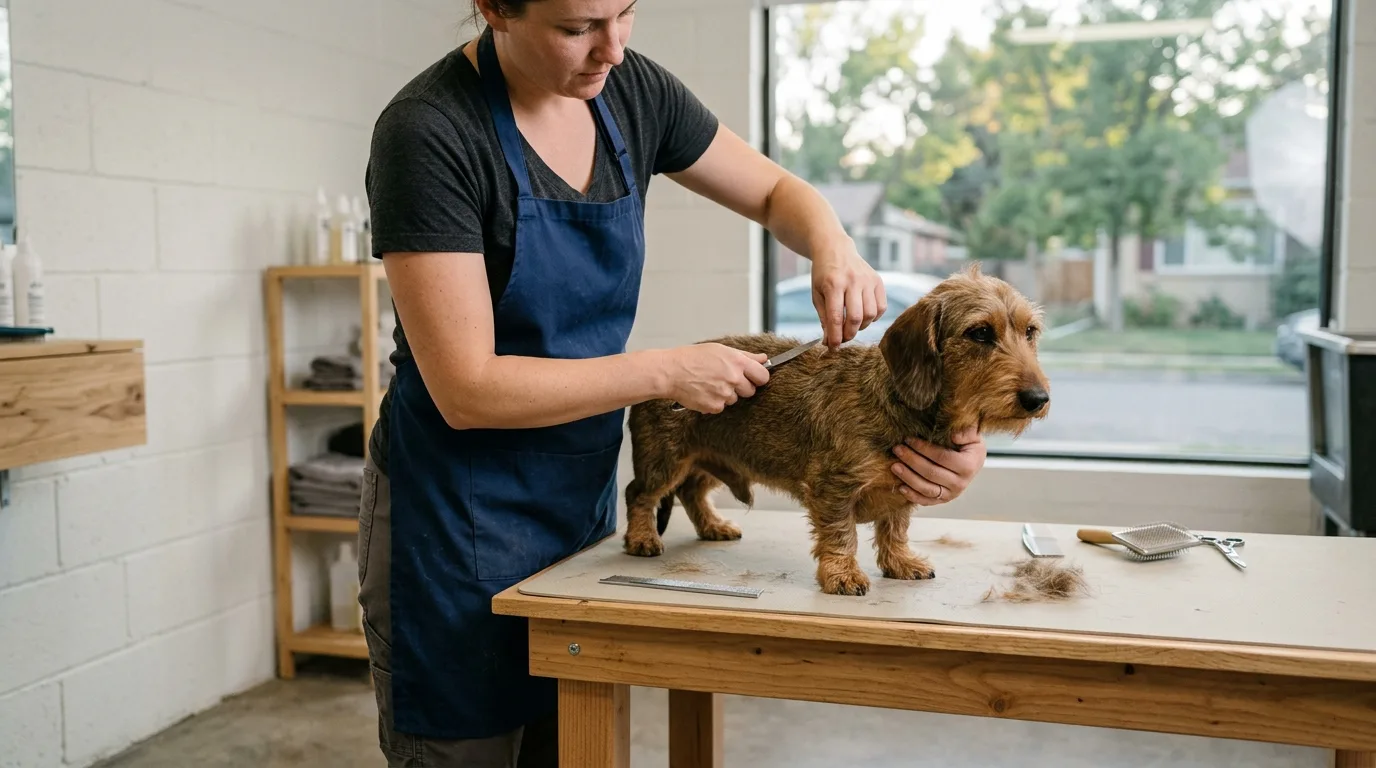
Grooming needs vary significantly across the three coat types. Smooth-coated dachshunds require only weekly brushing and occasional bathing every 6 to 12 weeks. Long-haired dachshunds require brushing two to three times weekly and bathing every 4 to 6 weeks to prevent mats from forming behind the ears and on the legs. Wire-haired dachshunds need periodic hand-stripping every 3 to 4 months rather than standard clipping, along with infrequent bathing to preserve their coarse coat texture.
| Coat Type | Brushing Frequency | Bathing Frequency | Special Care |
|---|---|---|---|
| Smooth | Weekly | Every 6-12 weeks | Wipe down with a damp cloth |
| Long-haired | 2-3 times weekly | Every 4-6 weeks | Check for mats behind ears and under legs |
| Wire-haired | Weekly | Infrequent | Requires hand-stripping every 3-4 months |
This coat-specific approach differs greatly from a poodle’s specialized coat-clipping schedule, which requires professional grooming every few weeks regardless of the dog’s size.
Exercise, Weight Management and Everyday Care
Dachshunds generally need about 20 to 60 minutes of low-impact daily activity, such as flat-ground walks or swimming. This is best split into shorter sessions to avoid fatigue. Avoid strenuous, jumping-based play to protect their long spines. Measured feeding is essential to prevent obesity, which independently raises the risk of IVDD.
Their exercise requirements are modest when compared to a Labrador retriever’s higher daily exercise needs or a German shepherd’s structured exercise routine.
Is a Dachshund Right for You? Comparing Traits Across Breeds
Compared to larger, higher-shedding breeds, dachshunds require less space and consume less daily food. However, they carry a distinctly elevated spinal health risk that requires lifelong management and financial preparedness. Compared to short-nosed breeds, dachshunds avoid brachycephalic airway issues but face their own genetic health tradeoffs.
They are generally adaptable to apartment living, provided they receive adequate walks and mental stimulation. However, their tendency to bark and their strong hunting instincts mean they require consistent, patient training. Families with toddlers must carefully supervise interactions, as a dachshund’s back can easily be injured if they are dropped or handled roughly. This makes them less naturally resilient with small children than a golden retriever’s family-friendly temperament profile. Conversely, owners worried about a French bulldog’s brachycephalic health tradeoffs might prefer a dachshund’s normal airway, provided they are prepared to manage the spinal risks. A dachshund is best suited for an adult household or a family with older children who understand how to safely interact with a long-backed dog. Their bold personality and loyalty are highly rewarding for owners willing to invest in ramps, weight management, and preventative care.
Frequently Asked Questions
Are dachshunds hypoallergenic?
No, dachshunds are not hypoallergenic. Even the wire-haired and smooth varieties shed, though long-haired dachshunds require the most grooming to manage loose fur.
How much does a dachshund puppy typically cost?
From a reputable breeder who performs necessary health and genetic testing, a dachshund puppy can cost anywhere from $1,500 to $3,500 depending on the coat type and lineage.
Can dachshunds climb stairs?
While they can physically climb stairs, it is highly discouraged. Regular stair climbing places repetitive stress on their elongated spine and significantly increases the risk of a ruptured disc.
Conclusion
Responsible dachshund ownership hinges on managing the breed’s known spinal risks while enjoying their rewarding, loyal, and spirited temperament. By maintaining a lean weight, using ramps, and providing appropriate low-impact exercise, owners can give these unique hounds a long, healthy life. Before making a final decision, it can be helpful to research other small companion dogs, such as the pug breed’s own hereditary health considerations, to find the best fit for your lifestyle.



Leave a Reply