
Table of Contents
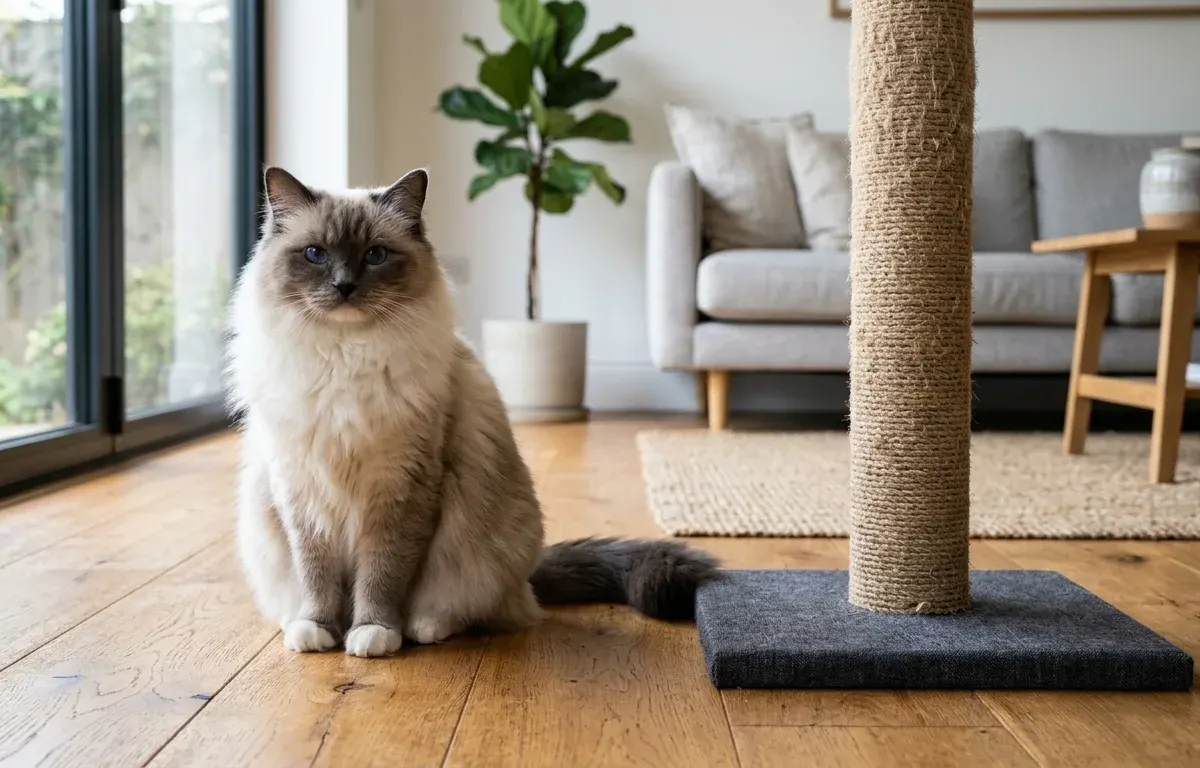
Do Ragdoll cats scratch furniture? Yes, Ragdoll cats do scratch furniture if they lack dedicated scratching alternatives. Scratching is an essential feline instinct used to condition claws, stretch back muscles, and deposit scent markers. However, because Ragdolls have a calm, low-energy temperament and prefer staying near floor level, their scratching damage is typically less widespread and easier to redirect than that of high-energy breeds.
- Scratching is a natural biological need for all cats, including Ragdolls, not a sign of behavioral spite.
- Ragdolls scratch to shed dead claw sheaths, stretch their bodies, mark territory with paw scent glands, and relieve anxiety.
- Heavy, tall sisal scratching posts placed near sleeping areas effectively redirect scratching away from couches.
- Humane deterrents like double-sided tape and citrus sprays temporarily protect furniture while training occurs.
- Declawing involves surgical amputation of toe bones and is strongly opposed by veterinary associations due to chronic pain and behavioral risks.
Do Ragdoll Cats Scratch Furniture More or Less Than Other Breeds?
Ragdoll cats are famous for their gentle nature, quiet voice, and affectionate personality. Prospective owners often wonder whether this relaxed temperament means Ragdolls leave household upholstery alone. While Ragdolls are less hyperactive than athletic breeds such as Bengals or Abyssinians, understanding overall Ragdoll cat breed characteristics and care helps explain why their calm personality influences household habits while retaining the exact same biological scratching drives as all domestic felines.
When compared to high-energy breeds that climb curtains or jump onto high shelves, Ragdolls tend to cause less widespread destruction in the home. They are grounded cats that prefer resting near floor level or on low cushions. Consequently, a Ragdoll’s scratching behavior usually concentrates near their favorite sleeping areas on the floor, making it far easier to manage.
However, a mild temperament does not equal zero scratching. Owners who expect a Ragdoll to ignore furniture without providing alternative scratching surfaces will be disappointed. If a sofa corner offers the best physical resistance in a room, a Ragdoll will use it. Understanding the friendly Ragdoll cat temperament helps owners prepare an environment where both cat and furniture remain safe.
Is Scratching a Universal Feline Behavior or a Ragdoll-Specific Trait?
Scratching furniture is not a breed-specific flaw, nor is it a sign that a Ragdoll is poorly trained. It is a universal feline behavior observed across all domestic cat breeds and wild felids.
A Ragdoll’s calm disposition influences how often they move around, but it does not eliminate their physiological drive to scratch. Expecting a Ragdoll to refrain from scratching entirely is unnatural. Instead of attempting to suppress the behavior, effective cat ownership relies on guiding that energy toward acceptable objects designed specifically for clawing.
Why Do Ragdoll Cats Scratch Furniture?
To stop a Ragdoll from clawing sofas, carpets, and door frames, owners must first understand what drives the behavior. Cats scratch for several distinct physical and psychological reasons:
- Claw Maintenance: Scratching enables cats to shed the dead outer sheaths of their claws, exposing the healthy new nail underneath.
- Full-Body Stretching: Anchoring front paws into a tall surface allows a cat to stretch their back, shoulder, and leg muscles after waking up.
- Scent and Visual Marking: Cats possess scent glands in their paw pads. Scratching deposits chemical signals alongside visual claw marks to establish territorial security.
- Stress Relief: Clawing provides a physical outlet to release pent-up energy and ease mild frustration.
According to guidelines from VCA Animal Hospitals on feline scratching behavior, scratching acts as a communication tool that helps cats feel secure in their territory. When suitable scratching posts are missing, fabric couches and wooden chair legs become prime targets simply because they offer stability and appealing textures. Scratching serves three distinct physiological functions: conditioning claws by shedding outer sheaths, extending spinal muscles after sleep, and leaving scent markers from paw pad glands.
Can Stress or Environmental Change Increase Scratching in Ragdolls?
Although Ragdolls have an easygoing nature, they remain sensitive to household changes. Environmental stressors can trigger a sudden increase in scratching frequency as cats attempt to soothe themselves and re-establish territorial boundaries.
Common causes of stress-induced scratching in Ragdolls include:
- Moving to a new home or rearranging living room furniture.
- Introducing a new pet, baby, or frequent visitor.
- Changes in an owner’s work schedule leading to separation anxiety.
- Friction with other pets in a multi-animal home.
When evaluating caring for a Ragdoll cat, owners should account for emotional well-being. For instance, when introducing new animals, reviewing how Ragdoll cats coexisting with dogs works can help minimize stress and prevent territorial clawing.
How to Stop a Ragdoll Cat From Scratching Furniture
Eliminating unwanted scratching requires a constructive approach focused on environmental enrichment and redirection rather than punishment. Yelling, squirt bottles, or physical reprimands create fear, worsen anxiety, and often increase destructive clawing.
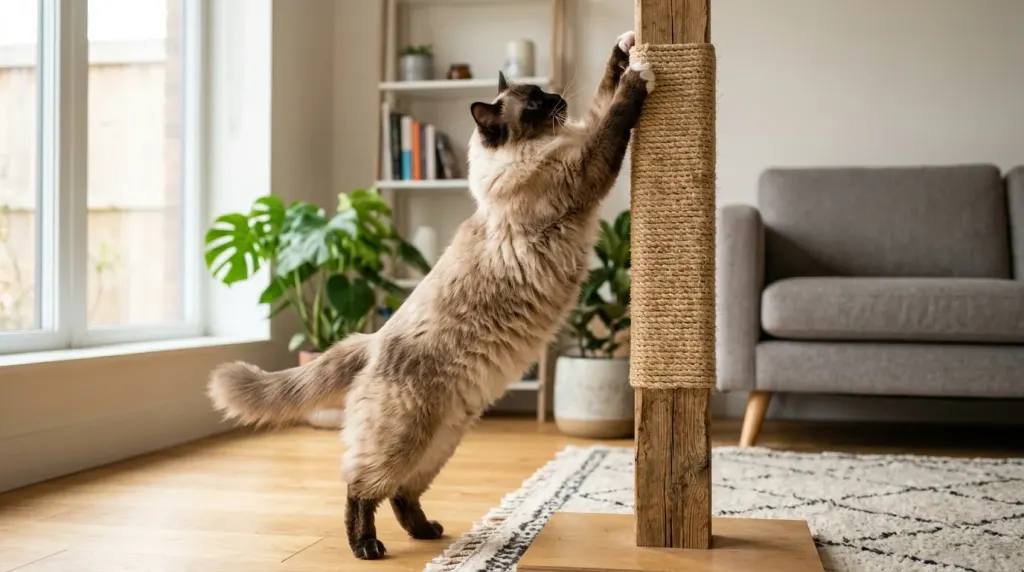
The most effective strategy combines providing high-quality scratching alternatives with making targeted furniture temporarily unappealing.
What Type of Scratching Post Suits a Ragdoll’s Size and Weight?
Choosing the wrong scratching post is the most common reason cats continue targeting furniture. Learning how to identify a Ragdoll cat and recognize their large physical frame ensures owners select appropriately proportioned posts. Ragdolls have specific physical requirements that dictate the ideal post style.
Standard lightweight posts found in general pet stores are often inadequate for this breed. Considering the full-grown size and weight of Ragdoll cats, adult males can weigh between 15 and 20 pounds. This requires a post that is tall, heavy, and exceptionally stable.
Key features to look for in a Ragdoll scratching post include:
| Feature | Requirement for Ragdolls | Why It Matters |
|---|---|---|
| Height | At least 30 to 36 inches tall | Allows full spine extension while reaching upward |
| Base Weight | Heavy solid wood or wide platform | Prevents wobbling or tipping under a large cat’s weight |
| Material | Natural sisal rope or woven sisal fabric | Provides firm resistance similar to tree bark without catching claws |
| Orientation | Vertical posts paired with horizontal ramps | Accommodates both vertical reaching and floor scratching preferences |
If a post wobbles when a heavy Ragdoll leans into it, the cat will abandon the post and return to the sturdy frame of a couch.
Where Should Scratching Posts Be Placed for Best Results?
Location is just as important as post design. Placing a scratching post in an isolated basement or hidden hallway guarantees it will be ignored.
To maximize use, position scratching posts in these strategic spots:
- Directly Beside Targeted Furniture: Place a post immediately adjacent to the couch corner your Ragdoll currently scratches.
- Near Sleeping Areas: Cats instinctively stretch and scratch right after waking up from a nap.
- High-Traffic Family Rooms: Position posts in main living areas where the cat spends most time and wants to leave territorial marks.
Once your Ragdoll consistently uses the post, you can gradually shift its location a few inches per day toward a more convenient spot.
Are Anti-Scratch Sprays or Double-Sided Tape Effective Deterrents?
Humane deterrents protect vulnerable furniture while your Ragdoll learns to use new posts. These barriers alter the texture or scent of surfaces without causing distress.
Effective deterrent methods include:
- Double-Sided Sticky Tape: Applying clear sticky tape to couch corners creates an unappealing tactile surface for cat paws.
- Citrus Sprays: Cats naturally dislike citrus scents. Spraying fabric-safe citrus extracts on furniture edges discourages clawing.
- Pheromone Diffusers: Synthetic pheromone diffusers release soothing facial pheromones into the room, reducing stress-driven marking.
Always pair deterrents with an appealing scratching post placed right next to the protected item, encouraging an immediate alternative choice.
Why Declawing Is Not a Solution for Ragdoll Cats
Declawing, medically termed onychectomy, is sometimes mistakenly viewed as a quick fix for furniture protection. Major veterinary organizations strongly condemn declawing as an elective procedure, and the surgery is banned in dozens of countries and multiple U.S. states.
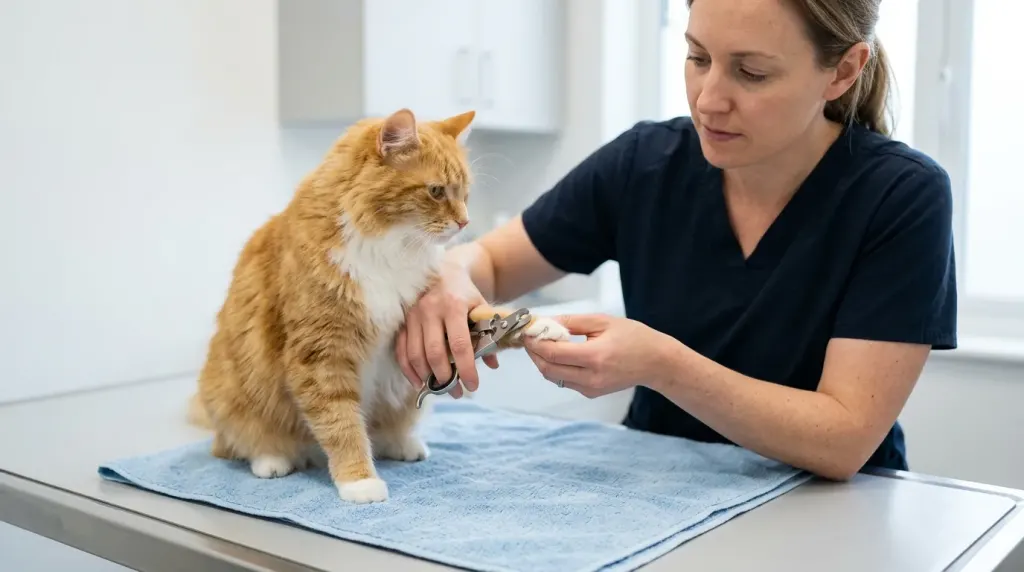
Declawing is not a simple nail trim. It is a major surgical procedure involving the amputation of the last bone of each digit on a cat’s paw.
According to the ASPCA Position Statement on Declawing, “declawing involves the surgical amputation of the last bone of each toe,” which can result in chronic pain, lameness, and long-term behavioral changes.
Note: Redirection requires consistent positive reinforcement over several weeks. Avoid yelling or physical punishment, as Ragdolls are sensitive to harsh tones and stress can increase unwanted scratching.
What Are the Physical and Behavioral Risks of Declawing?
Declawing carries serious long-term consequences for a cat’s physical health and emotional welfare.
Primary risks of declawing include:
- Chronic Pain and Arthritis: Amputation alters foot mechanics and weight distribution, leading to joint pain, nerve regrowth, and chronic lameness.
- Litter Box Avoidance: Tender paws make digging in coarse clay litter painful, prompting declawed cats to eliminate on soft rugs or laundry.
- Increased Biting: Deprived of their primary defense mechanism, declawed cats often resort to biting when feeling defensive or stressed.
- Muscle Atrophy: Without claws to anchor during stretches, cats experience muscle weakening in their back and shoulders.
When reviewing common health problems in Ragdoll cats, owners should avoid introducing artificial surgical complications. Regular nail trimming, heavy scratching posts, and soft vinyl nail caps protect furniture without compromising welfare.
Where Is Declawing Restricted or Banned?
Declawing is increasingly recognized as an unnecessary procedure. The operation is illegal across New York State, Maryland, Rhode Island, and numerous major U.S. cities, as well as throughout the United Kingdom, European Union nations, and most Canadian provinces.
Protecting your pet from unnecessary surgery supports overall wellness. Considering the average lifespan of Ragdoll cats, which often reaches 12 to 15 years or more, avoiding elective amputations ensures your companion remains active and comfortable throughout their life.
Frequently Asked Questions About Do Ragdoll Cats Scratch Furniture
Does regular nail trimming stop a Ragdoll from scratching furniture?
Regular nail trimming reduces furniture damage by dulling claw tips, but it does not eliminate the scratching instinct itself. Trimming the tips every two to three weeks prevents deep fabric snags while allowing your cat to stretch safely on designated posts.
Can excessive scratching indicate an underlying medical issue or severe anxiety in Ragdolls?
Sudden, intense increases in scratching frequency can signal heightened anxiety, environmental stress, or skin discomfort. If your Ragdoll displays obsessive clawing alongside hair loss, skin redness, or withdrawal, consult a veterinarian to rule out medical conditions such as skin parasites, allergies, or anxiety.
Leave a Reply