
Table of Contents
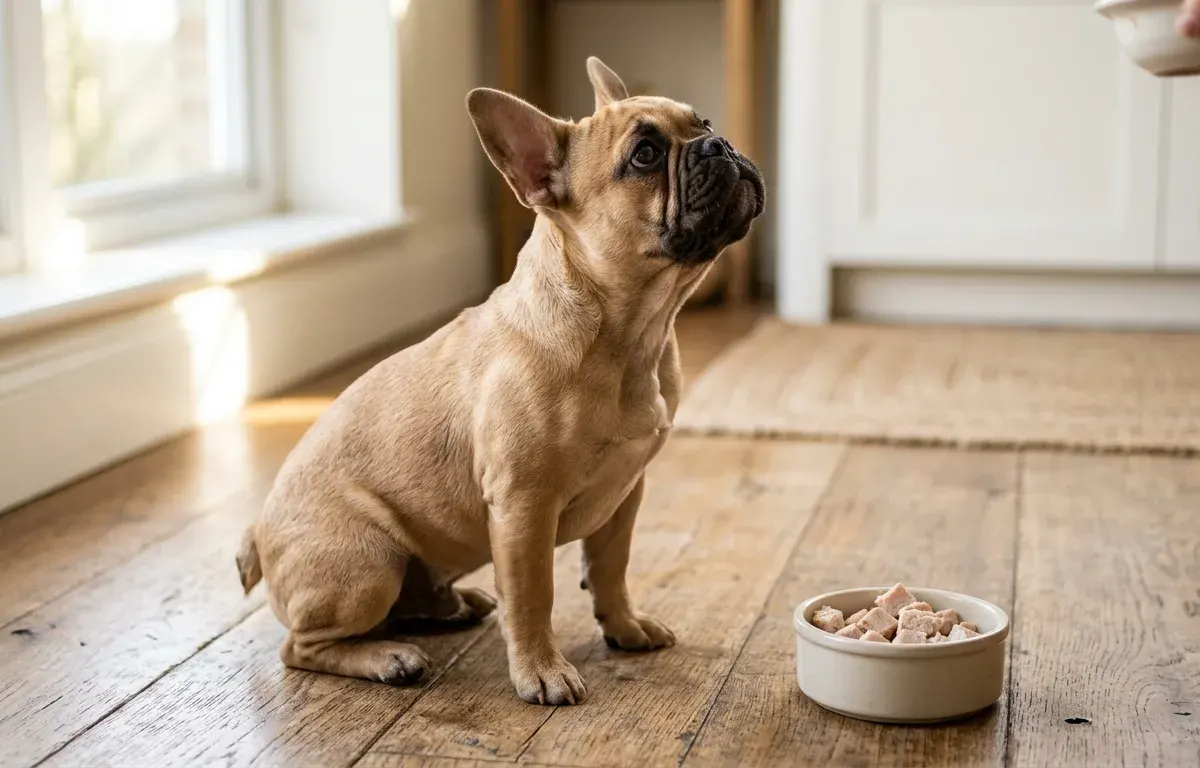
Yes, French Bulldogs can eat plain, fully cooked, and unseasoned turkey meat in small amounts. White meat (breast) is the safest choice. You must completely avoid giving them turkey skin, bones, fat, and seasonings, as these can cause pancreatitis or intestinal blockages.
- Plain, skinless, and boneless turkey is a safe, lean protein source for dogs.
- Turkey skin and fat carry a high risk of triggering pancreatitis.
- Cooked turkey bones splinter easily and pose a severe choking and puncture hazard.
- Never share holiday leftovers that contain toxic ingredients like onions or garlic.
Is turkey meat safe for a French Bulldog’s digestion?
When evaluating what French Bulldogs can eat safely, plain cooked turkey is a popular lean protein choice. While dogs can certainly have turkey meat, it must be prepared properly without rich seasonings. In fact, many commercial pet food brands use this poultry as a primary ingredient. According to the American Kennel Club (AKC), plain white turkey meat is a lean source of protein that provides essential nutrients like riboflavin and phosphorus.
When introducing new proteins, salmon is another great protein choice for a Frenchie, but lean turkey is equally gentle on a healthy dog’s digestive system. The meat only becomes problematic when it is served with high-fat sections or cooked improperly.
Which parts of turkey are dangerous for French Bulldogs?
Most veterinary emergencies related to turkey happen because a dog consumed the wrong parts of the bird or seasoned leftovers. You must keep the following items away from your Frenchie:
- Skin and fat: Turkey skin is extremely high in fat. According to Hill’s Pet Nutrition, consuming high-fat table scraps is a leading cause of pancreatitis, a painful and potentially life-threatening inflammation of the pancreas.
- Cooked bones: Cooking makes turkey bones brittle. When a dog chews them, they splinter into sharp pieces that can cause severe choking, throat lacerations, or intestinal punctures.
- Gravy and stuffing: Holiday preparations usually involve butter, salt, onions, and garlic. The Canine Journal warns that onions and garlic are highly toxic to dogs and can destroy their red blood cells.
- Processed turkey: Deli meats, turkey bacon, and hot dogs contain excessive sodium and preservatives. Processed ham carries a similar sodium risk, so you should avoid using processed meats as treats altogether.
Why do French Bulldogs face extra risk with fatty or seasoned turkey?
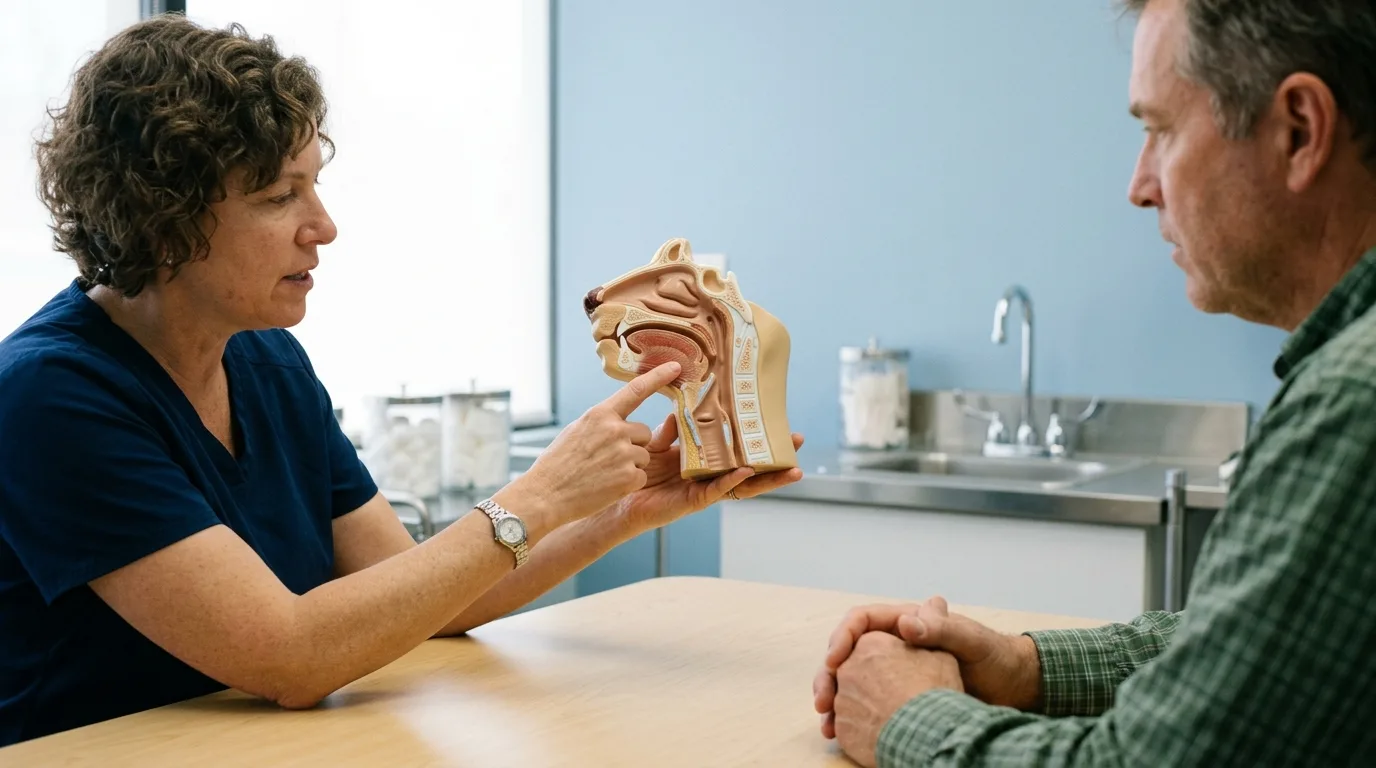
As a brachycephalic (flat-faced) breed, French Bulldogs have a narrow airway and a short palate. This anatomy makes them much more prone to choking on large chunks of food or bone splinters compared to longer-snouted breeds.
Additionally, Frenchies are known for their sensitive stomachs and food allergies. Chicken is a common allergen for this breed, which makes turkey a useful novel protein for some dogs. However, since turkey is also poultry, cross-reactivity can occur. Lamb is a popular alternative protein for chicken-allergic Frenchies if poultry does not work well. Start with a very small bite to test their tolerance. If your Frenchie keeps throwing up after trying new food, stop feeding it immediately and monitor their condition.
How much and how often can a French Bulldog eat turkey?
Even healthy treats should not unbalance your dog’s daily nutrition. Purina recommends following the 10% rule: treats, including lean turkey meat, should make up no more than 10% of a dog’s total daily caloric intake. The remaining 90% must come from a complete and balanced commercial or vet-approved diet.
Serve the meat occasionally rather than as a daily staple. Cutting the turkey into small, bite-sized cubes prevents choking and aids digestion. Keeping your dog active is also helpful, as safe running and exercise can aid a Frenchie’s overall digestion and weight management.
How should turkey be prepared before feeding?
- Cook the turkey fully. Never serve it raw, as raw poultry carries a risk of Salmonella infection.
- Use plain boiling or baking methods. Do not add butter, oil, salt, or any spices.
- Remove the skin, drain excess fat, and ensure every bone is taken out.
- Dice the meat into very small pieces.
- If your dog has a mild stomach upset, bland white rice is often used for a Frenchie’s recovery diet, and a small amount of boiled, shredded turkey can be mixed in to encourage eating.
What are the signs a French Bulldog needs a vet after eating turkey?
If your French Bulldog manages to steal turkey scraps from the trash, especially bones or seasoned skin, you need to watch them closely. The Veterinary Emergency Group (VEG) advises looking for the following emergency signs:
- Continuous vomiting or diarrhea.
- Abdominal pain, which may cause the dog to hunch over or adopt a “praying” stance.
- If your Frenchie starts shaking abnormally, acting lethargic, or refusing to move.
- Black or bloody stool.
- Straining to defecate without producing anything, which indicates a possible blockage.
French Bulldogs often hide their discomfort, so obvious signs of abdominal pain mean the condition is already serious. Never try to induce vomiting at home if your dog swallowed a bone, as the sharp edges can cause fatal damage on the way back up.
Note: Contact your veterinarian or an emergency clinic immediately if you suspect your dog has eaten cooked bones or toxic seasonings.

Leave a Reply